


Period Timber Armchair
A period timber armchair brings substantial construction and honest material to a room, offering enduring seating shaped by centuries of woodworking tradition.
Period Timber Armchair
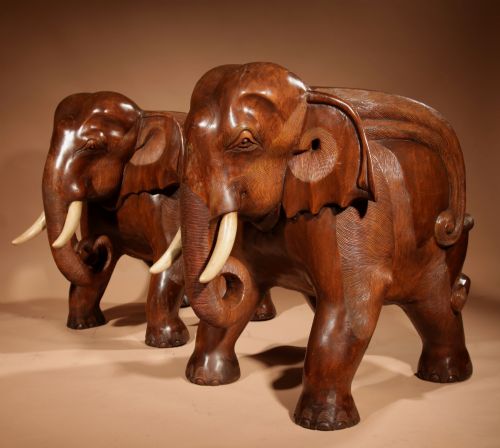
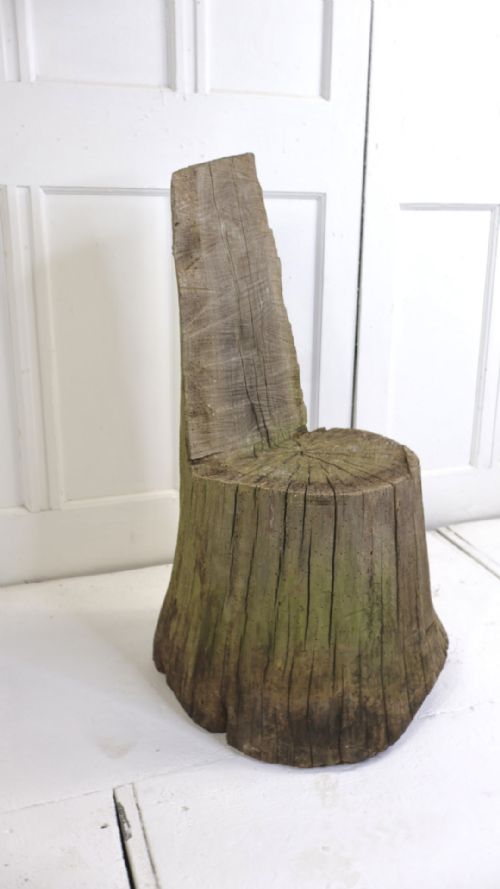
The objects span multiple periods, including the seventeenth, eighteenth, and nineteenth centuries, alongside Edwardian and later twentieth-century iterations. Alongside standard armchairs, the inventory includes high chairs, children's variants, and sculptural tree seats.
Regional variations and stylistic branches emerge clearly, from simple ladder-backs to stately wainscot chairs and elaborate Art Deco pairs. Each piece reflects the functional requirements and aesthetic preferences of its era, utilising native and imported hardwoods.
How they were made
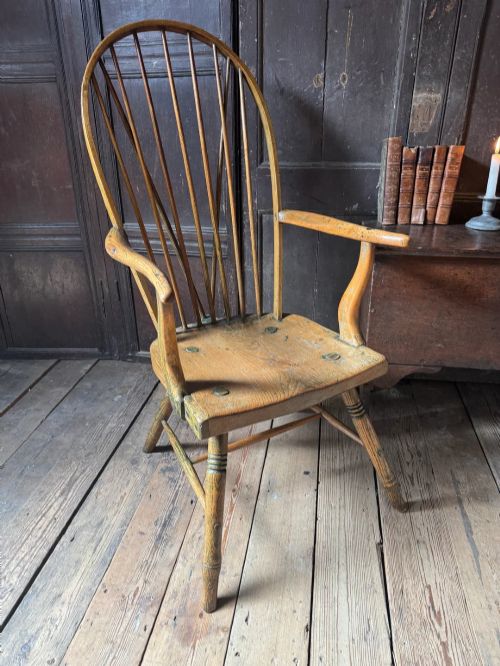
Makers utilised solid timbers such as oak, elm, ash, and mahogany, often combining woods within a single frame to exploit their specific structural properties. Windsor and vernacular chairs frequently paired elm seats with ash spindles and bending parts.
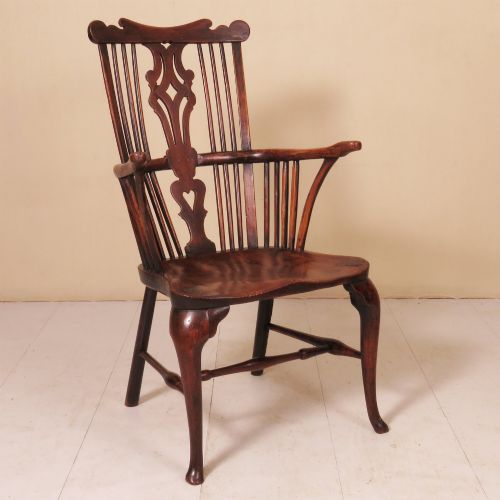
Joinery methods relied on traditional techniques like mortise and tenon joints, pegging, and steam bending for curved components such as hoop backs and comb backs. Surfaces were finished to highlight the natural grain of the timber, sometimes supplemented by upholstery in fabric or leather.
Listings feature timbers such as oak, elm, ash, and mahogany, spanning periods from the seventeenth century through to Art Deco designs.
What varies in quality
The calibre of a piece depends upon the integrity of its construction, the quality and seasoning of the timber, and the retention of original surfaces. Chairs retaining their early or original joinery without extensive timber replacement command greater appreciation among discerning buyers.
Proportion and stylistic execution separate standard utility items from masterworks of vernacular or formal design. Subtle details in the turning of spindles, the sculpting of solid seats, and the grace of carved mahogany arms define the upper tier of the range.
The Period Timber Armchair Glossary
- Wainscot chair
- A heavy wooden armchair dating predominantly from the seventeenth and eighteenth centuries, constructed with panelled backs and solid timber seats. These early forms demonstrate carpentry traditions derived from chest-making.
- Windsor chair
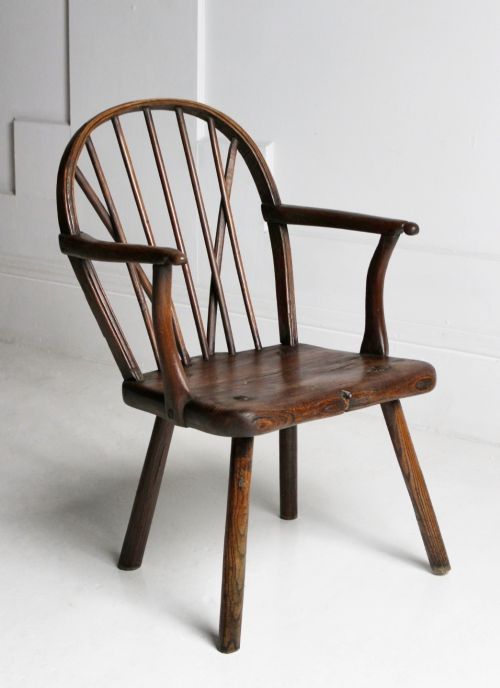
- A chair built with a solid wooden seat into which the legs and back canted spindles are directly tenoned. High hoop-backs and comb-backs are notable variations of this sturdy seating form.
- Ladder-back
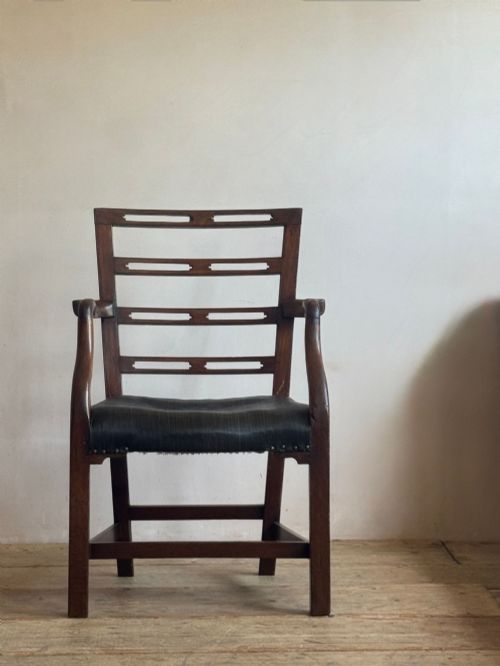
- A chair style featuring horizontal slats or bars set between the rear upright posts of the back. This traditional vernacular design often incorporated rush or wooden seats.
- Vernacular
- An object made by local craftsmen following regional traditions rather than high-style metropolitan fashions. These pieces prioritise utility and local timber availability.
- Hepplewhite style
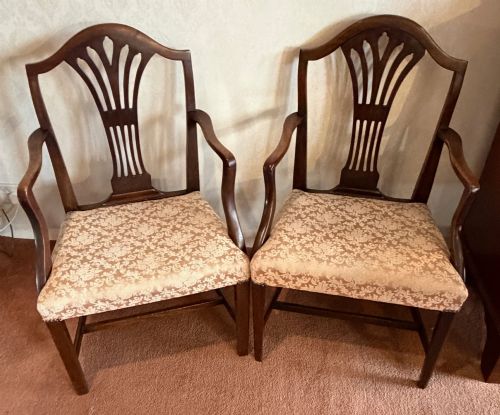
- Furniture reflecting the graceful, neoclassical designs popularised by the eighteenth-century cabinet maker George Hepplewhite. Characterised by lighter proportions and shield-shaped or oval chair backs.
Period Timber Armchair: Frequently Asked Questions
What is a wainscot chair?
A wainscot chair is an early wooden armchair featuring a panelled back and solid timber construction. These heavy pieces date back to the seventeenth and eighteenth centuries.
They were designed for principal household members and represent some of the earliest surviving forms of vernacular seating.
How do I identify a Windsor armchair?
A Windsor armchair is distinguished by its solid wooden seat, into which the legs and back spindles are bored directly. They often feature bentwood hoops and comb backs.
Country craftsmen produced these sturdy chairs extensively using native timbers like elm and ash.
Are these chairs suitable for daily use?
Many period timber armchairs remain robust enough for regular daily seating when structurally sound. Their solid hardwood frames offer lasting durability.
Buyers should consider the seat height and ergonomic design relative to modern comfort preferences when selecting a piece for daily living.
What woods were used in these chairs?
Cabinet makers and country joiners utilised a range of native and imported hardwoods. Oak, elm, ash, and mahogany appear frequently across the different periods and styles.
Different timbers were often combined within a single chair to utilise their specific bending or load-bearing qualities.