
Period Lamp Table
A period lamp table brings timber and metal history to a quiet corner, holding a light beside a chair.
Period Lamp Table
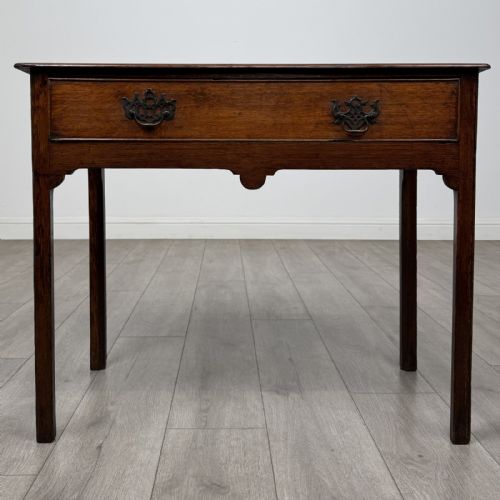
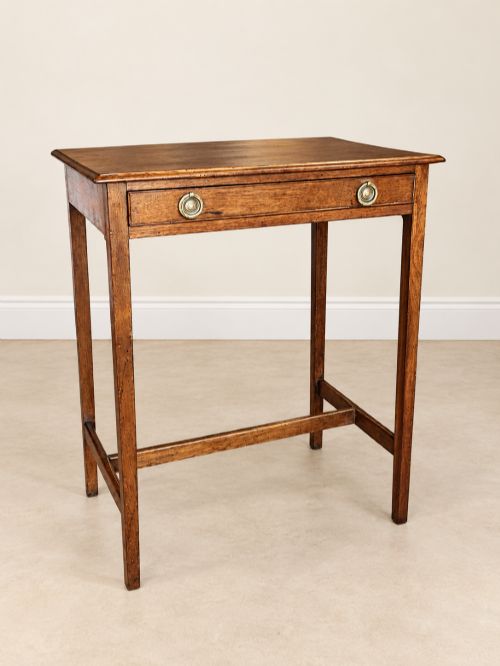
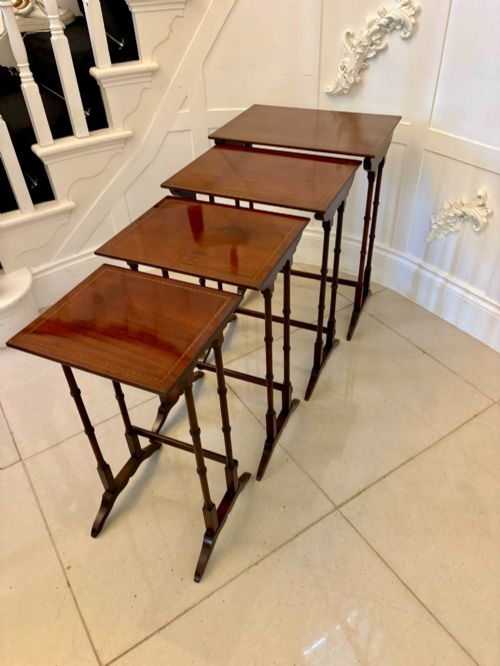
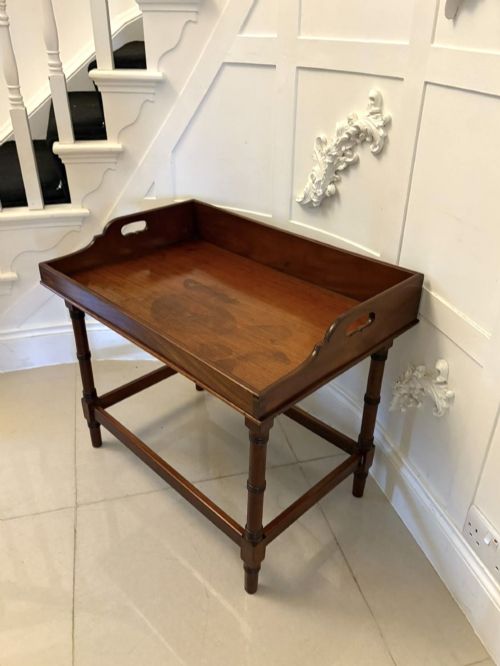
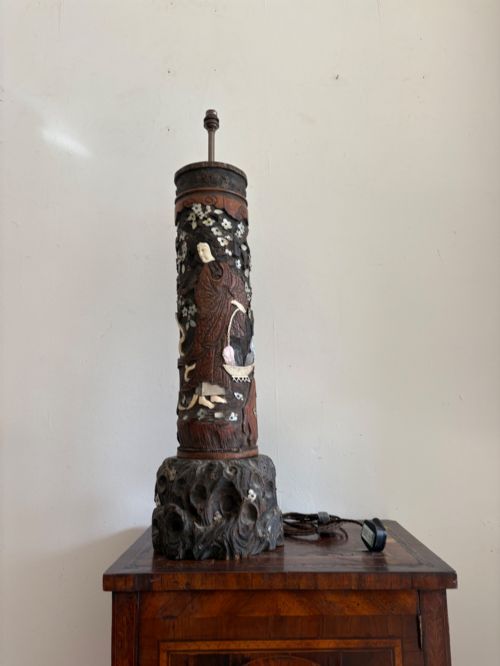
A search for a period lamp table opens a mixed group of small occasional furniture and converted lighting fixtures spanning several centuries. Buyers find timber side tables, tripod tables, and lowboys alongside bronze, brass, and porcelain lamps.
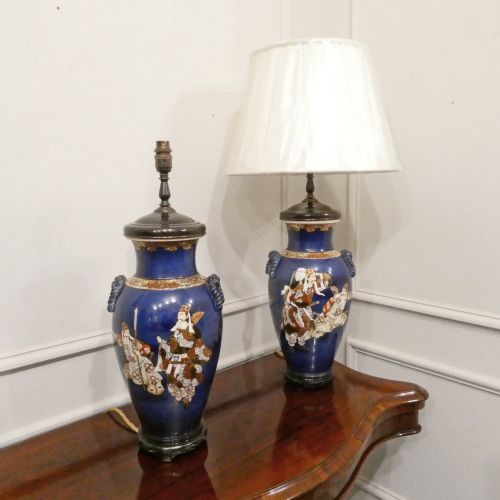
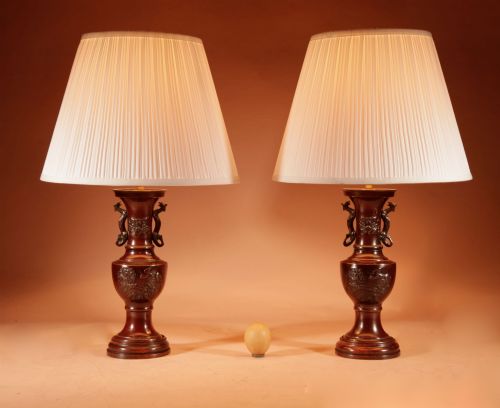
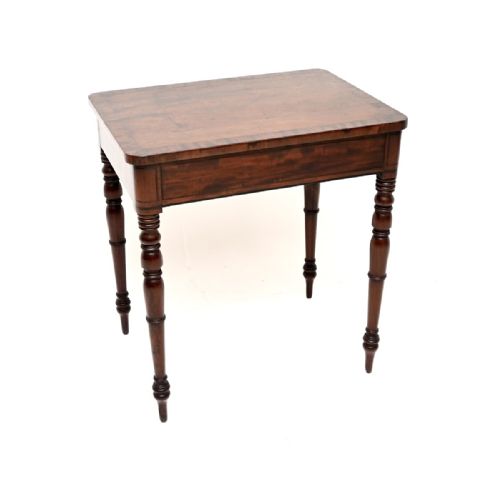
The most common forms on this page pair Georgian and Regency mahogany or oak side tables with Meiji period Japanese bronze and Satsuma porcelain lamps. These pieces originate from British and Japanese workshops.
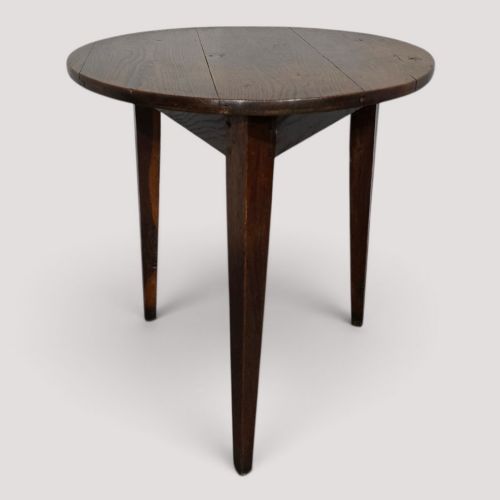
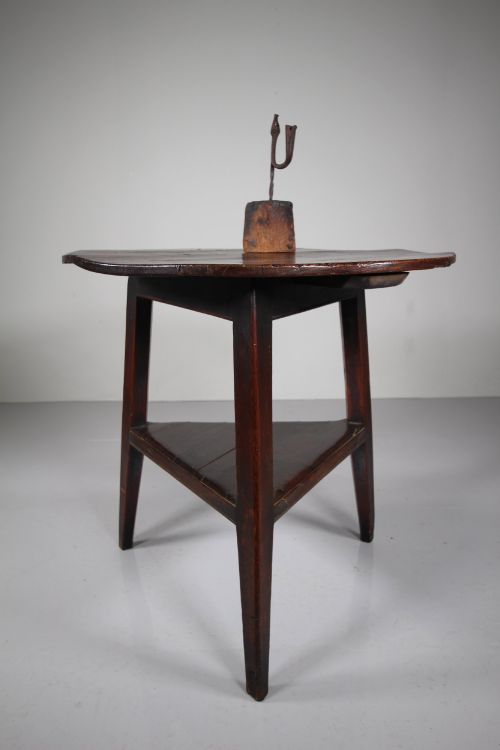
Items range from simple vernacular oak cricket tables to elaborate champleve enamel and ormolu-mounted designs. Each object served a domestic function in a historic interior, whether holding a candle or burning oil.
Materials and construction
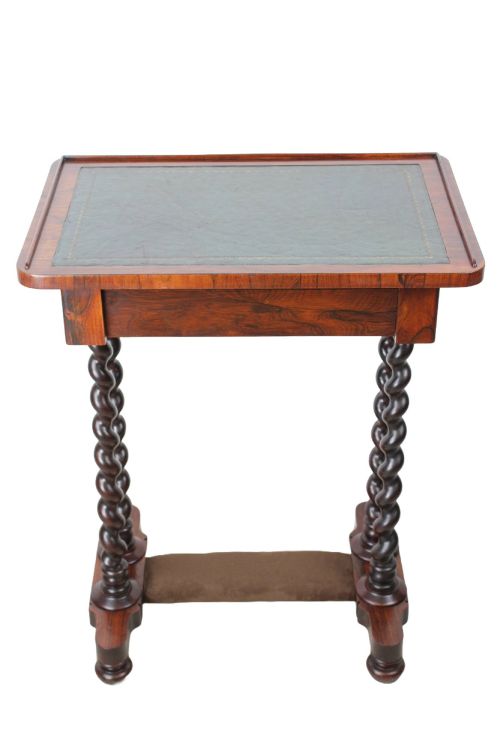
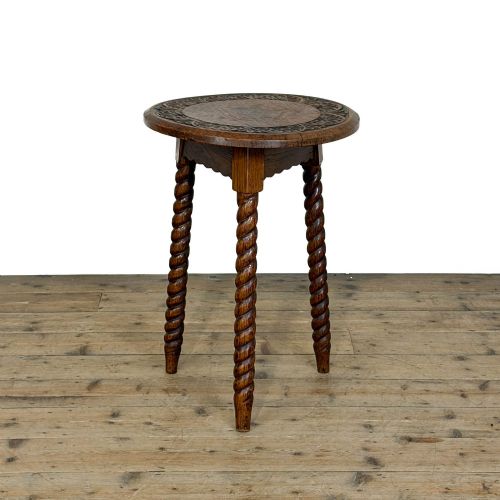
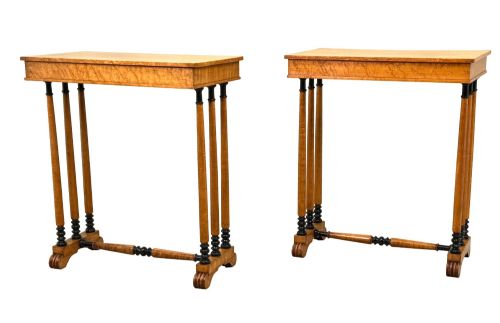
Cabinetmakers utilised dense hardwoods like mahogany, oak, and rosewood, employing mortise and tenon joints for structural side tables and tripod bases. Turning lathes shaped upright pillars and bobbin legs for smaller occasional pieces.
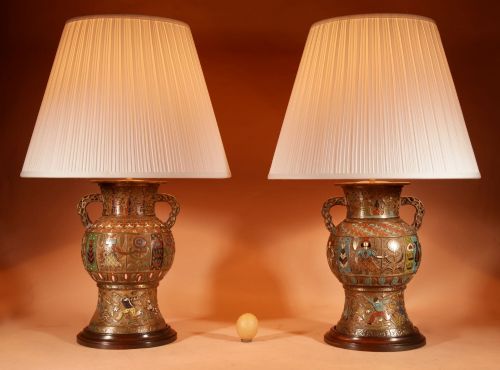
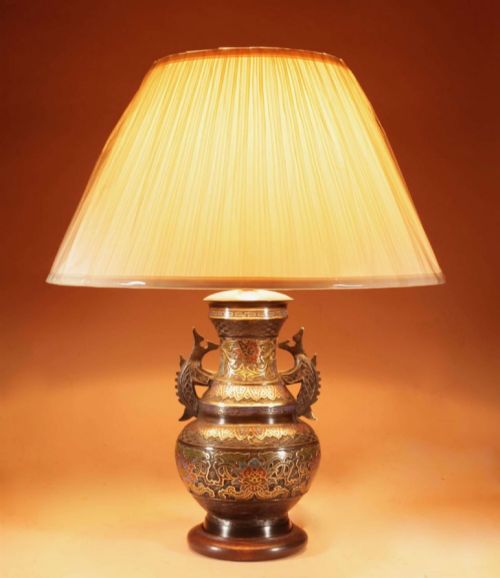
Metalworkers cast bronze and brass for lamps, often incorporating champleve and cloisonne enamel decoration. Ceramic artists shaped Satsuma porcelain bodies before hand-painting intricate surface patterns with mineral pigments.
Several heavy bronze dragons guard these lamp bases, staring down the centuries with unblinking metal eyes.
Distinctions in quality
Quality rests in the crispness of carved details, such as the depth of foliage on a tripod base or the precision of enamel work on a bronze lamp. Superior pieces retain original surface finishes and patination accumulated through age.
Construction methods signal standard, where hand-cut dovetails in drawer construction and well-fitted timber joints separate workshop standards. The balance of a tripod table and the weight of a bronze lamp indicate material density and stability.
Gustave Serrurier Bovy
The Period Lamp Table Glossary
- Cricket table
- A small three-legged wooden table originating in the vernacular tradition, typically constructed from oak. These sturdy pieces stood steady on uneven floors.
- Tripod table
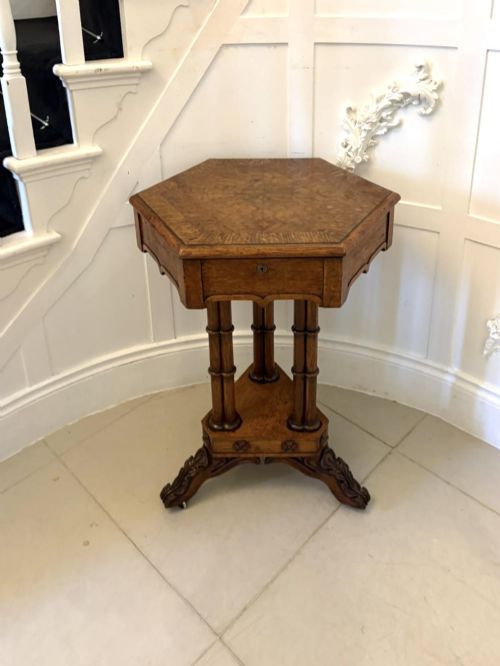
- A small table supported by a central pillar resting on three carved feet. Many examples feature a tilt top mechanism.
- Champleve
- An enamelling technique where troughs are dug into a metal surface and filled with vitreous paste before firing. This method creates bold coloured patterns on bronze and brass lamps.
- Lowboy
- A small kneehole dressing table or side table with one or more rows of drawers. They date predominantly from the eighteenth century in oak and mahogany.
- Satsuma
- Japanese earthenware pottery decorated with a crackle glaze and intricate enamel and gilt overglaze paintings. Vases in this style frequently converted into table lamps.
Period Lamp Table: Frequently Asked Questions
What is a period lamp table?
A period lamp table refers to antique small tables and lighting pieces from eighteenth, nineteenth, and early twentieth-century eras. The term covers timber occasional tables alongside metal and ceramic lamps.
Buyers select these items to integrate historic materials and craftsmanship into modern living spaces. They function as bedside stands, reading surface supports, or decorative illumination.
What are Meiji period lamps?
Meiji period lamps originate from Japan between eighteen sixty-eight and nineteen twelve, utilising bronze, brass, cloisonne, and Satsuma porcelain. Many began as vases or decorative objects before conversion to electrical lighting.
These pieces bring detailed metalwork and hand-painted ceramics into European interiors. Their surface ornamentation often depicts floral, dragon, or figurative motifs.
Where should I place an occasional table?
Occasional tables suit placement beside armchairs, sofas, or empty hallway corners. Their compact footprints allow them to fit into spaces where larger furniture proves impractical.
Tripod and nest formats offer flexibility for movement when entertaining. They provide a stable surface for reading lamps and small decorative objects.