

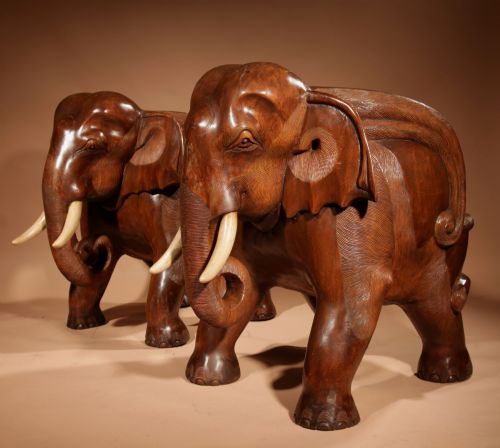
Period Stool
These period stool options span centuries of seating, bringing timber character and historic utility into a room.
Period Stool
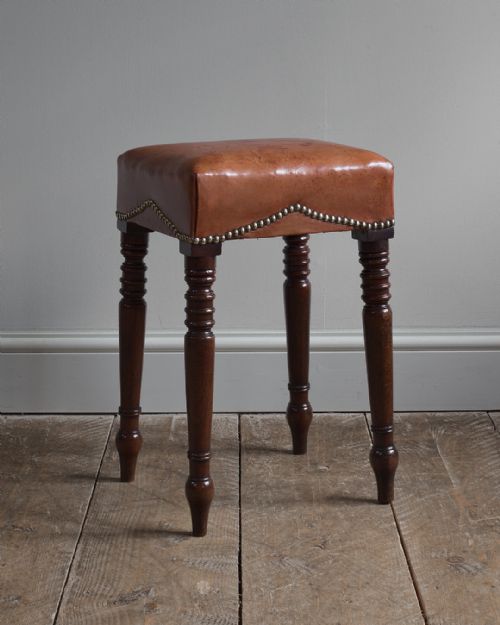
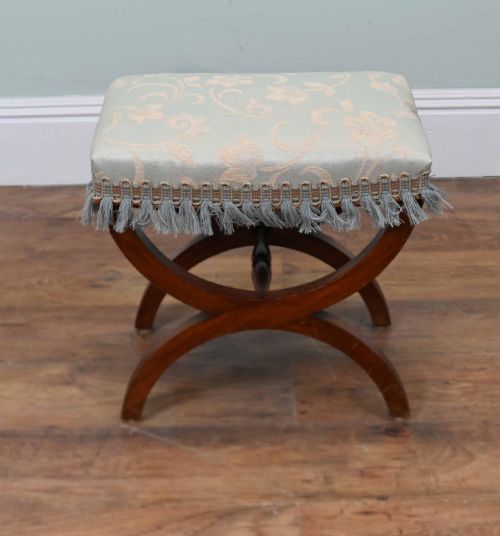
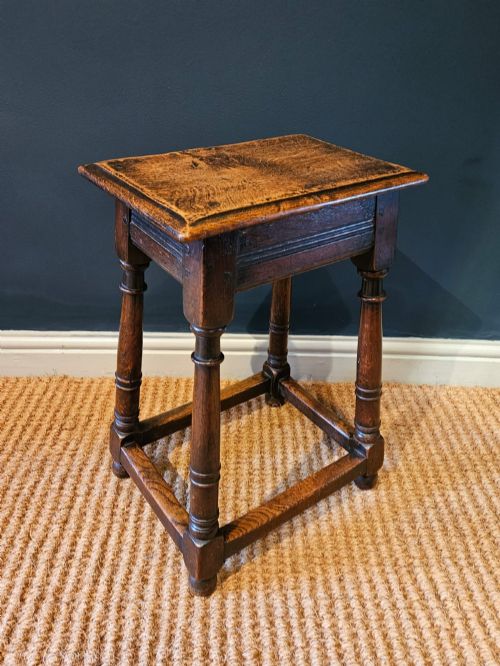
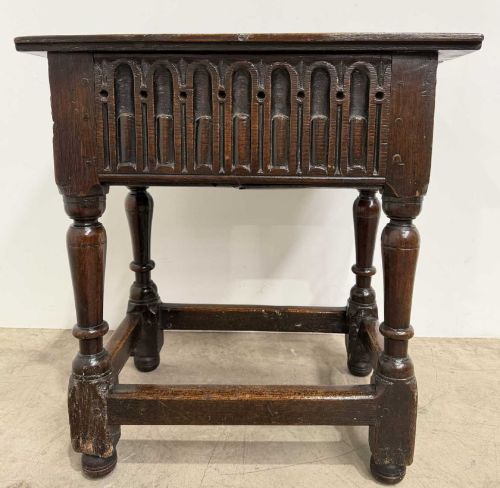
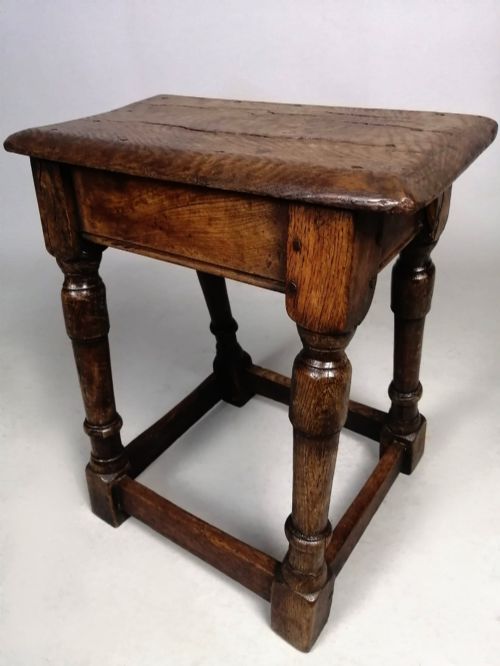
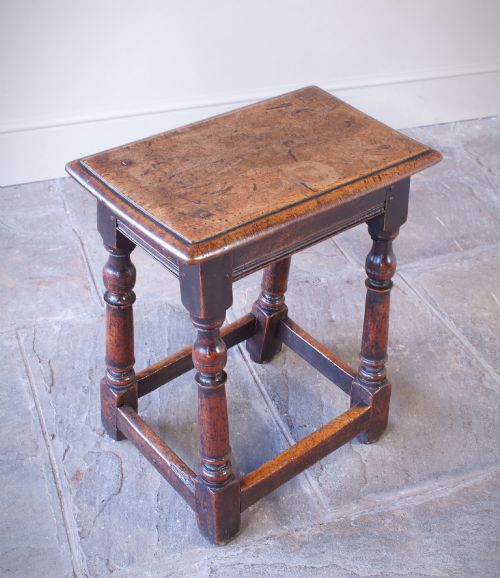
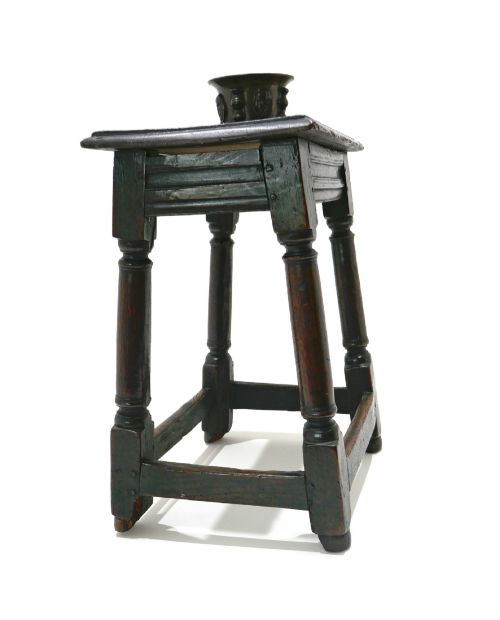
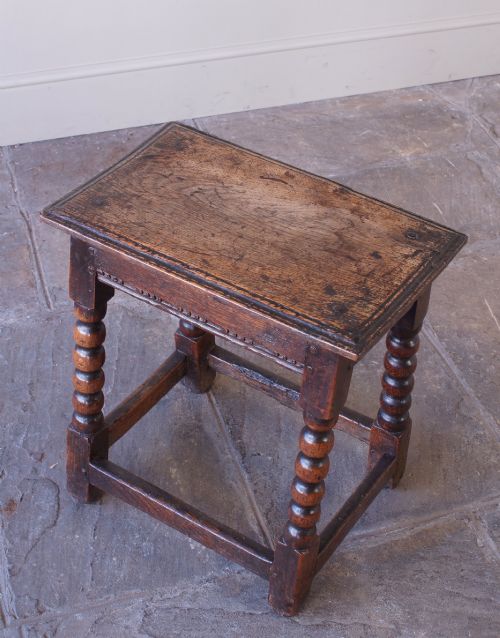
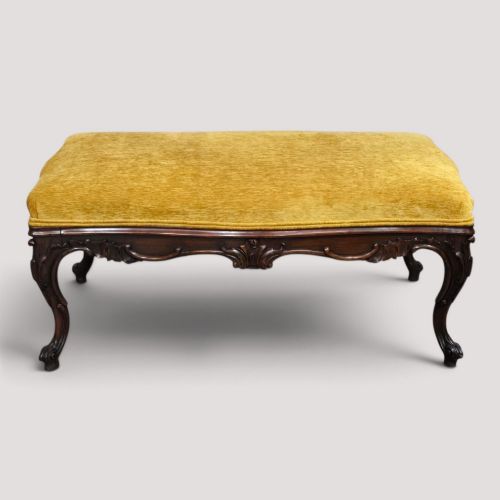
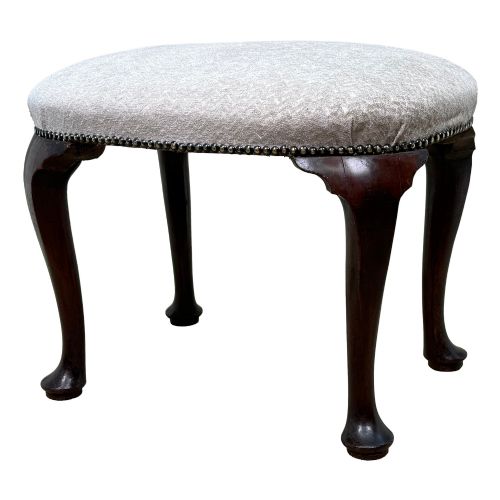
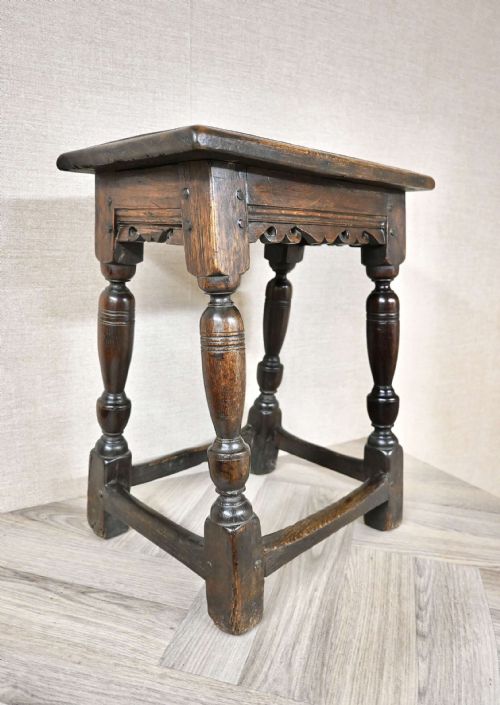
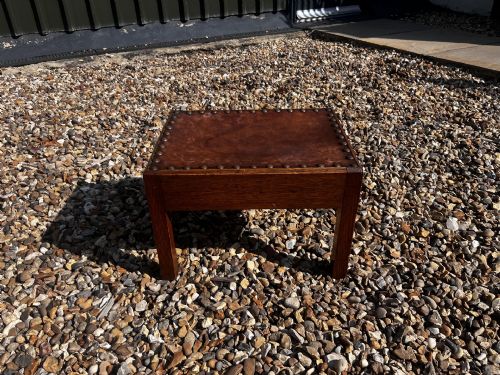
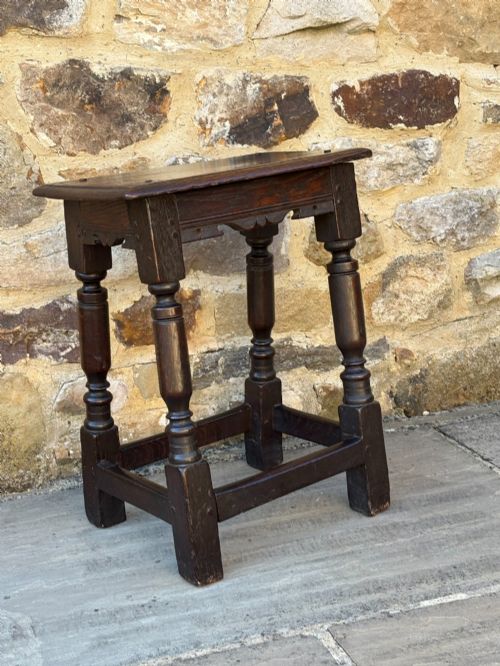
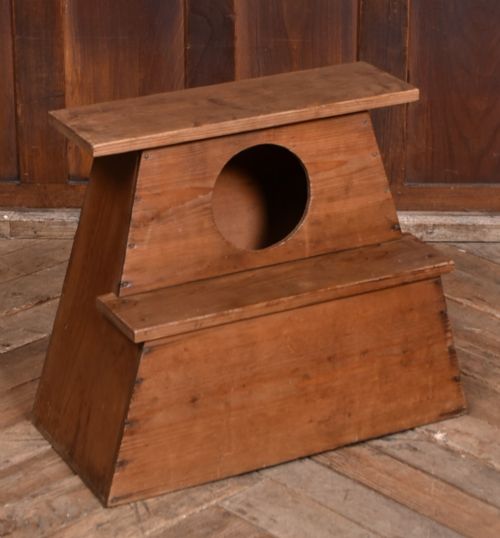
A period stool encompasses seating forms ranging from early seventeenth-century joined oak examples to nineteenth-century rosewood piano stools. Buyers searching for a period stool encounter diverse regional iterations, including Irish elm designs and vernacular box stools. The selection frequently includes joint stools originally built for domestic utility alongside upholstered footstools.
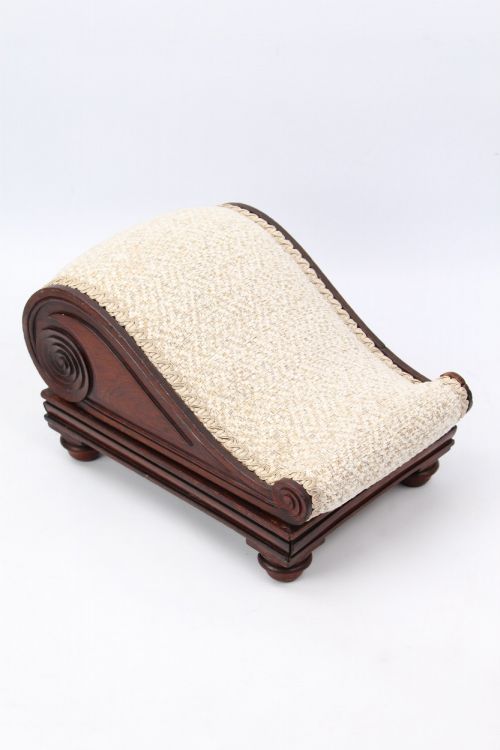
Early examples concentrate heavily on seventeenth-century oak and walnut construction, showing straightforward forms built for domestic use. Later nineteenth-century varieties introduce rosewood and mahogany timbers, often featuring upholstered tops designed for drawing rooms and music rooms. Occasional forms such as close stools and commode chairs demonstrate the multifunctional nature of early seating.
How they were made
Construction relies heavily on native timbers such as oak, walnut, and elm, assembled using traditional joinery methods appropriate to each era. Seventeenth-century pieces typically utilise joined frames with pegged mortise and tenon joints, while later nineteenth-century examples incorporate turned rosewood and mahogany supports. Upholstered variants combine timber frameworks with traditional padding materials and fabric coverings.
Surface finishes develop through age and usage, displaying natural grain patterns across plank tops and carved rails. Craftsmanship ranges from the vernacular work of provincial joiners to refined Regency cabinet-making involving scroll-end designs and finely polished mahogany.
Period Stool Retail Price Guide 2026
Typical asking prices for period stool among the pieces listed under this phrase on Sellingantiques today, from the lower quarter to the upper quarter. They describe what is for sale here now, not the wider market.
History includes humble vendor seats alongside elaborate walnut footstools designed for royal comfort.
What varies in quality
Quality rests in the integrity of the original timber frame and the degree of later alteration or replacement. Pieces retaining their early joined structures and honest surface patination stand apart from those with extensive timber renewal or re-glued joints.
Proportion and carving detail also distinguish finer examples, such as George-period carved elm or Regency mahogany, from more utilitarian workshop output. The survival of original upholstery foundations or untouched timber surfaces significantly shapes the character of a piece.
Arthur Simpson Of Kendal·Mathew Gregson
The Period Stool Glossary
- Joint stool
- A sturdy wooden stool constructed with pegged joints rather than turned legs alone, common in the sixteenth and seventeenth centuries. These pieces served diverse domestic functions before chairs became common.
- Close stool
- An early form of enclosed seating containing a chamber pot, often disguised as a small chest or box stool. They combine functional utility with refined cabinetry.
- Jointed oak
- Timber framing held together by tight mortise and tenon joints secured with wooden pegs. This method provides robust structural stability without metal fixings.
- Box stool
- A seat featuring a hinged lid opening to a storage compartment beneath the top. They offer practical utility alongside period timber construction.
Period Stool: Frequently Asked Questions
How do I date a joint stool?
Dating relies on examining the timber species, tool marks, and joint construction methods visible on the frame. Seventeenth-century examples typically show pegged joinery and oak or walnut construction.
Subsequent revival pieces from later centuries often display machine-cut elements or different wood ageing characteristics compared to genuine early period pieces.
What was a close stool used for?
A close stool served as a concealed indoor commode before modern plumbing was established in domestic interiors. Cabinetmakers housed these functional vessels inside handsome wooden chests or box frames.
They stood in bedrooms or dressing areas, combining necessary utility with polished exterior cabinetry.
Can I use an antique stool every day?
Most period stools possess sturdy timber frames capable of supporting daily use when placed on even floors. Solid oak and mahogany examples offer considerable structural resilience built for practical household tasks.
Care should be taken with delicate nineteenth-century rosewood piano stools or fragile upholstered surfaces to preserve their historic fabric.
How do I match a stool to my room?
Consider the timber tone and decorative style of existing furniture, pairing seventeenth-century oak with rustic or traditional interiors. Regency rosewood or Georgian mahogany variants suit formal drawing rooms and classical schemes.
Scale matters as much as style, ensuring the height of the seat suits its intended placement beside tables or chairs.