



Period Stemware
Period stemware brings the weight and clarity of 18th Century and Regency glass drinking vessels straight to the modern table.
Period Stemware
Period stemware encompasses drinking glasses and barware spanning the Georgian, Regency, and Taisho periods, with the vast majority originating in 18th Century England. When you search for period stemware, you encounter wine glasses, ale flutes, rummers, and gin glasses designed for historic dining and social rituals.
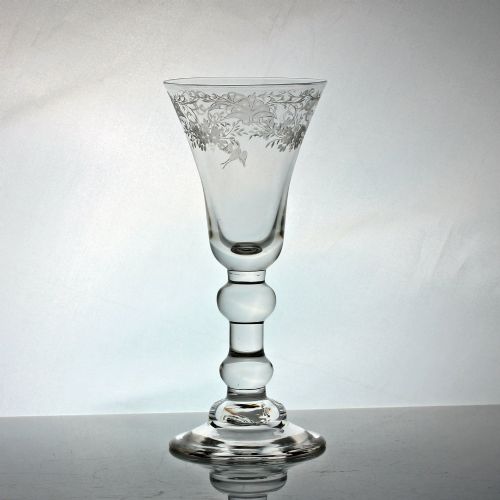
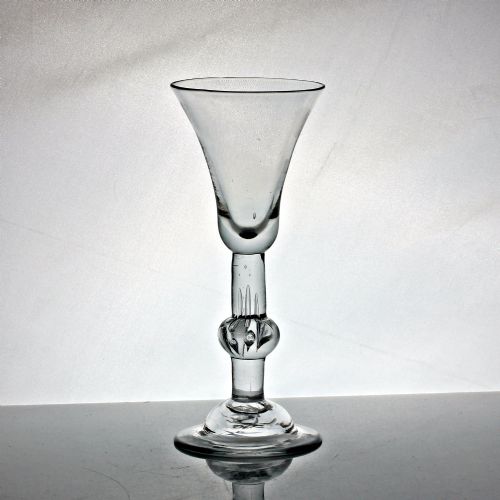
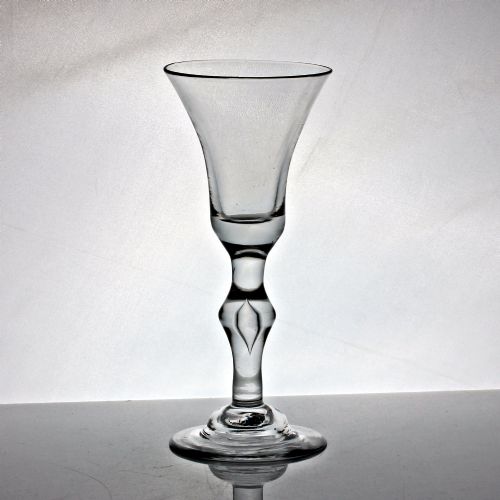
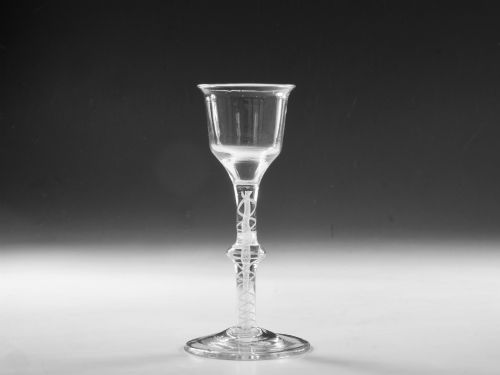
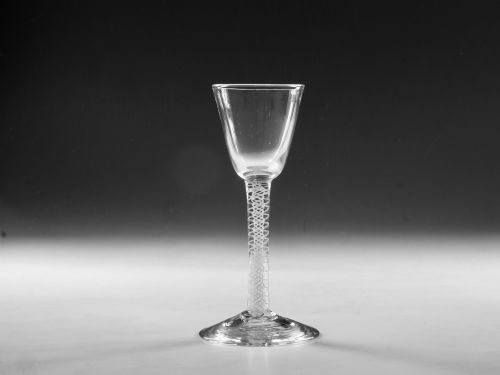
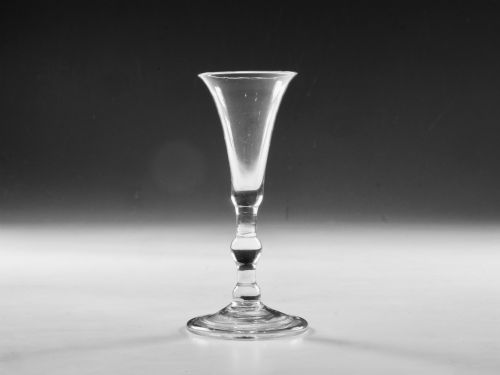
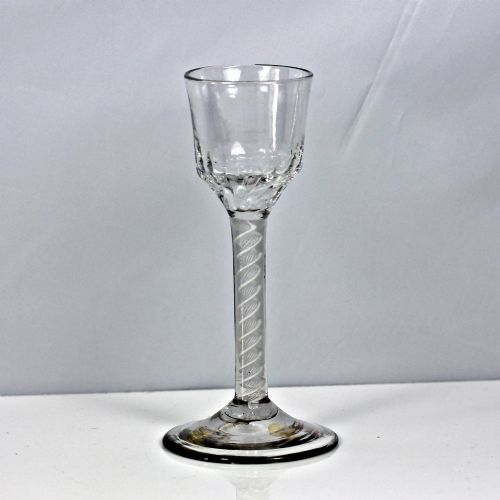
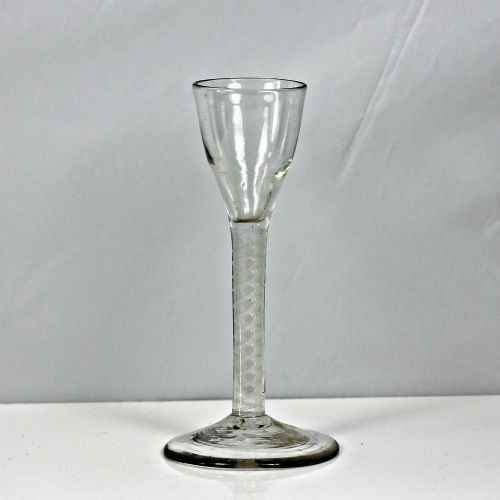
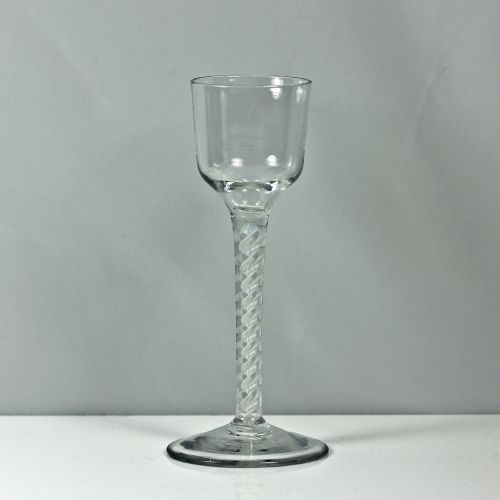
The selections on this page lean heavily towards Georgian lead glass and lead crystal forms, particularly wine glasses featuring complex interior stems and bowls. You will find specific historical configurations including baluster, balustroid, and opaque twist stems supporting bell, ogee, or wrythened bowls.
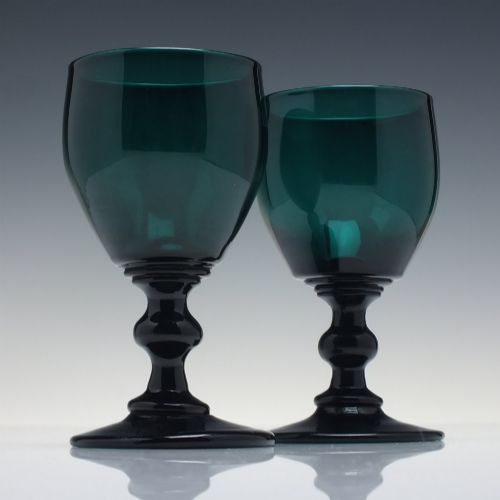
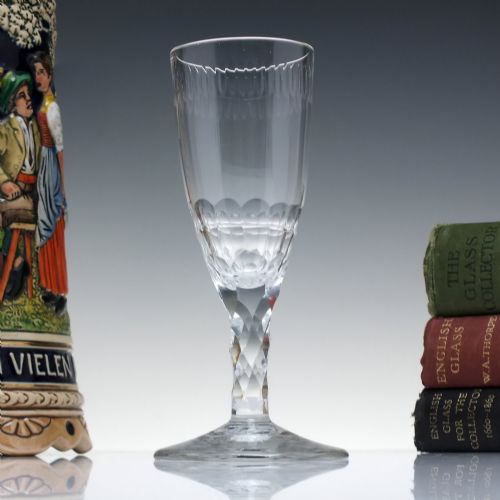
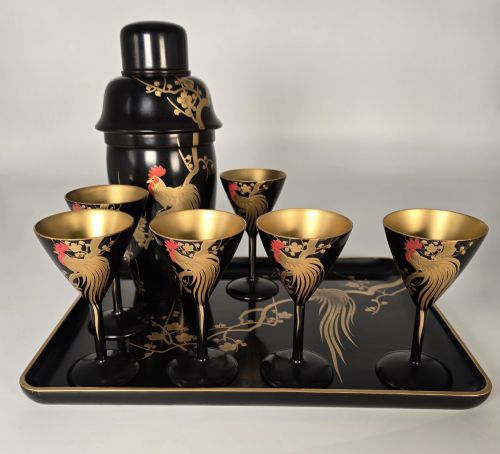
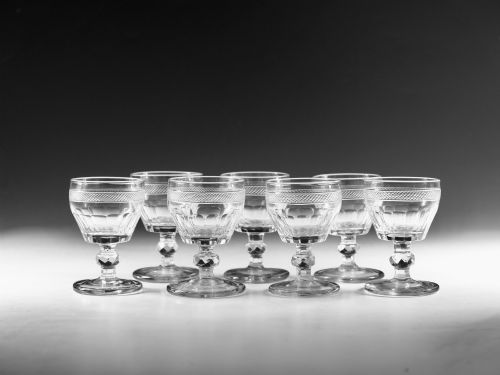
Beyond standard wine glasses, the category includes specialised drinking vessels such as dwarf ale glasses, facet-cut goblets, and hobnail cut bucket rummers alongside occasional Japanese lacquer cocktail sets and oil lamps. These pieces represent centuries of social drinking habits, from heavy balusters of the early 1700s to cut glass and coloured vessels of the early 1800s.
How period stemware was made
Makers shaped these drinking vessels using hand-blown lead glass and lead crystal, achieving exceptional clarity and heft through traditional furnace techniques. Glassblowers formed bowls and feet before applying molten glass to create solid stems, often incorporating internal air bubbles known as air tears.
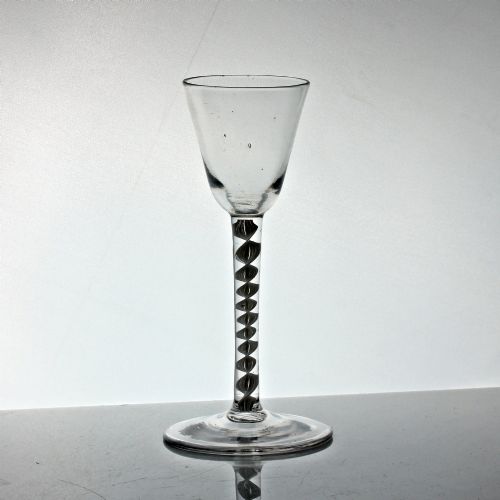
Twist stems were produced by drawing out glass rods containing threads of opaque white enamel or air channels, then twisting them before integration into the stem structure. Artisans finished many vessels through surface decoration, utilising engraving tools to apply hop and barley motifs or cutting geometric patterns directly into the clear glass.
Period Stemware Retail Price Guide 2026
Typical asking prices for period stemware among the pieces listed under this phrase on Sellingantiques today, from the lower quarter to the upper quarter. They describe what is for sale here now, not the wider market.
Several glasses show off hop and barley engravings, suggesting earlier drinkers liked their glassware to advertise the exact contents of the pub.
What varies in quality
Quality in these drinking vessels lies in the optical purity of the metal and the precision of internal stem formations, where clean twists and sharp facet cuts distinguish finer examples. The handling of the metal determines whether the bowl possesses the intended brilliance and whether heavy baluster forms maintain balanced proportions.
Proportional harmony between the foot, stem, and bowl dictates the success of each piece, alongside the crispness of hand-engraved details such as floral motifs on ale flutes. Superior specimens display deliberate weight distribution and refined finishing on elements like folded feet and domed bases.
The Period Stemware Glossary
- Baluster
- A heavy, thick stem style featuring knops and swelling profiles characteristic of early 18th Century drinking vessels. These forms evolved from continental pottery shapes.
- Opaque twist
- A stem decoration formed by drawing white enamel rods through the molten glass to create internal threads. These threads appear as single or double series patterns inside the stem.
- Air twist
- A stem created by trapping elongated air bubbles within the glass rod and twisting them during manufacture. The resulting spiral channels catch the light inside the stem.
- Wrythen
- A decorative spiral moulding applied to the bowl or body of a vessel during blowing. This technique creates a subtle diagonal ribbing across the glass surface.
- Facet cut
- Geometric planes ground and polished onto the surface of the stem or bowl. This technique creates sharp refractive edges popular on later 18th Century and Regency items.
- Rummer
- A large, heavy drinking glass used for punch, rum, or ale during the Regency era. These vessels frequently feature bucket bowls and thick supporting feet.
Period Stemware: Frequently Asked Questions
What is an opaque twist?
An opaque twist is a decorative stem type found on 18th Century drinking vessels, created by incorporating white enamel threads inside the clear glass rod.
Craftsmen drew and twisted these threads during the forming process to produce intricate internal spirals, visible through the transparent outer layer of the stem.
How do I identify a Georgian wine glass?
Georgian wine glasses are identified by their heavy lead glass composition, distinctive stem formations like balusters or air twists, and traditional bowl shapes such as bells or ogees.
They date from the 18th and early 19th centuries and often exhibit pontil marks on the underside of the foot where the glassblower snapped the pontil rod.
What are baluster wine glasses?
Baluster wine glasses are early 18th Century drinking vessels defined by their thick, substantial stems featuring prominent swellings and decorative knops.
Originating when lead glass production was newly established in England, these heavy glasses reflect the robust manufacturing methods of the period.
How were facet cut stems made?
Facet cut stems were produced by grinding flat planes onto the exterior of the glass stem using rotating wheels.
This technique became prevalent in the later 18th Century, replacing earlier twist stems and creating sparkling geometric surfaces that caught candle light.
Can I use antique stemware daily?
Antique stemware can be integrated into modern dining, provided you handle the historic lead glass with appropriate care.
Because these vessels are delicate and irreplaceable, hand washing is essential, and storing them away from modern dishwashers preserves their historic surfaces.