


Period Small Furniture
Period small furniture encompasses compact tables, desks, and chests of drawers from past centuries designed to fit modest spaces without sacrificing utility.
Period Small Furniture
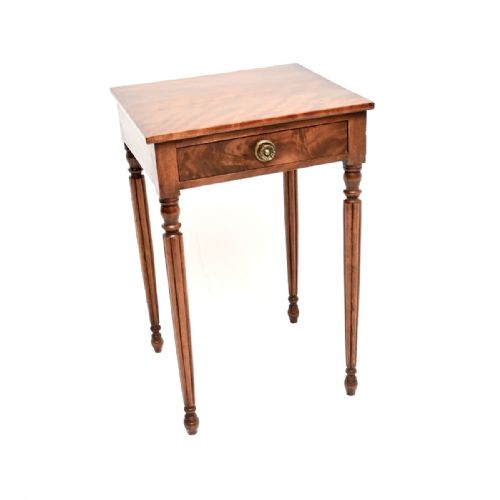
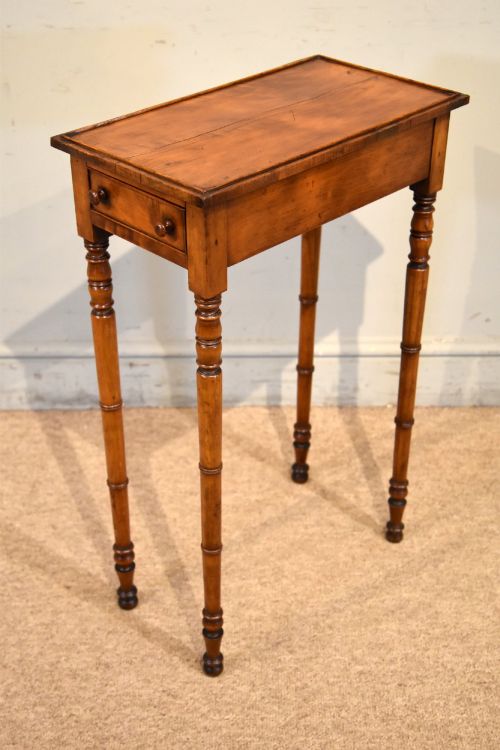
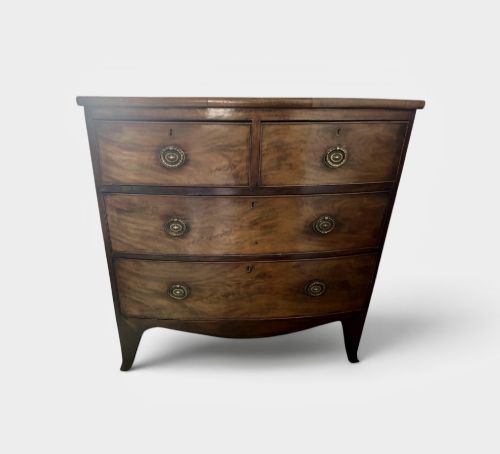
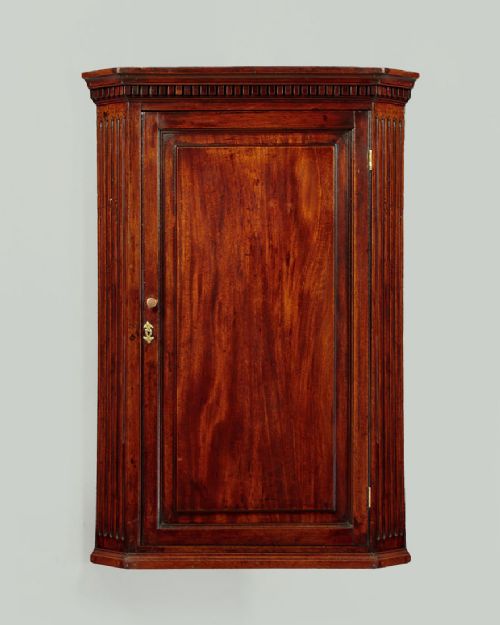
Period small furniture covers compact items such as chests of drawers, occasional tables, side tables, and small cupboards produced across the seventeenth, eighteenth, and nineteenth centuries. Buyers searching for period small furniture often want versatile items like bachelor's chests, wine tables, and small desks that integrate easily into contemporary rooms.
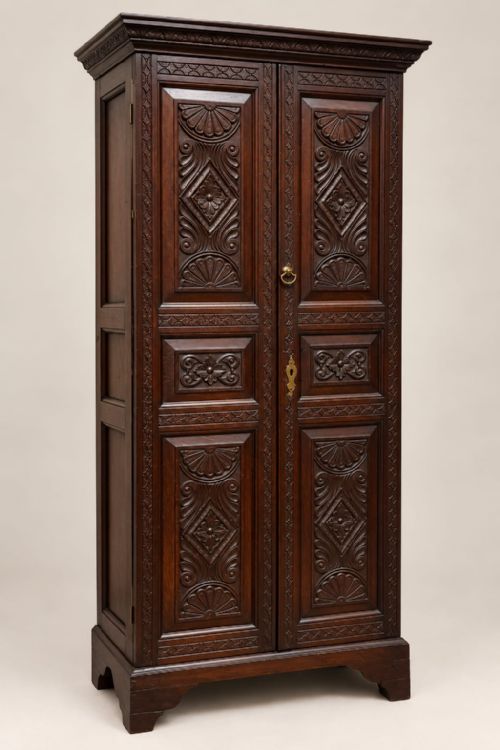
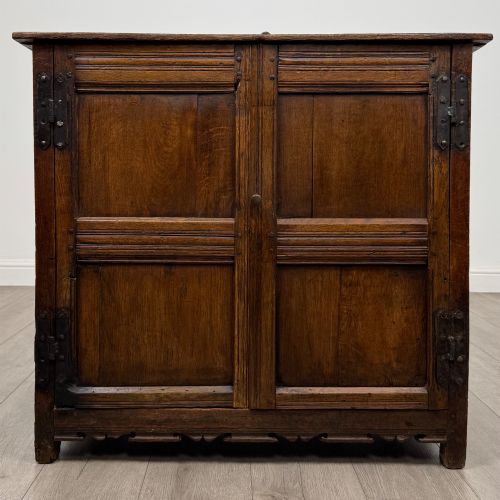
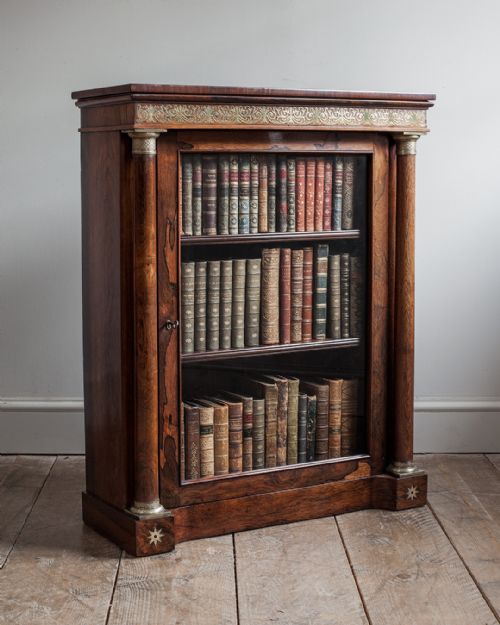
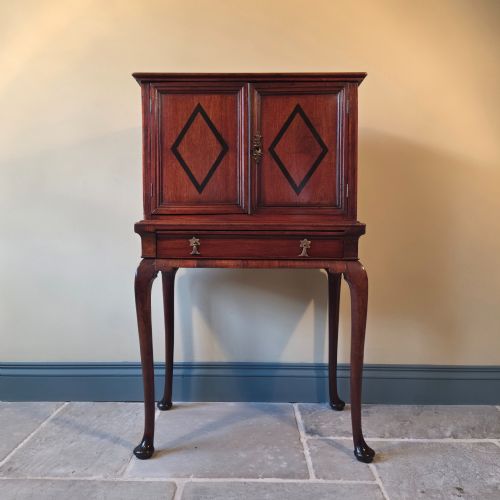
The pieces appearing on this page span styles from Jacobean and Queen Anne to Georgian, Regency, and Victorian. Oak forms dominate the earlier centuries, while mahogany, walnut, and rosewood become prevalent in the Georgian and Regency periods.
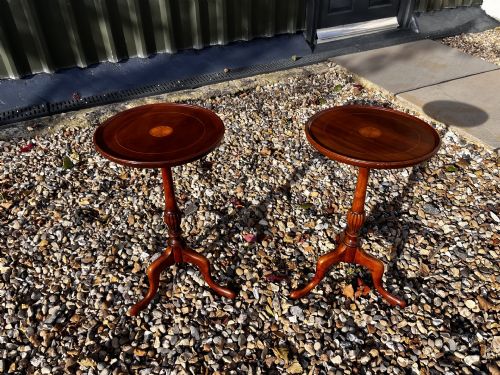
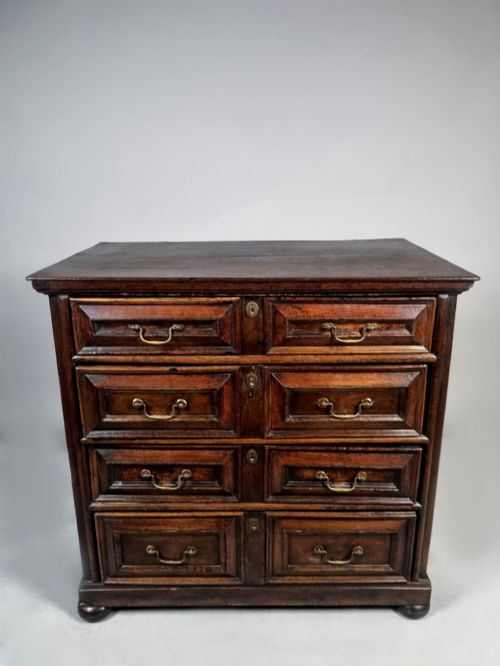
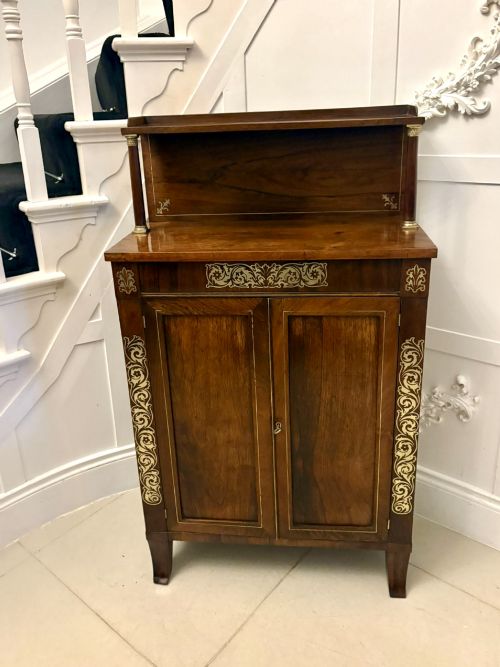
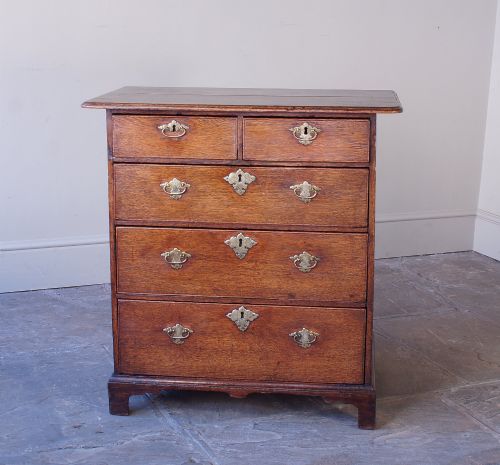
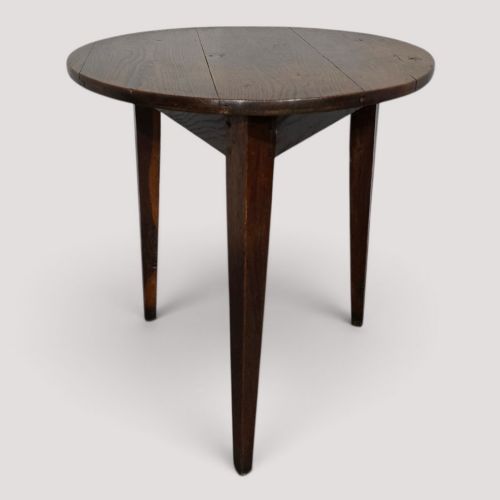
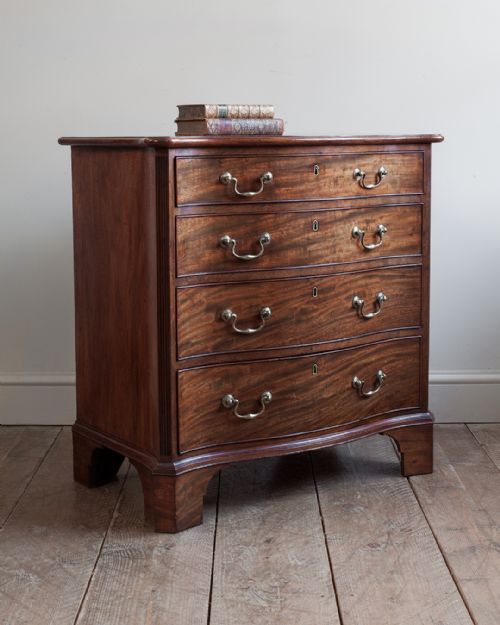
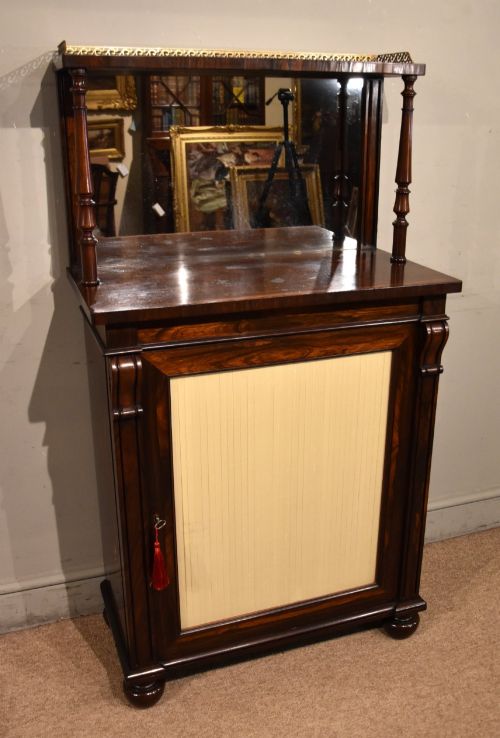
Common forms include compact chests of drawers featuring brushing slides or serpentine fronts, alongside tripod tables, chiffoniers, and gateleg tables. These items provide functional storage and display surfaces scaled down for smaller domestic footprints.
Materials and Construction
Cabinetmakers utilised solid timbers such as oak for seventeenth and eighteenth-century pieces, later shifting to mahogany, walnut, and rosewood for sophisticated Georgian and Regency designs. Timber selection dictated the structural integrity and decorative potential of each item.
Construction techniques involved traditional joinery, including dovetail joints for drawer construction and mortise and tenon joints for frames. Secondary materials like brass handles, glass, iron fittings, and leather inserts completed desks and cabinets.
Surfaces received finishes such as wax polishing or french polishing to highlight the natural grain of figured timbers, cross-banding, and inlay work.
Period Small Furniture Retail Price Guide 2026
Typical asking prices for period small furniture among the pieces listed under this phrase on Sellingantiques today, from the lower quarter to the upper quarter. They describe what is for sale here now, not the wider market.
Materials represented across the inventory include oak, mahogany, walnut, rosewood, brass hardware, and leather writing surfaces.
Evaluating Quality
Quality in these items rests upon the crispness of carved details, the choice of figured timber veneers, and the preservation of original hardware such as handles and bracket feet. Superior examples display harmonious proportions and careful attention to secondary timbers.
The integrity of the construction, including undisturbed joinery and original patination on oak or mahogany surfaces, distinguishes pieces that retain their historical character from those with extensive alterations.
Finer items incorporate sophisticated design elements like brushing slides, cross-banded borders, and well-executed internal fittings in desks and cabinets.
Gillows
The Period Small Furniture Glossary
- Bachelor's chest
- A small chest of drawers, frequently featuring a fold-over top or a pull-out brushing slide, designed for compact living spaces in the eighteenth century.
- Chiffonier
- A low cabinet with doors enclosing shelves, often surmounted by a small shelf or tier, popular during the Regency and Victorian periods.
- Gateleg table
- A table with hinged leaves supported by swing legs, allowing the piece to fold down for storage or extend for dining and utility use.
- Brushing slide
- A pull-out board located above the top drawer of a chest, historically utilised for writing or grooming.
- Cross-banding
- A decorative border technique where narrow strips of veneer are applied so the grain runs perpendicular to the main surface.
Period Small Furniture: Frequently Asked Questions
What is period small furniture?
Period small furniture refers to compact historical items like chests of drawers, side tables, desks, and cupboards produced during past centuries. These pieces offer functional surfaces and storage scaled down for limited spaces.
Items span seventeenth-century oak pieces to nineteenth-century mahogany and rosewood designs, reflecting the prevailing styles of their respective eras.
How do I date a small chest of drawers?
Dating relies on observing timber choices, construction methods, and stylistic details. Earlier pieces often employ solid oak with pegged joinery, while eighteenth and nineteenth-century examples frequently feature mahogany or walnut with dovetail drawers.
Hardware styles, foot designs such as bracket or ogee feet, and secondary woods further indicate the period of manufacture.
Where were small tables used historically?
Occasional tables, wine tables, and tripod tables served versatile roles in reception rooms and parlours for holding drinks, books, or lighting. Their lightweight construction allowed servants to move them easily around the home.
Gateleg and Pembroke tables provided expandable surfaces that adapted to the changing needs of domestic spaces.
How do I care for antique mahogany furniture?
Maintenance involves keeping pieces away from direct sunlight and heat sources to prevent timber splitting and fading. Regular dusting with a soft, dry cloth preserves the polished surface.
Occasional application of traditional beeswax helps nourish the wood and maintain its natural lustre without building up heavy chemical residues.