


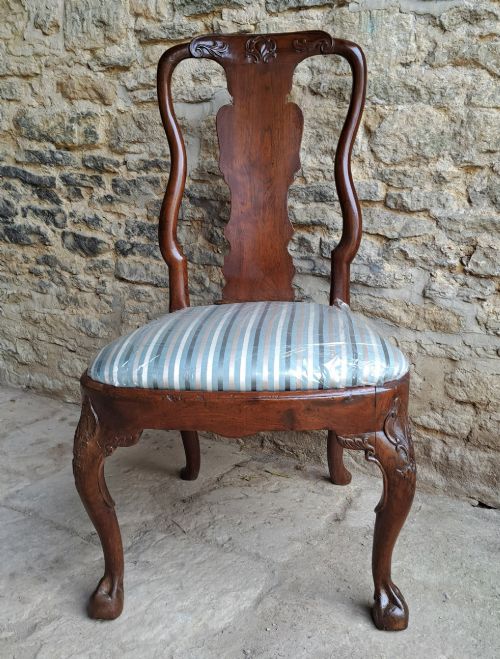


Period Queen Anne Seat
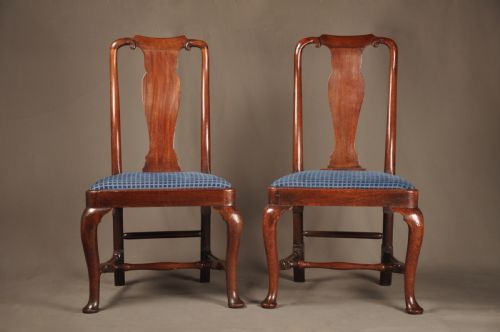
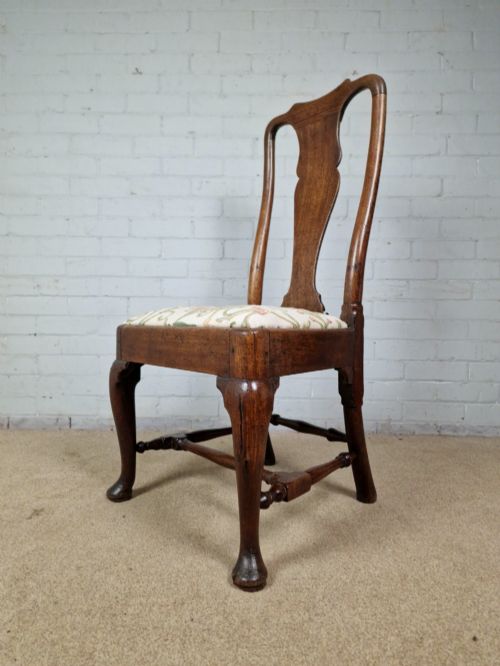
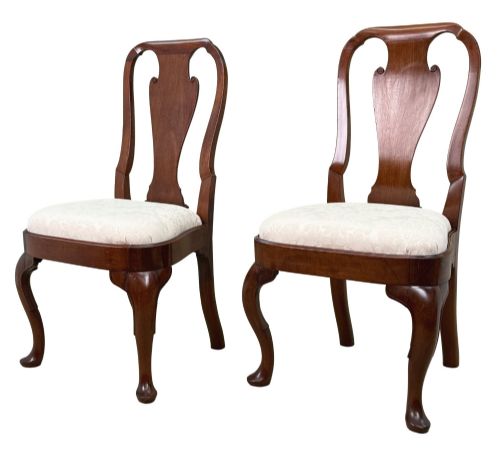
A period queen anne seat brings sculptural walnut curves and cabriole proportions into a room, offering both history and sturdy daily utility.
Period Queen Anne Seat
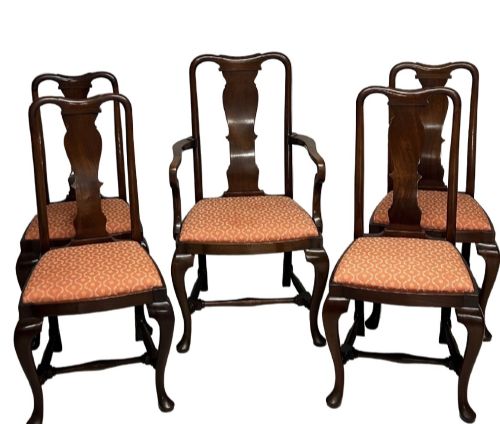
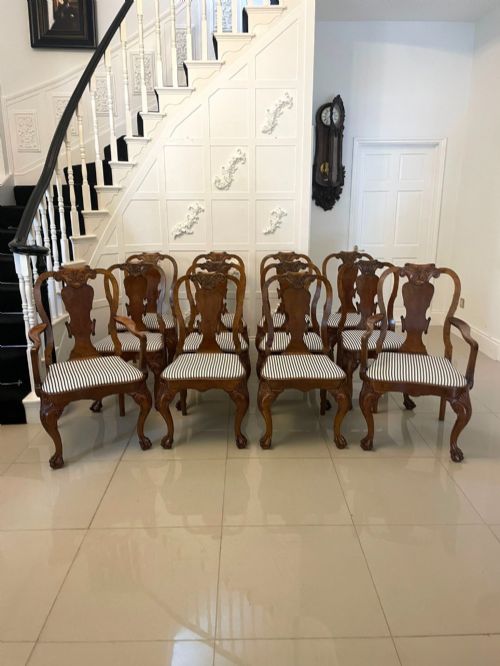
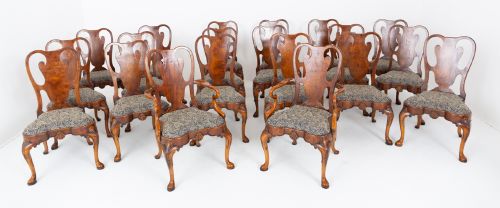
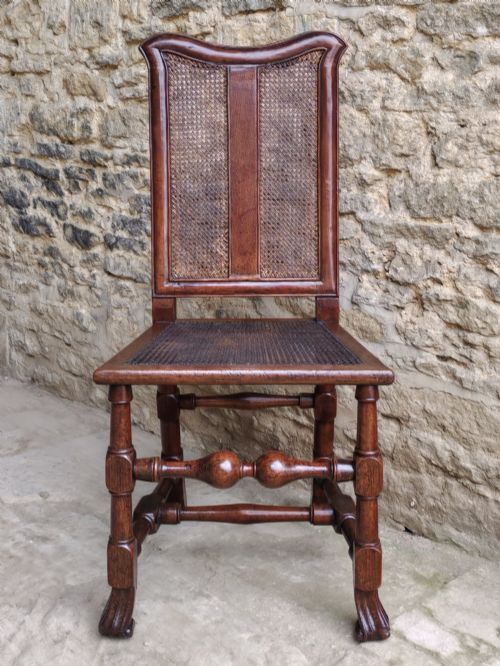
A period queen anne seat encompasses dining chairs, side chairs, armchairs, settees, and footstools from the eighteenth century alongside later revival interpretations from the Victorian era and the nineteen-twenties and thirties. Walnut and oak form the backbone of these pieces, often paired with upholstered seats in fabric, textile, or tapestry.
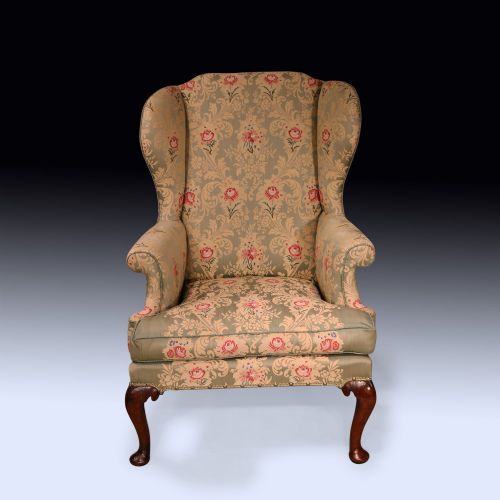
The genuine eighteenth-century pieces display early craftsmanship, while the revival pieces from the late nineteenth and early twentieth centuries offer sturdy alternatives for daily seating. Dining chairs and side chairs appear frequently, alongside occasional footstools and wingback fireside armchairs designed for re-upholstery.
Distinguishing quality across the range
The choice of timber creates a clear distinction, with figured burr walnut and rich red walnut marking out superior examples from standard oak or mahogany alternatives. Grain alignment and the depth of the carved splat back reflect the original maker's skill.
Revival pieces from later centuries rely on the fidelity of their proportions compared to genuine eighteenth-century originals. The handling of the cabriole leg and the integration of the upholstery base determine the overall refinement of the piece.
Period Queen Anne Seat Retail Price Guide 2026
Typical asking prices for period queen anne seat among the pieces listed under this phrase on Sellingantiques today, from the lower quarter to the upper quarter. They describe what is for sale here now, not the wider market.
Charles Tozer put his name to walnut chairs, proving that even a seat likes to sign its own autograph.
Charles Tozer
The Period Queen Anne Seat Glossary
- Cabriole leg
- A furniture leg that curves outward and then tapers inward, finishing in a pad or foot. This form defines much of the seating from the early eighteenth century.
- Splat back
- The central vertical wooden strip within a chair back that provides lumbar support. These elements often feature vase or fiddle shapes.
- Japanned
- An imitation of East Asian lacquerwork applied to furniture surfaces using dark varnishes and raised metallic decoration. Examples appear on pieces dating around seventeen hundred.
- Wingback
- An armchair featuring protective side panels designed to shield the occupant from draughts. These pieces often arrive ready for re-upholstery.
Period Queen Anne Seat: Frequently Asked Questions
How do I identify a genuine eighteenth-century piece?
Examine the timber selection, construction joints, and wear patterns across the frame. Eighteenth-century examples typically utilise solid walnut or oak with traditional joinery.
Compare the proportions and leg profiles against documented pieces from the period. Revival pieces from later centuries often display machine tooling or different timber weights.
Can I use these chairs for daily dining?
Many dining chairs and sets are structurally sound for everyday use. Walnut and oak frames provide the necessary sturdiness when joints remain secure.
Ensure the upholstery and internal webbing are properly maintained if you plan to sit in them regularly. Lighter side chairs suit occasional use or desk placement.
What is the difference between period and revival pieces?
Period pieces date from the original reigns and eras of the early eighteenth century. They carry the patina and structural characteristics of their time of manufacture.
Revival pieces were constructed during the Victorian era and the nineteen-twenties and thirties, copying the earlier styles for modern homes.
How should I care for walnut wood?
Keep walnut furniture away from direct heat sources and strong sunlight to prevent the timber from drying out or fading. Dust the surfaces regularly with a soft, dry cloth.
Apply specialist wax sparingly when the wood appears dry to maintain the natural sheen. Avoid using modern aerosol polishes that leave silicone buildups.