





Period Portrait Prints
Period portrait prints capture historical likenesses through engravings, mezzotints, woodblocks, and reverse glass works, offering a direct link to past centuries.
Period Portrait Prints
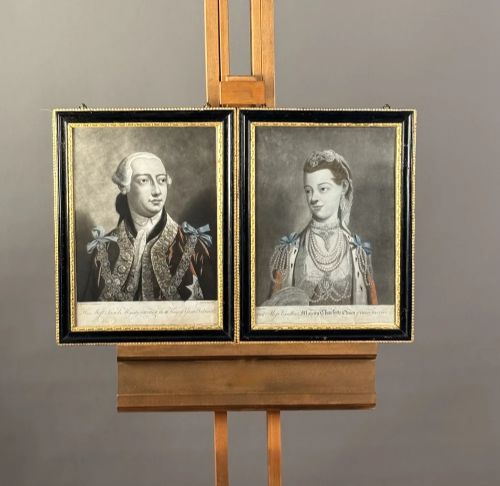
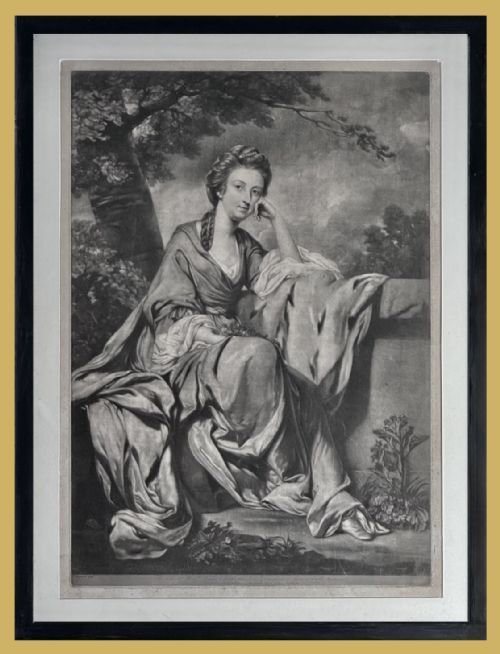
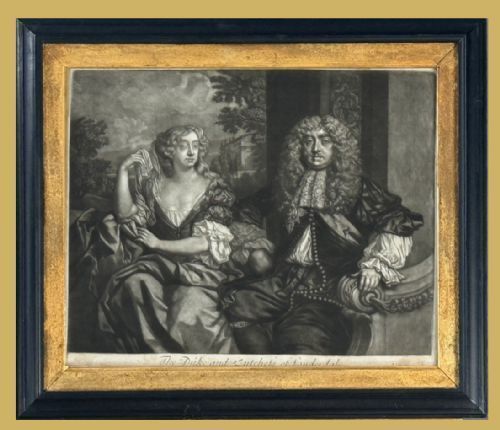
Period portrait prints encompass works executed across the seventeenth, eighteenth, and nineteenth centuries, featuring royals, nobility, and diverse subjects in framed formats. Buyers searching for period portrait prints encounter traditional British mezzotints and engravings alongside Japanese ukiyo-e woodblock prints and reverse glass pieces.
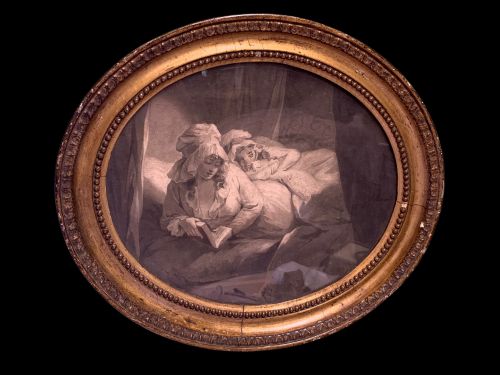
The selections span distinct historical movements such as the Georgian, Regency, Victorian, and Edo periods. Subjects range from monarchs like King George III to domestic family scenes and theatrical figures, reflecting the varied portraiture conventions of their respective eras.
Framing plays an integral role in how these works appear today, with pieces housed in period frames made of ebonised wood, giltwood, or rosewood. Surviving examples often retain their original glass and mounts, preserving the complete historical object for display on walls.
Materials and Techniques
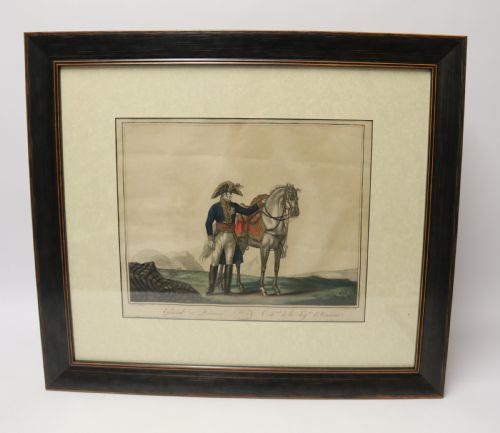
Printmakers utilised paper as the primary medium for impressions created through techniques such as mezzotint, engraving, etching, lithography, and woodblock printing. Hand-colouring was frequently applied to enhance monochrome engravings and military prints with subtle tones.
Frames and glazing were constructed from wood, glass, and gold leaf, incorporating ebonised finishes, giltwood mouldings, and dome-fronted glass. Silk brocade mounts occasionally complemented Japanese woodblock prints within rosewood frames.
Period Portrait Prints Retail Price Guide 2026
Typical asking prices for period portrait prints among the pieces listed under this phrase on Sellingantiques today, from the lower quarter to the upper quarter. They describe what is for sale here now, not the wider market.
Listings feature works spanning the seventeenth to the twentieth centuries, utilising paper, glass, ebonised wood, and gold leaf.
Evaluating Quality and Execution
Quality rests upon the clarity of the impression from the plate or block and the fidelity of the print to the original painting or drawing. Finer mezzotints and engravings display delicate tonal gradations and sharp linework that retain their depth.
The integrity of the accompanying frame and mount contributes significantly to the overall character of the piece. Works retaining their original period frames, whether giltwood, Hogarth styles, or ebonised wood, demonstrate superior preservation.
Thomas Frye·Richard Purcell·Edward Fisher·Sir Joshua Reynolds·John Smith·Thomas Murray·James McArdell·Jeremiah Meyer·Robert Williams·Sir Peter Lely·George Romney·Kitagawa Utamaro·Van Dyck·Kunisada·Adam Buck·Herbert Dicksee
The Period Portrait Prints Glossary
- Mezzotint
- A printmaking process where the copper plate is roughened to produce dark tones and rich areas of black. It allows for smooth gradations of light and shade, making it popular for eighteenth-century portraits.
- Woodblock print
- An image carved into a block of wood, inked, and pressed onto paper. This technique is central to Japanese ukiyo-e works.
- Reverse glass print
- An artwork painted or printed directly onto the underside of a glass sheet and viewed from the front. This technique produces a glossy surface finish.
- Stipple engraving
- A method of creating images on metal plates using dots rather than continuous lines. It generates soft flesh tones and gentle contours.
- Ebonised wood
- Timber treated to resemble ebony, presenting a dark, polished finish. It frequently appears on traditional frames from the seventeenth and eighteenth centuries.
Period Portrait Prints: Frequently Asked Questions
How do I care for framed prints?
Keep prints away from direct sunlight to prevent fading of the paper and any hand-applied watercolours. Maintain stable room temperatures to protect wood frames and historical paper from moisture damage.
Ensure that hanging hardware remains secure, and dust glass surfaces gently with a dry, soft cloth without spraying cleaning solutions directly onto the frame.
What is a mezzotint portrait?
A mezzotint is an intaglio printmaking method where the artist works from dark to light by roughening a copper plate. This technique creates velvety dark areas and smooth tonal transitions.
Such prints were widely used in the seventeenth and eighteenth centuries to reproduce oil paintings of prominent figures.
How can I identify a period frame?
Period frames often exhibit construction methods, joinery, and patination specific to centuries like the Georgian or Victorian eras. Materials such as giltwood, ebonised timber, and Hogarth mouldings indicate the prevailing framing styles of the time.
Original backing boards, old nails, and historic glass can also confirm that the frame belongs to the era of the print.
Where were woodblock prints made?
Japanese woodblock prints were produced during periods such as the Edo era through collaborative workshops involving publishers, designers, carvers, and printers. Artists like Utamaro and Kunisada created designs that were transferred to blocks for printing.
These works frequently depicted actors, landscapes, and traditional scenes.