

Period Portrait Painting Female
Period portrait painting female captures elite or everyday sitters across centuries through meticulous brushwork and enduring materials.
Period Portrait Painting Female
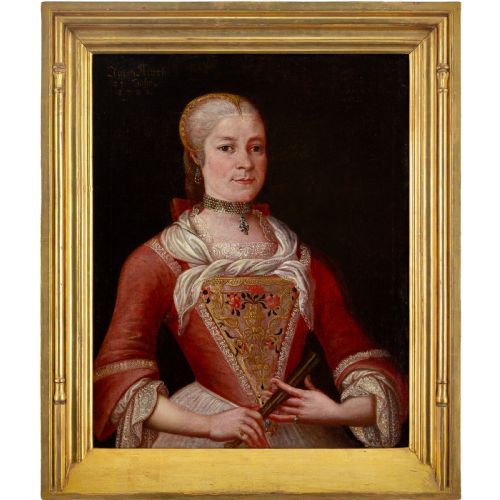
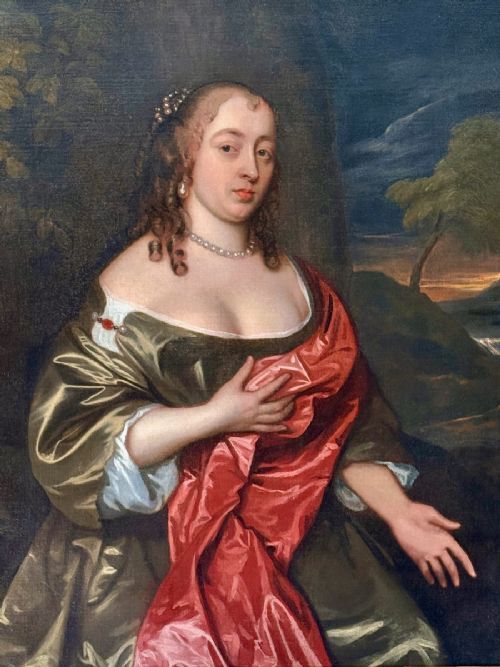
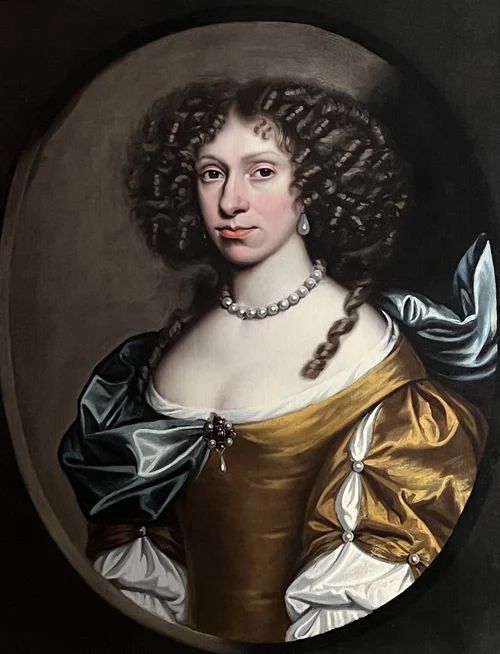
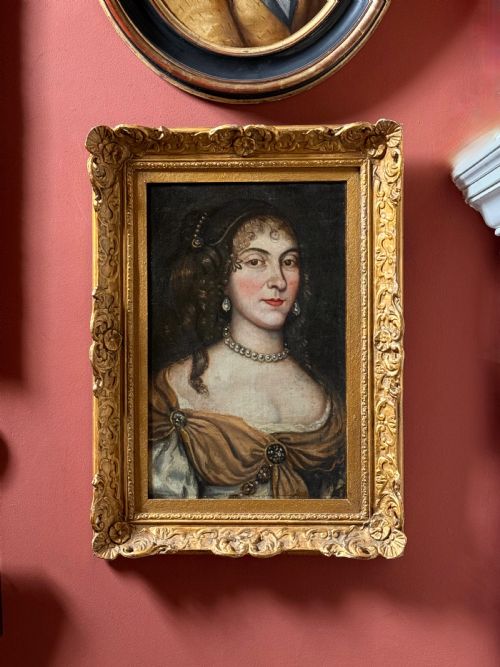
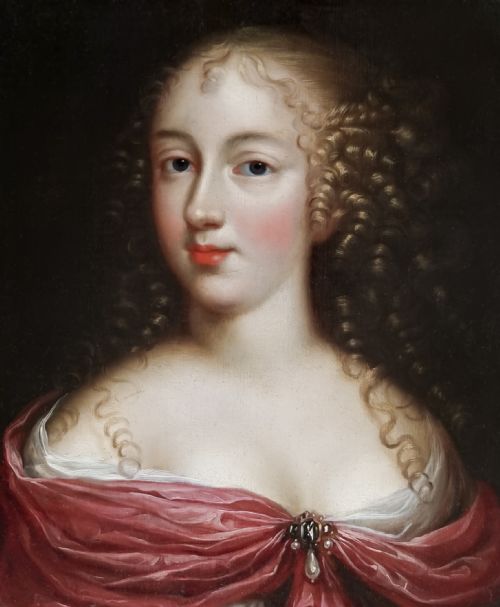
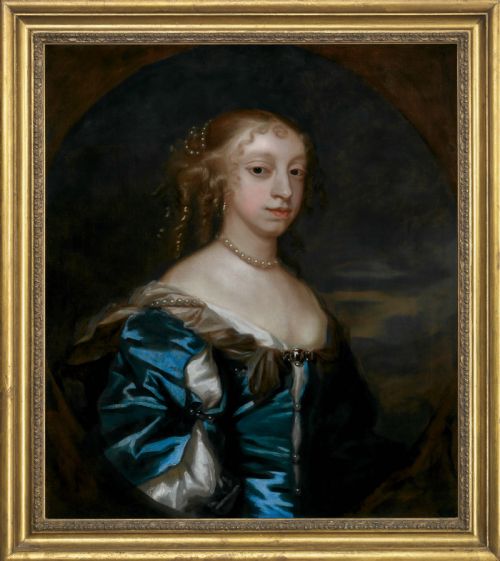
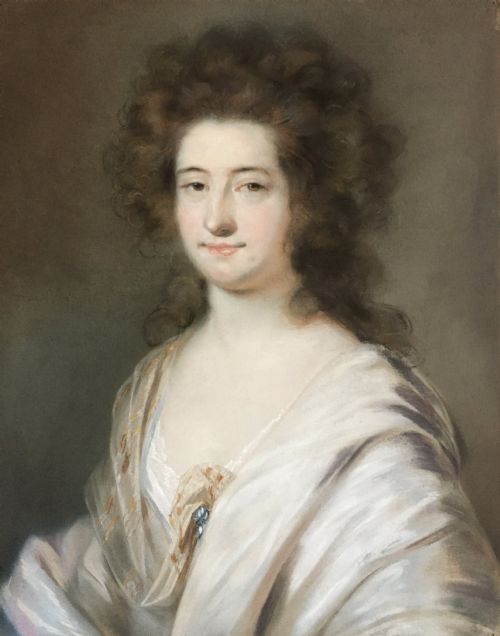
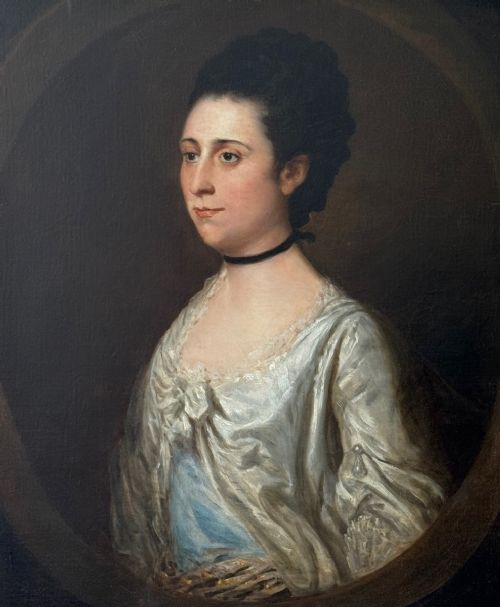
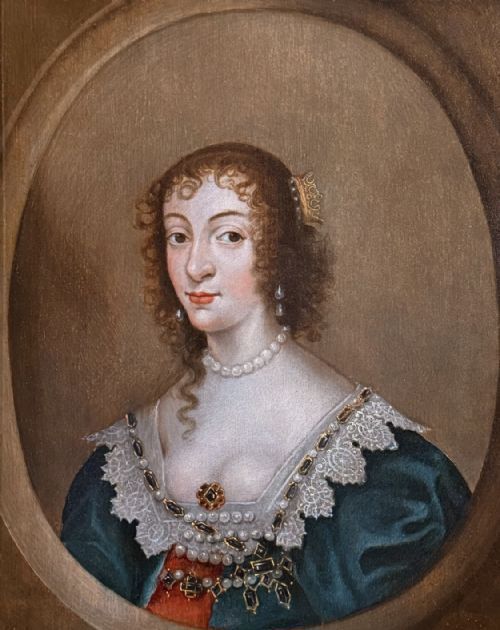
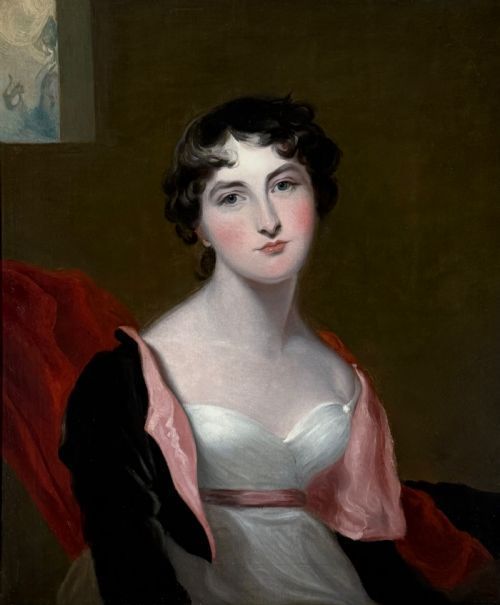
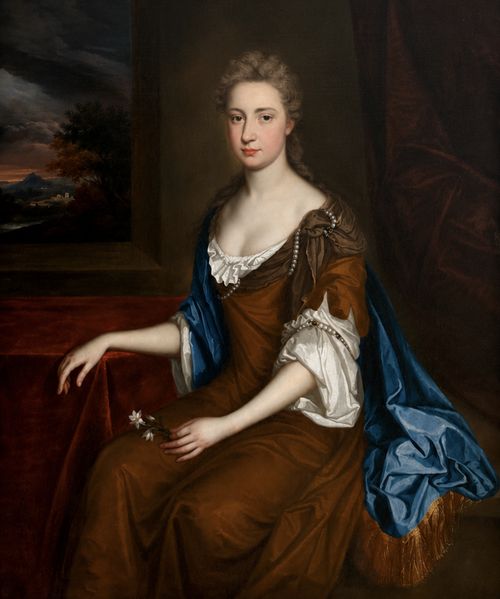
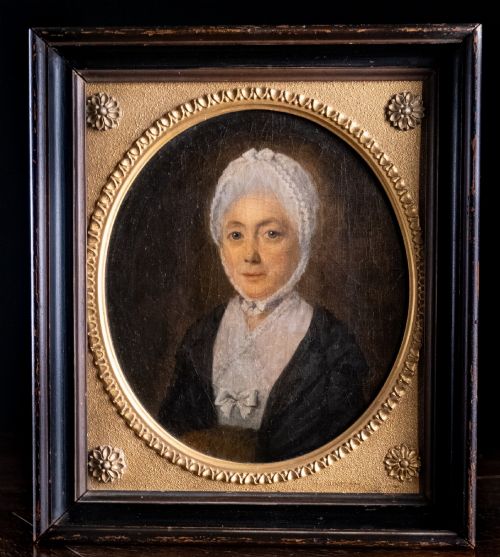
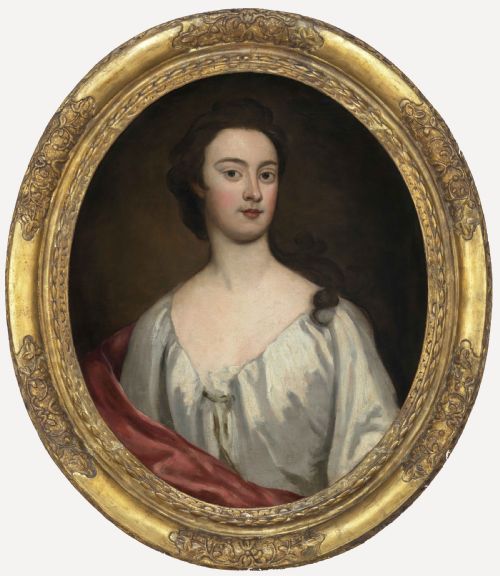
A period portrait painting female centres on likenesses of women, girls, and noblewomen produced during historical eras spanning the seventeenth, eighteenth, and nineteenth centuries. Buyers encounter diverse regional schools, including English, Dutch, Bavarian, and French examples, capturing sitters ranging from aristocratic ladies to young society figures.
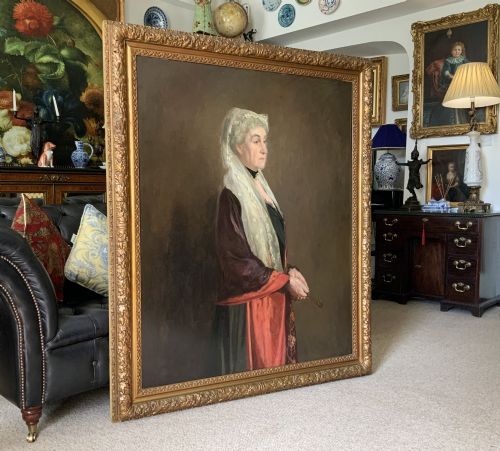
Dated canvases from the seventeenth and eighteenth centuries sit alongside Victorian and Edwardian examples, offering a chronological sweep of female portraiture. Subjects appear in elaborate costume, silk dresses, or simpler attire, reflecting the changing fashions of their respective periods.
Materials and execution
Artists built these works primarily using oil paint applied to prepared canvas or wooden panels, utilising ground pigments mixed with oil binders. Panels provided a rigid support common in earlier seventeenth-century works, while canvas gained widespread use for larger compositions.
Draftsmen also employed pastel, watercolour, and gouache on paper for delicate portrait miniatures and works on paper. Master painters worked within studios or schools, applying gold leaf and giltwood to frame the finished portraits.
Several noblewomen gaze out accompanied by faithful spaniels and garden posies.
Assessing quality in historical portraits
The refinement of facial modelling and the rendering of textiles, lace, and jewels separate accomplished studio output from more formulaic provincial works. Superior compositions demonstrate confident handling of light across fabrics like silk, satin, and velvet, alongside anatomical precision in the sitter's hands and face.
The integrity of the original surface, the presence of legible contemporary signatures or documentation, and the survival of period frames contribute significantly to a piece's standing. Works tied directly to named artists, circles, or documented schools command greater scholarly and aesthetic interest.
John Hayls·David Scougall·Pierre Mignard·Thomas Beach·Sir Thomas Lawrence·Jeremiah Davison·Cornelius Johnson·Henry Pickering·Allan Ramsay·John Greenhill·Nicolaes Maes·Sir Godfrey Kneller·John Robert Dicksee·Pierre Gobert·Emma Kendrick·F Winterhalter
The Period Portrait Painting Female Glossary
- Oil on canvas
- A painting technique where oil paint is applied to a stretched woven fabric support. This method allowed artists to create rich textures and subtle tonal gradations.
- Panel painting
- An artwork executed on a flat piece of wood rather than canvas. Wooden supports frequently appear in earlier centuries before canvas became the standard.
- Portrait miniature
- A small, highly detailed painting, often executed in watercolour and gouache on vellum, ivory, or paper. These intimate items were frequently commissioned to commemorate family members.
- Pastel portrait
- A work created using powdered pigment sticks pressed into a paste and applied to paper. This medium produces a soft, velvety surface texture.
- Giltwood
- Wood that has been coated with a thin layer of gold leaf or powder. Period frames often utilised this technique to complement the richness of the oil paintings within.
Period Portrait Painting Female: Frequently Asked Questions
What defines a period portrait painting female?
These artworks are historical depictions of women and girls executed in mediums such as oil, pastel, and watercolour. They originate from specific eras including the seventeenth, eighteenth, and nineteenth centuries.
Subjects range from noblewomen in elaborate court attire to young ladies captured in domestic settings. Each piece reflects the artistic conventions and portraiture styles of its particular decade.
How were these historical portraits created?
Artists typically applied oil paints to prepared canvas supports or wooden panels using traditional bristle brushes. Painters built up layers of pigment to capture skin tones, garments, and background landscapes.
Works on paper utilised pastel sticks or watercolour pigments applied with fine brushes. Completed pieces were frequently housed within decorative giltwood frames characteristic of the period.
How should I display an antique portrait?
Display these paintings away from direct sunlight and damp environments to protect the organic materials of the canvas, wood panel, and historical pigments. Stable indoor humidity prevents warping in wooden supports.
Ensure the hanging hardware securely supports the weight of the piece, especially for large Victorian or Edwardian canvases in heavy giltwood frames.
How do I identify the period of a portrait?
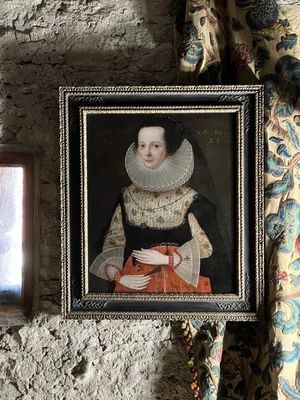
Examine the sitter's costume, hairstyle, and collar design, as historical fashion shifted rapidly across the seventeenth, eighteenth, and nineteenth centuries. Elaborate lace ruffs point to earlier decades, while simpler silk dresses often suggest later periods.
Support materials also offer clues, with wood panels dominating early works and stretched canvas becoming standard later. Inscribed dates, signatures, or historical labels on the reverse provide definitive chronological markers.