



Period Paper Artwork
Period paper artwork encompasses historical drawings, watercolours, and prints spanning the eighteenth, nineteenth, and early twentieth centuries, prized for their delicate detail and direct connection to past draughtsmanship.
Period Paper Artwork
Period paper artwork brings together a diverse array of historical works on paper, ranging from Georgian and Regency hand-tinted prints to Victorian watercolours and Art Deco drawings. Buyers searching this category encounter original paintings, framed prints, woodblock prints, and sketches created across multiple centuries.
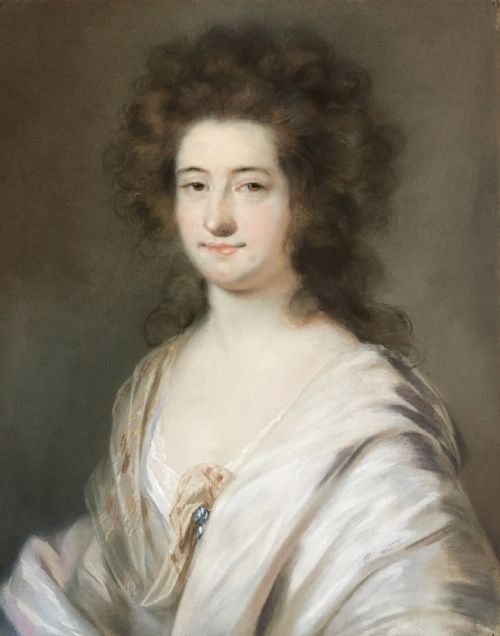
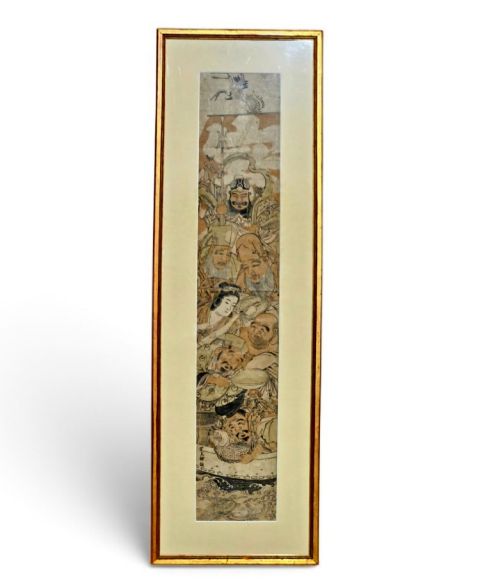
The selections frequently feature portraiture, academic life studies, and landscape scenes, alongside Japanese Ukiyo-e woodblock prints from the Edo period. Works span the eighteenth century through to the 1930s, reflecting shifts in European and Asian artistic movements.
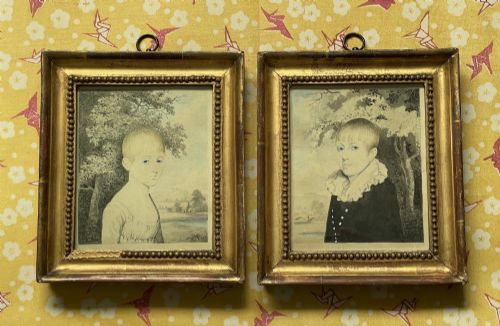
Buyers are most likely to meet framed watercolours, ink drawings, and nineteenth-century prints on this page, often preserved behind glass in period wood frames. These items provide a direct window into historical domestic life, travel, and academic training.
How they were made
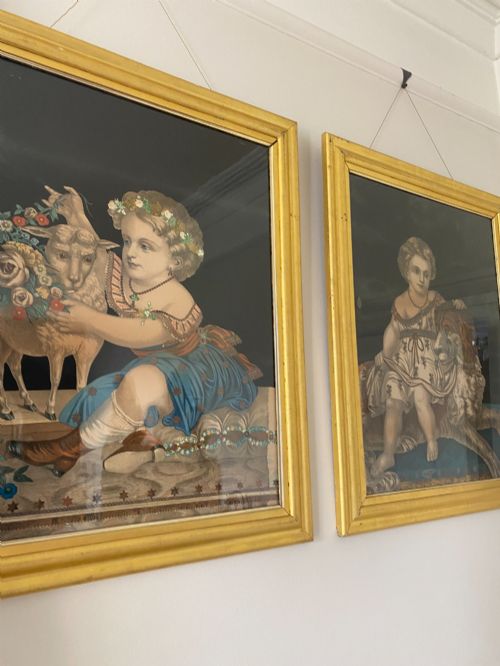
The pieces utilise traditional media applied to paper supports, including watercolour, ink, graphite, pastel, and charcoal. Many works incorporate supplementary elements such as gold leaf or metal embellishments applied to clothing on prints.
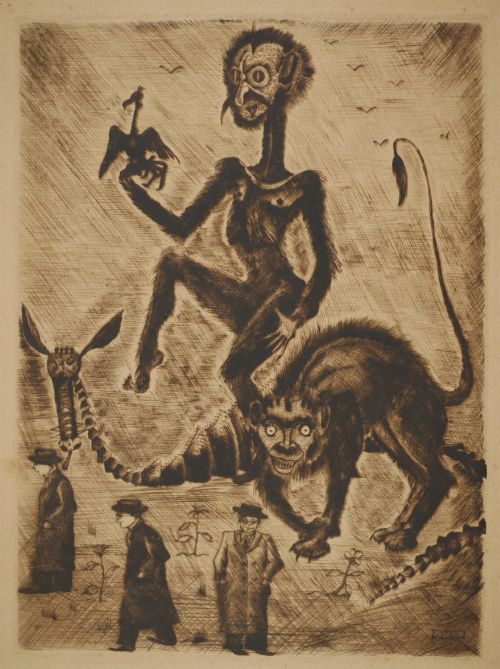
Printmakers employed techniques like etching, mezzotint, lithography, and traditional Japanese woodblock carving. Hand-colouring was frequently added after printing to enhance the visual depth of historical illustrations and portraits.
Framing materials typically consist of wood and glass to protect the fragile paper surfaces from environmental damage and moisture over time.
Period Paper Artwork Retail Price Guide 2026
Typical asking prices for period paper artwork among the pieces listed under this phrase on Sellingantiques today, from the lower quarter to the upper quarter. They describe what is for sale here now, not the wider market.
One travel agency poster from 1930 advertises a scenic trip with the intriguing subject Cannibals with Tourist.
What varies in quality
The standard of draughtsmanship and the strength of the composition distinguish finer works from ordinary examples, particularly in academic life studies and portraiture. The precision of the ink line, the handling of watercolour washes, and the clarity of the impression in printed works dictate the overall merit.
The preservation of the paper support and the retention of original colour intensity greatly influence the standing of a piece. Works that retain their crisp detail, original margins, and contemporary framing demonstrate superior historical integrity compared to heavily faded or trimmed examples.
Edward Fisher·Katsukawa Shunshō·John Russell·Robert Williams·Henry Arthur Roberts·Philip Richard Morris·John Augustus Atkinson·Thomas Woolnoth·Edith E Caswall·Takashi Nakayama·Frederick Thomas Baynes·Albert Terry·Henri Josephe Hesse·Henry Bird·Herbert Dicksee·Kunisada
The Period Paper Artwork Glossary
- Mezzotint
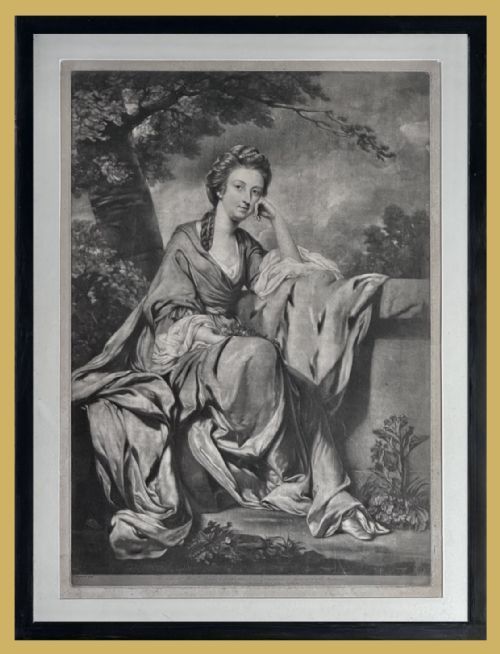
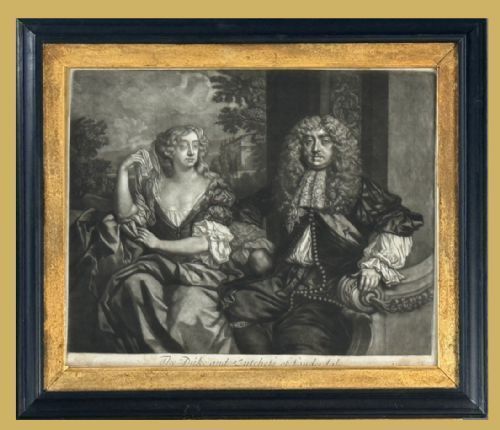
- A printmaking process of the intaglio family where the plate is roughened to achieve tones and dark fields. This technique allows for subtle gradations of light and shade in historical portraiture.
- Ukiyo-e
- A genre of Japanese art flourished from the seventeenth through nineteenth centuries, depicting scenes of everyday life and landscapes. These woodblock prints are celebrated for their flat planes of colour and bold outlines.
- Silhouette
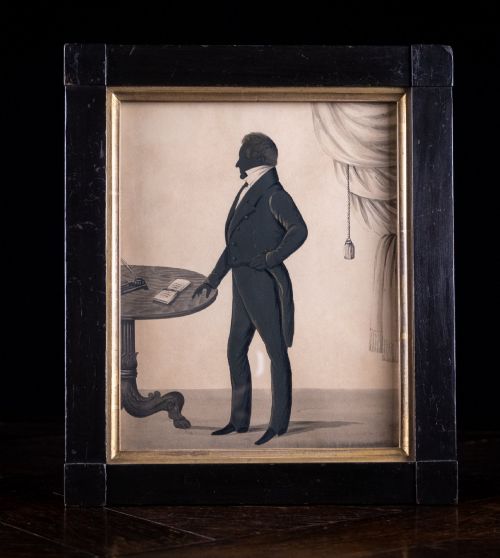
- A portrait cut from black paper or painted on a solid background, profiling a subject. These portable likenesses were widely produced during the Georgian and Regency eras.
- Academic life study
- A drawing or painting of a nude figure produced as part of formal artistic training. Such works highlight the draughtsman's anatomical precision and mastery of proportion.
- Etching
- A printmaking method where lines are incised into a metal plate through acid biting before ink is applied. The resulting impressions capture fine, linear details characteristic of period graphic art.
Period Paper Artwork: Frequently Asked Questions
How should I display period paper artwork safely?
Display these works away from direct sunlight to prevent the watercolour pigments, inks, and paper supports from fading. Maintaining stable room humidity protects the delicate paper and prevents warping within the frame.
Ensure the framing uses conservation-grade backing materials and glass that blocks ultraviolet light. Professional mounting preserves the physical stability of historical sheets over decades of exhibition.
How do I identify a woodblock print?
Woodblock prints display characteristic flat areas of pigment and fine grain transfer from the carved wooden blocks. Close inspection reveals the slight indentations where the block pressed into the paper fibres.
Japanese examples often carry publisher marks or artist signatures within the border. The texture of the paper remains distinct from standard European printing stock.
What is an academic life study?
An academic life study is a detailed drawing or painting of a human figure executed by an artist during formal training. These pieces focus on accurate anatomy, shading, and the play of light over the form.
They frequently date from the eighteenth and nineteenth centuries and serve as evidence of rigorous technical instruction. Such works offer insight into historical studio practices.
How do I date a silhouette portrait?
Silhouettes from the Georgian and Regency periods are usually identifiable by the costume details of the sitter, including hairstyles, cravats, and high-waisted dresses. The style of the enclosing frame often corresponds to the manufacturing decade.
Painted examples from the early nineteenth century frequently feature delicate highlights in gold leaf or white pigment. Hand-cut paper profiles generally rely on precise scissor work without preparatory pencil lines.