


Period Panelled Coffer
A period panelled coffer offers robust timber storage rooted in centuries of English craftsmanship and domestic history.
Period Panelled Coffer
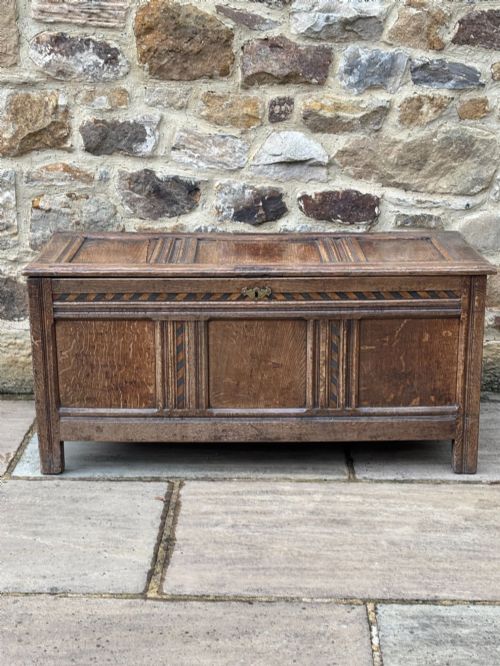
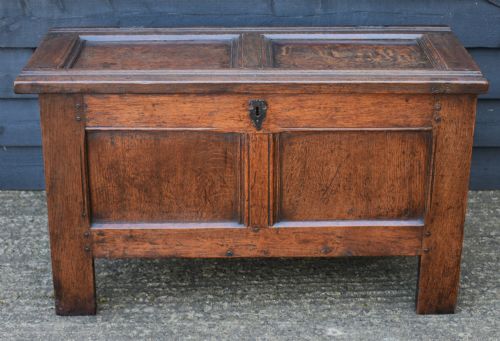
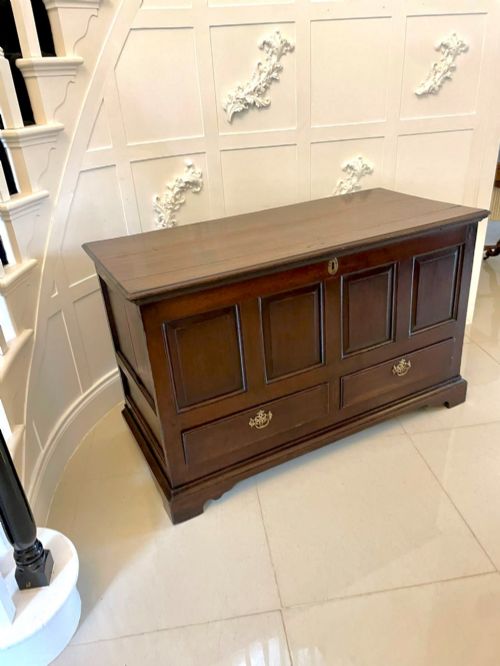
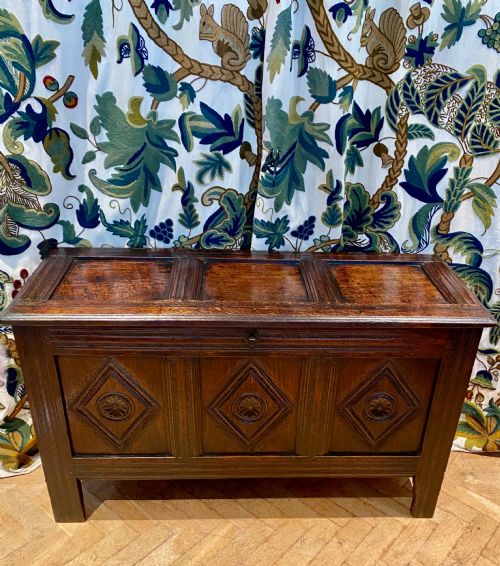
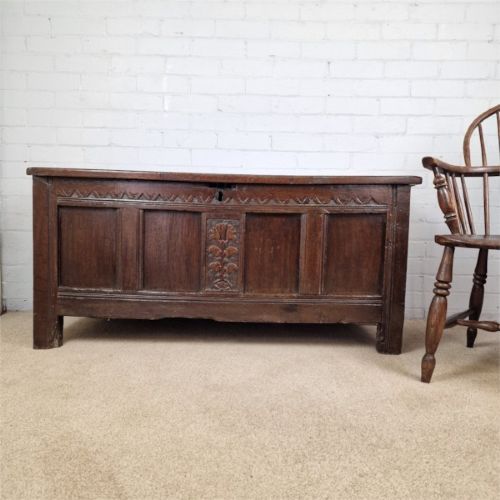
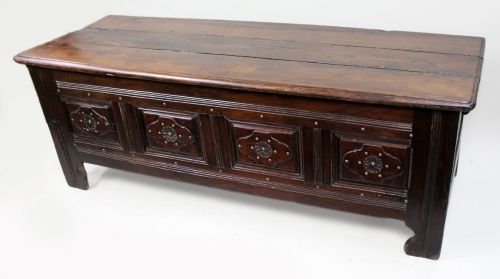
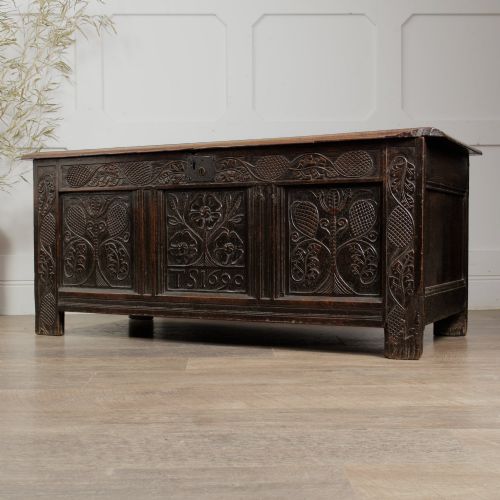
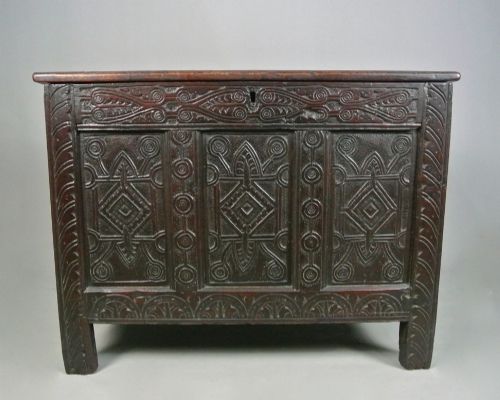
A period panelled coffer is a heavy wooden chest constructed with frame and panel technique to hold household textiles and valuables. When you search for this phrase, you encounter heavy oak examples spanning the sixteenth, seventeenth, and eighteenth centuries.
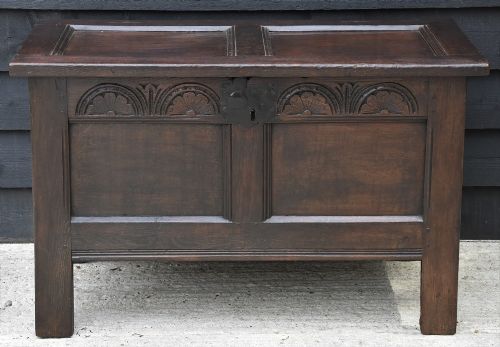
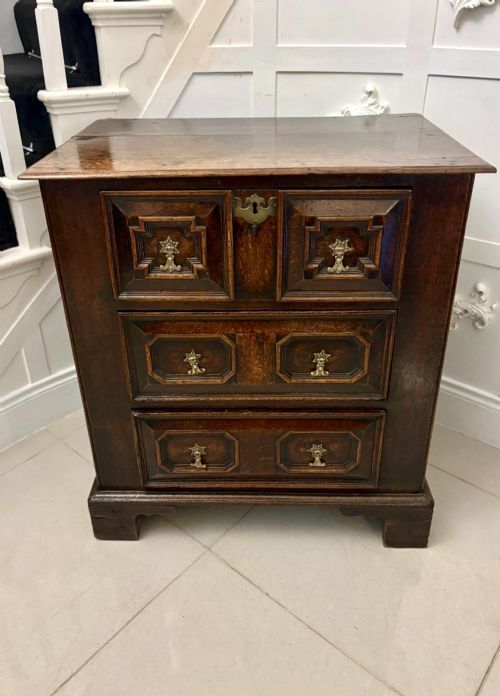
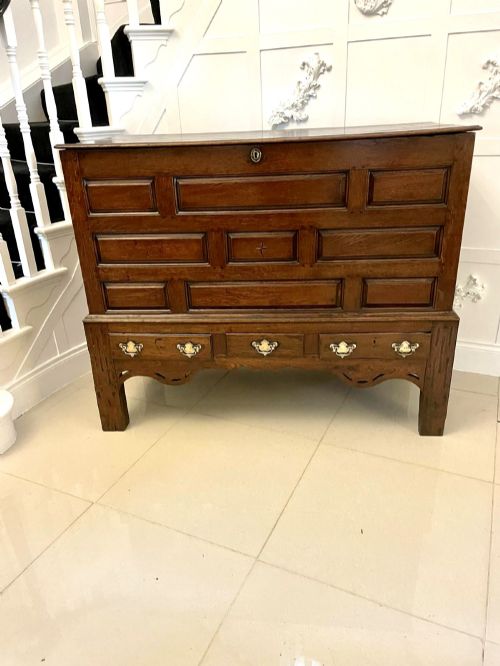
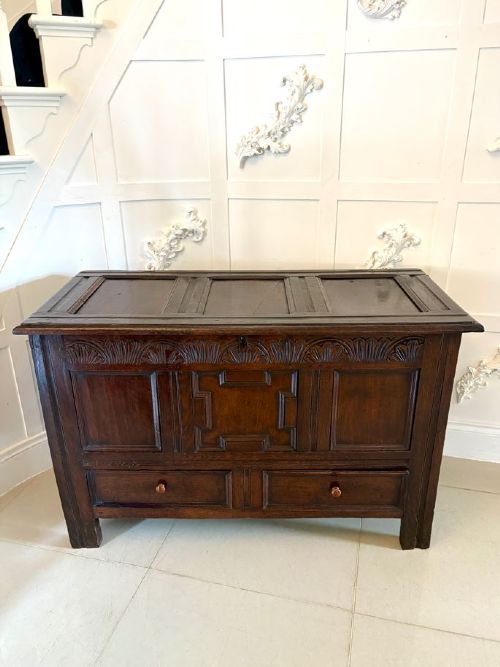
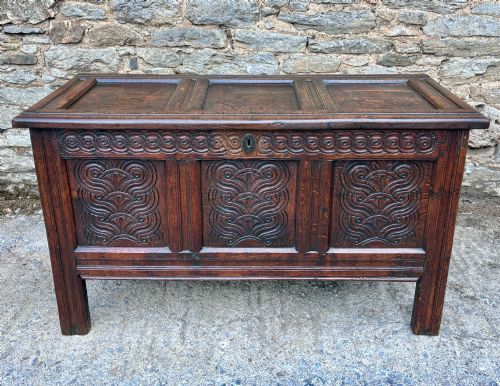
The sixteenth and seventeenth-century pieces frequently display carved friezes, geometric mouldings, and joined construction typical of the Jacobean, Elizabethan, and Charles II periods. Later eighteenth-century examples extend into mule chests featuring lower drawers or simpler panel configurations.
Proportions vary from small box formats intended for tabletops or benches to large floor chests. Many retain original hinges, iron locks, and distinct regional characteristics from places such as Wales or Dorset.
Materials and construction
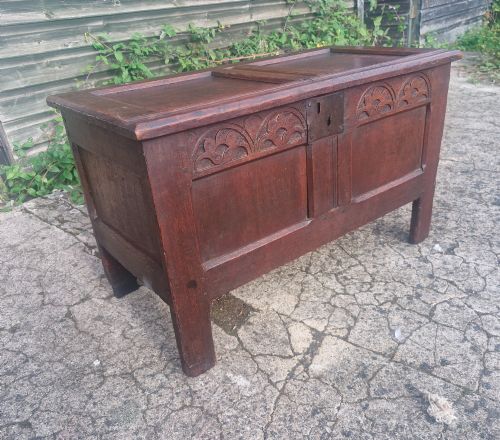
Makers built these pieces primarily using English oak, shaped with hand tools into stiles, rails, and inset panels. This frame and panel method allowed the wood to expand and contract naturally with seasonal humidity changes without splitting.
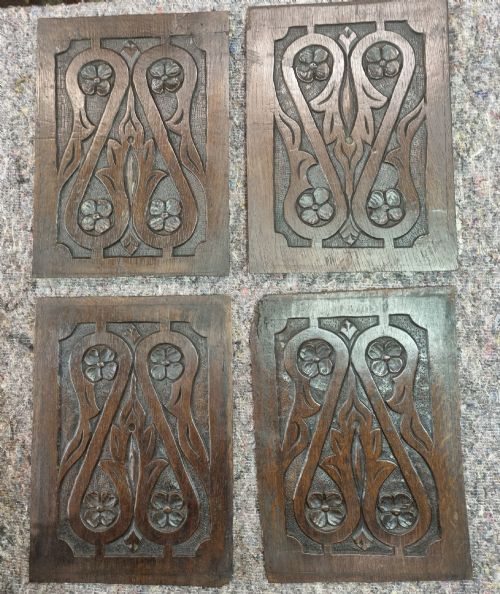
Surface ornamentation relied on depth rather than applied veneers, utilising gouge carving, punchwork, and occasionally marquetry inlay using contrasting timber and brass accents. Iron hardware, including strap hinges and lock plates, secured the heavy lids.
Period Panelled Coffer Retail Price Guide 2026
Typical asking prices for period panelled coffer among the pieces listed under this phrase on Sellingantiques today, from the lower quarter to the upper quarter. They describe what is for sale here now, not the wider market.
Evaluating the standard
Quality rests in the crispness of the original carving, the integrity of the joined frame, and the survival of surface patina. Pieces retaining their original floor boards, robust hinges, and untouched timber surfaces command greater interest.
Excessive replacement of structural oak, altered lids, or later-cut carving diminish the historical value. Small proportions and documented regional origins, such as Welsh or Dorset pieces, also distinguish finer examples.
The Period Panelled Coffer Glossary
- Panelling
- A method of framing thin boards inside thicker grooved stiles and rails to prevent warping. This technique defines the structural appearance of sixteenth and seventeenth-century boxes.
- Mule chest
- A storage chest equipped with one or more drawers beneath the main compartment. This form bridges the traditional coffer and the chest of drawers.
- Joined oak
- Furniture constructed using mortise and tenon joints secured with wooden pegs rather than metal nails. It represents standard seventeenth-century carpentry practice.
- Marquetry inlay
- Decorative patterns formed by fitting contrasting pieces of wood into prepared recesses on the surface. This technique appears on select seventeenth-century examples.
- Patina
- The deep sheen and surface character developed by oak over centuries of handling, polishing, and ageing. It serves as an indicator of genuine age.
Period Panelled Coffer: Frequently Asked Questions
What were coffers originally used for?
Households utilised coffers to store precious textiles, woollens, documents, and valuables securely. The heavy lid and iron lock protected contents from theft and dampness in early homes.
Over time, these chests also doubled as benches or tables within domestic spaces. Their sturdy construction allowed them to withstand heavy daily use across generations.
How do I date a panelled coffer?
Dating relies on observing construction methods, joint types, carving styles, and timber characteristics. Sixteenth and seventeenth-century pieces typically feature pegged mortise and tenon joints with hand-split oak panels.
Stylistic clues such as Elizabethan strapwork, Jacobean geometric mouldings, or inscribed dates help narrow the period. Regional traits and original hardware provide further chronological markers.
Are replacement hinges common on these?
Many surviving coffers have undergone repairs to their working parts, including hinges and locks, due to centuries of heavy use. Original iron strap hinges are valued when present.
Buyers should examine how the lid attaches to the back rail and whether ironwork matches the expected period of the oak frame.
How should I care for old oak?
Keep wooden coffers away from direct heat sources and dramatic humidity fluctuations to prevent the oak panels from cracking. Regular application of traditional beeswax helps maintain the surface patina.
Avoid modern liquid polishes that can penetrate unsealed wood or alter the historic finish built up over centuries.