

Period Oil Painting Art
Period oil painting art brings centuries of portraiture and narrative work into domestic interiors through historic canvases and panels.
Period Oil Painting Art
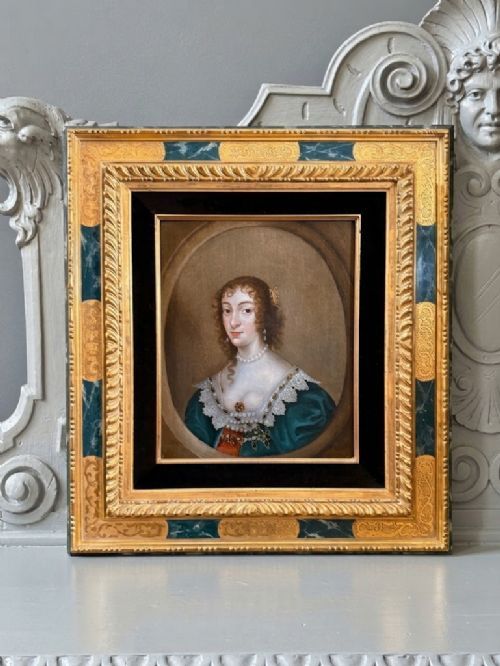
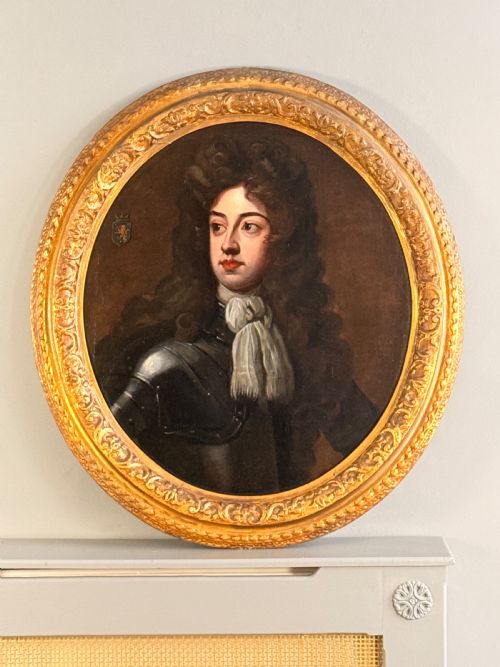
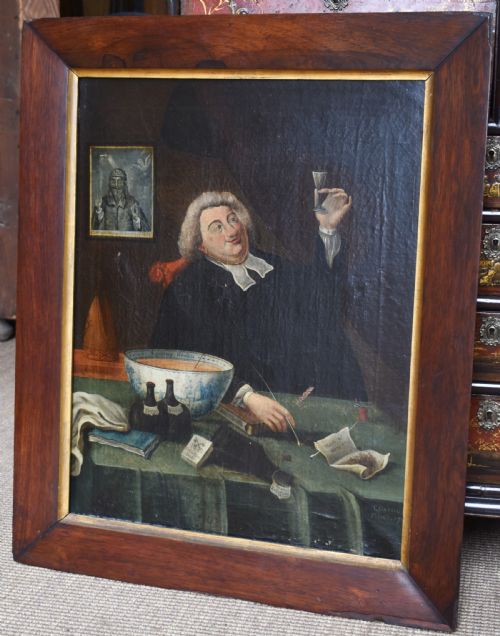
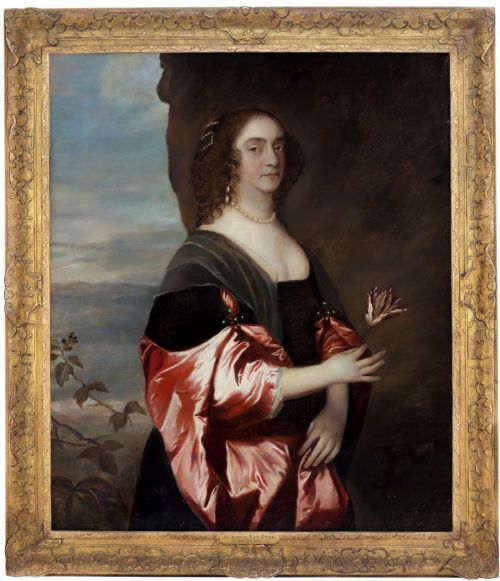
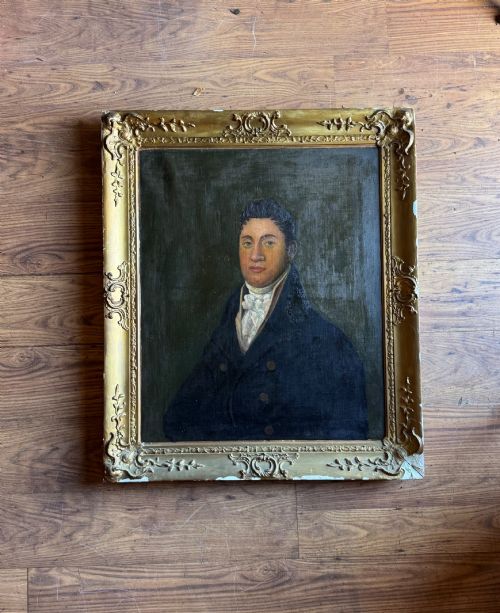
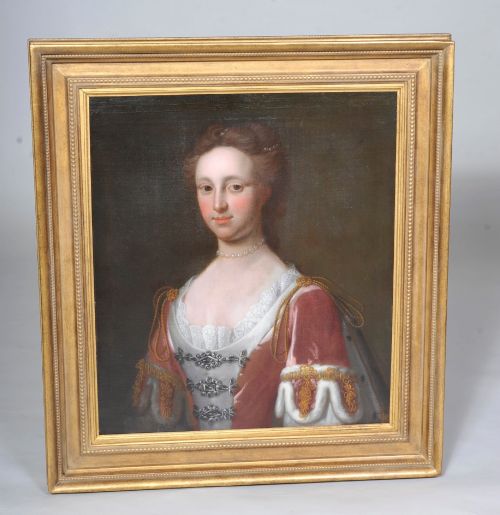
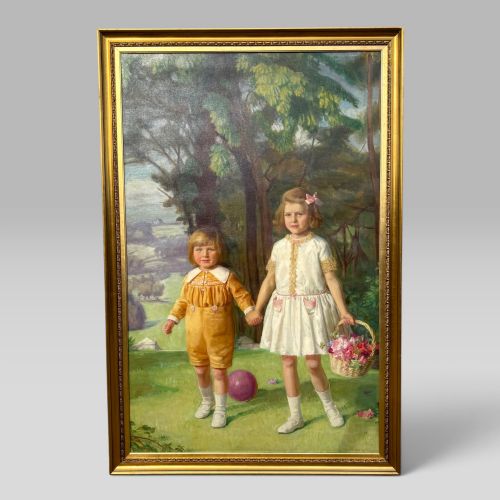
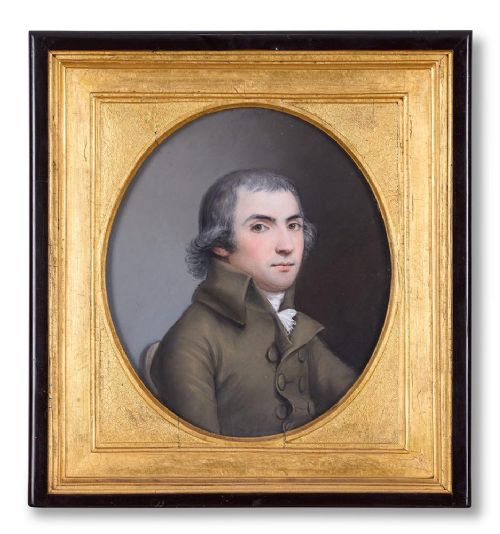
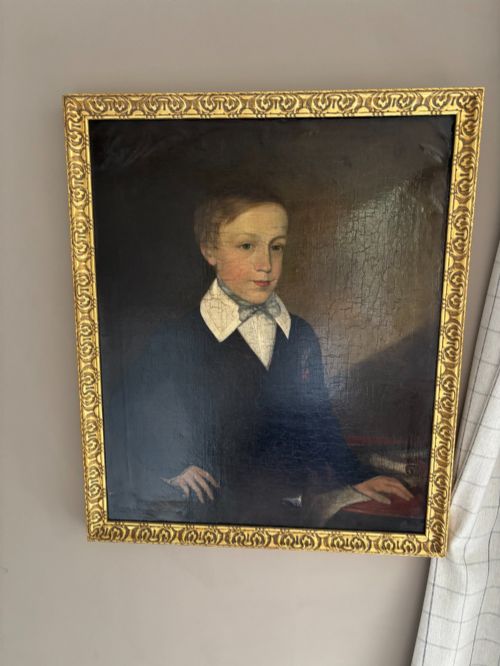
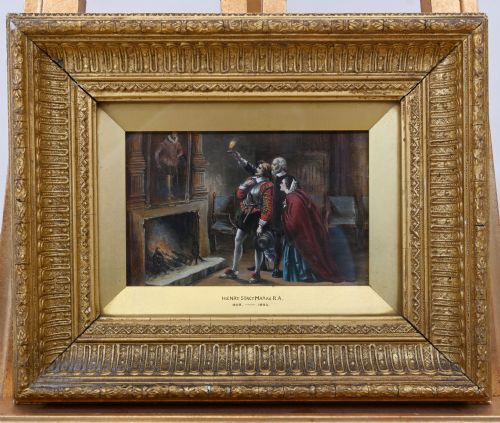
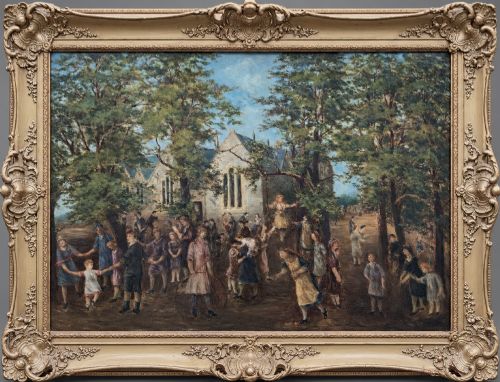
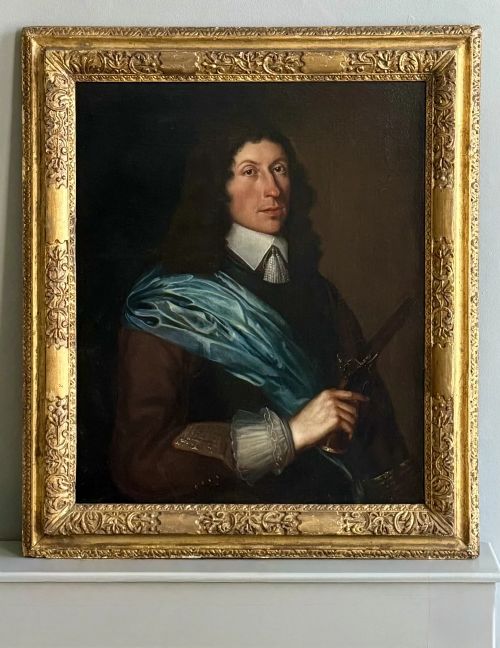
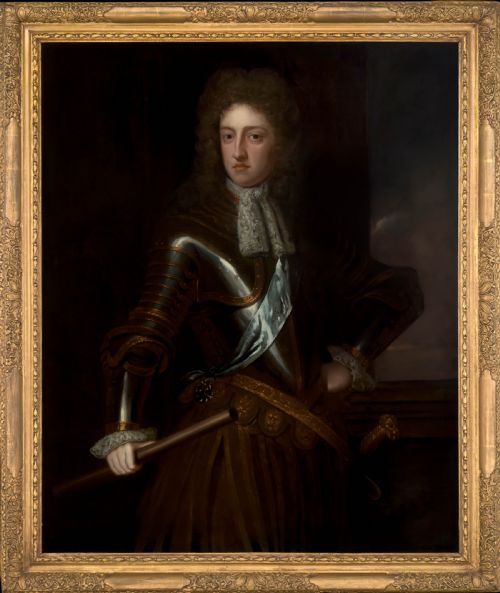
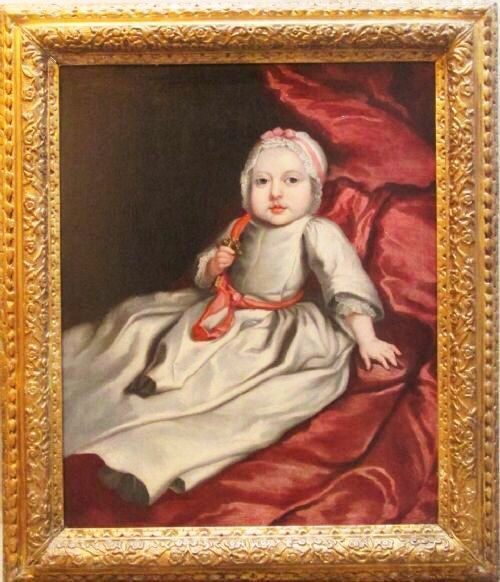
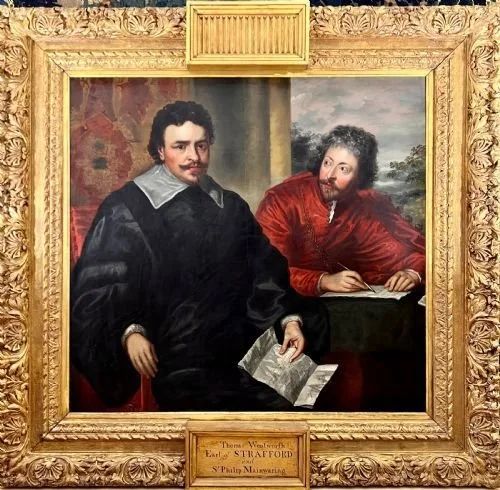
Period oil painting art encompasses works executed on canvas and wood panel across the sixteenth through early twentieth centuries, with a strong representation of seventeenth- and eighteenth-century British portraiture. Buyers encounter formal half-length depictions of nobles, military officers, and scholars alongside genre scenes such as Edwardian village gatherings.
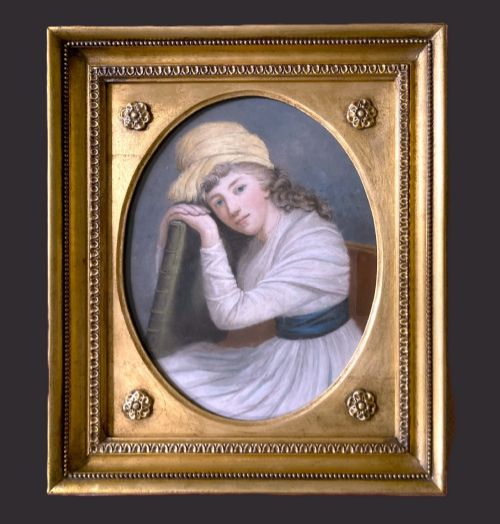
The selection ranges from works attributed to major studios and named regional painters to pieces created by anonymous continental and British schools. Subjects wear the heavy lace ruffs of the Jacobean era, the elaborate silk garments of the Restoration, or the simpler attire of the Regency period.
How They Were Made
Makers applied oil paint using organic pigments bound in oils, such as linseed, spread across woven canvas supports or solid timber panels. Canvases were typically stretched over wooden frames, while panels utilised prepared boards of oak or similar hardwoods.
Framing often involves period components such as moulded wood embellished with carved gesso and gold leaf. These giltwood surrounds complement the deep varnishes and dark earth tones characteristic of historic oil media.
Period Oil Painting Art Retail Price Guide 2026
Typical asking prices for period oil painting art among the pieces listed under this phrase on Sellingantiques today, from the lower quarter to the upper quarter. They describe what is for sale here now, not the wider market.
Several military sitters gaze out while brandishing pocket pistols or wearing heavy armour, ready for unexpected seventeenth-century board meetings.
What Varies in Quality
Quality rests primarily in the anatomical precision of the hands and face, the handling of drapery textures, and the psychological presence conveyed by the sitter. Master painters achieved subtle gradations of skin tone and light that lesser studio assistants missed.
The degree of preservation alters the visual impact, particularly where original glazes have thinned or earlier overpainting obscures the artist's initial brushwork. Surviving canvases retaining their untouched ground layers demonstrate greater artistic integrity than heavily restored examples.
Thomas Hudson·Sir Godfrey Kneller·Anna Tonelli·Sir Peter Lely·Michael Dahl·Thomas Murray·David Scougall·Robert Byng·Trajan Hughes·Thomas Beach·Sir Allan Ramsay·Cornelius Johnson·Carlo Ferranti·Mary Beale·Joseph Clover·John Hayls·Joshua Reynolds
The Period Oil Painting Art Glossary
- Oil on Canvas
- A painting technique where oil-based pigments are applied to a stretched woven fabric support. This combination became the standard method for portraiture from the seventeenth century onward.
- Giltwood
- Wood carved and coated with a thin layer of gold leaf or gold paint. Frames created in this manner frequently date to the specific period of the artwork they enclose.
- Panel Painting
- An artwork executed on a flat wooden board rather than fabric. These sturdy supports are typical of earlier sixteenth- and seventeenth-century works.
- Studio of
- A designation indicating the work was produced in the workshop of a master painter, often under their direct supervision or following their established compositions.
- Baroque
- An artistic style spanning the seventeenth and early eighteenth centuries characterised by dramatic use of light, deep shadows, and dynamic movement in portrait subjects.
Period Oil Painting Art: Frequently Asked Questions
How do I date a historic oil painting?
Dating relies on stylistic evidence such as the sitter's costume, hair fashion, and the preparation of the canvas or wood panel. Infrared scans and technical analysis of pigments can provide further chronological markers.
Comparison with documented works by the same school or artist helps narrow the decade of production. Frame styles also offer clues, though frames are frequently replaced over the centuries.
What is the difference between an artist and their studio?
Paintings attributed directly to a named master were executed by their own hand. Works originating from a studio were produced by assistants or pupils following the master's designs and methods.
Studio pieces often incorporate the composition and quality associated with a prominent painter but lack their direct brushwork. These works were common in large portrait workshops of the seventeenth and eighteenth centuries.
How should I care for an antique oil painting?
Display these works away from direct sunlight, high humidity, and rapid temperature fluctuations to prevent the canvas from slackening or the wood panel from warping. Stable atmospheric conditions protect both the oil paint and the underlying ground.
Dust the surface gently with a soft, dry brush without applying pressure or cleaning solutions. Professional conservation should be sought if structural damage or flaking paint occurs.
Why do some portraits feature infrared scan results?
Infrared reflectography reveals underdrawing and preliminary sketches hidden beneath the upper layers of oil paint. This technology assists researchers in viewing the artist's changes and composition adjustments.
Such analysis helps authenticate early works by uncovering signatures, dates, or preparatory lines invisible to the naked eye. It provides tangible data for dating panels from centuries past.