

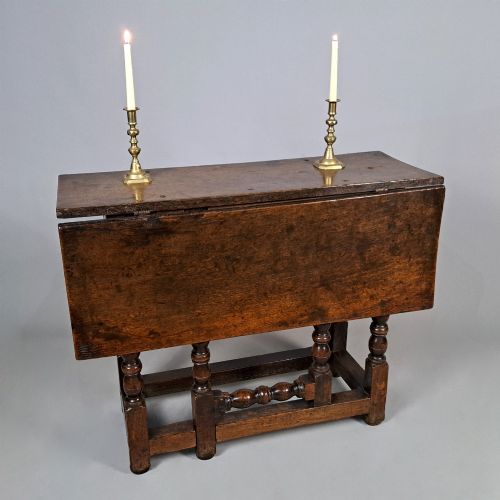

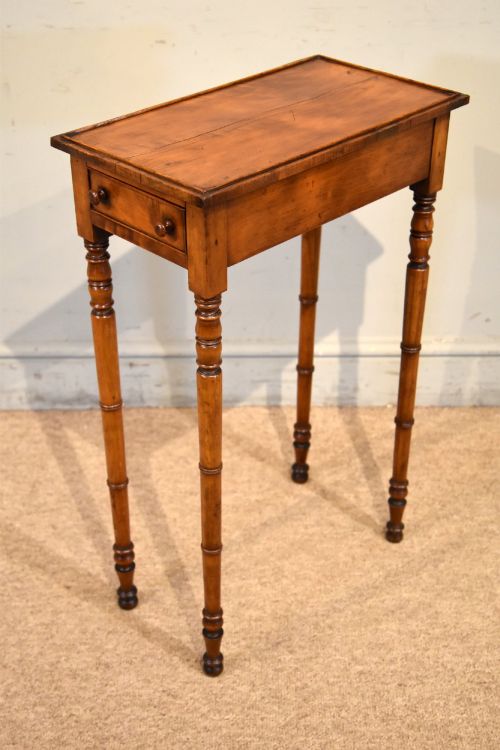
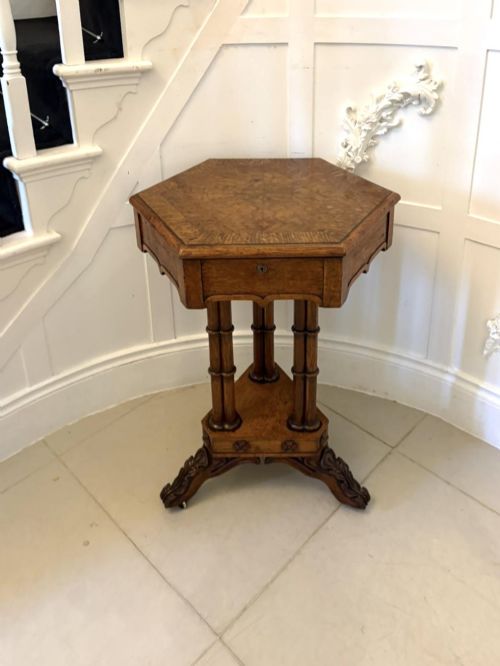
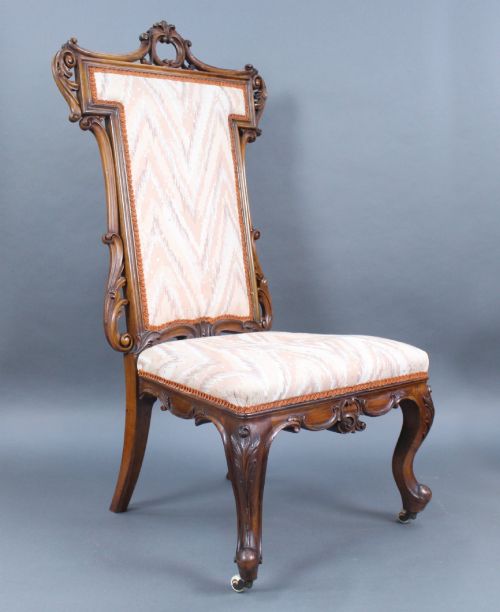
Period Occasional Furniture
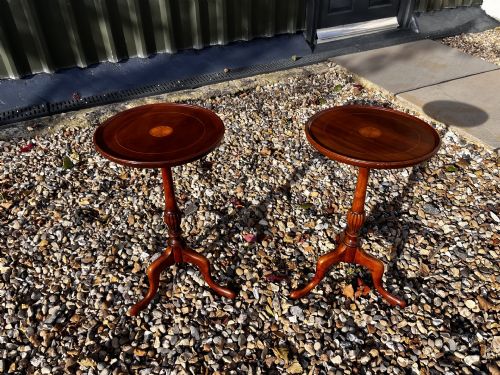
Period occasional furniture brings compact utility and focused historic charm into a room, spanning nimble tripod tables to inlaid work tables.
Period Occasional Furniture
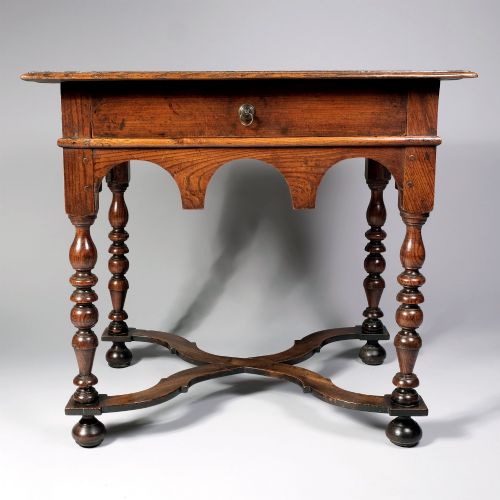
Period occasional furniture encompasses smaller movable pieces designed for specific auxiliary tasks around the home rather than primary seating or dining. When searching for period occasional furniture, buyers encounter versatile items like side tables, Pembroke tables, nests of tables, occasional chairs, and wine tables that served domestic life across centuries.
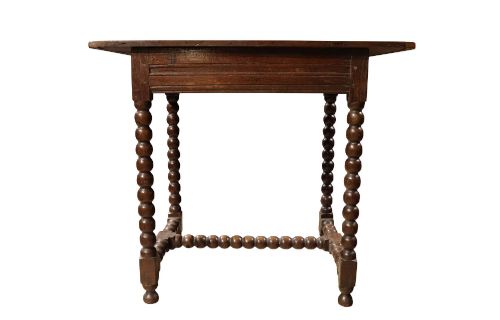
The selections span significant historic eras from the seventeenth century through the Georgian and Regency periods up to the early twentieth century. Oak, mahogany, and rosewood forms dominate, reflecting the prevailing wood choices of British cabinet makers across these varied centuries.
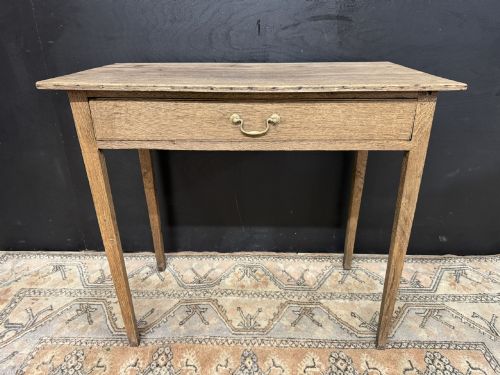
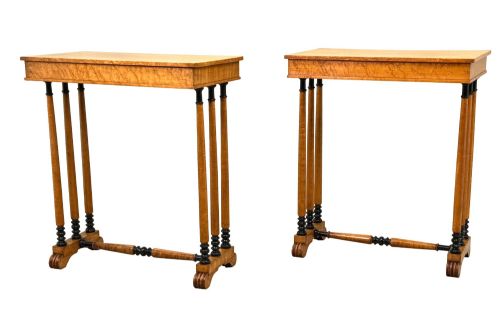
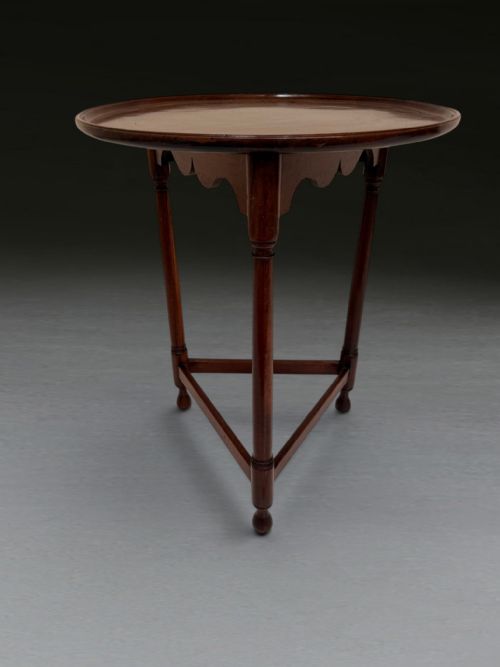
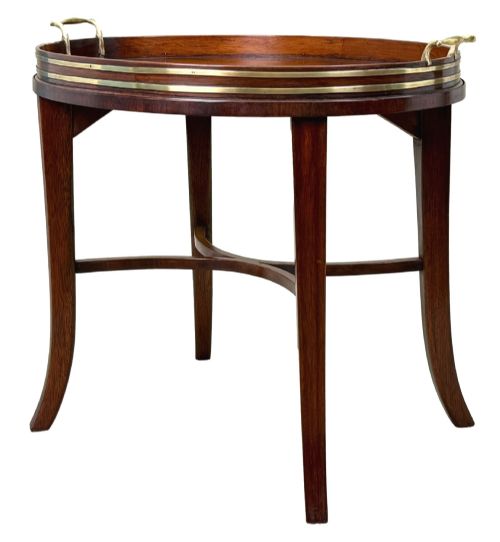
Side tables, cricket tables, and work tables appear frequently on this page, offering functional surfaces that fit beside seating or against walls. These smaller furnishings demonstrate how past households adapted rooms for sewing, reading, writing, and tea service without cluttering the floor space.
Materials and construction
Timber selection dictates the character of these smaller items, with solid oak defining seventeenth-century pieces and rich mahogany or rosewood coming to the fore in Georgian and Regency examples. Cabinet makers utilised native and exotic woods, often incorporating contrasting veneers like birdseye maple, satinwood, and olive alongside holly stringing.
Decorative enhancements relied on specialist craftsmanship, including penwork, brass inlay, and intricate carvings executed on legs, friezes, and borders. Marble tops and giltwood frames also appear among the continental pieces, showing how diverse workshops applied surface ornamentation to tables and chairs.
Structural integrity depended on traditional joinery methods suited to lightweight movable items, such as slender columns on tripod bases, folding legs on coaching tables, and interlocking frames for nests of tables. These construction choices ensured the furniture remained portable yet stable during daily domestic use.
Period Occasional Furniture Retail Price Guide 2026
Typical asking prices for period occasional furniture among the pieces listed under this phrase on Sellingantiques today, from the lower quarter to the upper quarter. They describe what is for sale here now, not the wider market.
Foldable coaching tables made it possible for Georgian travellers to enjoy stable tea service while bouncing across bumpy roads in horse-drawn carriages.
Distinctions in quality
The refinement of timber figure and the precision of decorative inlay separate standard pieces from exceptional examples. Superior items display carefully matched wood grains, crisp brass stringing, and delicate penwork that reveal the artisan's advanced hand.
Proportion and structural grace govern the appeal of smaller tables and chairs, where slender columns, balanced tripod bases, and well-turned legs create visual harmony. Finer pieces maintain structural lightness without sacrificing stability, whereas lesser examples can appear heavy-handed or disproportionate in their scaling.
The retention of original surface patination and authentic hardware contributes significantly to a piece's integrity. Tables that retain their period brass mounts, working mechanisms for drop leaves or lift tops, and untreated timber surfaces hold greater fidelity to their original workshop output.
The Period Occasional Furniture Glossary
- Cricket table
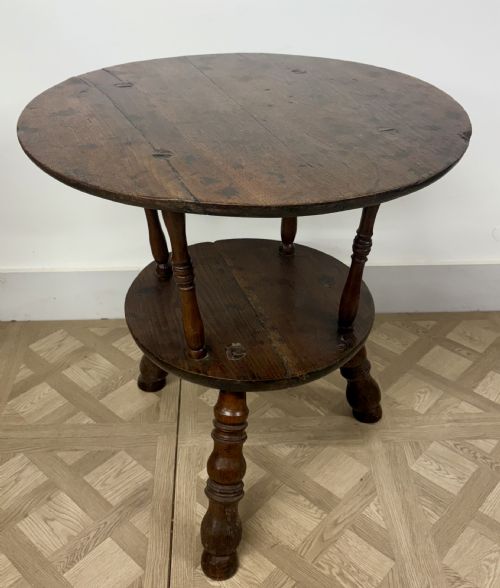
- A small three-legged wooden table originating in the eighteenth century, typically featuring a round top and sturdy pegged construction. These pieces gained their name from their resemblance to the three-legged stools used by cricket players or umpires.
- Pembroke table
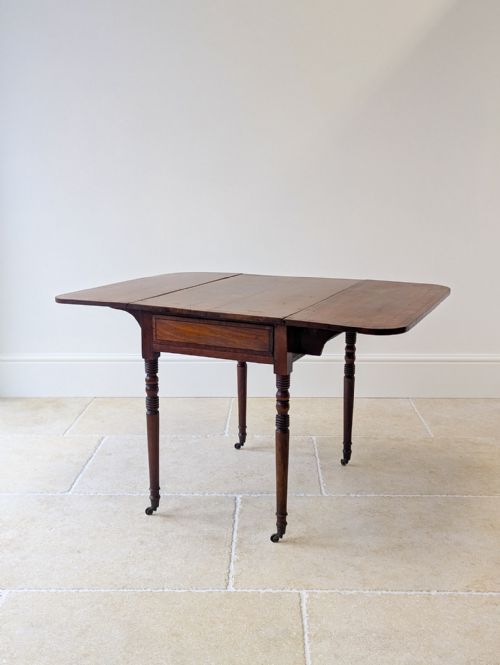
- A drop-leaf table with hinged flaps on either side, introduced in the mid-eighteenth century for breakfast or writing use. They often feature a single drawer and slender tapered legs.
- Sofa table
- A rectangular occasional table designed to stand in front of a sofa, popular during the Regency period. They usually incorporate drop leaves on both short ends and double pedestal or trestle bases.
- Quartetto
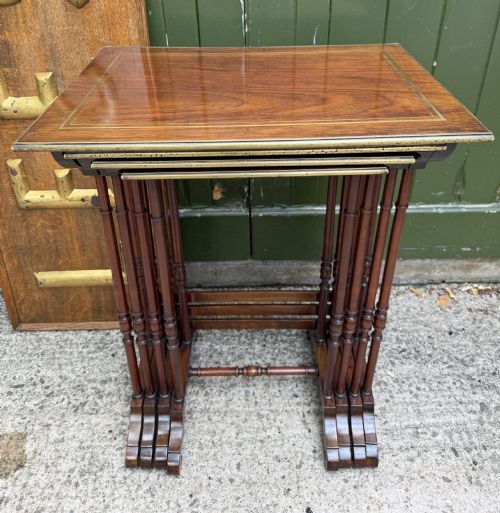
- A set of four graduating tables that nest one beneath another, popularised during the Regency period in rosewood or mahogany. These space-saving designs allowed multiple surfaces to occupy the footprint of a single small table.
- Work table
- A specialised small table fitted with compartments, drawers, or fabric bags for sewing and needlework supplies. Regency examples frequently showcase fine rosewood veneers and brass inlay.
- Low boy
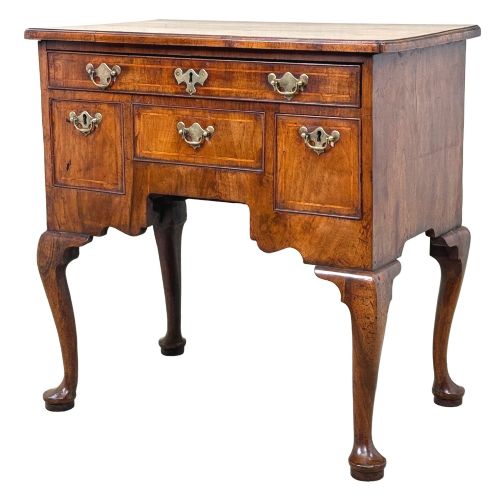
- A small eighteenth-century dressing table or side table with a low profile, typically featuring one or more drawers beneath the top. They are most commonly constructed from solid oak or walnut.
Period Occasional Furniture: Frequently Asked Questions
What is a cricket table?
A cricket table is a small three-legged wooden table with a round top, built for versatility in seventeenth and eighteenth-century homes. Their three-legged design ensured stability on uneven flagstone or rush-strewn floors.
These compact tables served various auxiliary duties around the house, from holding mugs by the hearth to supporting reading materials. Their simple sturdy construction makes them charming additions to modern rustic interiors.
How do I identify a Regency period table?
Regency tables, dating from the early nineteenth century, frequently feature dark exotic timbers such as rosewood and mahogany. Look for characteristic decorative touches like fine brass inlay, sabre legs, and turned pedestal columns.
These pieces often incorporate clever space-saving mechanisms, including nesting sets, fold-over leaves, and lift tops. Their restrained classical lines reflect the architectural influences of the period.
What distinguishes a Pembroke table?
A Pembroke table is distinguished by its rectangular central leaf flanked by two hinged drop leaves on the sides. This clever format allowed households to expand the surface area only when needed for writing, breakfast, or sewing.
Most examples feature a drawer at one end and slender tapered or turned legs. Their adaptable footprint makes them exceptionally practical for smaller rooms or hallways today.