



Period Oak Footstool
A period oak footstool brings solid timber construction and traditional craft into a room, offering both practical seating and historical character.
Period Oak Footstool
The selections available here span several distinct eras, stretching from the seventeenth century through the Georgian period into the early twentieth century. Many examples display regional character, combining traditional joinery with subsequent upholstery in fabric or leather.
How they were made
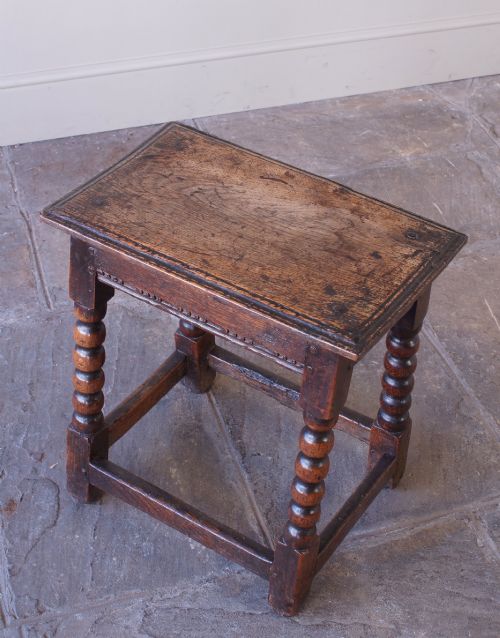
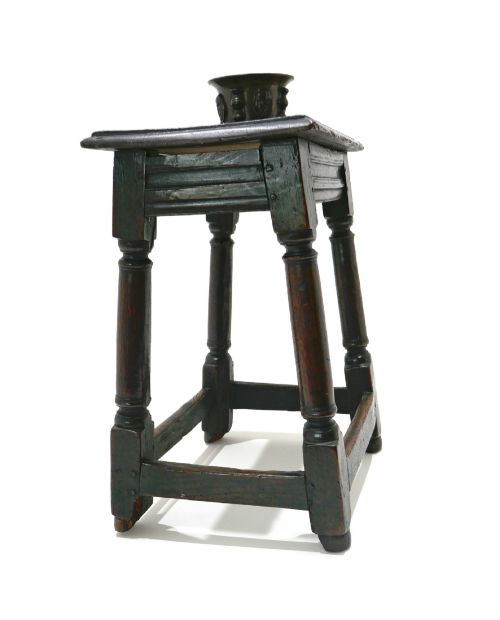
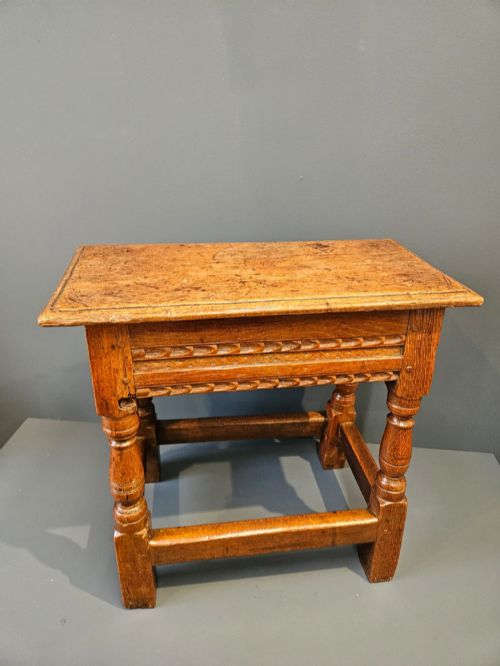
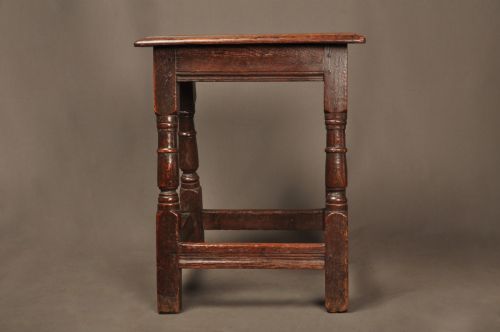
Maker construction relies heavily on solid oak and elm, utilising pegged mortise and tenon joints to build rigid, long-lasting frames. Hardwood timbers are shaped by hand, occasionally augmented with turning on the legs.
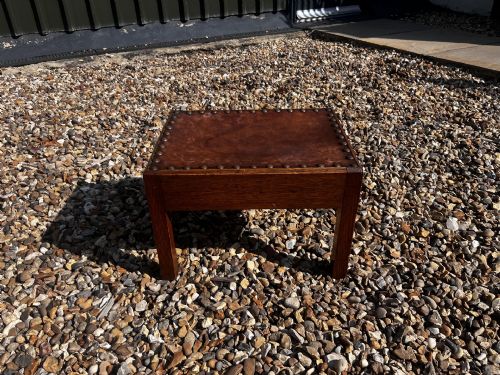
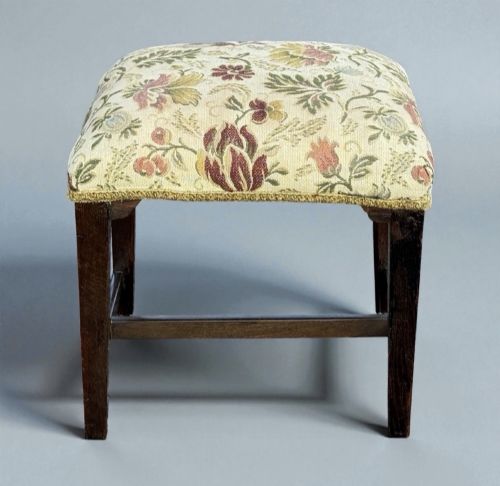
Upholstered versions incorporate textiles, tapestry, and leather secured over stuffing, while other variants leave the bare wooden top exposed to show the grain of the oak.
Period Oak Footstool Retail Price Guide 2026
Typical asking prices for period oak footstool among the pieces listed under this phrase on Sellingantiques today, from the lower quarter to the upper quarter. They describe what is for sale here now, not the wider market.
Several pieces combine traditional seventeenth-century joint stool forms with later nineteenth-century adaptations and upholstery.
What varies in quality
Quality in these items rests upon the integrity of the original timber and the survival of early joinery without excessive modern intervention. Pieces retaining their original pegged construction and surface patination stand apart from those with heavy replacements.
Proportion and decorative restraint also separate standard examples from finer works, particularly where carving or turned supports display confident execution.
Arthur Simpson Of Kendal
The Period Oak Footstool Glossary
- Joint stool
- A traditional wooden stool built with pegged mortise and tenon joints rather than turned or glued legs. These sturdy pieces often served multiple domestic purposes.
- Jacobean
- A style associated with the early seventeenth-century reign of James I, characterised by robust proportions, dark oak timber, and geometric carved decoration.
- Georgian
- The eighteenth-century design era covering the reigns of the Georges, known for refined classical proportions and greater attention to domestic comfort.
- Arts and Crafts
- A late nineteenth-century movement emphasising hand craftsmanship, visible construction methods, and simple forms inspired by medieval traditions.
- Mortise and tenon
- A traditional woodworking joint where a protruding tongue fits tightly into a matching cavity, secured by wooden pegs in older furniture.
Period Oak Footstool: Frequently Asked Questions
What is a joint stool?
A joint stool is a sturdy wooden seat constructed with pegged joinery rather than glued turned legs. They date primarily from the seventeenth and eighteenth centuries.
Originally used as general seating or tables, these pieces now function effectively as low tables or footstools in traditional and modern interiors.
Were these stools always upholstered?
Many early joint stools featured plain wooden tops intended for versatile utility rather than soft seating. Upholstery in leather, fabric, or tapestry often represents later additions.
Some Georgian and Arts and Crafts examples, however, were designed from the outset with padded tops for use as footstools.
Where should I place a footstool?
These compact wooden pieces suit placement beside armchairs or sofas to provide both a practical rest and visual warmth. Their modest footprint allows them to tuck away easily.
Avoid positioning them in direct sunlight or beside intense heat sources to protect the aged oak and textile upholstery from drying out.