

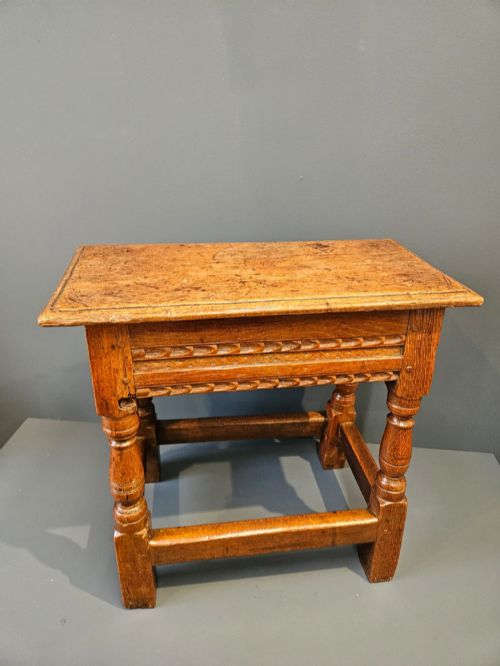


Period Oak Coffin Stool
A period oak coffin stool anchors a room with sturdy timber and centuries of domestic history.
Period Oak Coffin Stool
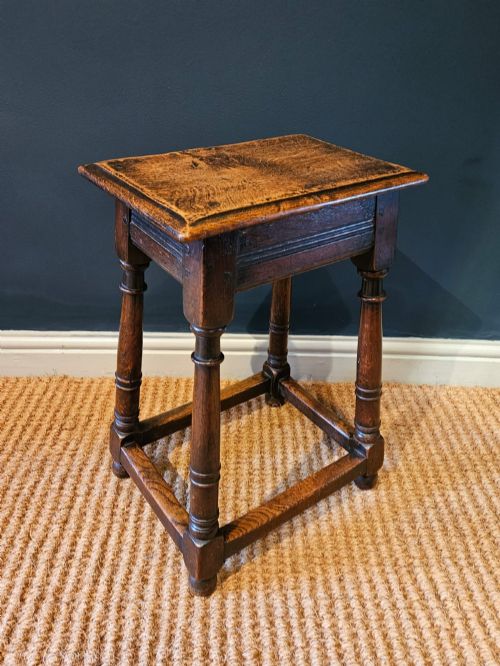
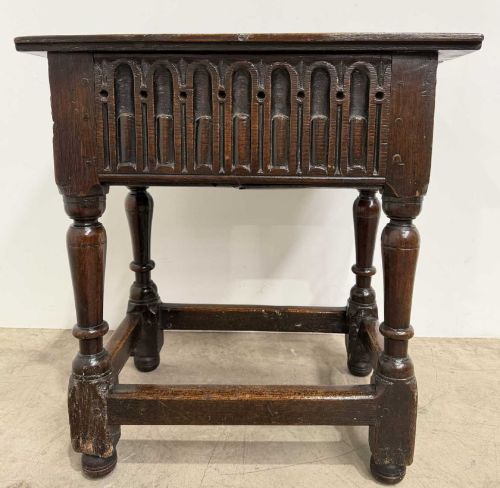
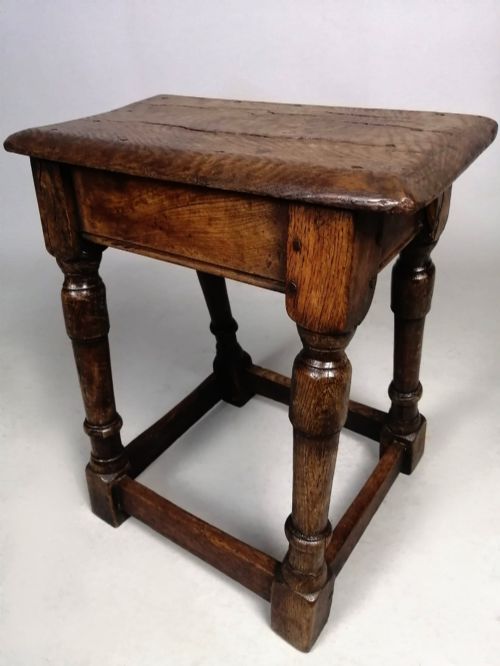
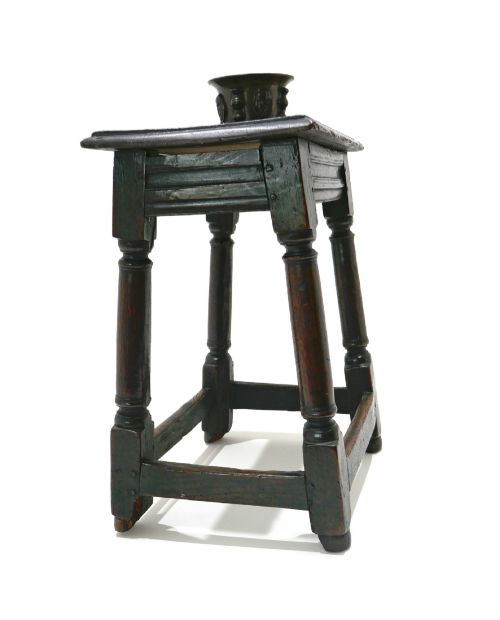
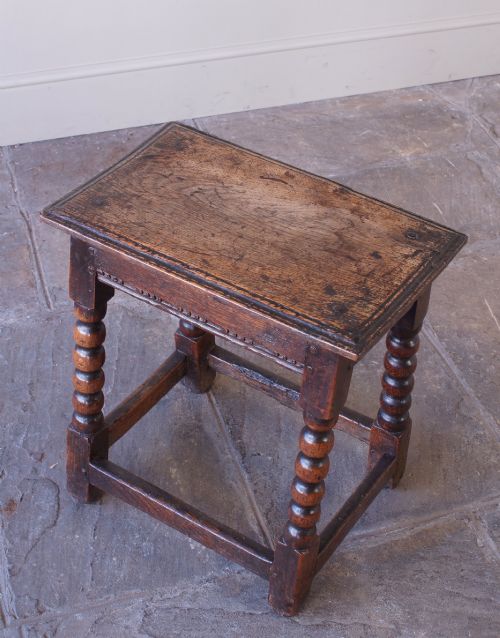
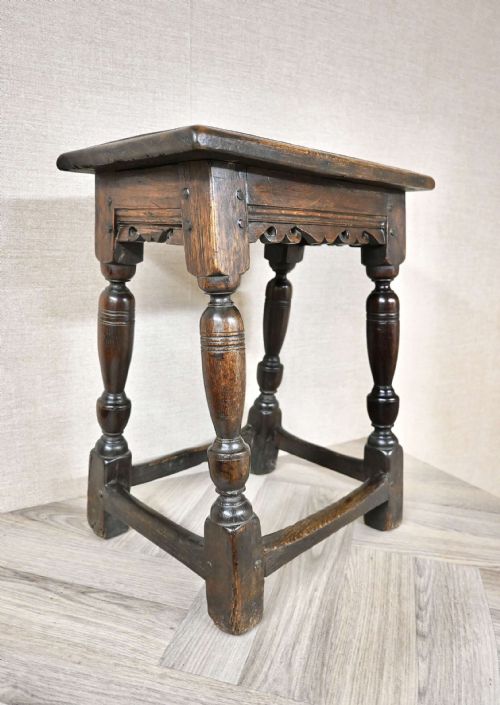
When you search for a period oak coffin stool, you are looking at sturdy wooden seating designed for domestic use and historical utility. These low forms appear primarily as joint stools, sometimes called joined stools, built with rigid rectangular frames.
The versions you are most likely to meet on this page date from the seventeenth century, alongside nineteenth-century revivals and later interpretations. They served versatile household roles long before their association with funeral customs became a modern folklore.
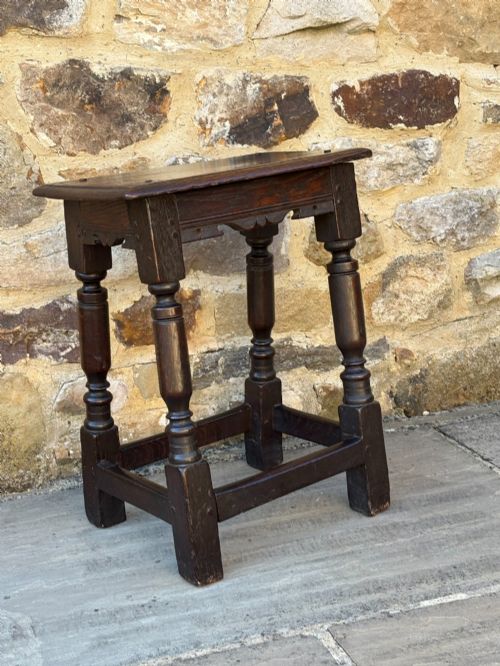
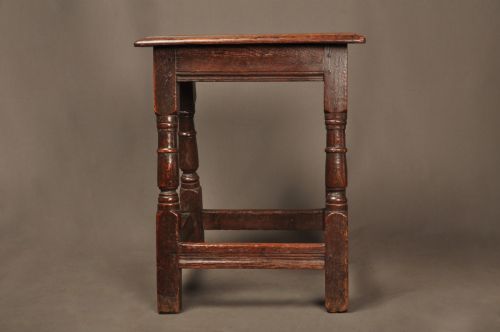
Most examples present straightforward wooden tops supported by four upright legs connected with lower stretchers for stability. Their compact proportions make them adaptable occasional pieces for modern interiors.
How they were made
Joiners constructed these pieces using solid oak, frequently supplemented with elm for specific structural components. Master craftsmen relied on pegged mortise and tenon joints to lock the framework together without modern adhesives.
Iron fixings appear sparingly, as traditional construction depended on tight wooden joints and precise hand-sawed timber. Surfaces were finished by hand, leaving tool marks that record early woodworking methods.
Period Oak Coffin Stool Retail Price Guide 2026
Typical asking prices for period oak coffin stool among the pieces listed under this phrase on Sellingantiques today, from the lower quarter to the upper quarter. They describe what is for sale here now, not the wider market.
Some nineteenth-century makers were so enthusiastic about the seventeenth century that they added fake wear marks to fool guests.
What varies in quality
The distinction between a standard piece and a superior one rests on the integrity of the original timber and the retention of early surfaces. Untouched examples retain their original patination, whereas heavily restored pieces show replaced structural members.
Proportions and leg turnings also separate basic forms from finer examples executed by skilled early joiners. The crispness of edge mouldings and the tightness of the pegged joints indicate the maker's original competence.
The Period Oak Coffin Stool Glossary
- Joint stool
- A sturdy wooden stool constructed using precise joinery rather than simple nailing. These items formed standard seating in early households.
- Mortise and tenon
- A fundamental woodworking joint where a projecting tongue fits snugly into a corresponding cavity. This method provides immense structural strength to the frame.
- Stretcher
- A horizontal wooden brace connecting the legs of a stool to prevent wobble. They also provided a raised platform to keep feet off cold floors.
- Patina
- The surface sheen developed on old wood through decades of handling, light, and polishing. This quality marks genuine age and use.
- Joined stool
- An alternative historical term for a joint stool, emphasising the specialised carpentry involved in its construction.
Period Oak Coffin Stool: Frequently Asked Questions
Were these stools really used for coffins?
Popular tradition often links these items to funeral practices, suggesting they supported coffins during wakes or churchyard services.
In reality, probate inventories from the period record them primarily as everyday seating around the dining table.
How do I spot a seventeenth-century original?
Early pieces display authentic hand-tool marks, pegged joints, and timber shrinkage consistent with centuries of age.
Revival pieces from later periods often feature machine-cut elements and different timber coloration beneath the surface.
Where should I place one at home?
Their compact size allows them to function effectively as side tables, bedside surfaces, or occasional seats in a hallway.
Keep them away from direct heat sources and sudden humidity changes to protect the dry historic timber.
What is the difference between oak and elm here?
Oak served as the primary structural wood for frames and tops due to its density and straight grain.
Elm occasionally appears in secondary components, valued for its resistance to splitting when pinned.