
Period Oak Carving
Period oak carving represents centuries of timber working, bringing heavy chests, joint stools and wainscot armchairs into domestic spaces.
Period Oak Carving
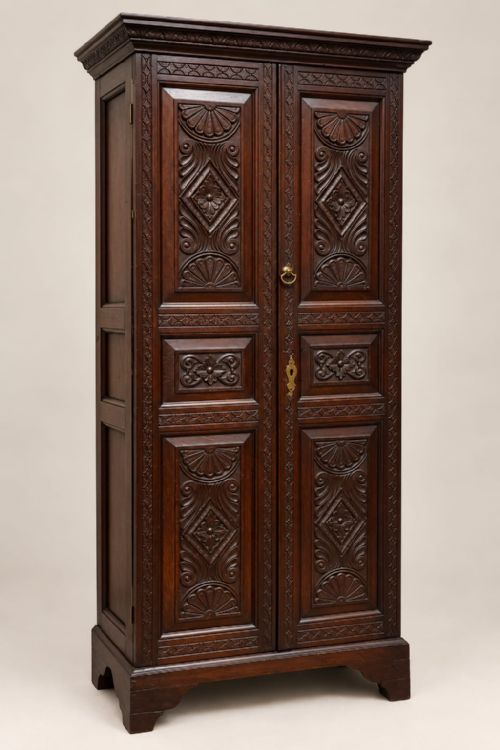
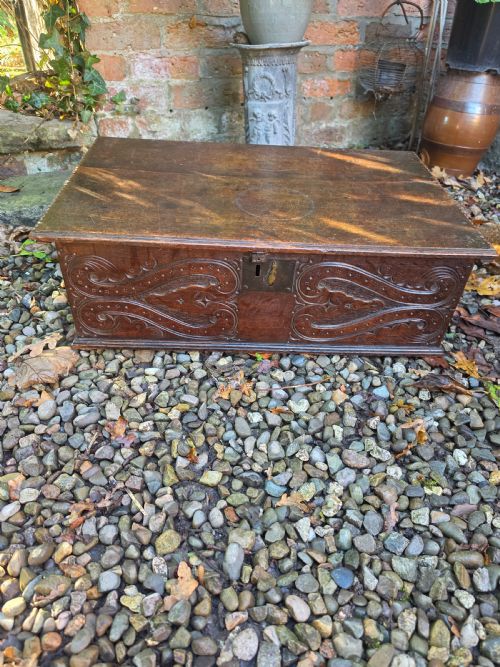
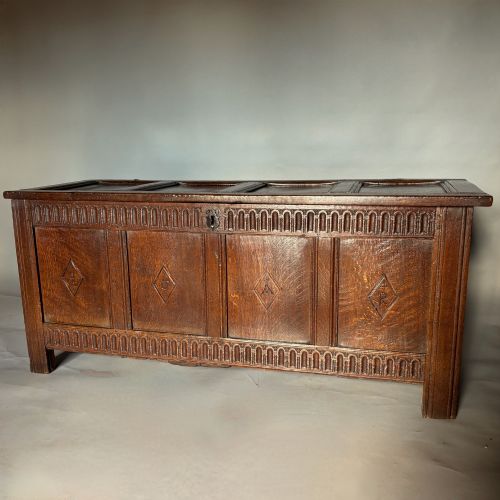
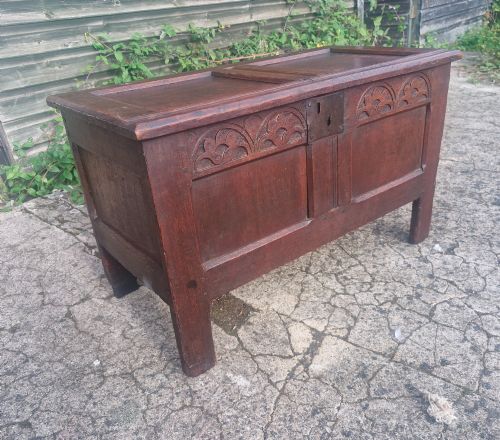
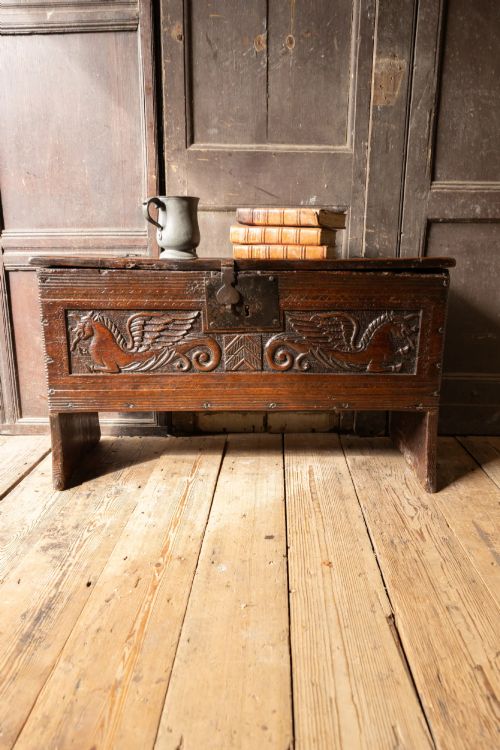
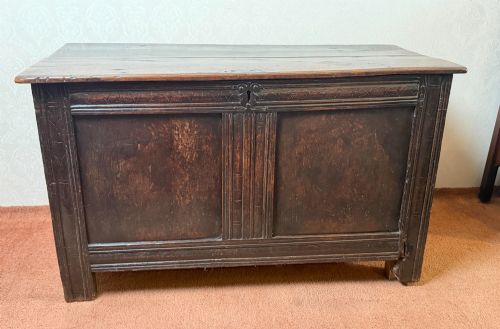
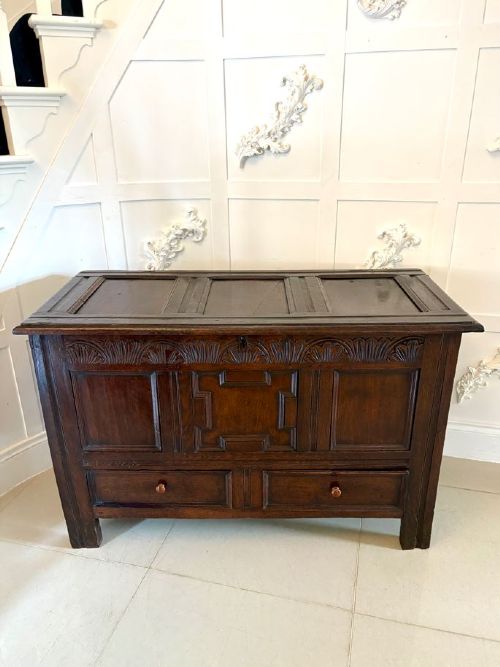
Period oak carving encompasses functional domestic items built from heavy timber across the sixteenth, seventeenth and eighteenth centuries, with coffers and chests forming the largest group.
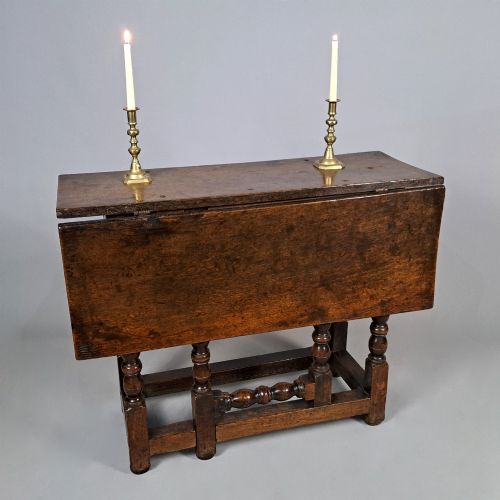
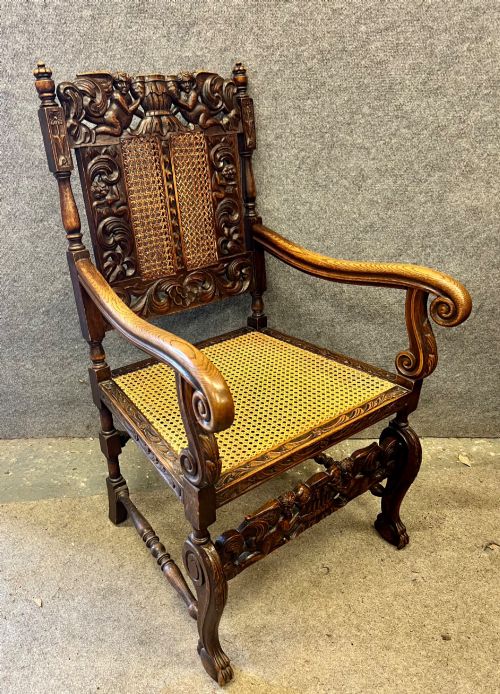
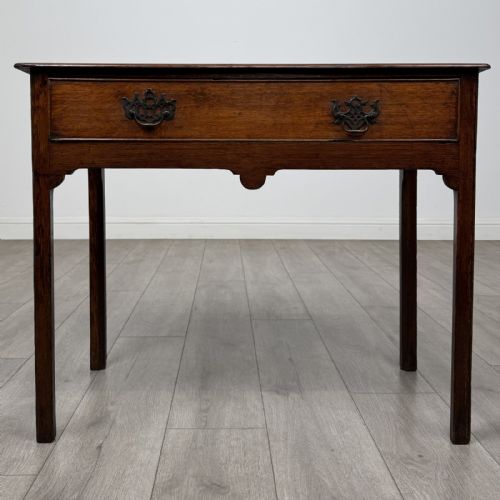
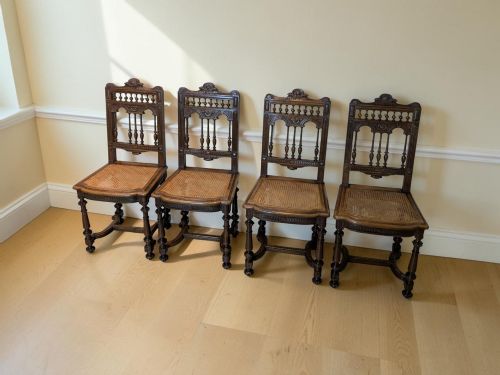
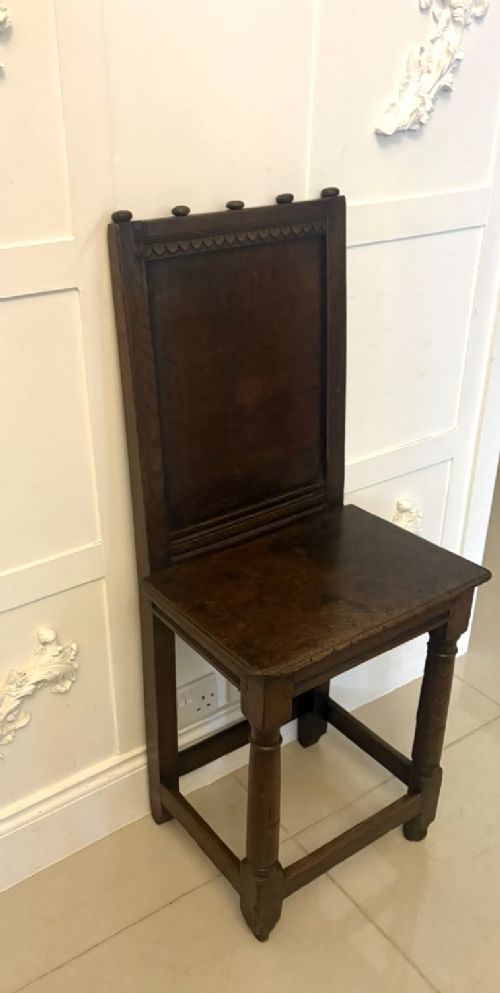
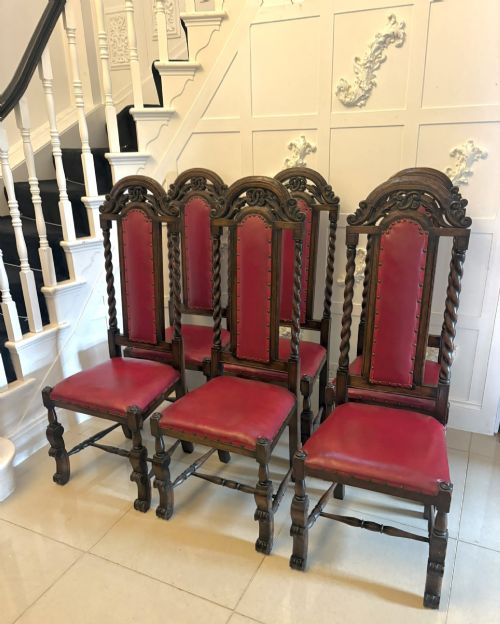
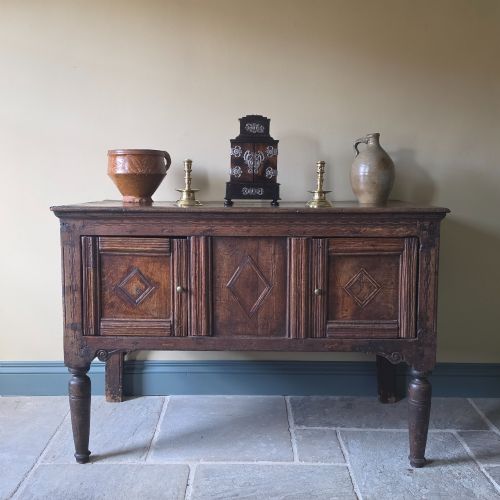
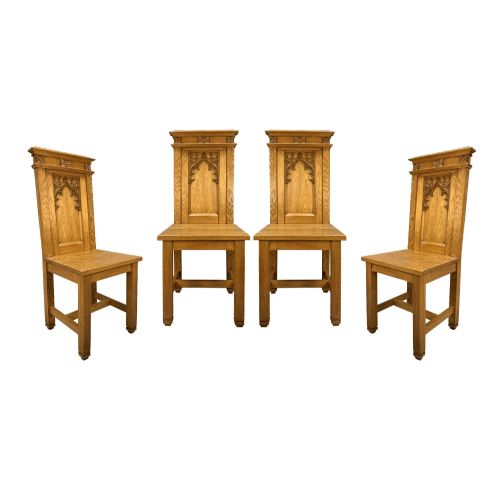
Buyers also encounter side tables, joint stools, wainscot armchairs and dining chairs shaped by Jacobean, Charles II, William and Mary and Georgian traditions.
The selection ranges from small wall-hanging candle boxes and document boxes to large fitted cupboards and mule chests finished with marquetry inlay.
How they were made
Joiners constructed these items using solid oak boards joined with pegged mortise and tenon frames, adding iron or brass hardware for hinges and locks.
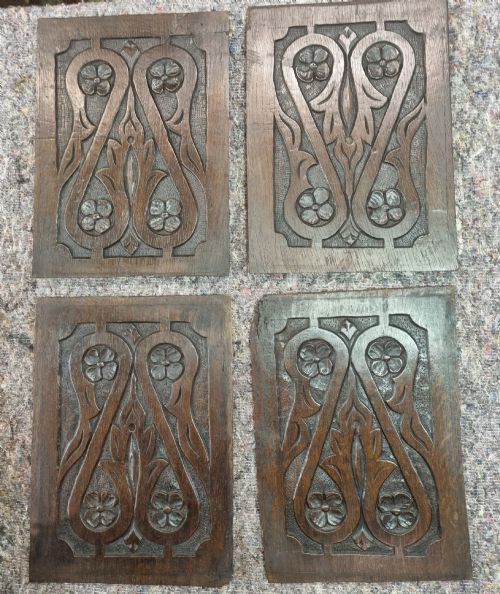
Surface enrichment relied on hand-chiselled geometric or floral carving directly into the timber, sometimes enhanced by marquetry inlay using sycamore and mixed woods.
Structural elements occasionally incorporated secondary materials such as wrought iron and velvet alongside the primary oak substrate.
Several listings include a free-standing oak skittles game, proving ancestors enjoyed indoor bowling just as much as heavy storage.
What varies in quality
Distinctions in quality rest on the crispness and depth of the hand-carved ornamentation relative to the plain structural panels surrounding it.
Proportion and scale dictate the desirability of pieces, with small-scale coffers and bold seventeenth-century side tables commanding particular attention.
The integration of original decorative elements such as marquetry inlay or dated inscriptions elevates examples beyond utilitarian storage.
Strahan of Dublin
The Period Oak Carving Glossary
- Coffer
- A large wooden chest used for domestic storage, often featuring front panels decorated with carved motifs. These sturdy boxes frequently served as benches in early homes.
- Joint Stool
- A sturdy wooden seat constructed with pegged mortise and tenon joinery rather than turned legs glued into bored holes. They provided stable seating at dining tables.
- Wainscot Armchair
- A heavy wooden chair made primarily of oak with a solid panelled back and panelled seat construction. They were status objects for the head of a household.
- Marquetry Inlay
- The art of applying small pieces of varied coloured woods, such as sycamore, into veneer patterns on a surface. It created striking geometric designs on seventeenth-century furniture.
Period Oak Carving: Frequently Asked Questions
What is a coffer?
A coffer is a heavy wooden chest constructed for storing valuables, textiles and household goods.
These versatile boxes sat against walls or at the foot of beds and doubled as extra seating when rooms were crowded.
How do I identify a joint stool?
Joint stools are built with straight posts and rails connected by pegged tenon joints rather than turned legs.
Their rigid frame construction made them exceptionally durable for daily use in early domestic settings.
Where were wainscot armchairs used?
Wainscot armchairs occupied prominent positions in the hall or parlour of early modern homes.
Reserved for the head of the household or important guests, they offered status and protection from cold drafts.
How do I care for period oak?
Period oak thrives in stable indoor environments away from direct heat sources and dramatic humidity shifts.
Applying a traditional beeswax polish occasionally maintains the natural lustre of the aged timber.