






Period Oak Bed
A period oak bed brings substance and history to a room, anchoring the space with dense timber and centuries of craft.
Period Oak Bed
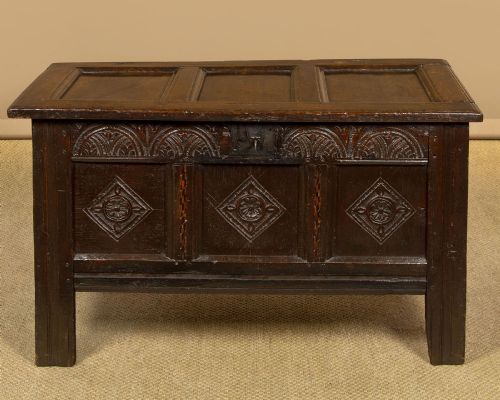
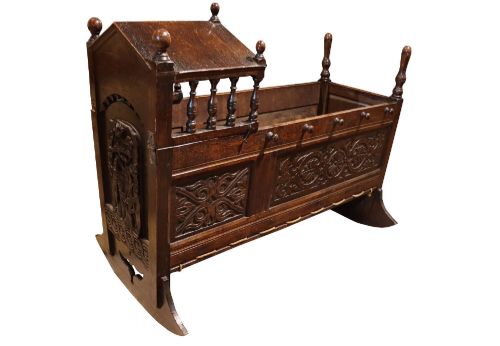
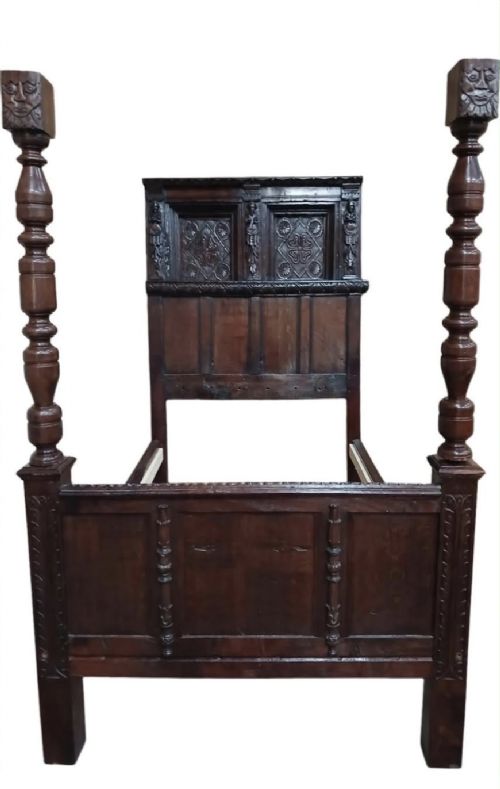
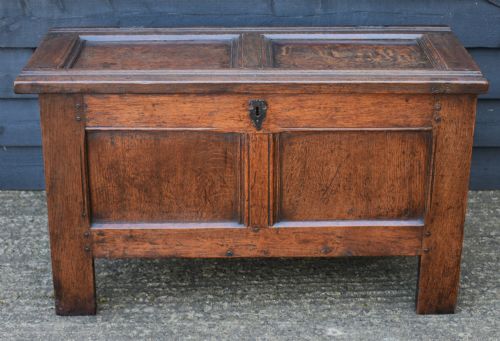
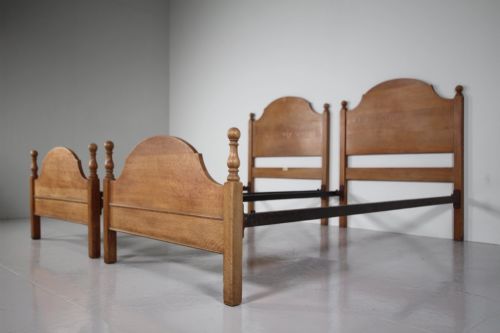
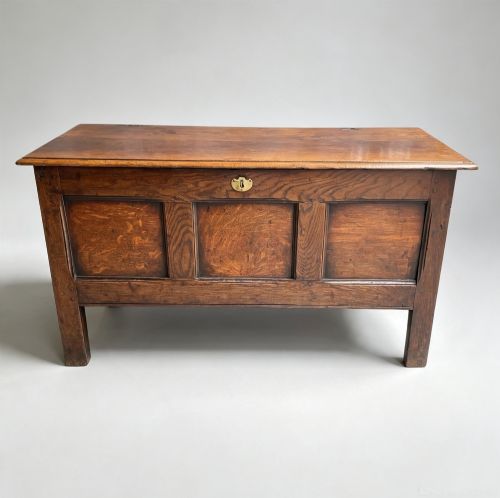
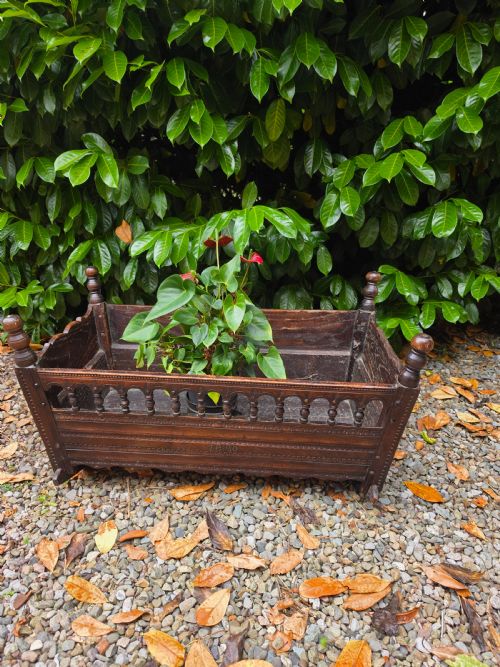
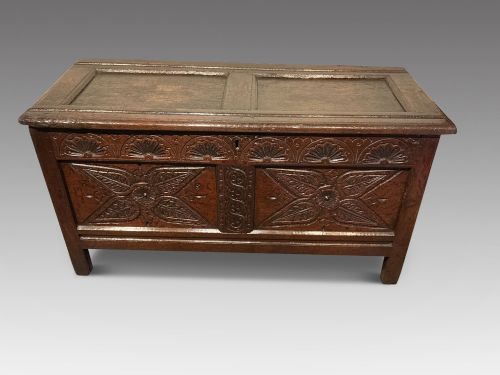
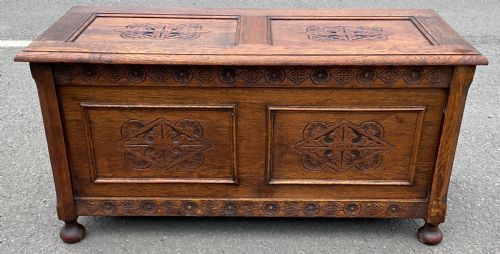
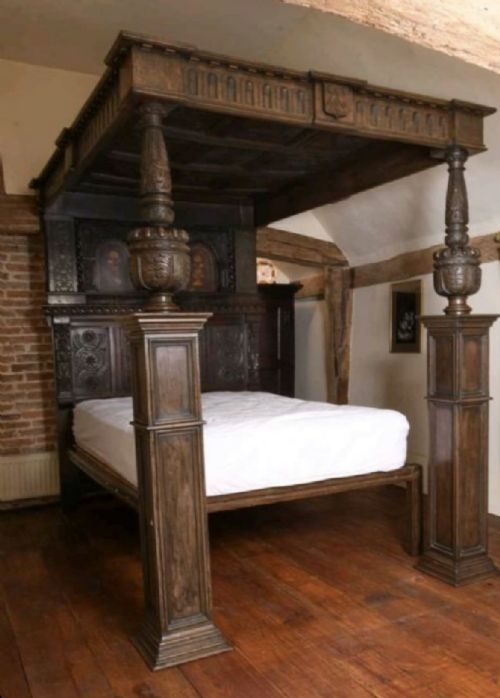
When you search for a period oak bed, you encounter substantial four poster tester frames alongside related domestic oak furniture such as coffers, mule chests, and cradles.
The listings span from the seventeenth century through the eighteenth century, with occasional Edwardian and Victorian interpretations. Many pieces originate from the seventeenth century, displaying heavy panelled construction and vernacular styles.
You are most likely to meet seventeenth-century four poster beds with testers, alongside eighteenth-century mule chests and coffers formed from solid oak timber.
Judging quality
Quality rests upon the proportion of original timber remaining in the frame and the crispness of the hand-carved panels. Early four-poster beds demonstrate superior joinery through integrated posts and pegged joints that hold the heavy tester canopy.
Surface patination distinguishes exceptional examples, where decades of wax and handling create a deep finish across the oak grain. Alterations to bed posts or reduced tester heights alter the original proportions and architectural balance.
Period Oak Bed Retail Price Guide 2026
Typical asking prices for period oak bed among the pieces listed under this phrase on Sellingantiques today, from the lower quarter to the upper quarter. They describe what is for sale here now, not the wider market.
Early craftsmen sometimes hid tiny wooden pegs in plain sight, proving that even a humble blanket chest deserves a quiet smile.
Early Heals
The Period Oak Bed Glossary
- Tester
- The wooden canopy or ceiling over a four-poster bed, supported by the head posts and foot posts.
- Coffer
- A large wooden chest with a hinged lid, traditionally used for storing valuables, textiles, and household goods.
- Mule chest
- A storage chest featuring one or more drawers beneath the main lift-lid compartment, emerging in the seventeenth and eighteenth centuries.
- Kist
- A regional term for a chest or coffer, commonly used in northern and Scottish contexts.
- Panelling
- Framework constructed with vertical stiles and horizontal rails enclosing flat or raised wooden panels.
Period Oak Bed: Frequently Asked Questions
How do I date an oak bed?
Dating relies upon construction methods, tool marks left by hand saws and adzes, and the style of carving on the headboard and posts. Seventeenth-century examples typically display pegged mortise and tenon joints and heavy turned posts.
Later Victorian or Edwardian interpretations often use machine-cut timber, different fastener types, and stylistic revivals that mimic earlier Jacobean or seventeenth-century motifs.
Will a period oak bed fit a modern mattress?
Many early beds were built to domestic dimensions that differ from standard modern mattress sizes. Custom mattress ordering is frequently necessary to fit the internal frame correctly.
Slat systems or modern supportive bases can be integrated discreetly within the ancient timber frame to ensure comfort without altering the structure.
What is a mule chest?
A mule chest is a storage piece that combines the deep lift-lid compartment of a traditional coffer with one or more drawers fitted beneath. This design developed to provide easier access to smaller items without unloading the entire chest.
They appeared frequently in oak throughout the seventeenth and eighteenth centuries in Welsh and regional English workshops.
How should I care for historic oak furniture?
Historic oak benefits from stable room humidity and temperature, as extreme fluctuations cause timber to split or warp. Regular dusting and occasional application of traditional beeswax help maintain the surface patination.
Avoid placing wooden furniture near direct heat sources or in strong sunlight, which dries out the ancient grain and fades the finish.