

Period Metalwork
Period metalwork encompasses tangible instances of bronze, brass, and enamel craftsmanship from Asian and Victorian workshops.
Period Metalwork
Period metalwork encompasses tangible instances of bronze, brass, and enamel craftsmanship from Asian and Victorian workshops. Buyers exploring this category encounter cast vessels, patinated sculptures, and inlaid plaques originating predominantly from the Meiji, Edo, and Taisho periods.
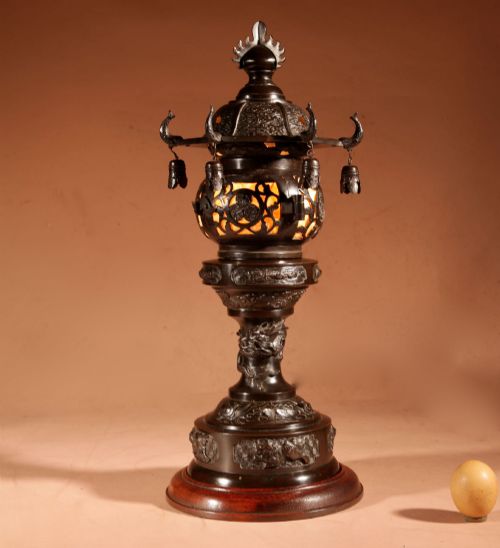
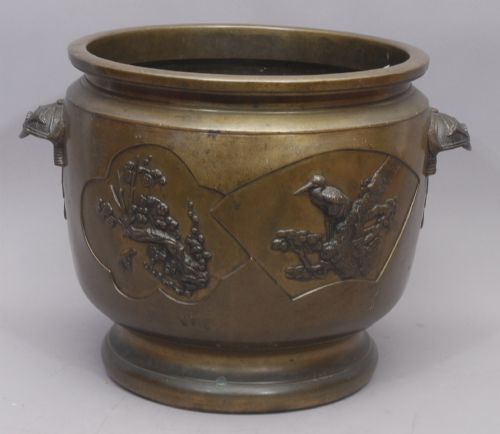
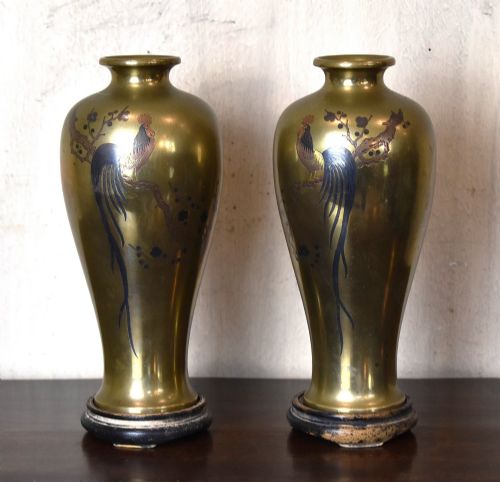
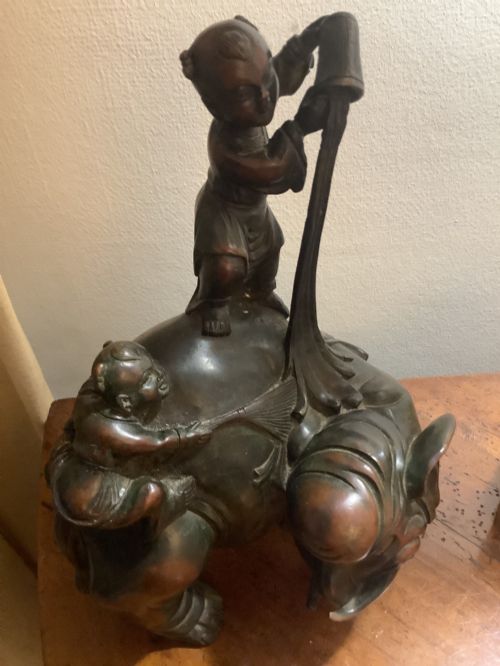
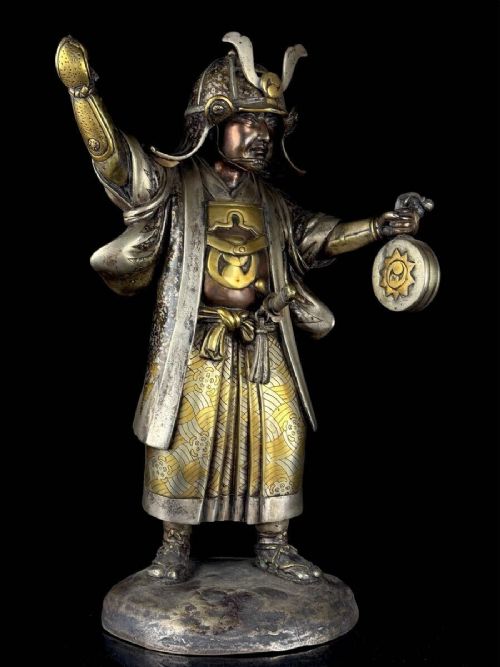
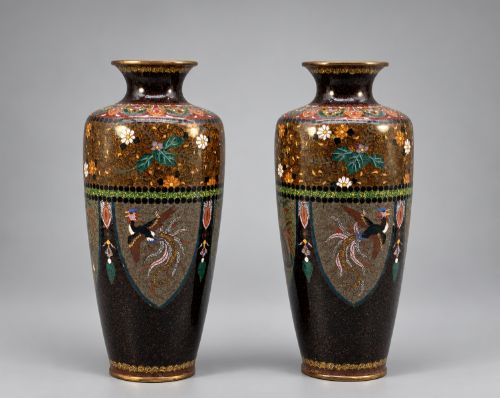
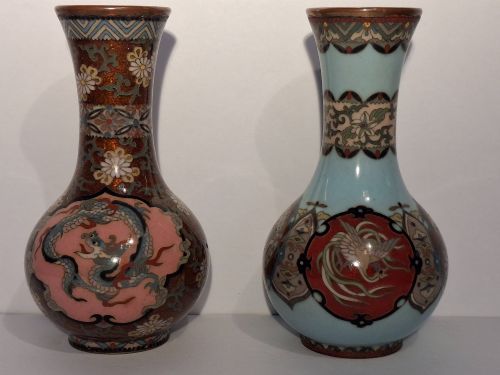
The selection leans heavily toward Japanese bronze vases, cloisonné enamel chargers, and mixed-metal okimono figures. These objects range from miniature vessels to large temple censers and decorative table lamps.
Originating largely from the nineteenth and early twentieth centuries, these items represent traditional Far Eastern metal artistry alongside nineteenth-century European production. Each piece reflects the specific utilitarian or decorative aims of its period.
How they were made
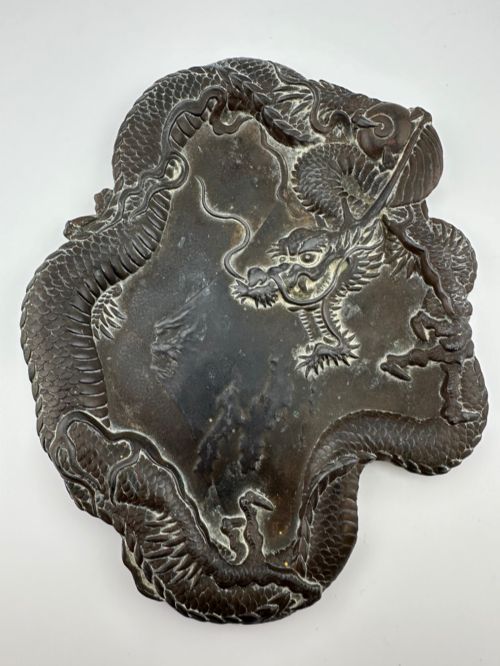
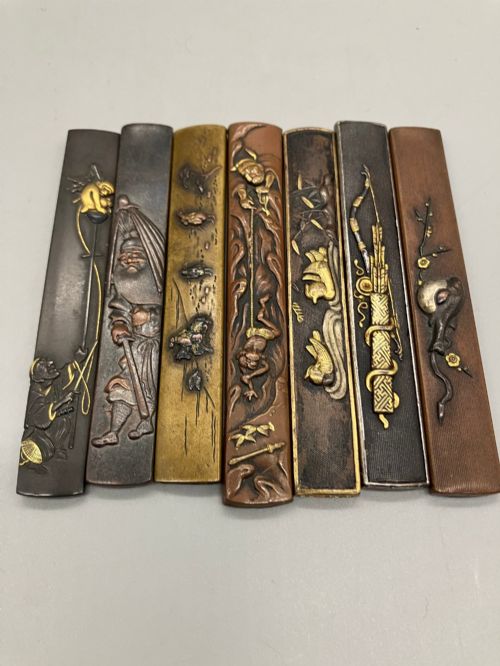
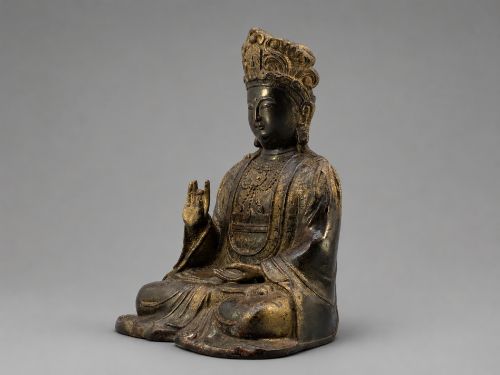
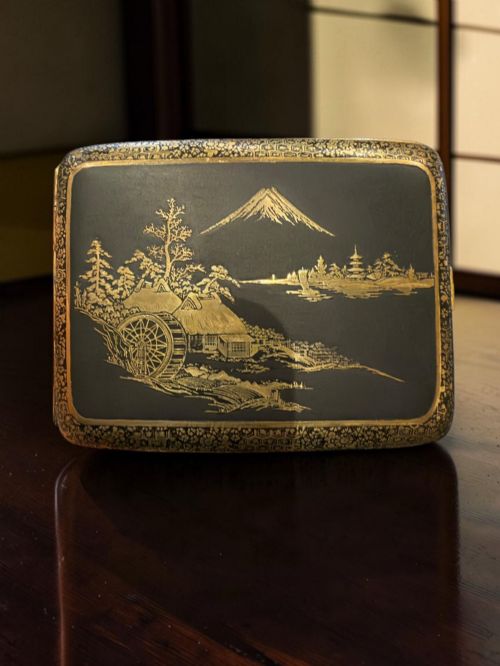
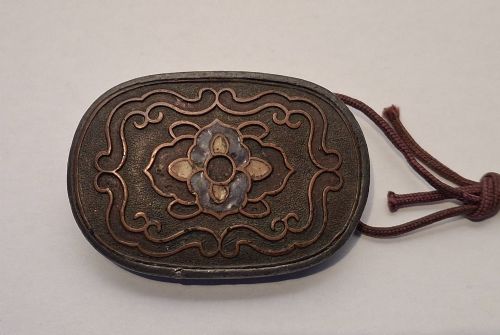
Artisans employed lost-wax casting for bronze and brass sculptures, followed by extensive patination and chiselling to define surface details. Many items incorporate inlaid gold, silver, and copper wire known as takazōgan to create intricate pictorial designs.
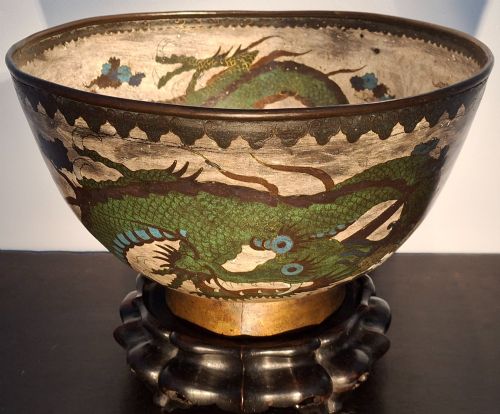
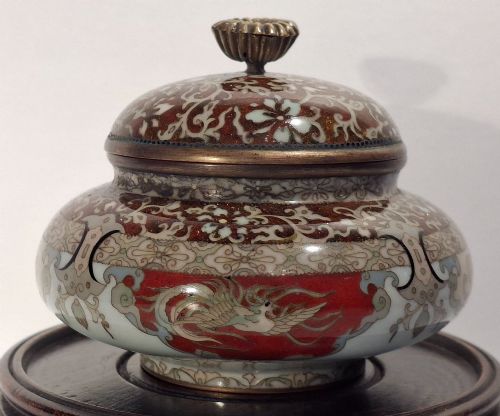
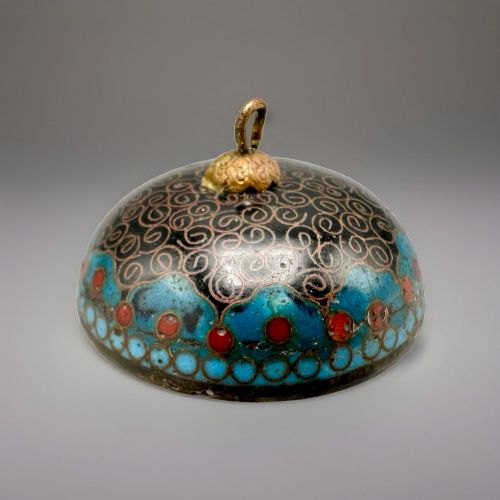
Enamel works rely on cloisonné and champlevé techniques, where thin metal wires form cellular compartments filled with coloured vitreous pastes. Firing and polishing cycles yield smooth surfaces of polished glass set within metal boundaries.
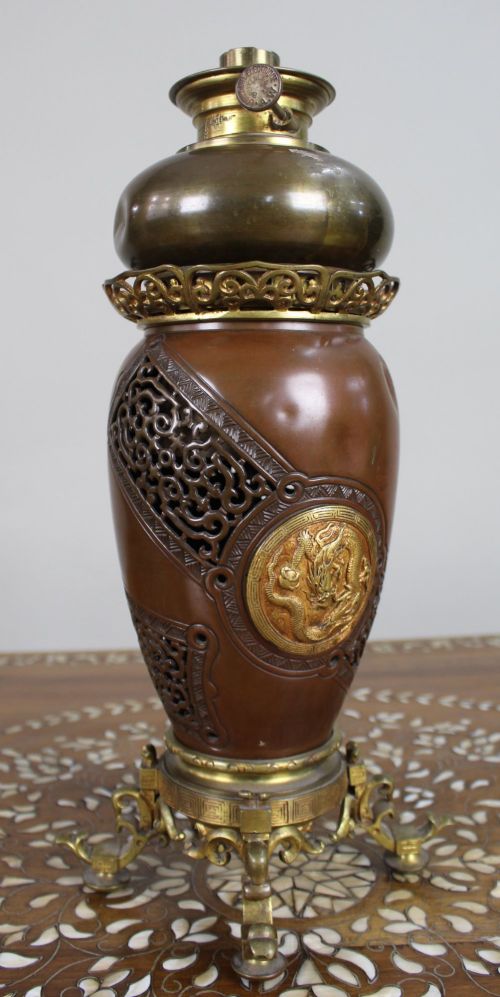
Mixed-metal constructions combine iron, pewter, copper, and silver elements into unified compositions. Wood and ivory additions occasionally complement the primary metal frameworks.
Period Metalwork Retail Price Guide 2026
Typical asking prices for period metalwork among the pieces listed under this phrase on Sellingantiques today, from the lower quarter to the upper quarter. They describe what is for sale here now, not the wider market.
Listings feature items from the Meiji, Edo, and Taisho periods utilising bronze, copper, cloisonné enamel, and silver.
What varies in quality
The standard of execution rests on the precision of the metal chiselling and the complexity of the wirework in enamelled sections. Finer pieces demonstrate strict symmetry in geometric patterns and fluid realism in figurative animal and human subjects.
Material purity and weight dictate the structural integrity of cast vessels and censers. Thick-walled bronze castings with stable patinas command greater artistic regard than lighter, unevenly poured counterparts.
Signatures by recorded makers or attributed workshops elevate specific examples above standard commercial output. The integration of multi-metal inlay requires advanced technical control that distinguishes masterworks from routine production.
Tsukamoto Hikokichi·KANASAWA·Jomi Eisuke·Kunio Itô
The Period Metalwork Glossary
- Cloisonné
- An enamelling technique where thin metal wires are soldered to a base to create compartments for coloured glass pastes. This method produces intricate patterns across vases and chargers.
- Okimono
- A Japanese freestanding ornamental sculpture designed for display on a shelf or in a tokonoma alcove. These figures frequently depict animals, scholars, or historical figures in bronze or mixed metals.
- Koro
- A traditional Japanese incense burner typically featuring a pierced lid for smoke release. These vessels often rest on multiple feet and incorporate dragon or lion mask handles.
- Patination
- The chemical or natural alteration of a metal surface over time, resulting in varied colouration and texture. Artisans frequently induced specific patinas to enhance visual depth.
- Ginbari
- A specialised Japanese cloisonné technique utilising a textured or foiled foil ground beneath translucent enamel layers. This process creates a reflective, shimmering depth within the design.
Period Metalwork: Frequently Asked Questions
How do I identify a Meiji period bronze?
Meiji period bronzes are identified by their dynamic casting styles, detailed patination, and frequent inclusion of signatures or workshop marks.
These pieces typically date between eighteen sixty-eight and nineteen twelve, reflecting the opening of Japanese trade and advanced metalworking techniques.
What is ginbari cloisonne?
Ginbari cloisonné is a distinct enamelling method where translucent coloured glass covers an embossed metal foil background.
This technique creates a visible patterned texture beneath the smooth enamel surface, catching ambient light in specific ways.
Where should I display a heavy bronze sculpture?
Heavy bronze sculptures require stable horizontal surfaces capable of supporting substantial weight without flexing or tipping.
Placement away from direct moisture prevents chemical changes to the patinated metal finish over time.