





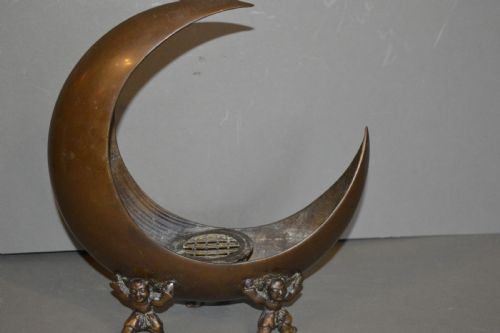

Period Metalware
Period metalware comprises vessels and implements cast or beaten in bronze, brass, pewter and copper across centuries of domestic and ritual use.
Period Metalware
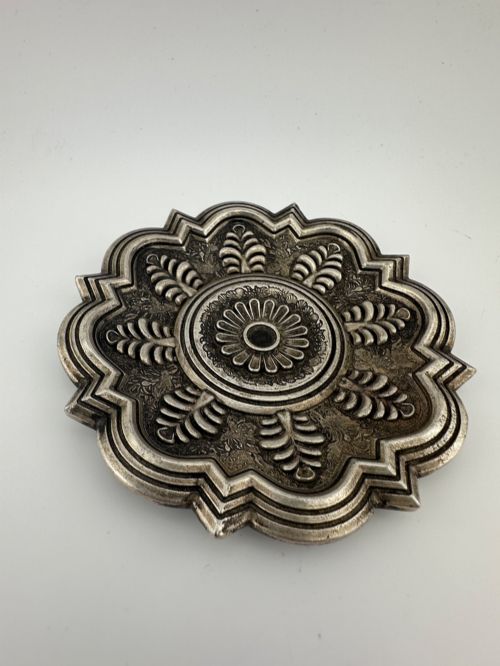
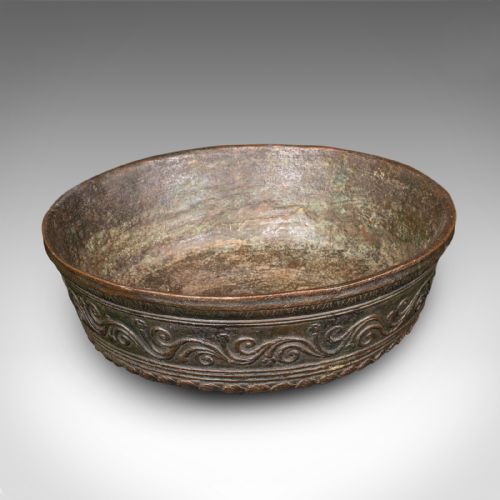
Period metalware encompasses functional and decorative objects forged from bronze, brass, copper and pewter during past centuries. When searching for period metalware, buyers encounter utilitarian vessels alongside ritual objects from English, European and Asian origins.
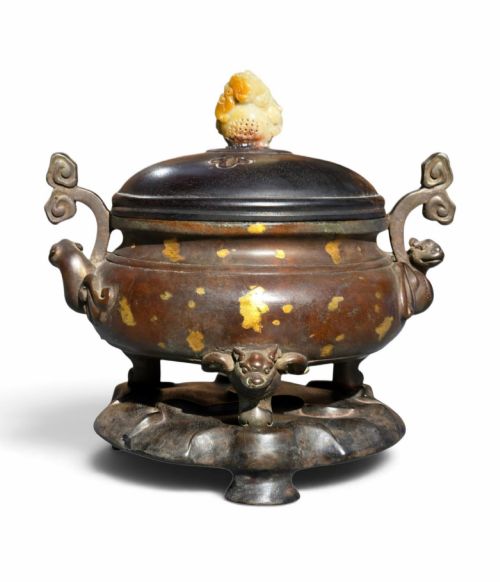
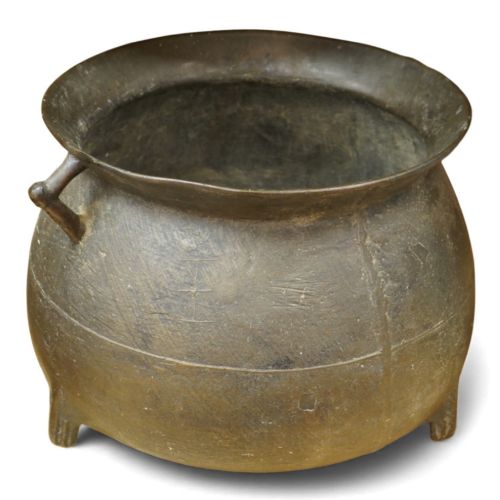
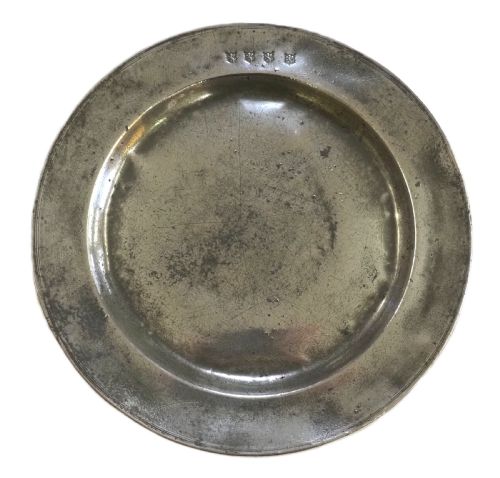
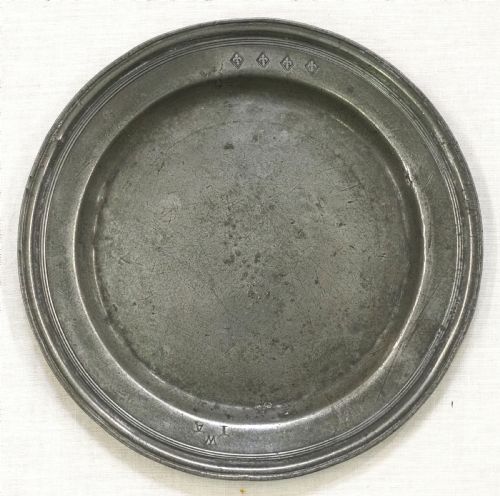
The selection ranges from early English cauldrons and pewter plates to Japanese bronze vases and Chinese censers. These items served daily domestic tasks, scholarly pursuits and ceremonial functions across diverse historical eras.
How they were made
Casting forms the primary technique for bronze and brass objects, utilising moulds to shape molten metal into vessels, mortars and tripods. Pewter items undergo casting and hammering, while copper pieces receive careful forming and finishing.
Surface ornamentation incorporates enamel work, gilding and incised details. Artisans applied cloisonne techniques and applied metal splashes to achieve decorative finishes on Japanese and Chinese items.
Period Metalware Retail Price Guide 2026
Typical asking prices for period metalware among the pieces listed under this phrase on Sellingantiques today, from the lower quarter to the upper quarter. They describe what is for sale here now, not the wider market.
Geographic origins represented include English, Indian, Chinese and Japanese workshops across multiple historical periods.
What varies in quality
The precision of the casting and the crispness of surface detail distinguish finer examples from standard production. Weight and wall thickness indicate the substantial nature of bronze and brass vessels.
Original surface patination and authentic wear patterns demonstrate age and handling over centuries. Maker marks and incised details provide attribution and reflect the care taken during production.
John Trapp II·Robert Moulins II
The Period Metalware Glossary
- Bronze
- An alloy consisting primarily of copper combined with tin, used extensively for durable vessels and ritual objects. It develops a distinct patination over centuries of exposure.
- Pewter
- A malleable metal alloy traditionally composed of tin with copper and lead, utilised for domestic plates and tableware. Early English examples often feature reeded rims or touchmarks.
- Cloisonne
- An enamel technique where metal wires form raised compartments on a base, which are then filled with coloured paste and fired. This method decorates Japanese vessels and lids.
- Trefid spoon
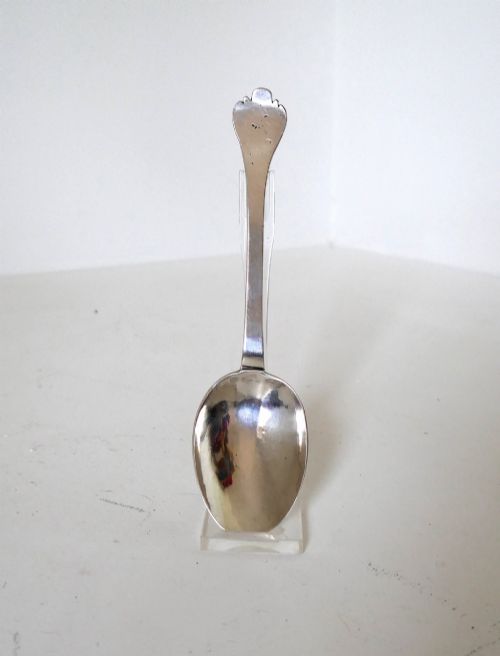
- An early form of flatware featuring a flattened, three-lobed terminal handle popular during the late seventeenth century. These silver items represent precise period metalwork.
- Censer
- A vessel designed for burning incense during ceremonial or domestic practices, frequently cast in bronze with tripod supports and fitted covers.
Period Metalware: Frequently Asked Questions
How were bronze vessels used?
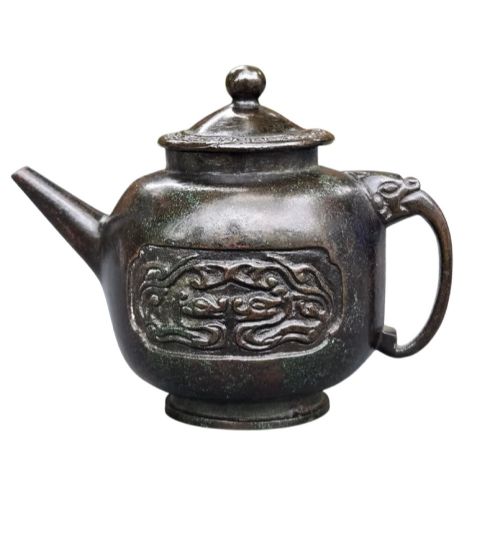
Bronze vessels served multiple functions depending on their form, ranging from scholarly water droppers and tea ewers to tripod incense burners and large vases. Many held ritual significance or acted as centrepieces in elite settings.
Smaller items functioned in daily domestic routines, while larger bronzes demonstrated craftsmanship and status within imperial and noble households.
How do I care for antique metal?
Antique metal requires minimal intervention to preserve the natural patination accumulated over centuries of age and handling. Regular dusting with a soft cloth protects the surface from abrasive particles.
Polishing should be avoided unless necessary, as removing the historical patina diminishes the character and authenticity of bronze, brass and pewter pieces.
How can I tell periods apart?
Differentiating periods relies on examining manufacturing techniques, stylistic motifs and material composition specific to known eras. English pieces often display touchmarks or specific handle shapes characteristic of seventeenth-century production.
Asian items utilise reign marks, dynasty associations and traditional decorative styles such as Meiji period cloisonne or Qianlong period gilt-splash finishes to indicate their origin.