

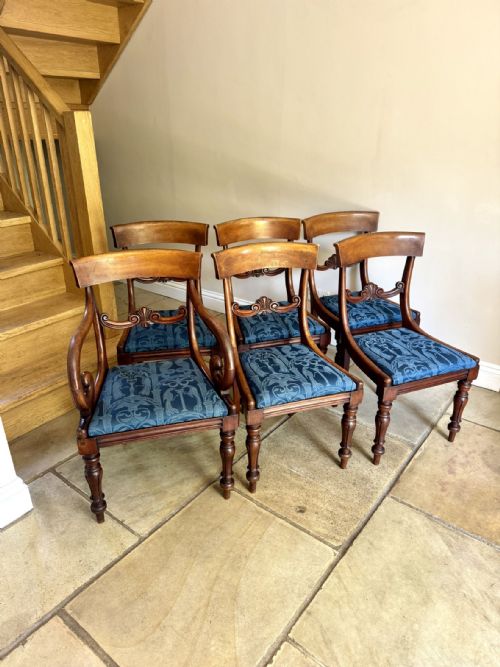

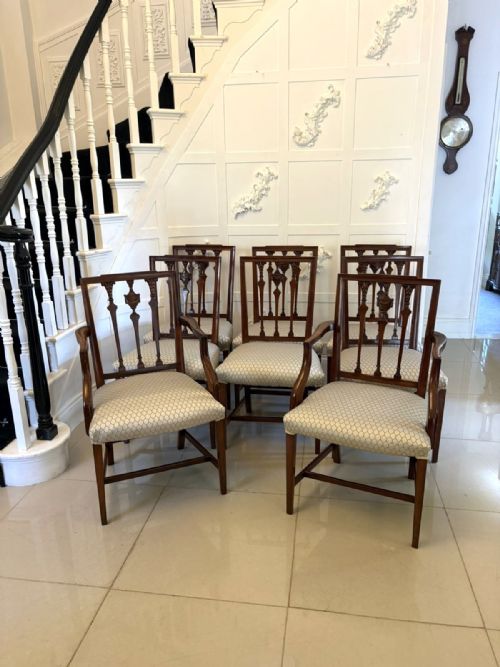

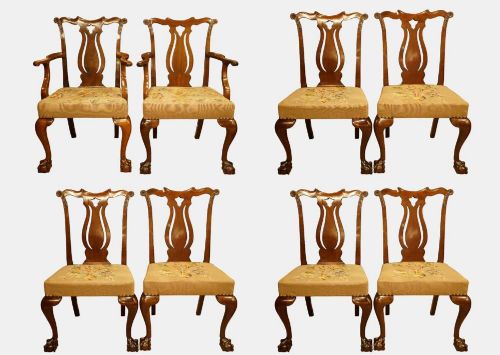
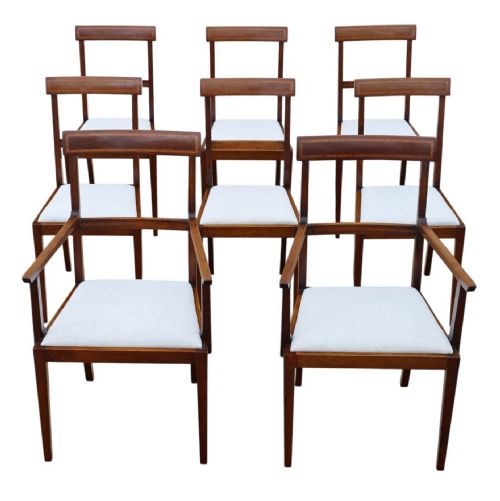

Period Mahogany Seat Furniture
Period mahogany seat furniture brings solid timber and classic forms into rooms, offering sturdy seating with rich grain.
Period Mahogany Seat Furniture
Period mahogany seat furniture comprises chairs, benches, and stools spanning Georgian, Regency, and Victorian eras. These items serve daily seating needs while displaying traditional woodworking forms.
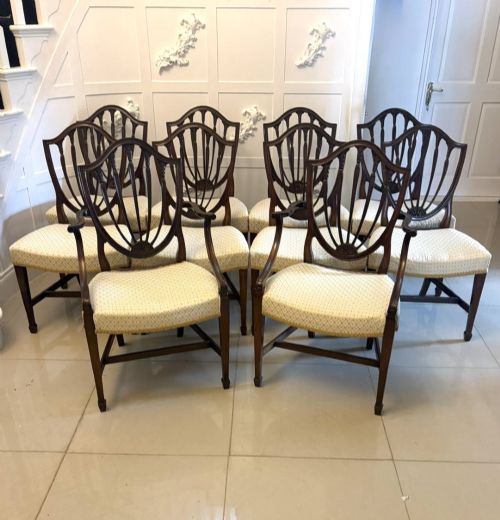
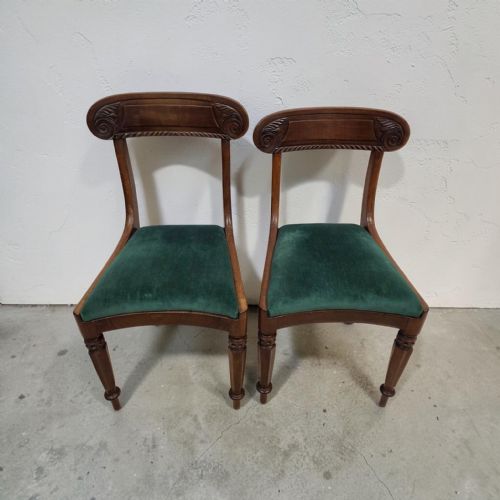
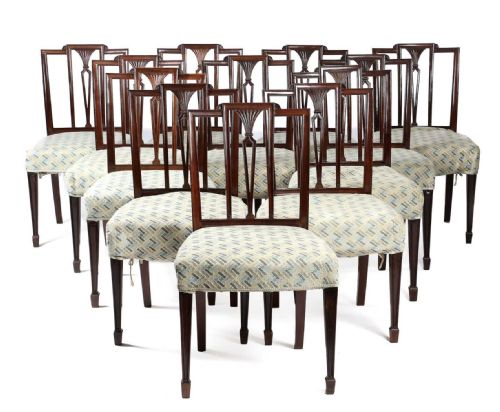
Dining chairs and carvers dominate the selection, often found in large sets alongside individual library chairs and window benches. Buyers encounter single pieces as well as matched sets intended for dining spaces.
Origins stretch across English, Irish, Scottish, and continental workshops, incorporating revival styles like Chippendale and Hepplewhite alongside period originals.
Materials and Construction
Makers utilised solid mahogany for frames, pairing the timber with cane, brass accents, and various upholstery fabrics including velvet and leather. Wood selection prioritised dense grain and stable joints.
Upholstery techniques evolved from original tapestry and horsehair stuffing to modern fabrics during later restorations, whilst structural joinery relied on traditional mortise and tenon methods.
Makers occasionally produced miniature child's high chairs on stands, allowing toddlers to join family meals at adult table height.
Evaluating Quality
Quality rests upon the crispness of carved details, the integrity of the timber frame, and the survival of original surfaces. Subtle variations in proportion and timber figure separate standard examples from superior pieces.
The completeness of matched sets and the retention of early upholstery elements strongly influence the standing of a suite within its period.
Maple and Co
The Period Mahogany Seat Furniture Glossary
- Carver
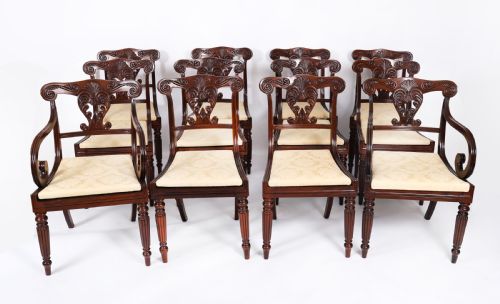
- An armchair, typically designed with arms to match a set of dining side chairs. These often served the head of the table.
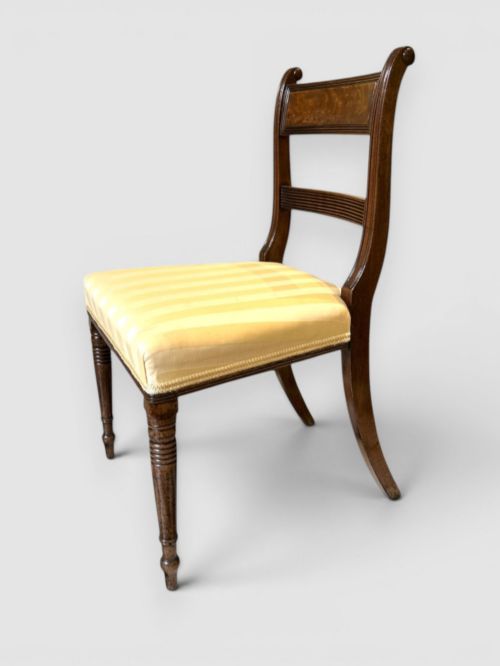
- Bar back
- A chair back featuring a horizontal crossbar, frequently reeded or carved, common in Regency designs. This shape supports the spine while offering distinct visual lines.
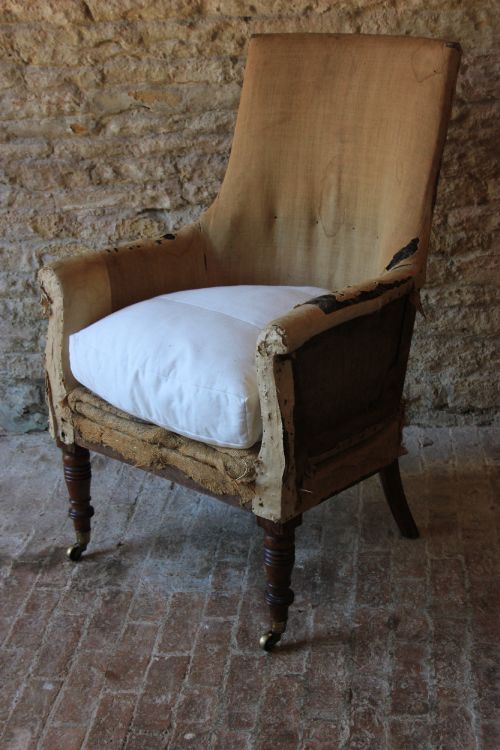
- Bergere
- An enclosed upholstered armchair with wooden framing exposed around the sides and back. Cane panels frequently fill the frame sides.
- Shield back
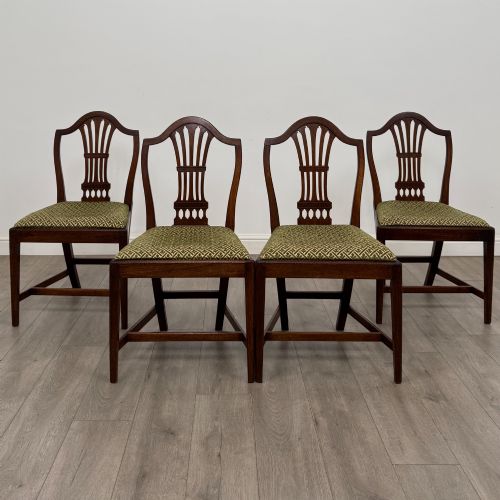
- A chair back shaped in the contour of a shield, popularised during the Hepplewhite period. It often contains pierced splats with carved motifs.
- Marquetry
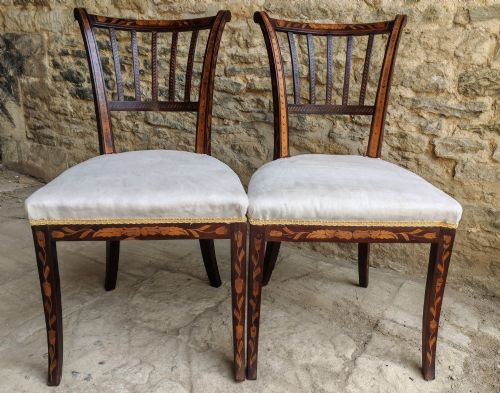
- Decorative inlay using various woods to create pictorial patterns on furniture surfaces. This technique adds ornamental contrast to plain panels.
Period Mahogany Seat Furniture: Frequently Asked Questions
How do I date period mahogany chairs?
Dating relies on architectural styles, leg shapes, and joinery methods. Georgian pieces tend to show heavier proportions and straight or cabriole legs, whereas Regency items incorporate classical revival motifs.
Secondary woods used in frames and the wear patterns on contact points also provide clues to age and origin.
Can I use antique dining chairs daily?
Most sturdy mahogany frames tolerate normal daily use if joints remain tight. Checking structural stability prevents undue strain on original timber.
Periodic inspection of glue blocks and seat frames ensures the chairs remain safe for regular sitting.
What is a carver chair?
A carver is an armchair made to match a set of dining chairs. Historically placed at the head and foot of the dining table, it offered greater width and arm support.
Matching carvers often accompanied large sets of twelve or more side chairs.
Are upholstered seats original?
Upholstery rarely survives intact from the eighteenth or early nineteenth centuries due to wear and fabric degradation. Most pieces have undergone reupholstery using period-appropriate or modern textiles.
Original webbing or stuffing remains exceptional and is usually noted when present.
How do I care for mahogany furniture?
Mahogany requires stable indoor humidity away from direct heat sources and sunlight to prevent timber splitting and fading. Gentle cleaning with a soft cloth preserves the polish.
Avoid silicone-based sprays, opting instead for traditional wax applications when the surface requires nourishment.