




Period Mahogany Hallway Table
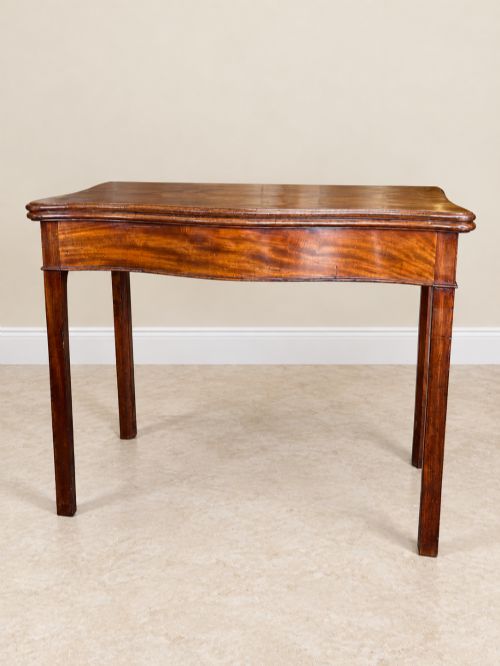
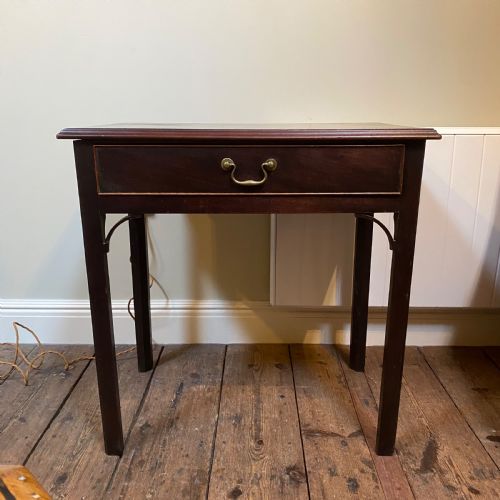
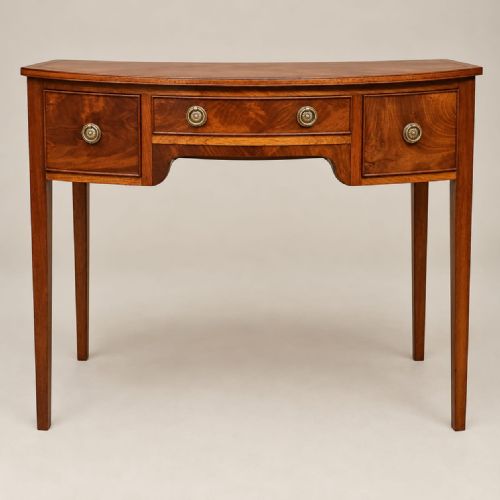
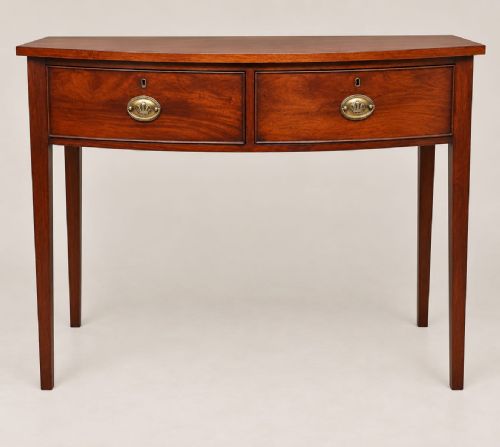
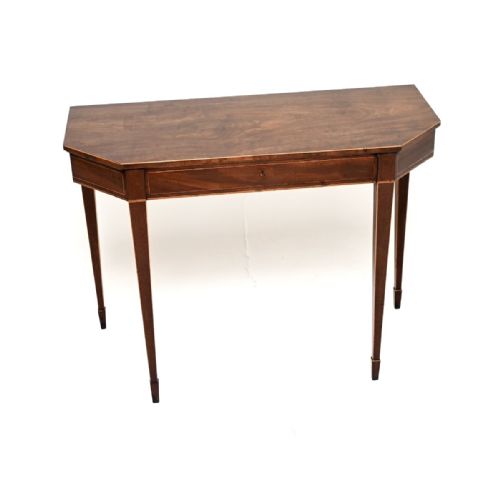
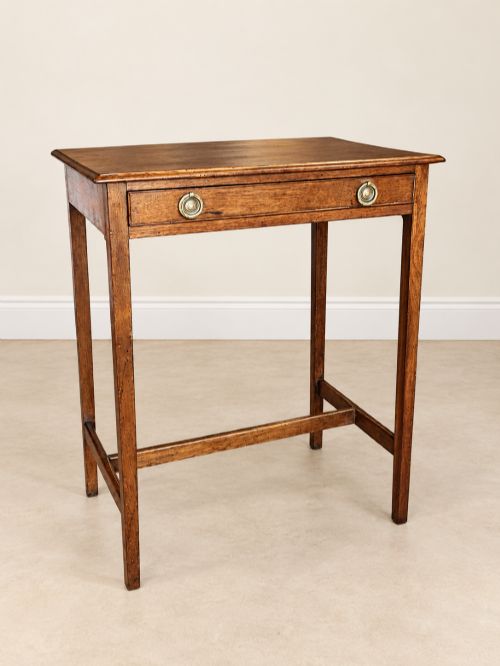
A period mahogany hallway table brings warmth and proportion to an entrance, offering a sturdy surface with deep timber grain.
Period Mahogany Hallway Table
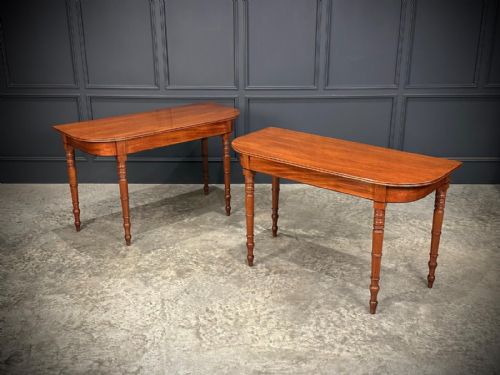
The versions most commonly met on this page include console tables and side tables shaped with straight fronts or demi-lune curves. Makers of the eighteenth and nineteenth centuries designed these pieces to sit flat against a wall, making them practical for corridors.
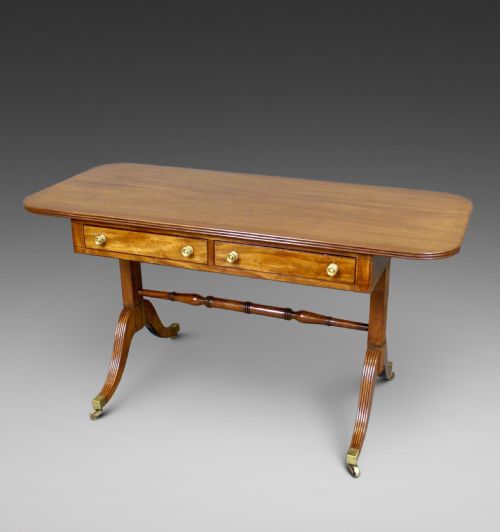
Examples span the eighteenth century, the Regency period, and the nineteenth century, sometimes incorporating Sheraton styles or French Empire influences. Buyers encounter various formats, from simple side tables to grander serving tables and paired consoles.
Materials and construction
Construction relies heavily on mahogany, frequently enhanced with flame mahogany veneer to create rich patterns across the top surface. Workshops selected dense timber for its durability and deep reddish-brown colour.
Details often include boxwood and ebony inlay, alongside boxwood stringing that defines the edges of drawers and tabletops. Some pieces integrate brass mounts, marble tops, or ormolu details to elevate the overall design.
Period Mahogany Hallway Table Retail Price Guide 2026
Typical asking prices for period mahogany hallway table among the pieces listed under this phrase on Sellingantiques today, from the lower quarter to the upper quarter. They describe what is for sale here now, not the wider market.
Some sofa tables hide secret drop leaves that magically double your workspace when guests arrive for tea.
Assessing quality
The distinction between standard examples and finer pieces rests upon the selection of timber and the precision of the cabinetwork. Grain patterns on veneer surfaces show greater depth and careful matching on superior items.
Inlay work and decorative elements like ormolu mounts or boxwood details reveal the skill of the original workshop. Finer proportions and crisp carving mark out pieces made during periods such as the Georgian and Regency eras.
The Period Mahogany Hallway Table Glossary
- Demi-Lune
- Half-moon shape used for console and side tables designed to stand flat against a wall. This format saved floor space in narrow entrances.
- Flame Mahogany Veneer
- A thin slice of mahogany timber cut from the fork of the tree to produce a flickering, flame-like pattern. Cabinetmakers applied this to prominent surfaces like tabletops.
- Console Table
- A table fixed to a wall or supported by front legs, traditionally utilised in hallways or parlours. These tables provide a narrow surface for display.
- Sofa Table
- A freestanding table with drop leaves at either end, originally designed to stand in front of a sofa. Regency examples often feature trestle ends.
- Boxwood Inlay
- Contrasting light wood inserted into darker mahogany to create geometric borders or decorative motifs. This technique highlights the edges of tabletops and drawer fronts.
Period Mahogany Hallway Table: Frequently Asked Questions
Where should I place a hallway table?
These tables fit naturally against entrance walls or narrow corridors where floor space is limited. Their shallow depth allows them to sit comfortably without obstructing passage.
They provide a functional surface for everyday items like keys and post while setting a formal tone at the entrance of a home.
How do I identify a Georgian table?
Georgian pieces often display balanced proportions, understated mahogany grain, and classical rectilinear forms or subtle curves. Cabinetmakers of this era focused on structural balance and restrained ornamentation.
Looking underneath reveals traditional joinery methods and solid timber construction consistent with eighteenth-century workshops.
How do I care for mahogany furniture?
Mahogany requires minimal maintenance beyond dusting with a soft, dry cloth to protect the polished surface. Avoiding direct sunlight preserves the rich colour and prevents the timber from drying out.
Applying occasional wax feeds the wood and maintains the natural sheen developed over centuries.