




Period Mahogany Glass
Period mahogany glass brings together rich timber frames and clear plates across mirrors, cabinets and bookcases from Georgian, Regency and Victorian times.
Period Mahogany Glass
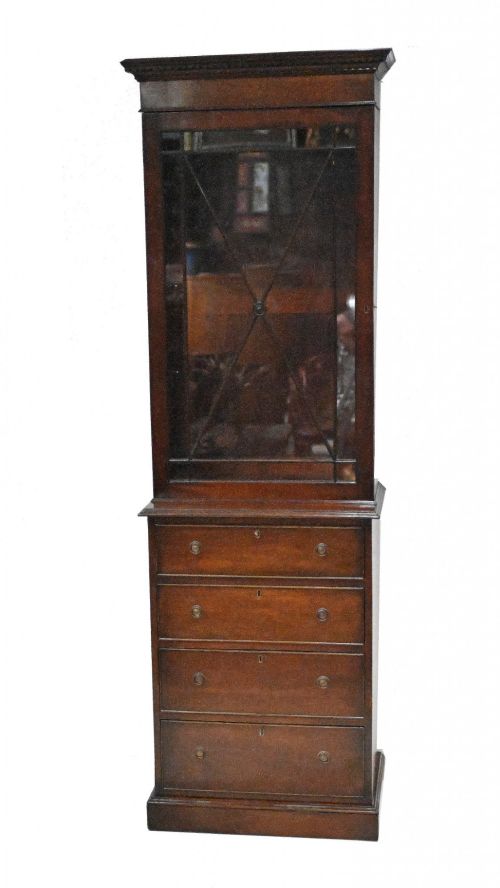
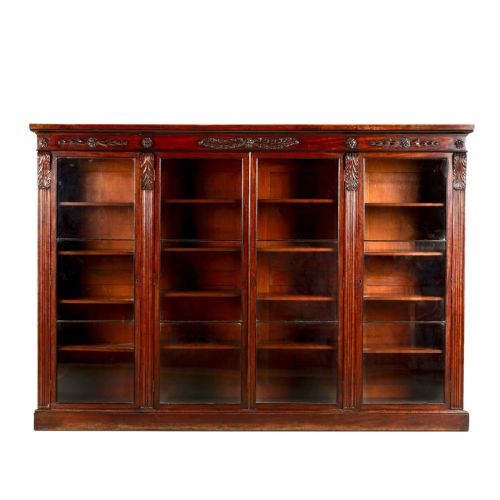
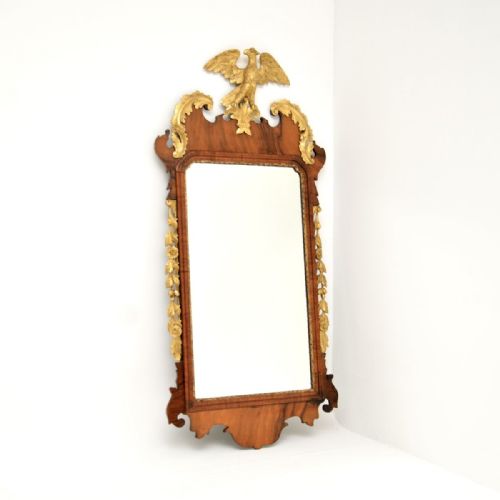
When searching for period mahogany glass, buyers encounter a diverse selection of mirrors, cabinets and bookcases framed in dark timber.
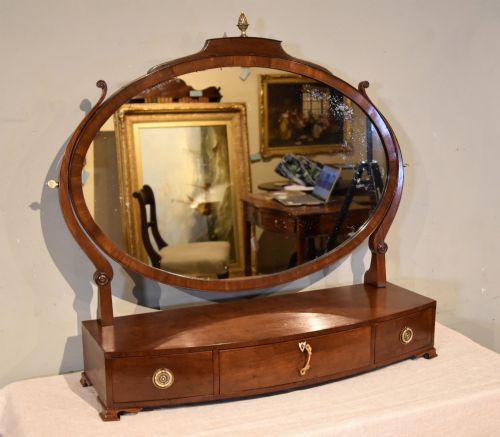
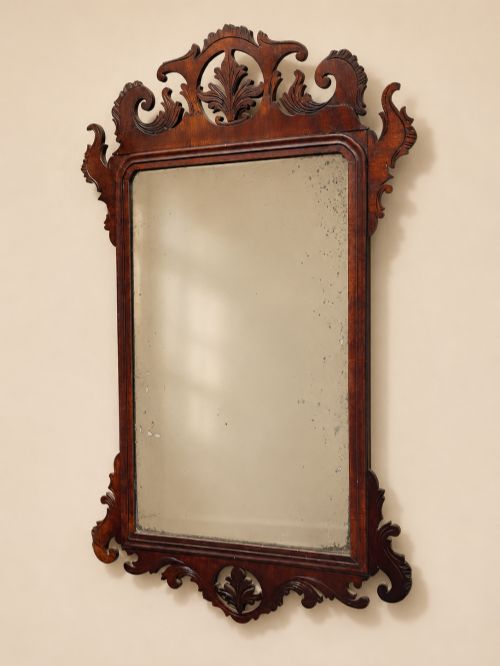
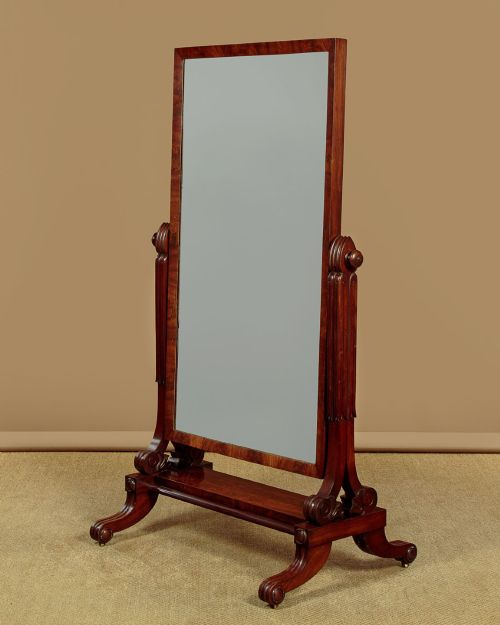
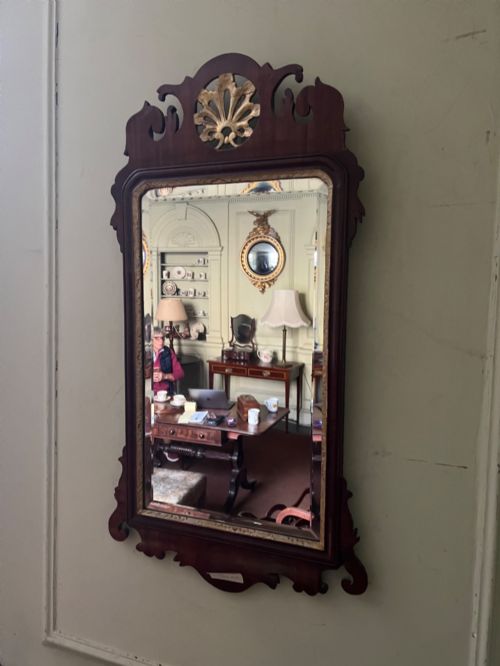
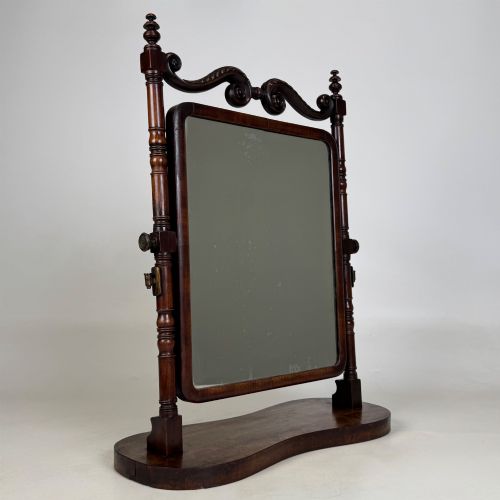
The most common forms on this page include cheval mirrors, wall mirrors and display cabinets originating from the eighteenth and nineteenth centuries.
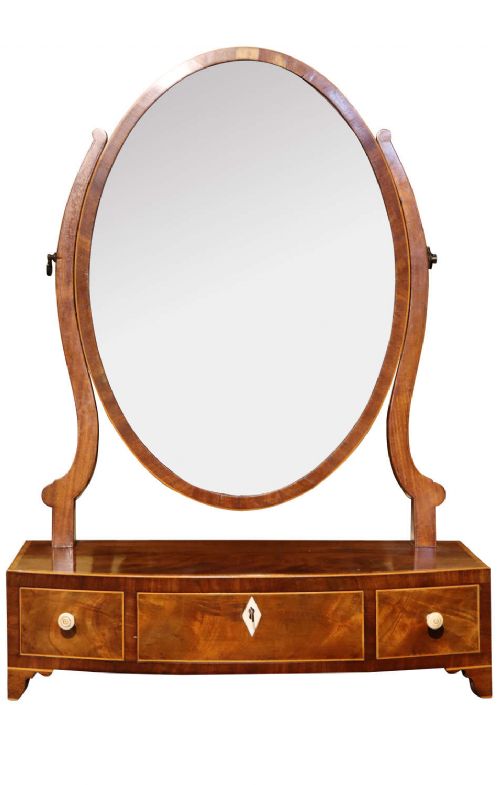
These pieces combine dense mahogany frames with original or period mirror glass, brass fittings and glazed display doors.
Quality and Craftsmanship
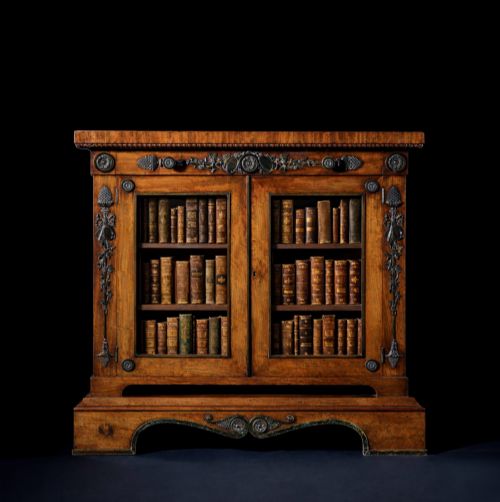
The distinction between tiers rests on the crispness of carved details, such as fret work or parcel-gilt motifs, and the depth of the mahogany grain.
Superior items retain their original mirror plates, glass panels, and brass or bronze hardware rather than replacement components.
Proportions and architectural balance separate standard utility pieces from grander country house and revival examples.
Period Mahogany Glass Retail Price Guide 2026
Typical asking prices for period mahogany glass among the pieces listed under this phrase on Sellingantiques today, from the lower quarter to the upper quarter. They describe what is for sale here now, not the wider market.
The listings feature mahogany combined with mirror glass, brass, giltwood, bone, velvet and gold leaf across Regency, Georgian and Victorian periods.
Gillow·William Kent·John Millikin·Brady
The Period Mahogany Glass Glossary
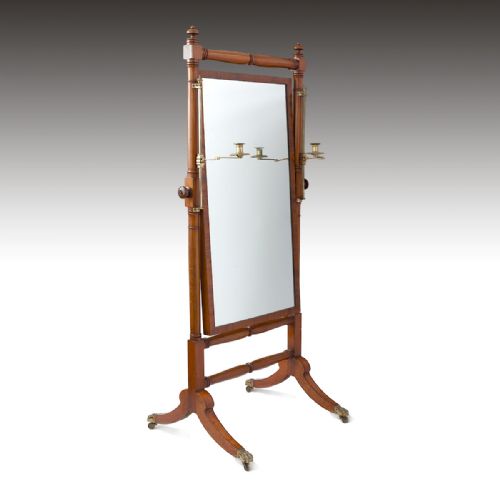
- Cheval mirror
- A freestanding full-length dressing mirror mounted on a pivoted frame between four upright posts. This form allows the glass to tilt for different angles.
- Parcel-gilt
- Partially gilded woodwork where gold leaf highlights specific carved motifs against the dark mahogany. This technique adds contrast to the frame.
- Crossbanding
- A decorative border veneer applied to furniture surfaces where the grain runs perpendicular to the main panel. It frames the primary mahogany timber.
- Pier mirror
- A tall mirror designed to hang on the wall between windows, often placed above a matching pier table or side cabinet.
- Foxed mirror plate
- Aged glass showing spots of oxidation and discoloration behind the reflective coating. This weathering appears naturally on older silvered surfaces.
Period Mahogany Glass: Frequently Asked Questions
How do I identify a Georgian bookcase?
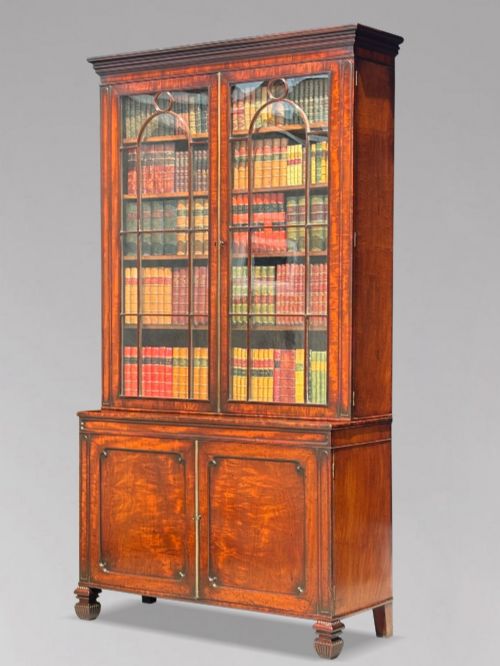
Georgian bookcases feature architectural proportions, often with glazed upper doors divided by wooden framing bars. They showcase mature mahogany timbers and refined joinery.
Many examples incorporate adjustable shelving and bracket or plinth feet, reflecting eighteenth-century design standards.
Where should I place a pier mirror?
Pier mirrors work best hung on narrow wall spaces between windows or directly above side cabinets and console tables. Their vertical proportions draw the eye upward.
Positioning them opposite a light source helps reflect daylight deeper into a room, much as they did in period interiors.
What is foxed glass?
Foxed glass refers to antique mirror plates that have developed dark spots and speckled oxidation behind the silvering over time. This natural ageing process alters the reflection.
Collectors often value this characteristic because it confirms the age of the glass plate within an eighteenth or nineteenth-century frame.