



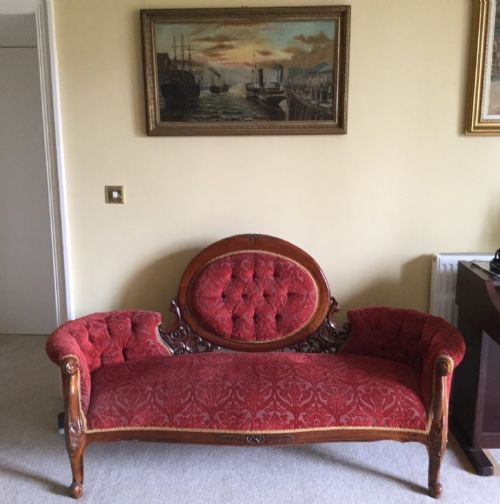
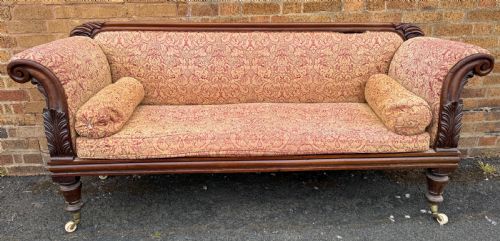


Period Mahogany Couch
A period mahogany couch brings substantial timber warmth and classic seating forms into a room, offering both historical presence and deep comfort.
Period Mahogany Couch
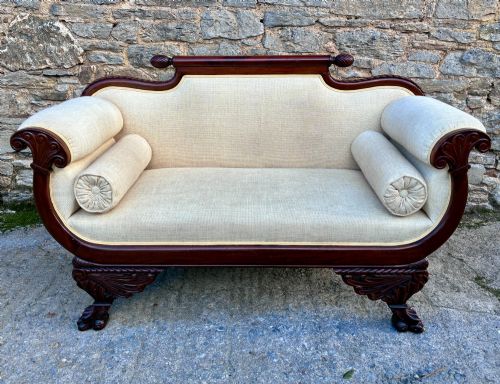
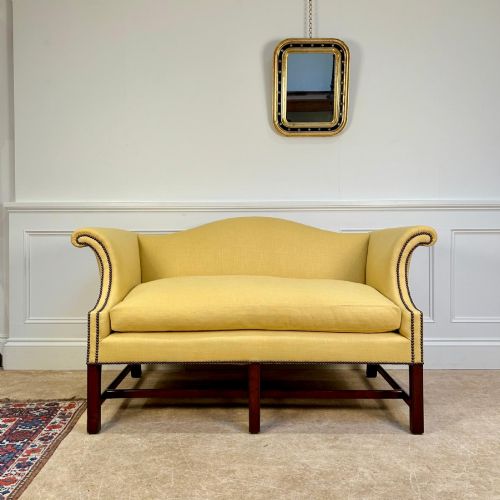
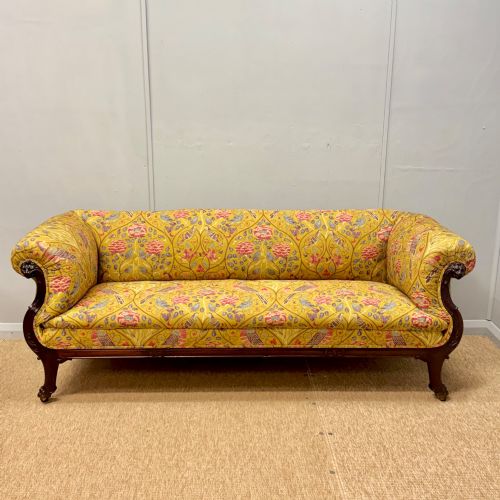
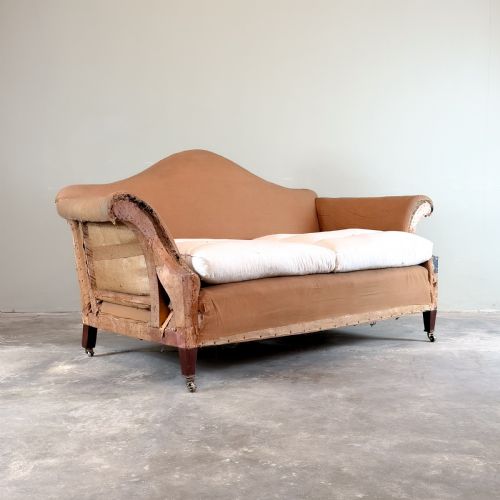
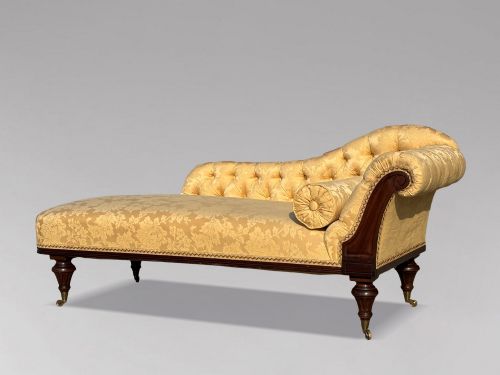
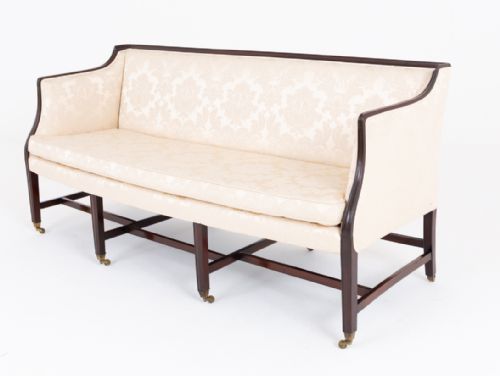
A period mahogany couch encompasses various seating forms such as settees, double-ended sofas, camel backs, and chaise longues originating across the eighteenth, nineteenth, and early twentieth centuries. These pieces reflect distinct historical design movements, ranging from Georgian and Regency eras to Victorian and Edwardian periods.
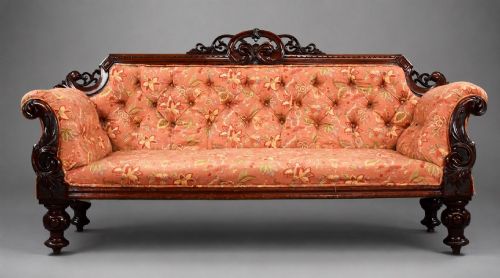
The version a buyer is most likely to encounter here is the nineteenth-century Regency mahogany scroll-end sofa or settee, alongside Georgian and William IV examples. Such pieces typically exhibit substantial show frames of rich timber and traditional upholstered seating.
Makers and designers of these periods drew inspiration from classical proportions and revival styles, resulting in substantial country house seating as well as refined drawing-room furniture.
Materials and construction techniques
Construction relies heavily on solid mahogany timber frames, frequently complemented by rosewood accents or brass details such as castors and decorative mounts. Craftsmen shaped these dense woods through precise carving, turning, and joinery to create robust structural skeletons.
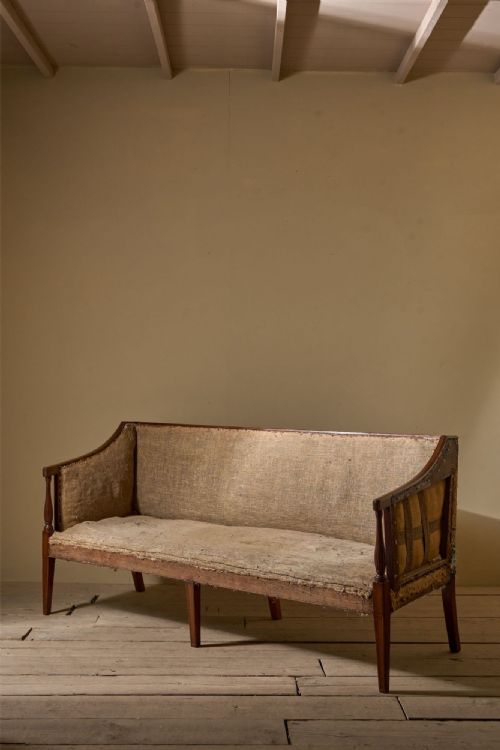
Upholstery methods utilise traditional materials including hessian, fabric, damask, leather, and deep pile brocade over sprung or webbed bases. These textiles are secured to the timber frames to provide durable support and distinct decorative finishes.
Period Mahogany Couch Retail Price Guide 2026
Typical asking prices for period mahogany couch among the pieces listed under this phrase on Sellingantiques today, from the lower quarter to the upper quarter. They describe what is for sale here now, not the wider market.
Some nineteenth-century chaises feature carved animal herms standing guard over afternoon naps.
Distinctions in craftsmanship and materials
Quality separates through the crispness of timber carving, the depth and figuring of the mahogany grain, and the integrity of the underlying frame construction. Superior examples display sophisticated joinery and sculptural details like carved herms, scrolls, or reeded legs.
The standard of upholstery and the historical appropriateness of the fabric choice also distinguish fine pieces, where traditional stuffing and high-grade textiles maintain the intended proportions and comfort of the design.
Chippendale·Hepplewhite
The Period Mahogany Couch Glossary
- Mahogany
- A durable, reddish-brown tropical hardwood prized for its dense grain and stability in fine furniture construction. It takes a high polish and resists warping over centuries.
- Chaise Longue
- An elongated upholstered seating form designed for reclining, combining the characteristics of a chair and a sofa. These pieces often feature a single raised end rest.
- Scroll-End
- A furniture arm or terminal rolled outward in a spiral scroll configuration, typical of Regency and William IV designs. This shape provides both visual movement and ergonomic support.
- Camel Back
- A curved sofa backrest profile that rises in a gentle, continuous convex arch resembling a camel's hump. This classic line originated in eighteenth-century seating design.
- Show Frame
- A structural wooden frame left partially or fully exposed around the upholstered elements to display the carved timber. It highlights the craftsmanship of the maker.
Period Mahogany Couch: Frequently Asked Questions
How do I date a mahogany couch?
Dating relies on examining the secondary woods, structural joinery, and stylistic details such as scroll ends or carved legs against known design periods from the Georgian to Edwardian eras.
Changes in upholstery methods and hardware, such as brass castors, also provide reliable clues to a piece's age and manufacturing decade.
Are these sofas comfortable for daily use?
Most period couches offer firm support due to traditional webbing, springs, and dense horsehair or modern stuffing materials. They suit formal sitting areas and reading rooms well.
Buyers planning regular lounging should check whether the piece has been recently re-upholstered with modern interior cushioning for added softness.
How do I care for antique mahogany wood?
Protect the timber by keeping it away from direct sunlight and radiators, which can dry out the mahogany and cause splitting. Regular dusting with a soft cloth maintains the finish.
Occasional application of high-quality beeswax nourishes the grain without building up heavy chemical residues that dull the surface over time.
What is the difference between a settee and a sofa?
Historically, settees tend to feature more exposed wooden frames and lighter proportions, often seating two people comfortably in a drawing-room setting. Sofas usually provide larger, more heavily upholstered seating capacity designed for grander reception rooms.