





Period Lowboy Desk
A period lowboy desk is a compact table with drawers, prized for graceful proportions and versatility as a writing surface or dressing table.
Period Lowboy Desk
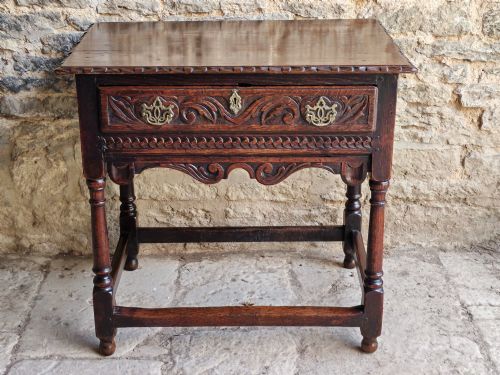
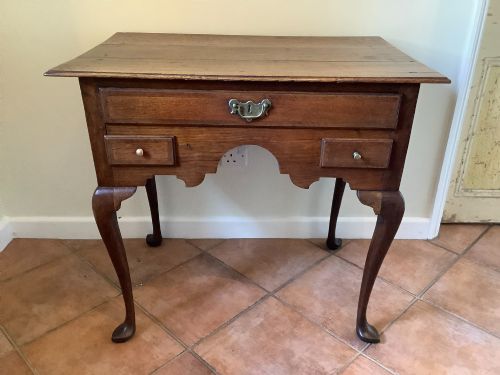
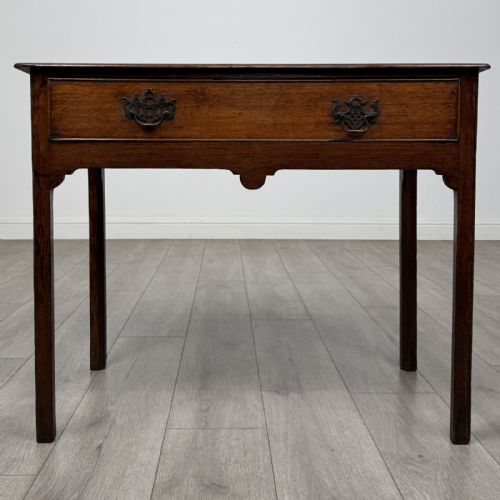
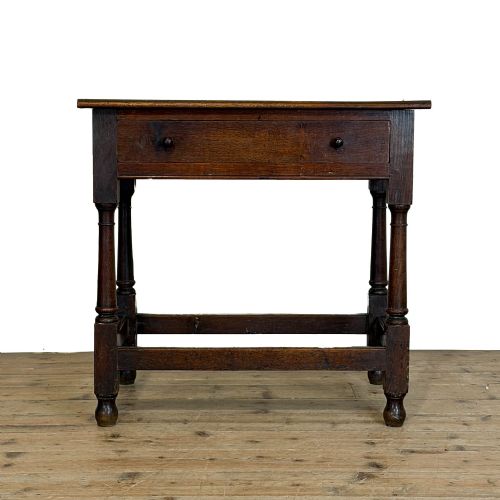
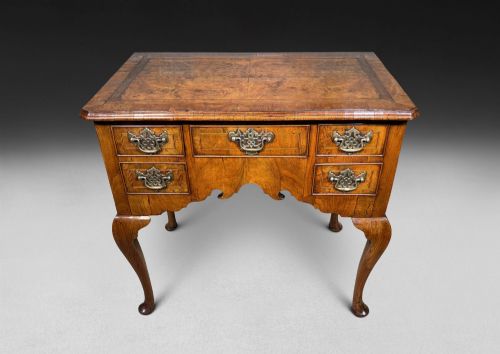
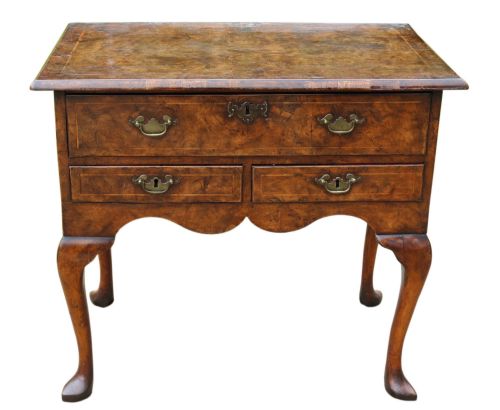
When searching for a period lowboy desk, buyers encounter low-standing tables primarily dating from the seventeenth, eighteenth and nineteenth centuries, spanning Queen Anne, Georgian and Jacobean styles. These versatile forms function variously as side tables, writing tables, dressing tables and lamp tables, often interchangeably termed lowboys or side tables in historic records.
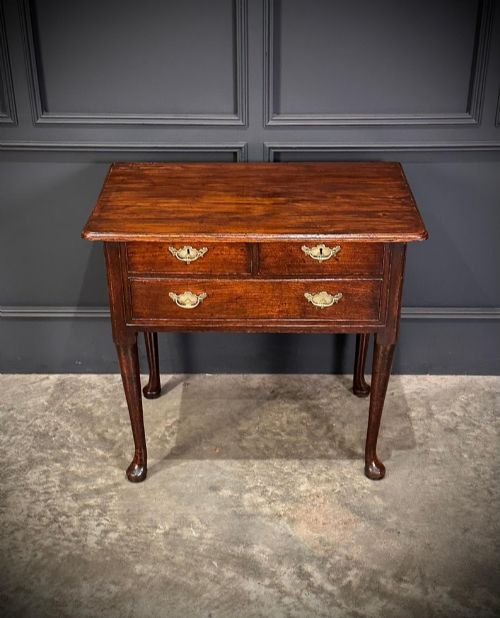
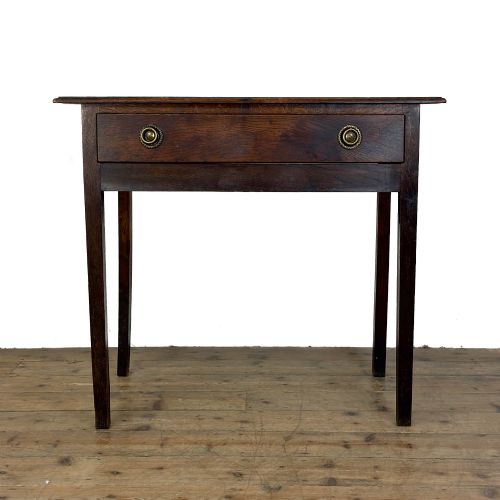
Oak dominates the selection, frequently seen alongside mahogany, burr elm, walnut and burr walnut, sometimes enhanced with inlay and brass hardware. The eighteenth century provides the core of these pieces, with specific items attributed to periods like George II and George III alongside country house examples.
What varies in quality
The refinement of the timber choice dictates the upper tier of quality, where figured burr walnut and burr elm display exceptional grain patterns across the top and drawer fronts. Simpler oak variants rely instead on the honesty of regional construction and patination built through centuries of use.
Proportion and stylistic detail separate standard examples from exceptional ones, particularly in the shaping of aprons, the grace of cabriole or straight legs, and the integration of period brassware.
Period Lowboy Desk Retail Price Guide 2026
Typical asking prices for period lowboy desk among the pieces listed under this phrase on Sellingantiques today, from the lower quarter to the upper quarter. They describe what is for sale here now, not the wider market.
Materials recorded across the available pieces include oak, mahogany, walnut, burr elm, burr walnut, brass, inlay and iron.
The Period Lowboy Desk Glossary
- Lowboy
- A small table with drawers, typically standing on four legs, used historically for dressing or writing.
- Burr Walnut
- A figured wood veneer taken from the growth excrescence of a walnut tree, prized for swirling patterns.
- Cabriole Leg
- A furniture leg that curves out and then in, resembling the leg of an animal, common in Queen Anne and George II pieces.
- Escutcheon
- A flat plate surrounding a keyhole, often made of brass on period drawer fronts.
- Patina
- The surface sheen and mellowing developed on wood and metal over long periods of handling and age.
Period Lowboy Desk: Frequently Asked Questions
What is a lowboy used for?
A lowboy serves as a versatile small table equipped with drawers. Historically utilised for personal grooming, writing or general display, it fits well in bedrooms, hallways and living spaces.
Today, buyers frequently place them as writing desks, lamp tables or decorative side tables in compact rooms where a full-sized desk overwhelms the space.
How do I date an oak lowboy?
Dating relies on observing construction methods, timber choice and stylistic indicators such as leg shape and drawer configuration. Seventeenth-century examples often display heavier framing and simpler mouldings.
Eighteenth-century pieces, particularly from the Queen Anne and Georgian eras, introduce lighter proportions, cabriole legs and refined drawer linings that reflect changing interior fashions.
Are lowboys and side tables the same?
Lowboys are fundamentally a specific type of side table featuring one or more rows of drawers beneath the surface. Many period tables share overlapping terminology in historical listings.
While all lowboys function as side tables due to their compact footprint, not all side tables include the drawer configuration defining a classic lowboy.
How do I care for a walnut lowboy?
Care involves maintaining stable indoor humidity levels and keeping the timber away from direct heat sources and strong sunlight. Gentle dusting with a soft cloth preserves the finish.
Occasional application of appropriate wax protects the historical surface without building up excessive residues that obscure the natural grain and patina.