




Period Lighting Ceiling Fixture
These period lighting ceiling fixture examples bring historic weight and warm illumination to high-ceilinged rooms.
Period Lighting Ceiling Fixture
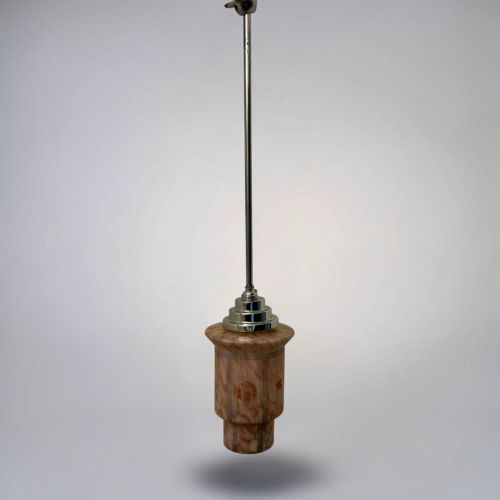
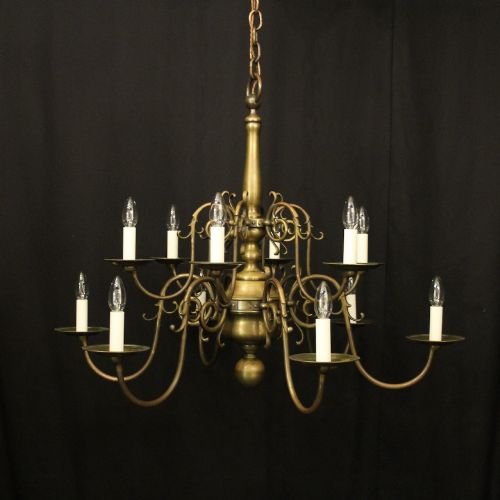
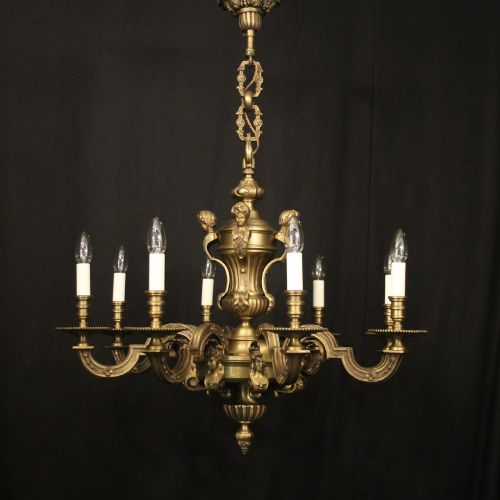
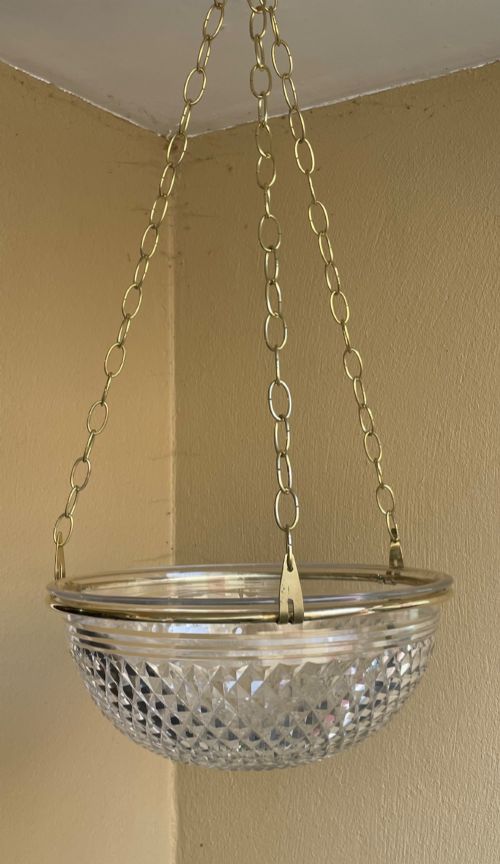
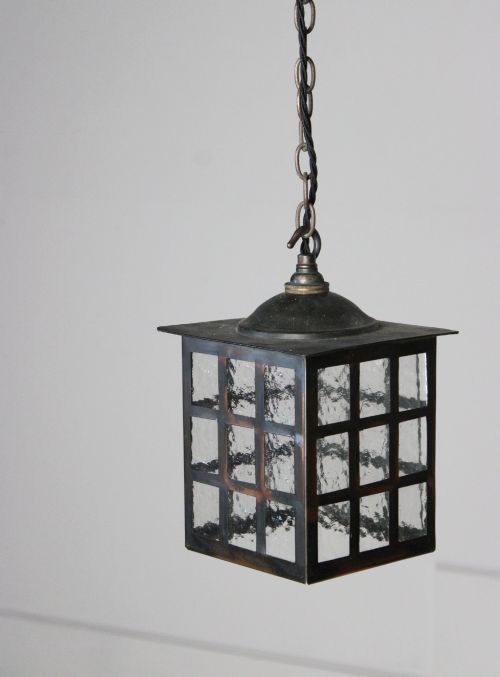
A period lighting ceiling fixture encompasses heavy bronze and brass chandeliers, glass lanterns, and multi-armed fittings designed to hang centrally within a room. When hunting for a period lighting ceiling fixture, buyers frequently encounter Edwardian glass plafonniers, 1930s Art Deco hanging lanterns, and ornate nineteenth-century brass assemblies.
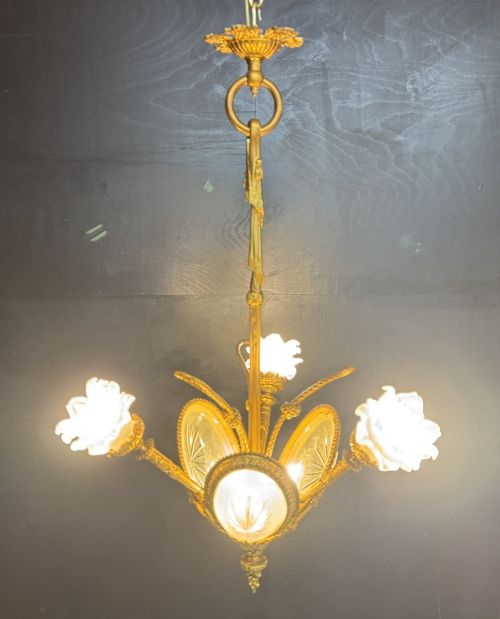
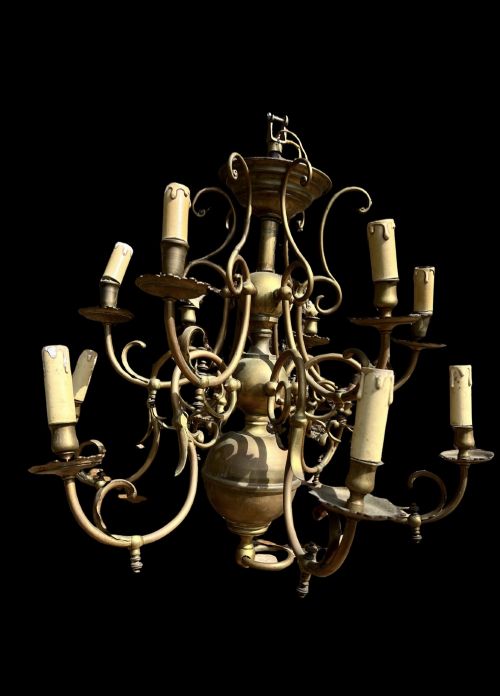
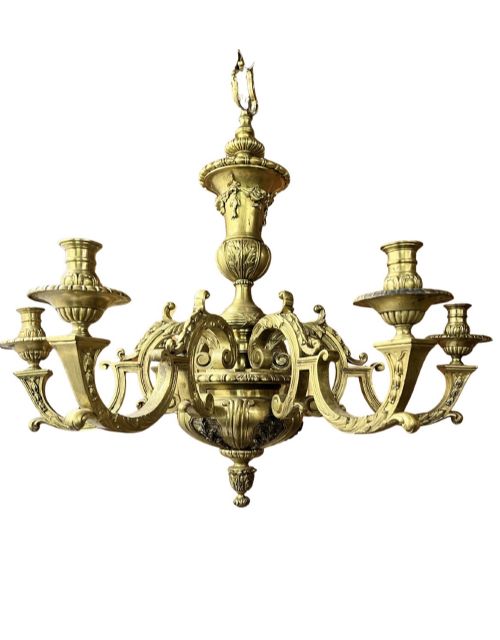
The selection ranges from restrained English bronze designs with multiple arms to elaborate French ormolu and crystal creations carrying up to fifteen lights. Many of these ceiling lights reflect distinct historical revivals, spanning from French Louis XVI and Rococo forms down to sturdy Arts and Crafts iterations.
Grander spaces often demand multi-tiered brass and glass chandeliers, whereas hallways and vestibules suit enclosed copper or frosted glass lanterns. Each surviving fixture bears the functional adaptations of its era, moving from early gas fittings toward nineteenth-century and twentieth-century electrification.
Materials and Construction
Foundries cast the structural frames of these fixtures in brass, bronze, copper, and gilt ormolu, providing the rigid skeletal support required for multi-armed chandeliers. Heavier compositions often utilise cast bronze or gilded brass to sustain the considerable weight of glass components.
Prisms, shades, and bowls employ hand-cut glass and crystal, ground and polished to refract bulb or candle light across interior walls. Frosted glass panels and moulded shades appear frequently in later Edwardian and Art Deco pendant designs.
Metals receive various surface treatments, from polished brass and silver plating to patinated bronzing and deep green finishes on copper lanterns. Rivets, screw fittings, and chased surface decoration hold the metallic elements together, securing glass drops and arms.
Period Lighting Ceiling Fixture Retail Price Guide 2026
Typical asking prices for period lighting ceiling fixture among the pieces listed under this phrase on Sellingantiques today, from the lower quarter to the upper quarter. They describe what is for sale here now, not the wider market.
An unusually grumpy green man face glares from the copper surface of a nineteenth-century lantern.
Assessing Quality
Quality rests upon the crispness of the metal casting and the depth of hand-chased detail visible across bronze, ormolu, and brass components. Superior examples display sharp floral motifs, clean architectural lines, and well-finished joints rather than soft or blurred cast surfaces.
The clarity and weight of the glass or crystal elements dictate upper-tier manufacture, marked by deep hand-cutting and precise bevelling on prisms and shades. Inferior specimens rely on thin, pressed glass lacking the refractive brilliance found in fine nineteenth-century English and French pieces.
Structural integrity also separates standard utility fittings from masterworks, evident in robust weight distribution across multiple arms and heavy ceiling roses. Fine proportioning ensures the fixture hangs level and balances its decorative load without strain.
F&C Osler·G.E.C
The Period Lighting Ceiling Fixture Glossary
- Plafonnier
- A shallow ceiling light fitted close to the plasterwork, frequently featuring cut glass held in a metal frame. Edwardian interiors used these fixtures extensively in rooms with lower ceiling clearances.
- Ormolu
- Finely chopped high-zinc brass applied as a gilt surface layer to bronze mounts, common in French eighteenth-century revival pieces. This technique yields a warm golden appearance without solid gold construction.
- Electrolier
- A light fixture engineered specifically for electric bulbs, though the term often describes earlier gas or candle chandeliers subsequently converted to electricity. They retain the multi-armed branching typical of traditional candle holders.
- Ceiling Rose
- The ornamental plaster or metal disc attached to the ceiling from which a chandelier or pendant light descends. Surviving antique brass roses often match the metalwork of the hanging fixture.
- Cage Chandelier
- A style featuring an internal metal framework of vertical and horizontal straps supporting numerous glass drops and candle arms. French workshops produced these skeletal frames in quantity around nineteen hundred.
Period Lighting Ceiling Fixture: Frequently Asked Questions
How do I hang a heavy antique chandelier?
Heavy bronze and crystal chandeliers require direct ceiling joist anchorage using rated steel hooks and toggles rather than standard plaster fixings. A qualified electrician must inspect the ceiling structure to ensure it can bear the substantial combined weight of metal and glass.
Wiring within older fixtures often needs complete rewiring to meet modern safety standards. Professional installation guarantees the fitting hangs securely at the correct height for the room.
Can I convert a gasolier to electricity?
Many surviving gasoliers and early combination fittings undergo conversion to electricity by running internal wiring through the original brass or bronze gas tubes. Skilled restorers preserve the exterior historical appearance while updating the internal channels for modern bulb sockets.
Careful conversion retains original valves and decorative keys as fixed decorative elements. This process allows functional use of nineteenth-century lighting in contemporary homes.
How do I clean cut glass and crystal shades?
Cleaning antique cut glass and crystal requires removing individual drops and shades where possible to wash them in lukewarm water with mild soap. Harsh chemical cleaners can damage aged gilt bronze or silver-plated metal components adjacent to the glass.
Dried fixtures benefit from soft lint-free cloths to restore the refractive sparkle of the crystal prisms. Regular dusting prevents grime accumulation in the deep hand-cut facets.