





Traditional Multi Arm Light
A traditional multi arm light hangs as the focal point of a room, bringing period character and grand illumination through brass, bronze and crystal.
Traditional Multi Arm Light
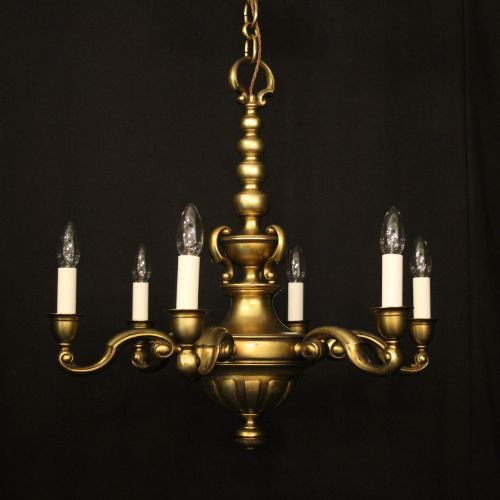
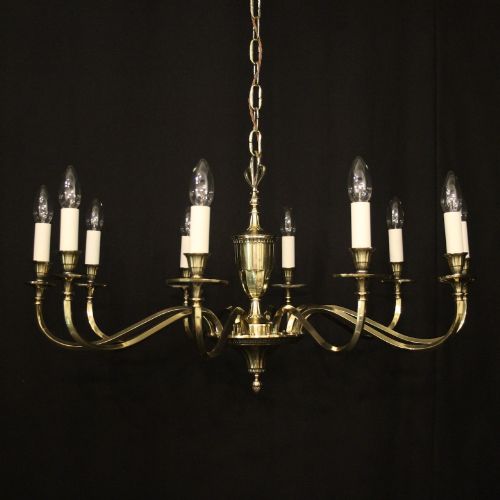
When you search for a traditional multi arm light, you encounter substantial ceiling fixtures and chandeliers spanning from the Victorian and Edwardian eras into the early twentieth century. The selection ranges from compact five arm brass designs to massive ballroom chandeliers carrying over forty lights.
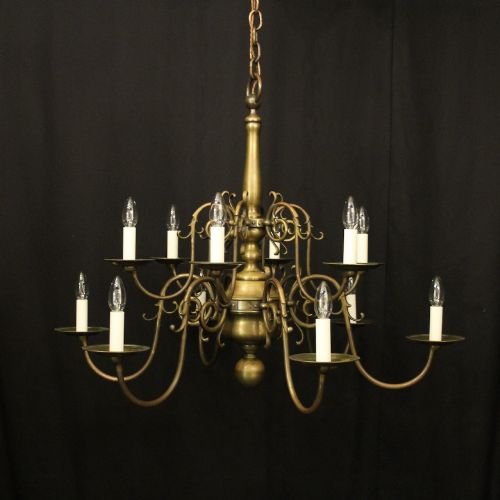
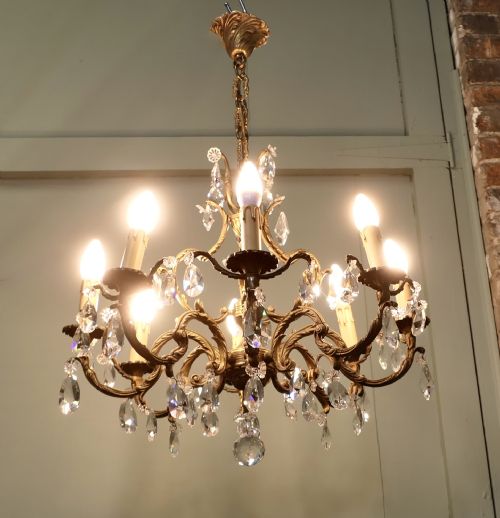
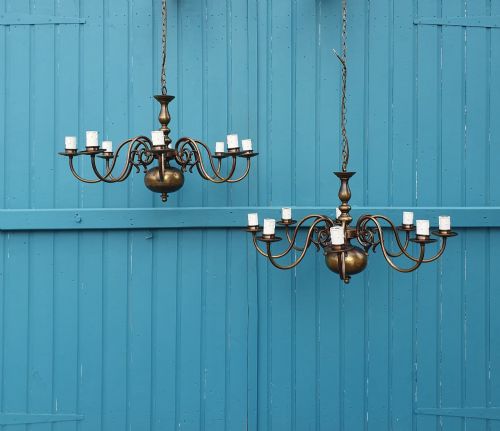
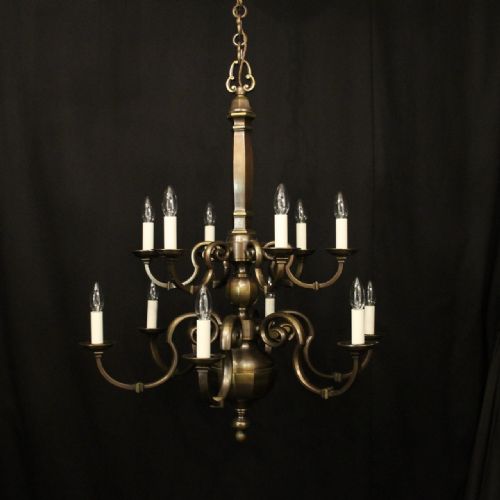
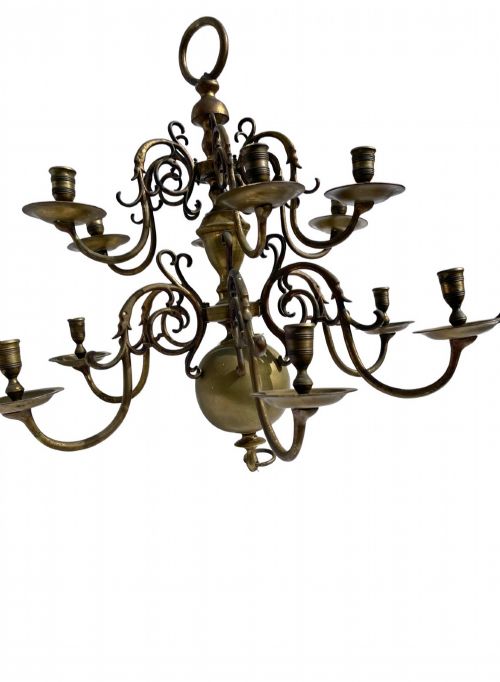
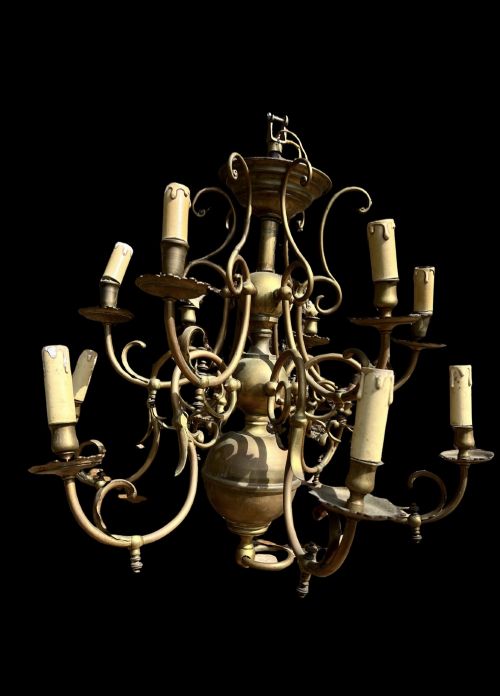
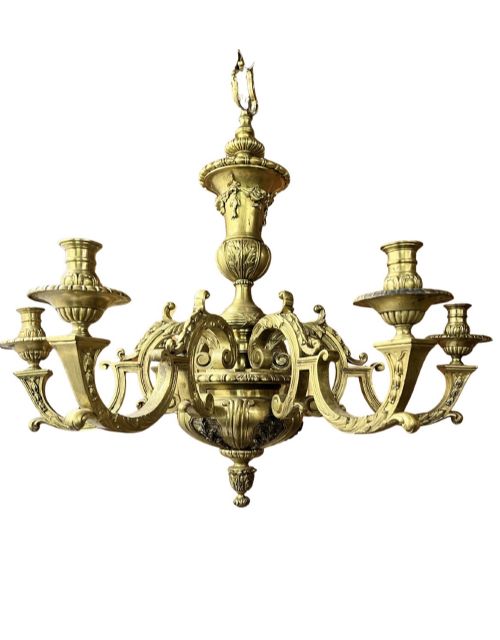
Most pieces on this page originate from British, French, Dutch and Bohemian workshops, reflecting regional preferences in metalwork and glass cutting. You will frequently meet Dutch Baroque revival brass styles alongside French bronze frames hung with crystal drops and lustres.
Object types primarily take the form of chandeliers and ceiling lights, accompanied by matching candelabras intended for sideboard or table placement. These fixtures served to illuminate principal rooms in period homes, utilising candle power initially before conversion to gas and electricity.
Materials and Construction
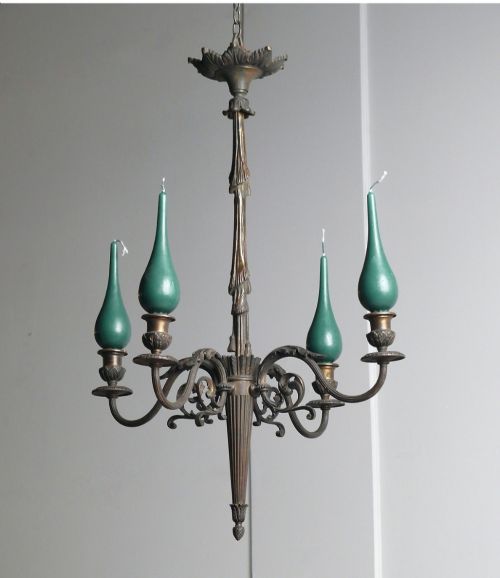
Foundry work forms the backbone of these pieces, employing cast brass, solid brass, bronze and copper to build robust scroll arms and central stems. Metal components are frequently polished, bronzed or silver plated to achieve distinct surface finishes.
Transparency and sparkle come from extensive use of cut glass, moulded glass, crystal teardrops and lustres wired onto the metal framework. Larger examples require reinforced structural engineering to support the heavy combined weight of metal branches and glass pendants.
Traditional Multi Arm Light Retail Price Guide 2026
Typical asking prices for traditional multi arm light among the pieces listed under this phrase on Sellingantiques today, from the lower quarter to the upper quarter. They describe what is for sale here now, not the wider market.
Standards of Manufacture
Quality reveals itself in the crispness of the metal casting and the depth of hand finishing on scroll arms and drip pans. Heavy gauge brass and solid bronze components hold their alignment better and carry large numbers of branches without flexing.
Glass elements distinguish simpler fixtures from high end pieces through clarity, precise hand cutting and the richness of suspended crystal lustres. Original patination on older bronze and brass surfaces also indicates genuine age and careful preservation.
G.E.C
The Traditional Multi Arm Light Glossary
- Chandelier
- A branched ceiling fixture suspended to hold multiple light sources, traditionally candles and later gas or electricity.
- Lustre
- A cut glass or crystal pendant hung from a lighting fixture to refract and amplify the illumination.
- Candelabra
- A branched candlestick holder designed for multiple candles, sharing stylistic traits with contemporary chandeliers.
- Scroll arm
- A curved metal branch extending outward from the central stem to support a light fitting or drip pan.
- Gasoliere
- A historic lighting fixture originally engineered and piped for coal gas illumination before electrical conversion.
Traditional Multi Arm Light: Frequently Asked Questions
How do I choose the right size chandelier?
Consider the dimensions of your room and the height of your ceiling to ensure proportional balance. Larger multi arm lights require adequate clearance below and strong ceiling joists for safe suspension.
Measure your floor space and table placement if hanging the fixture over a dining area. Compact fifteen inch models suit smaller spaces, whereas sprawling multi tier chandeliers demand substantial architectural volume.
Are these lights wired for modern electricity?
Many antique fixtures arrive with modern electrical wiring or have been adapted from gas and candle use over their lifespan. It is standard practice to have an electrician inspect and test older internal wiring prior to installation.
Rewiring preserves the historic metalwork while ensuring compliance with contemporary safety standards. You can use standard LED candle bulbs to replicate the warm glow of historic illumination.
How can I tell the period of a light?
Dating relies on examining the manufacturing techniques, mounting hardware, metal patination and glass cutting styles. Victorian and Edwardian pieces often display distinct casting weights and scrollwork patterns characteristic of their decade.
Comparing the construction methods against documented pieces helps establish an approximate date of origin. Subtle clues like screw thread types and suspension loops offer further evidence of age.