







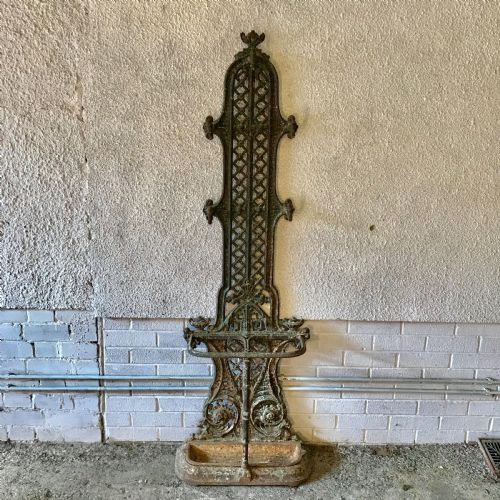
Period Gothic Furniture
Period gothic furniture brings heavy timber, ecclesiastical ironwork and pointed arches directly into the domestic interior.
Period Gothic Furniture
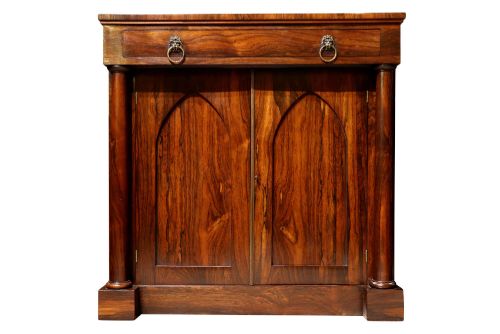
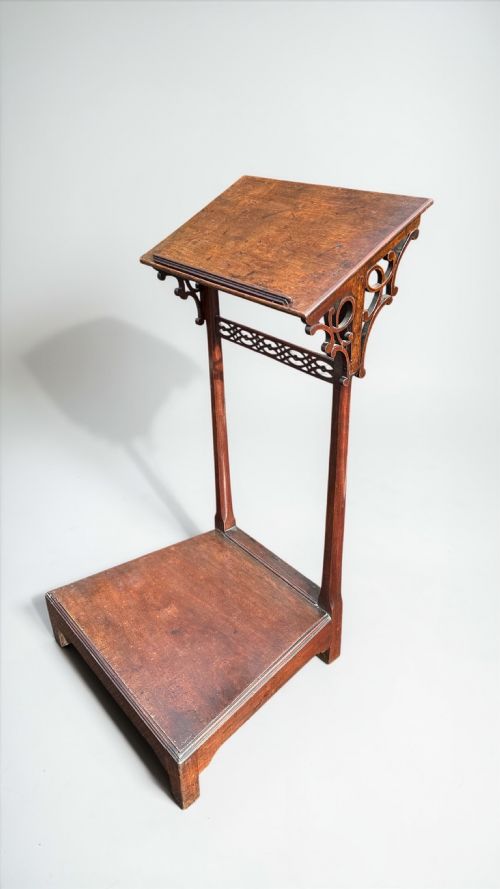
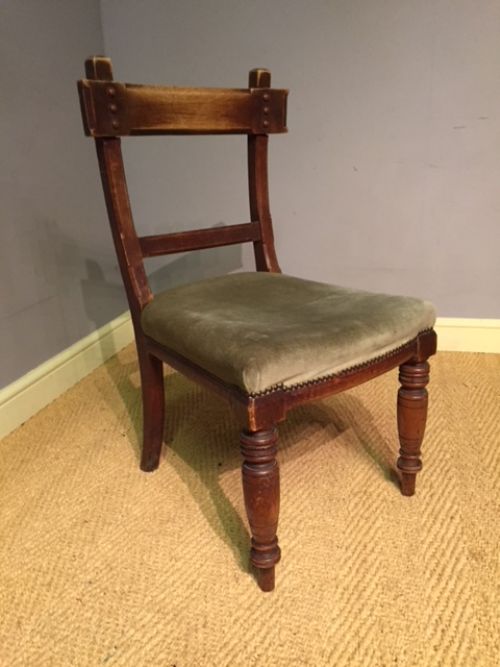
Period gothic furniture encompasses items made during revival movements and earlier eras, spanning Georgian, Victorian and 19th Century aesthetics. These pieces include oak chairs, chiffoniers with panelled doors, devotional furniture like the prie dieu, and hall furniture.
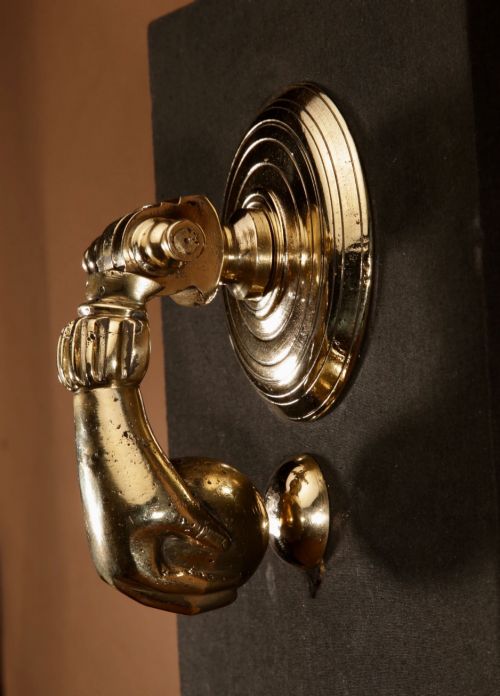
The version most commonly met on this page is the Victorian interpretation, often expressed through cast iron garden seats, stick stands and architectural door hardware. Pieces range from large reception hall cabinets to small brass bolts and centre door knobs.
Makers and foundries of the period drew heavily on medieval architectural motifs, translating stone tracery and ecclesiastical forms into domestic timber, brass and ironwork.
How they were made
Makers utilised solid oak, mahogany and rosewood for cabinetry, constructing panels and frames to house gothic tracery and carved details. Rosewood chiffoniers incorporate glazed or panelled doors that reflect the architectural preoccupations of the 19th century.
Foundries utilised cast iron and wrought iron for garden seats, hall stands and heavy outdoor furniture, employing moulds to capture ornate strapwork and floral or structural motifs. Smaller items like door knockers and centre door knobs were cast in bronze and brass.
Period Gothic Furniture Retail Price Guide 2026
Typical asking prices for period gothic furniture among the pieces listed under this phrase on Sellingantiques today, from the lower quarter to the upper quarter. They describe what is for sale here now, not the wider market.
Listings feature items spanning the Georgian, Victorian and 19th Century periods, constructed from oak, rosewood, cast iron, brass and bronze.
What varies in quality
The refinement of the casting separates standard ironwork from exceptional foundry pieces, where details remain crisp and well-defined. Heavier castings and pieces bearing foundry marks show greater attention to the original architectural source material.
Cabinetry quality rests on the selection of timber, such as figured rosewood or dense oak, and the precision of the joinery in panelled doors. Finer examples maintain structural integrity alongside deeply carved or applied decorative elements.
Falkirk Foundry
The Period Gothic Furniture Glossary
- Prie dieu
- A small devotional desk or chair designed for kneeling and prayer, often associated with earlier Georgian or Victorian ecclesiastical revivals.
- Chiffonier
- A low cabinet or sideboard featuring shelves and cupboards, popular during the Regency and Victorian periods for domestic storage.
- Strapwork
- A decorative motif composed of interwoven flat bands, frequently seen in iron garden seats and strapwork furniture.
- Aesthetic Movement
- A late 19th-century design style focusing on visual and material beauty rather than narrative or moral function.
Period Gothic Furniture: Frequently Asked Questions
What defines period gothic furniture?
These items draw inspiration from medieval architecture, featuring pointed arches, tracery and robust construction. They bridge domestic utility and ecclesiastical design.
Materials range from heavy oak and rosewood to cast iron and brass, reflecting both indoor cabinetry and exterior garden or hardware use.
How do I date a piece?
Dating relies on material combinations, construction methods and stylistic markers like Victorian gothic revival or Regency proportions. Foundry marks can also pinpoint manufacturing eras.
Comparative analysis of timber grain, fixings and cast iron crispness helps separate mid 19th-century pieces from later reproductions.
Where were these pieces used?
Cabinets and chiffoniers served in reception halls and formal rooms, while iron garden seats and chairs populated Victorian grounds. Smaller hardware items functioned on heavy doors throughout the home.
Devotional furniture like the prie dieu was kept in private chambers or chapels for personal prayer.
How should I care for ironwork?
Cast iron garden furniture and hardware benefit from dry storage during harsh weather and gentle cleaning to preserve the surface finish. Maintaining the metal prevents corrosion and protects the original casting details.
Indoor brass and bronze elements require minimal intervention, avoiding harsh abrasive polishes that wear away fine surface definition.