
Period Furniture Side Table
These period furniture side tables bring centuries of English and continental timber craft into daily domestic use.
Period Furniture Side Table
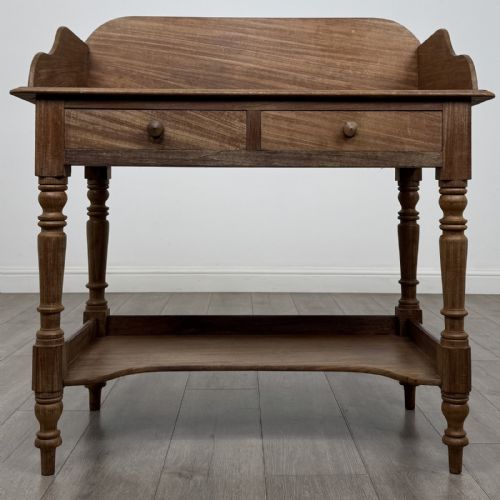
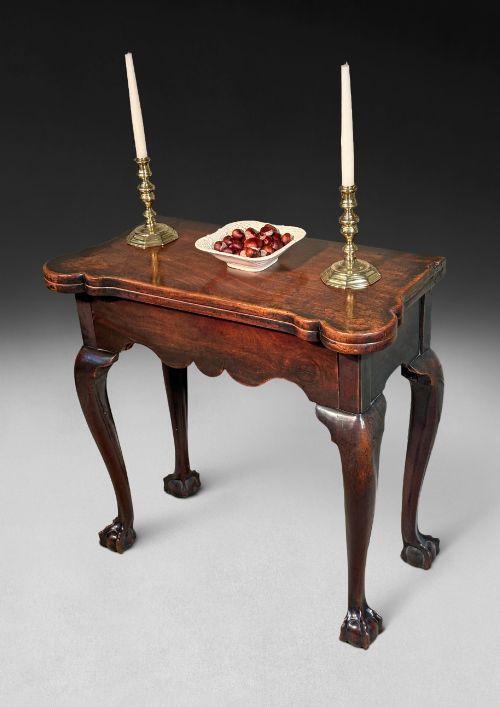
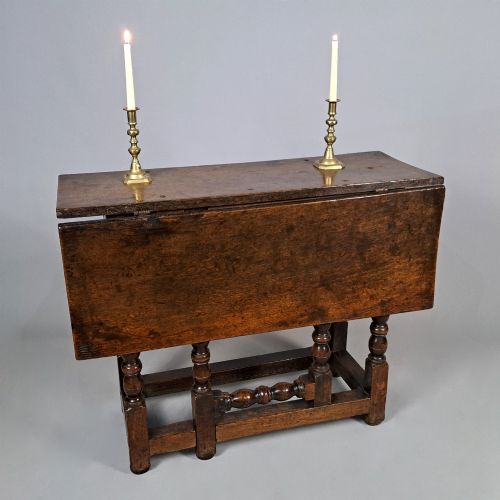
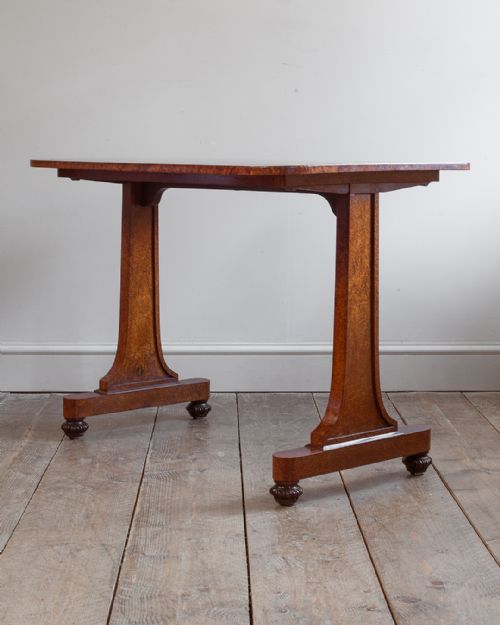
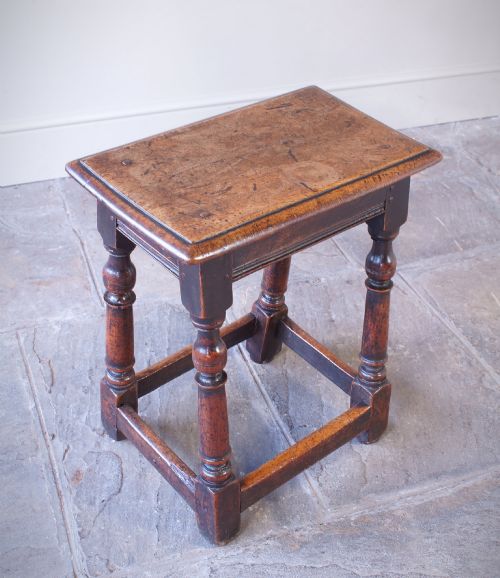
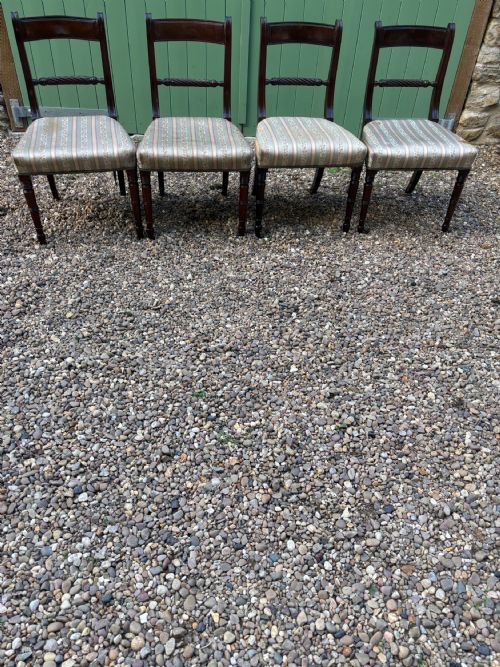
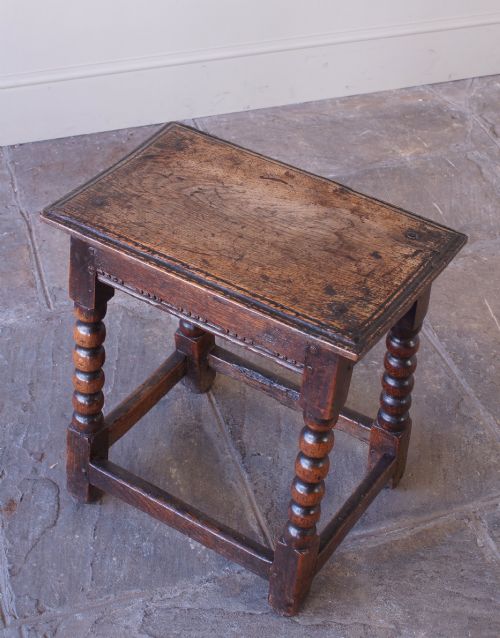
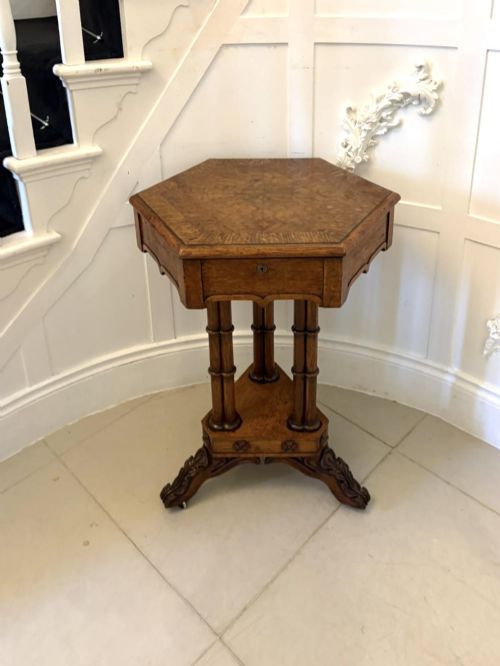
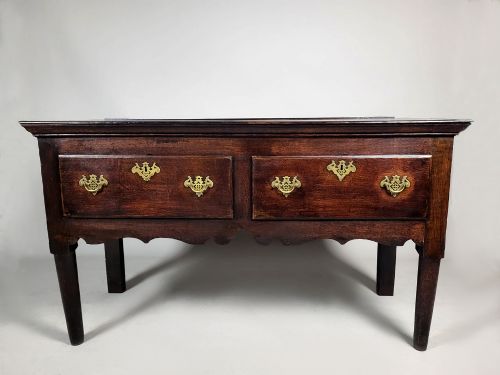
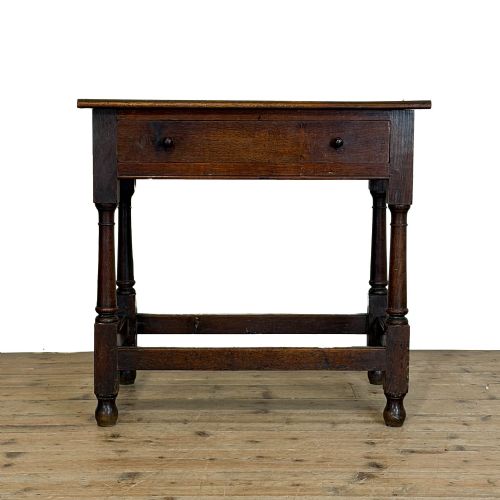
When searching for a period furniture side table, you encounter a diverse array of timber pieces spanning several centuries, from seventeeth-century oak examples to refined nineteenth-century rosewood designs. The selection frequently includes lowboys, occasional tables, cricket tables, and foldover tea tables originating from Georgian, Regency, and earlier periods.
Oak and mahogany form the backbone of these offerings, appearing alongside walnut, elm, ash, and rosewood within specific historical contexts. Pieces range from simple joint stools and tripod tables to elaborate brass-inlaid card tables and tiered whatnots designed for specific domestic functions.
How they were made
Cabinetmakers relied heavily on solid hardwoods such as oak, mahogany, walnut, and rosewood, often selecting timber with figured or burr grains for visible surfaces. Construction techniques involved traditional joinery, turning, and carving, complemented by brass handles, sabots, and castors on later pieces.
Decorative elements included boxwood stringing, brass-inlaid details, and giltwood finishes, while certain tables incorporated marble tops or leather writing surfaces depending on the period and style.
Listings feature woods such as oak, mahogany, walnut, rosewood, elm, ash, boxwood, and marble across seventeenth-century to nineteenth-century periods.
What varies in quality
The degree of surface preservation and the presence of original brasses or patination distinguish standard examples from exceptional survivals. Timber selection also plays a role, with choice burr elm, figured walnut, or Honduras mahogany indicating higher ambition in the workshop.
Proportion and structural integrity define the caliber of each piece, where restrained carving and balanced design separate everyday utility items from masterworks of their respective eras.
The Period Furniture Side Table Glossary
- Lowboy
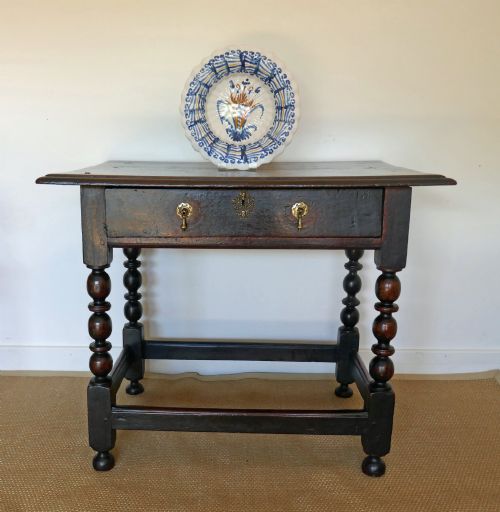
- A small dressing table or side table with one or more drawers, typically dating from the eighteenth century.
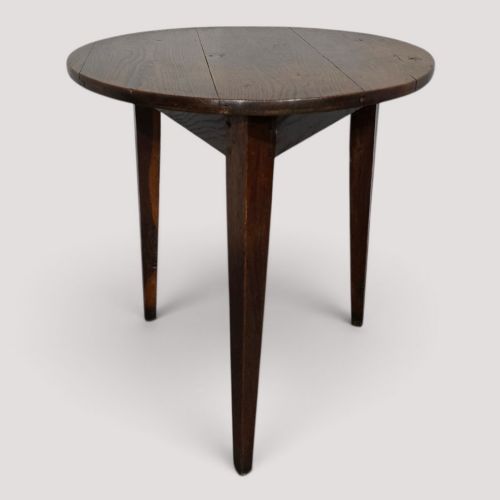
- Cricket table
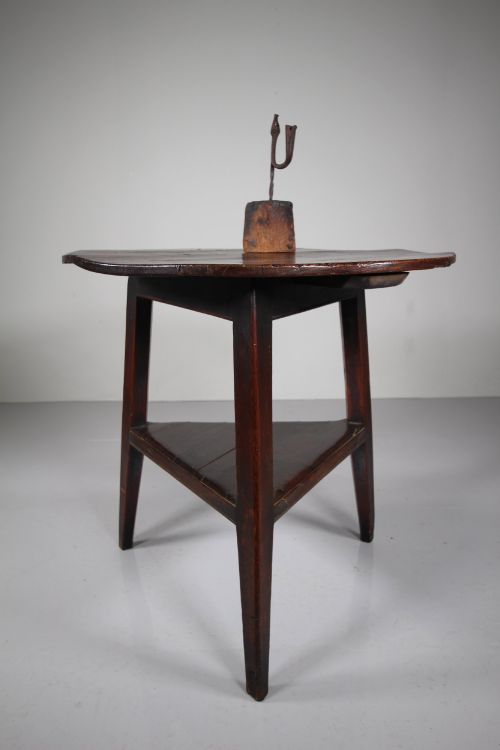
- A small, lightweight three-legged table, usually constructed from oak or ash and common in domestic settings.
- Joint stool
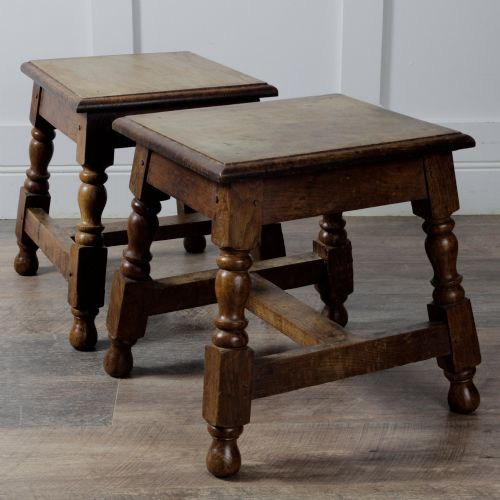
- A sturdy wooden stool built with mortise and tenon joints, dating frequently from the seventeenth century.
- Pembroke table
- A small rectangular table with hinged flaps on either side, popular during the Georgian and Regency periods.
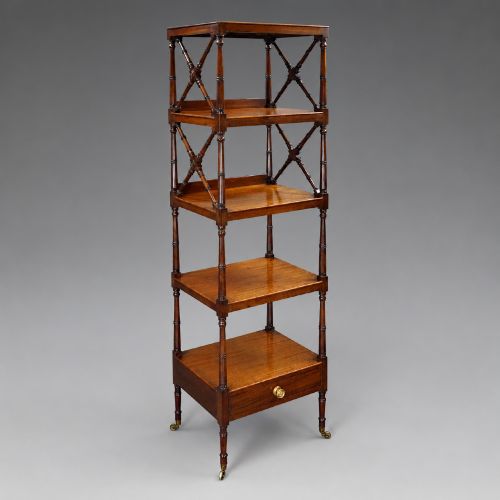
- Whatnot
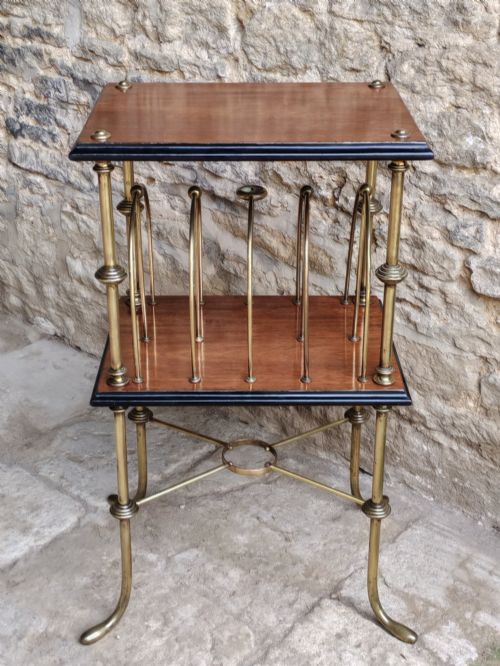
- An open set of freestanding shelves used for displaying objects, appearing in various forms during the Georgian and Regency eras.
Period Furniture Side Table: Frequently Asked Questions
How do I date an oak side table?
Dating relies on observing construction methods, joinery types, and timber characteristics typical of seventeenth- or eighteenth-century cabinetmaking. Tool marks and fastener types offer further clues to the period of origin.
Comparing the piece to documented examples from eras like the Charles II or George III periods helps narrow down the decade of manufacture.
What is the difference between a lowboy and a side table?
A lowboy specifically designates a small table featuring one or more drawers beneath the top surface, traditionally used for personal grooming or writing. Standard side tables encompass a wider variety of forms without necessarily including drawer storage.
Both types share similar heights and proportions suited for placement against walls in period interiors.
Were these tables used in dining rooms?
Many tables served multiple domestic functions, including serving food, holding tea equipment, or acting as surfaces for lamps and writing materials. Foldover tea tables and pembroke tables adapted easily to changing room layouts.
Occasional and cricket tables moved freely around the home as daily needs required.
How should I care for antique rosewood and mahogany?
Maintaining timber surfaces involves keeping them away from direct sunlight and extreme temperature fluctuations that cause wood to dry or split. Gentle dusting with a soft cloth preserves the natural patina without stripping historical finishes.
Avoiding synthetic polishes ensures the original wax or oil finish remains stable over time.