

Period Furniture Seat
Period furniture seat options encompass centuries of craftsmanship, offering historical seating that grounds a room in tangible heritage.
Period Furniture Seat
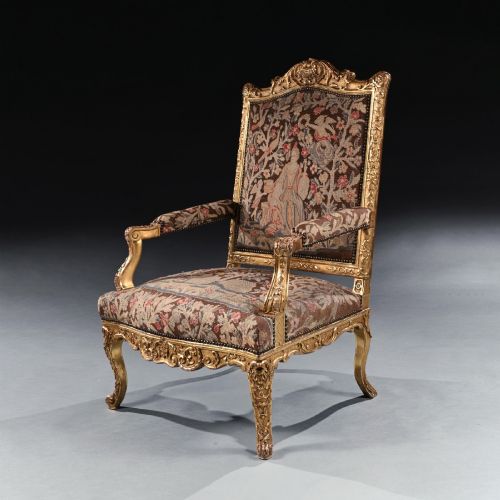
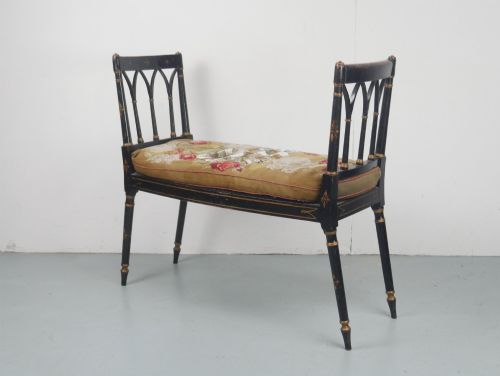
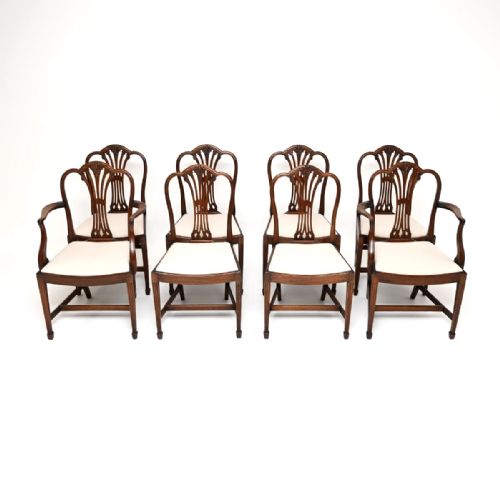
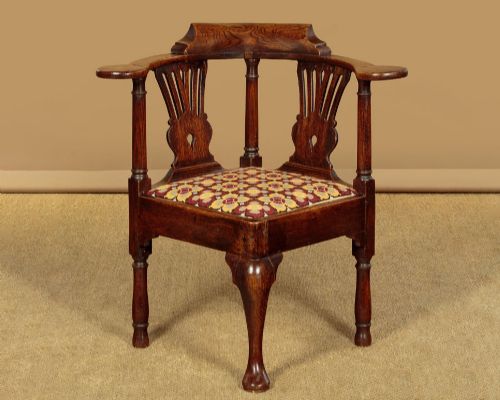
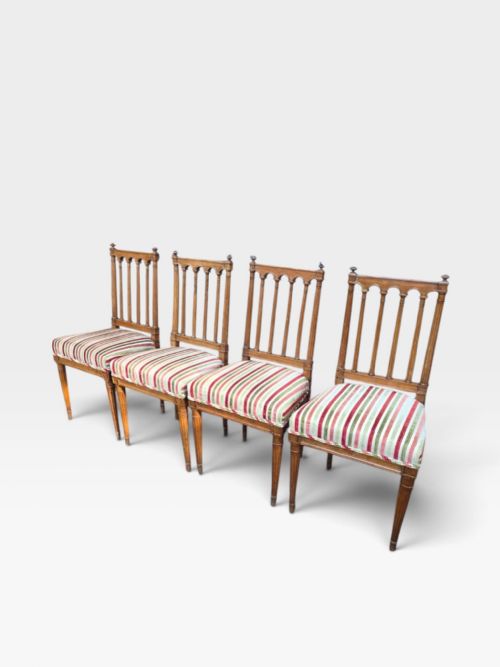
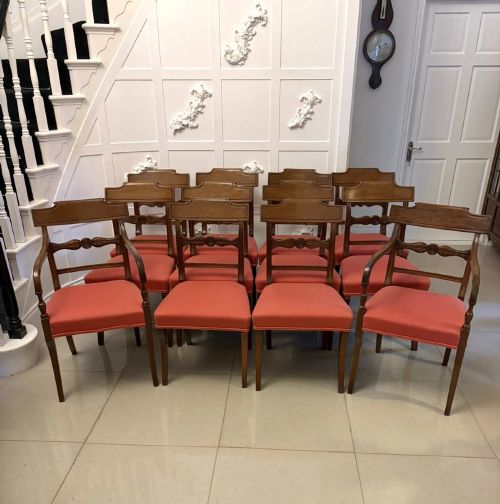
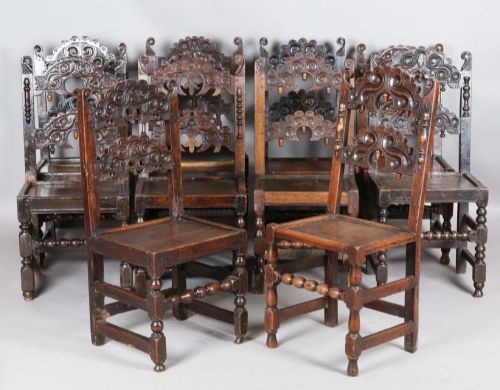
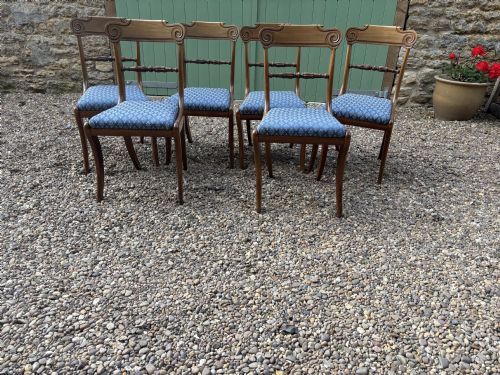
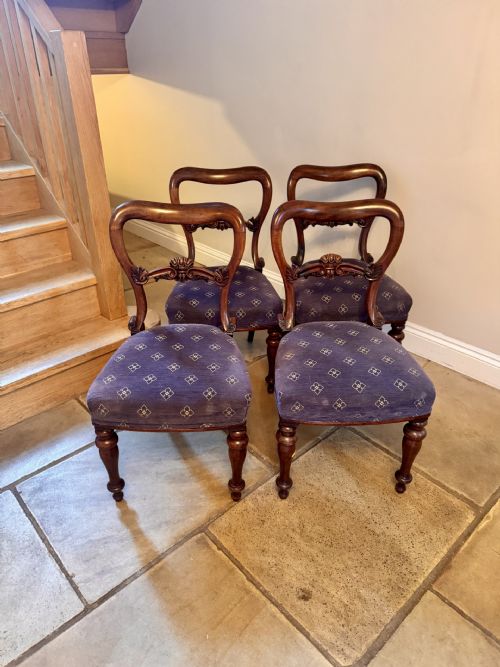
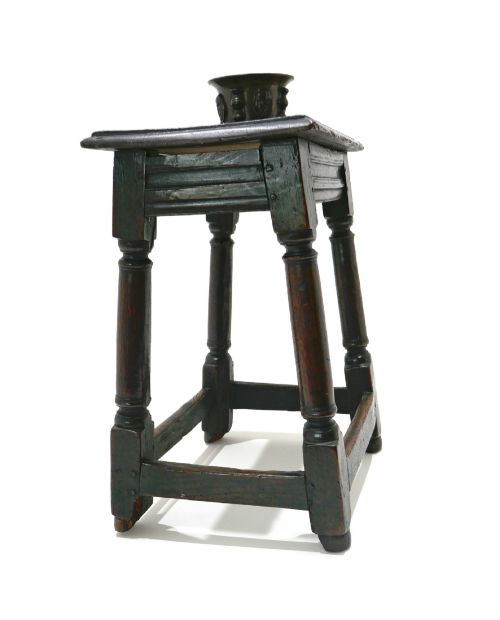
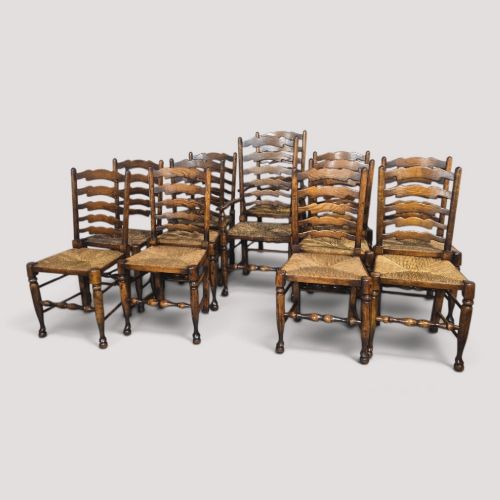
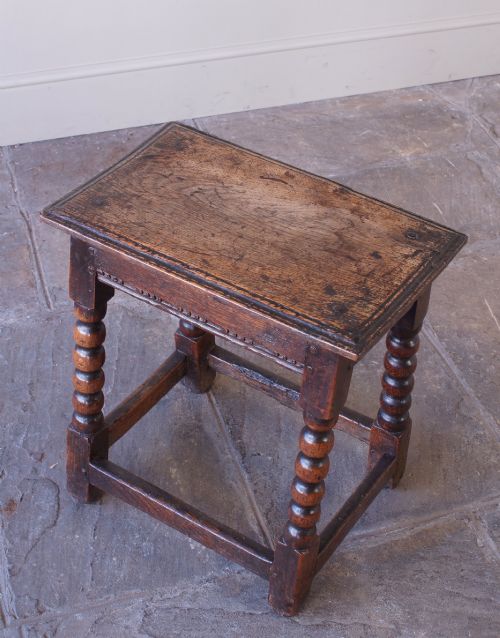
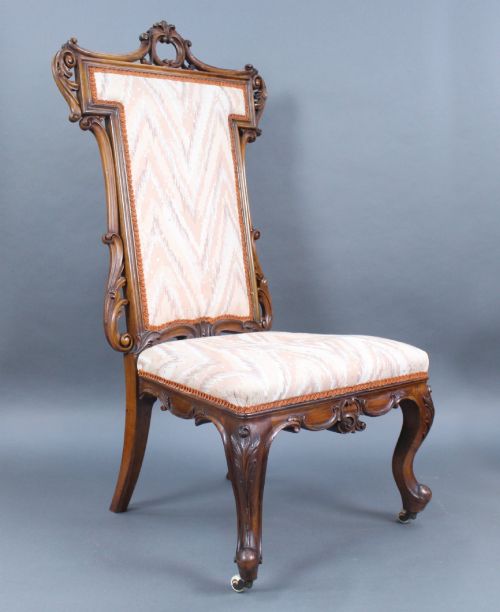
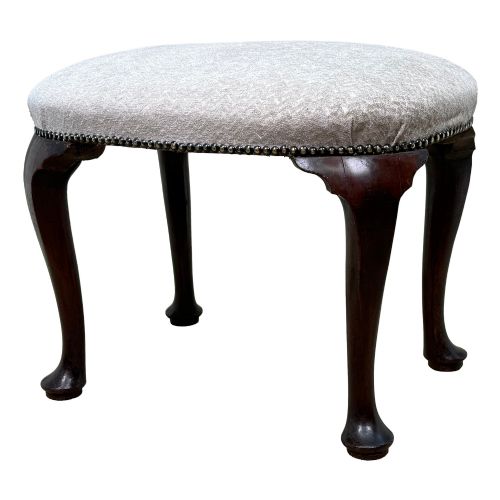
When searching for a period furniture seat, buyers encounter a diverse array of historical forms spanning from the seventeenth century through to the early twentieth century. The selection ranges from robust seventeenth-century oak joint stools and wainscot armchairs to refined eighteenth-century walnut side chairs and extensive sets of nineteenth-century mahogany dining chairs.
Materials and construction techniques
Cabinet makers utilised dense native timbers like oak, walnut, and mahogany, selecting grain patterns that enhanced the structural integrity and visual depth of each seat. Early seventeenth-century pieces rely on pegged joinery and joined frames, while later periods introduce elaborate carving, marquetry inlay, and turned components.
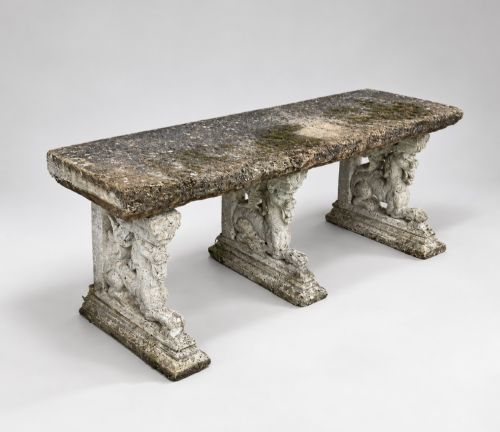
Upholstery methods evolved from simple squab cushions on wooden frames to complex sprung interiors covered in velvet, fabric, or original tapestry seats. Garden seating employs durable cast iron and wrought iron strapwork designed to withstand outdoor environments.
Period Furniture Seat Retail Price Guide 2026
Typical asking prices for period furniture seat among the pieces listed under this phrase on Sellingantiques today, from the lower quarter to the upper quarter. They describe what is for sale here now, not the wider market.
Seating forms range from simple elm rural chairs and cast-iron garden benches to elaborate marquetry inlaid side chairs.
Distinguishing quality in historical seating
The standard of a period furniture seat rests upon the integrity of its timber, the precision of its joinery, and the retention of its original surface patination. Pieces that retain their genuine period upholstery, untouched timber finishes, and structural stability command greater appreciation than those subject to extensive timber replacement or unsympathetic modern restoration.
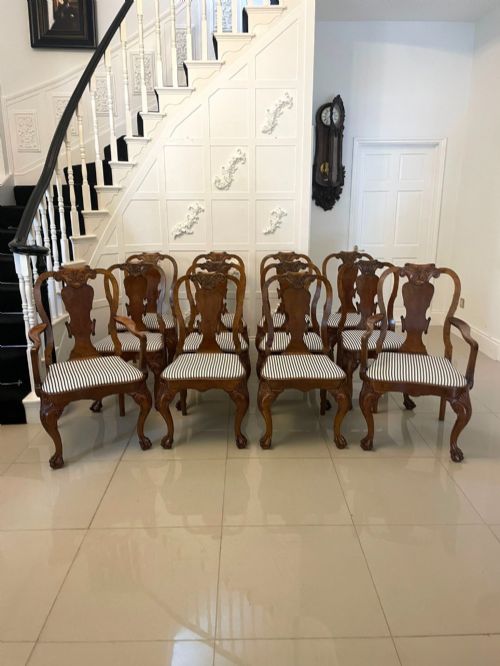
Sets of dining chairs derive additional value from consistency across the entire group, where matching proportions, uniform timber selection, and synchronised wear indicate a unified provenance rather than a later assembled collection.
The Period Furniture Seat Glossary
- Joint stool
- A low wooden stool constructed with mortise and tenon joints, commonly originating in the seventeenth century. These sturdy items provided domestic seating before the widespread use of individual chairs.
- Wainscot armchair
- A heavy wooden chair made primarily of oak during the seventeenth century, characterised by a panelled backrest and solid armrests. They represent elite domestic comfort of the Jacobean and Commonwealth periods.
- Carver chair
- An armchair designed to match a set of smaller single dining chairs, traditionally placed at the head of a dining table. They share stylistic motifs with the accompanying side chairs.
- Strapwork
- An ornamental pattern of flat ribbon-like bands interlaced in geometric designs. This technique appears on metal garden benches and decorative woodwork from the Regency period.
- Bergere
- An enclosed upholstered armchair with sides traditionally filled with cane webbing. They frequently utilise exotic timbers like ebony or rosewood.
Period Furniture Seat: Frequently Asked Questions
How do I identify a seventeenth-century oak chair?
Seventeenth-century oak chairs display heavy timber construction, pegged joinery, and turned wooden supports. They often feature carved panelled backs, such as wainscot designs, reflecting the domestic architecture of the period.
The wood develops a dark, dry patination over centuries of handling. Surfaces show tool marks left by early hand-working methods rather than modern machinery.
Are large sets of antique dining chairs matching?
Large sets of twelve or more dining chairs often combine original single chairs with later matched carvers or assembled pieces. Examining the timber grain, turning details, and construction inside the seat frames reveals if the set originated together.
Consistent wear patterns and uniform wood species across all chairs indicate a unified set. Minor variations in shade typically result from sunlight exposure rather than mismatched origins.
Can I use antique garden benches outdoors?
Cast iron and wrought iron garden benches from the nineteenth century are engineered for outdoor endurance. Their heavy metal frames and wooden slats withstand weather when placed on patios or lawns.
Regular maintenance of the timber slats and protection of the iron structure preserves the material integrity. Many owners position them in sheltered garden spots to prevent excessive moisture accumulation.
What is the difference between a side chair and an armchair?
Side chairs are built without armrests, designed to fit compactly around a dining table or align against a wall. Armchairs feature integrated side supports for the arms, offering a more commanding presence.
In dining sets, armchairs serve as carvers for the hosts, while side chairs accommodate guests. Both types share the stylistic vocabulary of their specific period, from Regency mahogany to Victorian walnut.