
Period Furniture Desk
Period furniture desk options bring practical workspace and historical craft together, offering authentic timber and traditional design for a study.
Period Furniture Desk
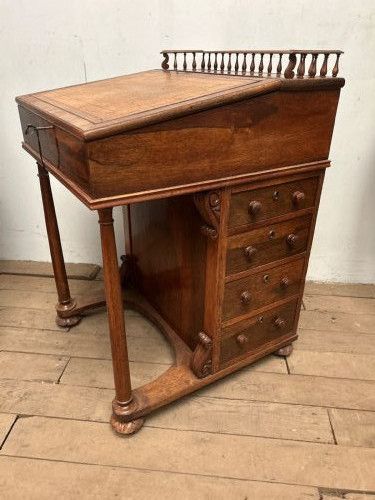
A period furniture desk covers writing tables, secretaire sideboards, bureaus, and davenports originating from centuries past. These pieces serve as functional workstations while carrying the distinct aesthetic of past design movements.
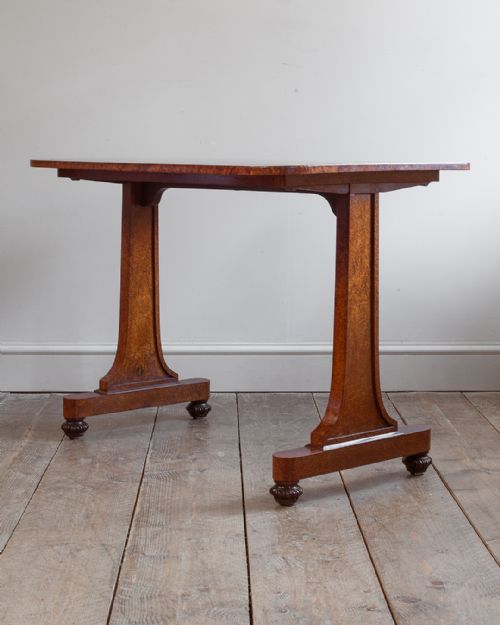
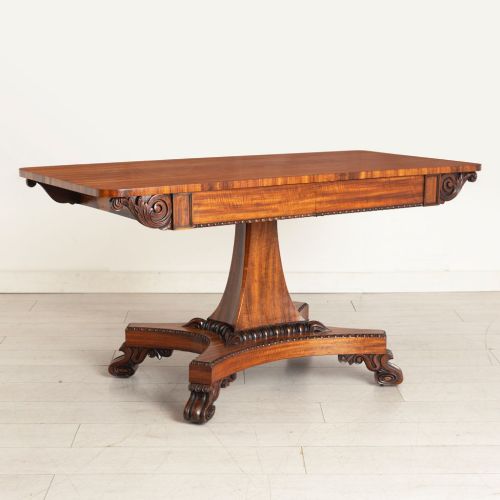
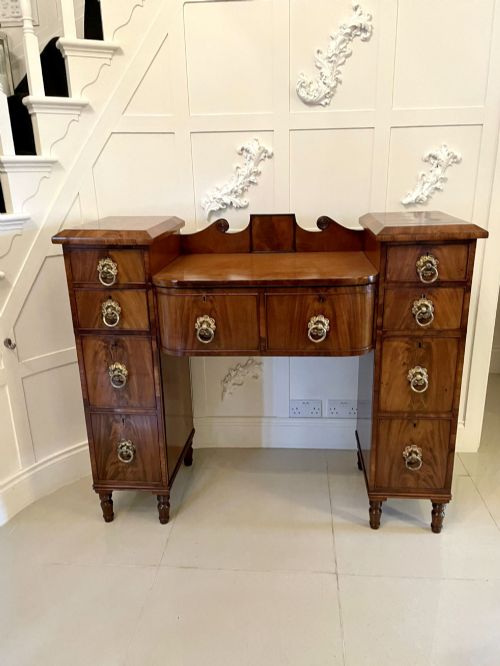
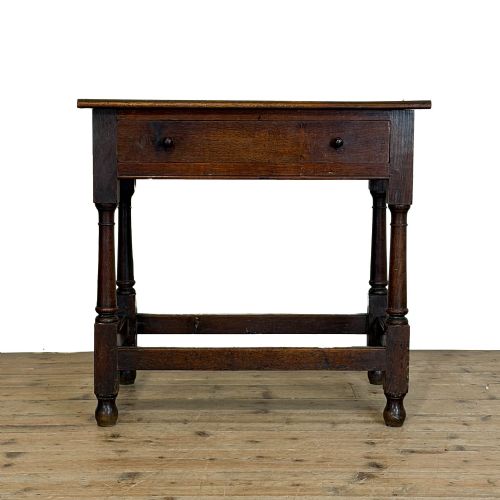
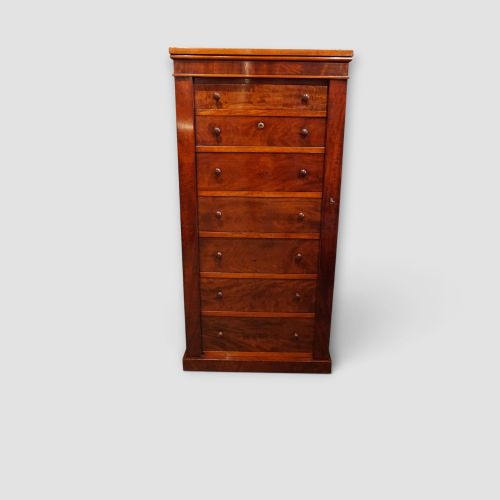
The selection on this page leans heavily toward mahogany, oak, and walnut constructions from Georgian, Regency, and Victorian eras. Buyers encounter compact writing tables alongside substantial bureau desks fitted with internal compartments.
Forms range from simple side tables adapted for writing to elaborate davenports with integrated storage drawers. Each style reflects the writing habits and interior fashions of its specific decade.
Materials and construction methods
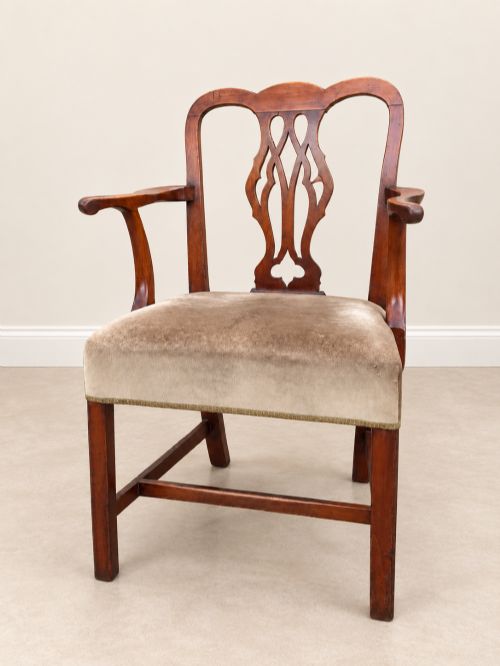
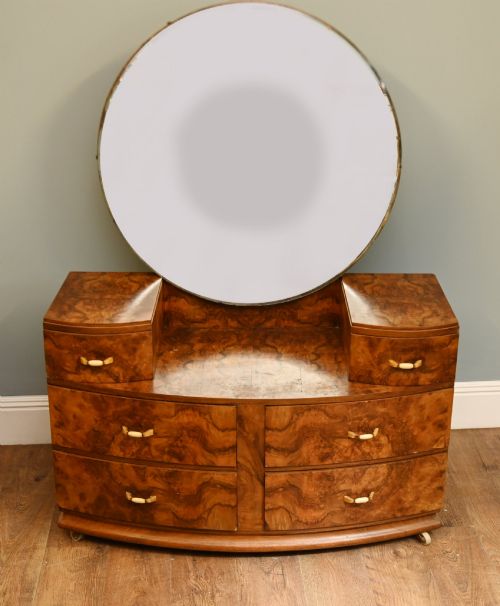
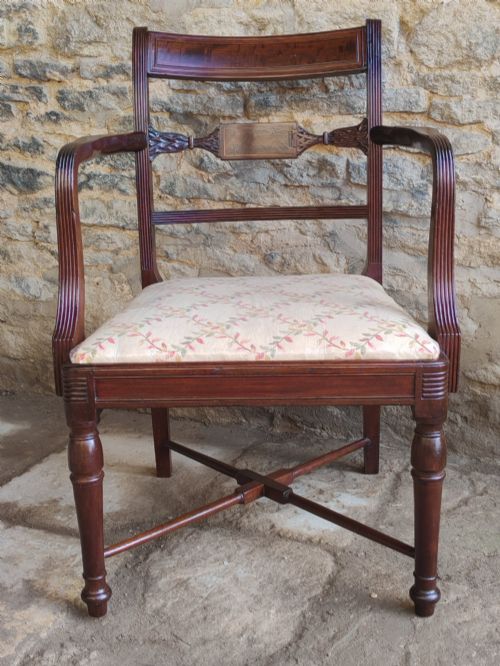
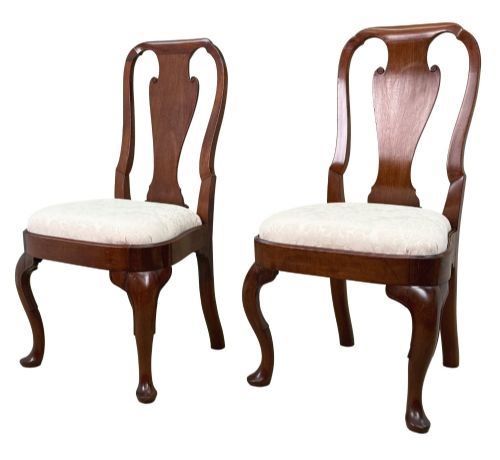
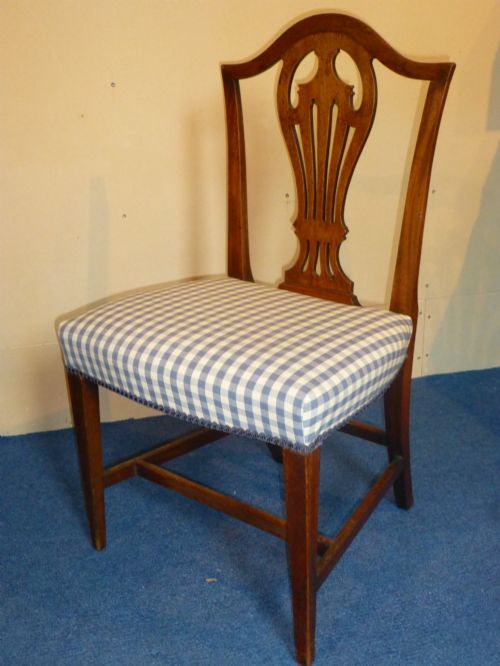
Cabinet makers utilised dense hardwoods such as mahogany, oak, and walnut, often selecting figured veneers and burr walnut for decorative surfaces. Secondary timbers like elm and ash appear in structural elements and regional chair frames.
Joinery relied on traditional dovetailed drawers, mortise and tenon joints, and hand-turned components that ensured structural longevity without modern fasteners. Brass handles, escutcheons, and leather writing inserts completed the functional workspace.
Surface finishes involved hand-applied polishes and waxes that highlighted the natural grain and deep patination of the timber over decades of use.
Secret compartments inside these desks often hide behind false drawer fronts designed to outsmart curious household guests.
Factors determining quality
Quality rests upon the selection of timber figures, the precision of the joinery, and the retention of original brass hardware and leather surfaces. Superior examples display thoughtful grain matching across drawer fronts and harmonious proportions throughout the frame.
Maker attribution and regional origin elevate a piece, particularly when documented through specific cabinet-making signatures or distinct stylistic traits. Workshop precision in carving and internal drawer construction separates standard utility items from exceptional commissions.
Gillows
The Period Furniture Desk Glossary
- Bureau
- A sloping desk with a hinged flap that opens to reveal pigeonholes and small drawers. This form provides a concealed writing surface and lockable storage.
- Davenport
- A compact desk featuring a sloping, leather-lined writing surface and drawers opening to the side. Gillows and other makers popularised this form during the Regency period.
- Secretaire
- A piece of furniture incorporating a pull-down writing drawer disguised as a standard drawer or cupboard door. It merges storage cabinetry with writing utility.
- Lowboy
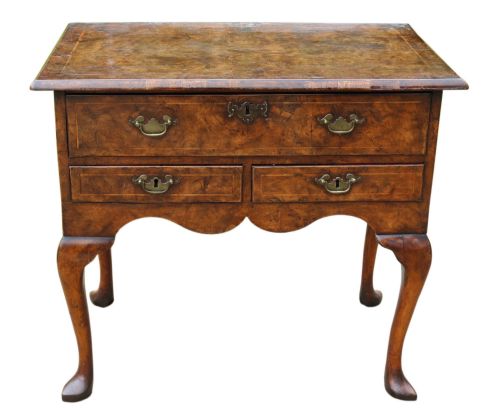
- A small side table with drawers, often utilised as a dressing table or writing surface in eighteenth-century interiors. These tables typically stand on slender cabriole or straight legs.
- Patina
- The surface sheen and colour acquired by wood and leather through age, handling, and light exposure. This quality develops naturally over centuries.
Period Furniture Desk: Frequently Asked Questions
What is a davenport desk?
A davenport is a compact writing desk featuring a sloped, leather-insets top and a set of side drawers. It was designed to occupy minimal floor space while offering secure storage.
Cabinet makers produced these pieces in mahogany and burr walnut, often incorporating clever stationery compartments within the superstructure.
Where should I place an antique desk?
Position a desk away from direct sunlight and heat sources to protect the timber and leather writing surfaces from drying out. Adequate natural light from the side assists with reading and writing tasks.
Allow sufficient clearance behind the piece if the chair requires movement, particularly with pedestal or bureau designs.
How do I care for leather desk inserts?
Maintain leather inserts by applying neutral leather balms sparingly to prevent cracking while avoiding harsh chemical cleaners. Dust the surface regularly with a soft cloth.
Keep liquids away from the leather to avoid staining the hide and warping the wooden substrate beneath.