




Period Furniture Buffet
Period furniture buffet selections unite serving tables, sideboards, and tiered dumb waiters that bring timeless timber craftsmanship directly into dining spaces.
Period Furniture Buffet
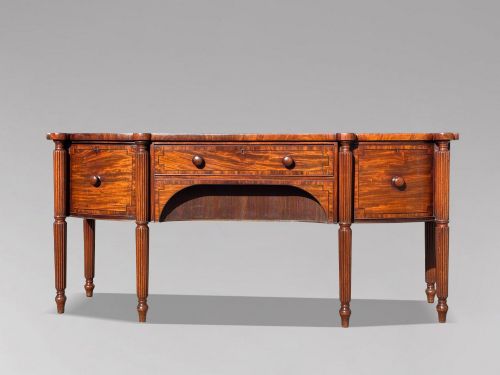
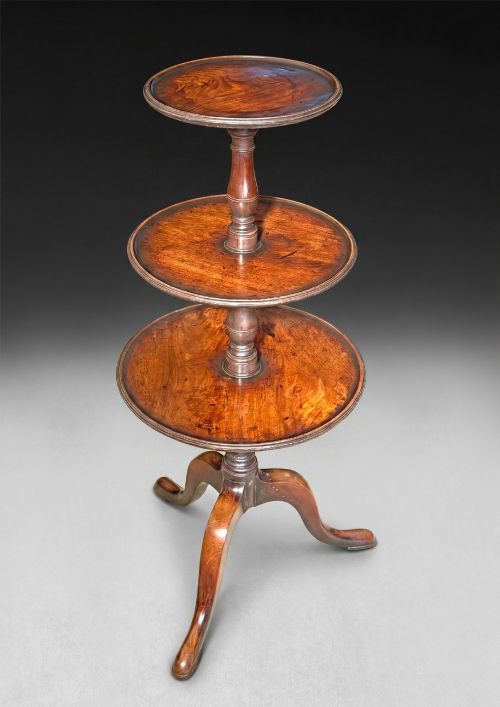
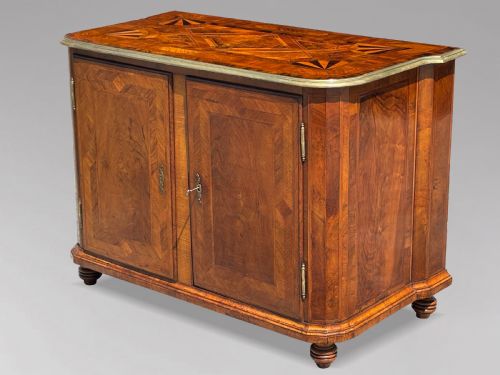
When you examine a period furniture buffet, you encounter an array of serving furniture that includes sideboards, dumb waiters, and serving tables. These pieces originated across the seventeenth, eighteenth, and nineteenth centuries, taking forms such as multi-tiered serving stands and pedestal sideboards.
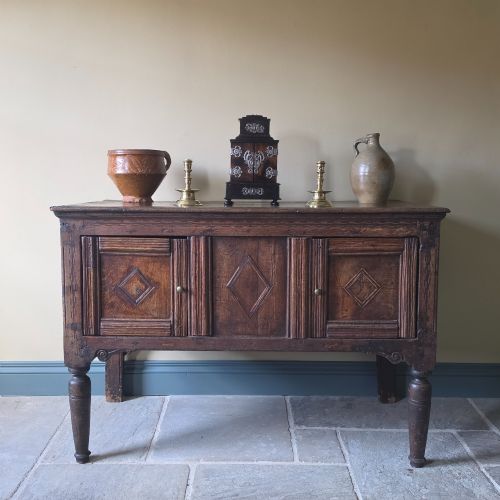
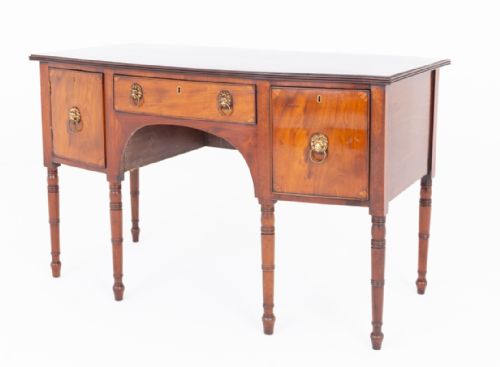
The most common forms you will meet on this page are mahogany sideboards from the Regency and George III eras, alongside oak court cupboards and tiered dumb waiters. Makers constructed these items for dining rooms and parlours to facilitate food service and display.
Examples span diverse regional workshops, ranging from English mahogany pieces to Maltese walnut and French provincial oak buffets. Each object reflects the specific dining and serving customs of its respective period.
Materials and construction
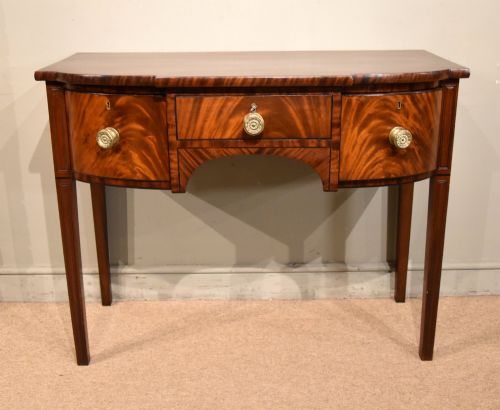
Cabinet makers built these pieces predominantly using dense hardwoods such as mahogany, oak, and walnut, often accentuating surfaces with flame mahogany veneers or intricate brass fittings. Selected examples integrate cedarwood, rosewood, and iron components to support tiered serving structures and folding drop-leaves.
Joinery methods relied on traditional mortise and tenon framing, hand-cut dovetails for drawer construction, and careful turning for tiered dumb waiter columns. Craftsmen applied inlaid stringing and crossbanding to enrich flat surfaces on late eighteenth-century sideboards.
Period Furniture Buffet Retail Price Guide 2026
Typical asking prices for period furniture buffet among the pieces listed under this phrase on Sellingantiques today, from the lower quarter to the upper quarter. They describe what is for sale here now, not the wider market.
The furniture forms on this page include folding drop-leaf dumb waiters, serpentine sideboards, and ebonised side tables.
Factors of quality
The standard of a piece rests on the selection of timber grain, particularly the depth and figure in flame mahogany and rosewood veneers. Superior items display crisp, hand-carved details and precise inlay work that remain intact without excessive restoration.
Structural integrity defines the upper tier of these pieces, showing in the stability of multi-tiered dumb waiter columns and the smooth operation of pedestal cabinet doors. Original brass hardware and well-fitted internal linings elevate the standing of a serving table or sideboard.
Gillows·Liberty & Co.
The Period Furniture Buffet Glossary
- Dumb waiter
- A multi-tiered freestanding serving stand used to hold dishes near a dining table without servants present.
- Sideboard
- A large dining room piece designed for serving food and storing tableware, often fitted with drawers and cupboards.
- Chiffonier
- A low cabinet or sideboard developed during the Regency period, frequently equipped with shelves or enclosed storage.
- Court cupboard
- An antique enclosed wooden storage piece from earlier centuries, featuring tiered shelving for displaying plate.
- Flame mahogany
- A decorative timber veneer harvested from the fork of the mahogany tree, prized for its dramatic ripple pattern.
Period Furniture Buffet: Frequently Asked Questions
What is a dumb waiter?
A dumb waiter is a tiered serving stand featuring two or three revolving or fixed circular trays supported by a central pillar.
Dining rooms utilised these stands during meals to hold plates and dishes independently of household staff.
How do I identify a Regency sideboard?
Regency sideboards typically feature bold mahogany veneers, brass lion-mask ring handles, and twin pedestal supports or tapered legs.
Cabinet makers of this period often incorporated inlaid brass stringing and curvilinear front profiles.
Where were these pieces used?
These serving tables and cupboards stood primarily in formal dining rooms, drawing rooms, and great halls.
Their main function was to store silverware, linens, and serving dishes close to the dining table.
What distinguishes an oak court cupboard?
Court cupboards are heavy seventeenth-century storage pieces constructed from solid oak with carved panel doors and recessed upper tiers.
Carpenters built these items to display expensive household plate and store provisions.