

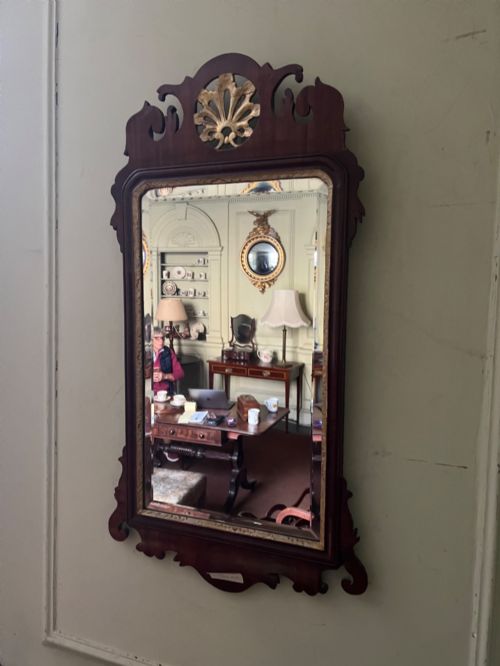
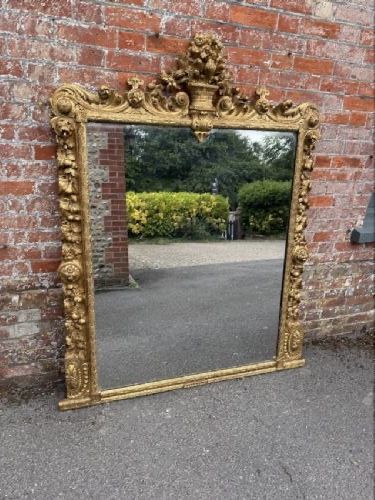
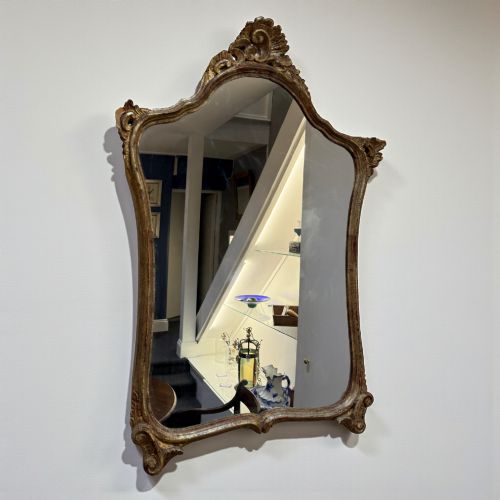
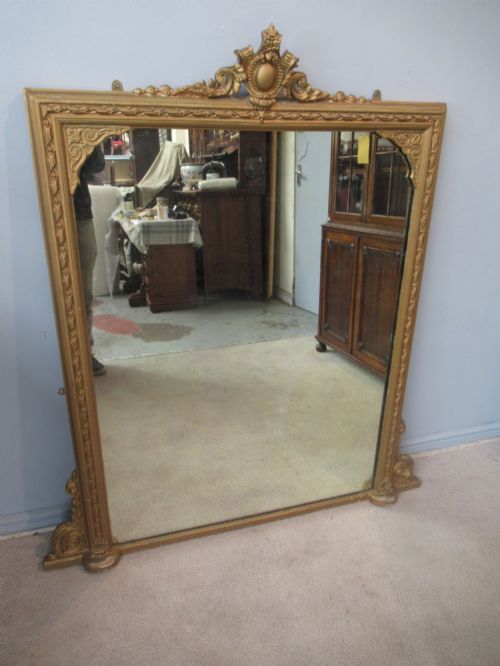
Period Framed Mirror
A period framed mirror brings depth and light to a room, offering craftsmanship in giltwood and gesso that modern frames simply cannot replicate.
Period Framed Mirror
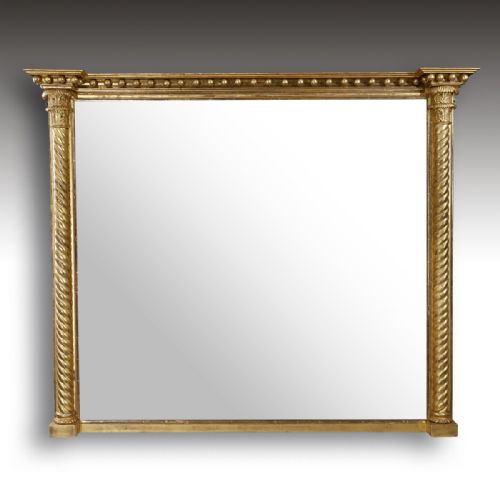
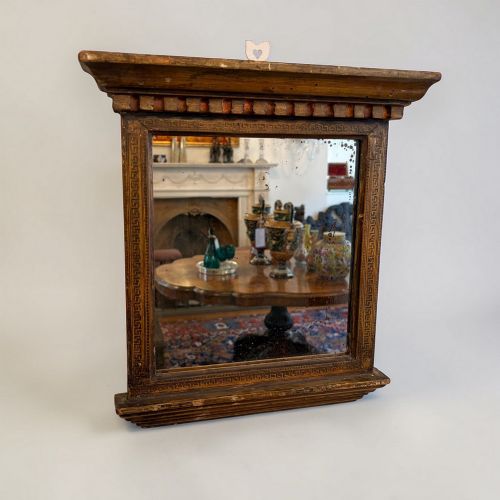
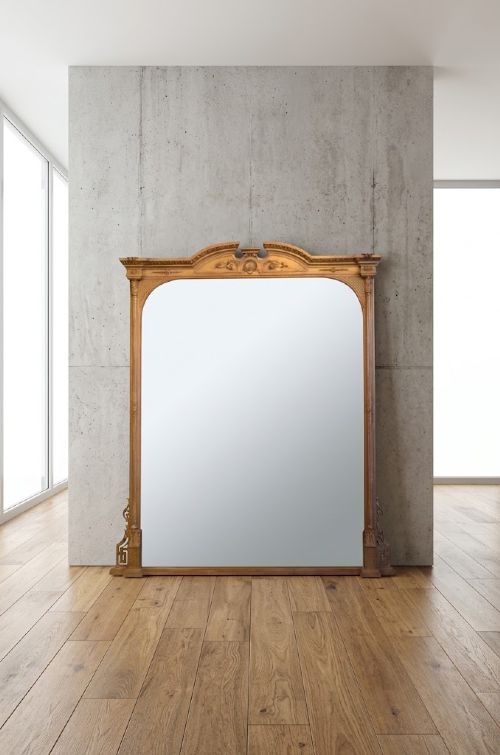
When searching for a period framed mirror, buyers encounter a variety of substantial forms designed to anchor a room, from grand overmantel glasses intended for placement above a fireplace to smaller wall and pier mirrors. These pieces span several centuries of design, with particular representation from the Georgian, Regency, and Victorian eras.
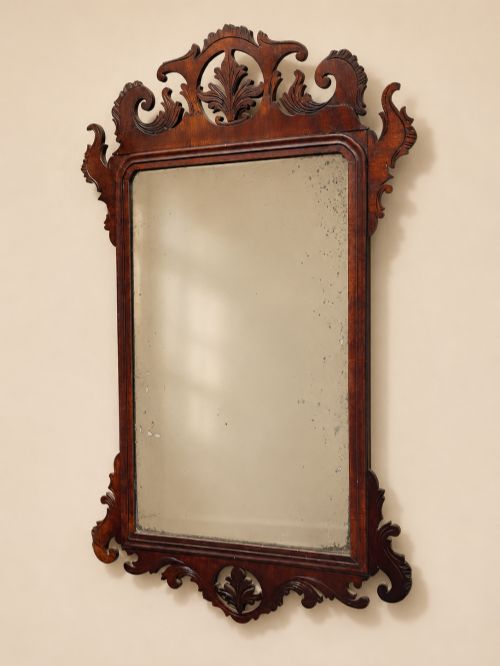
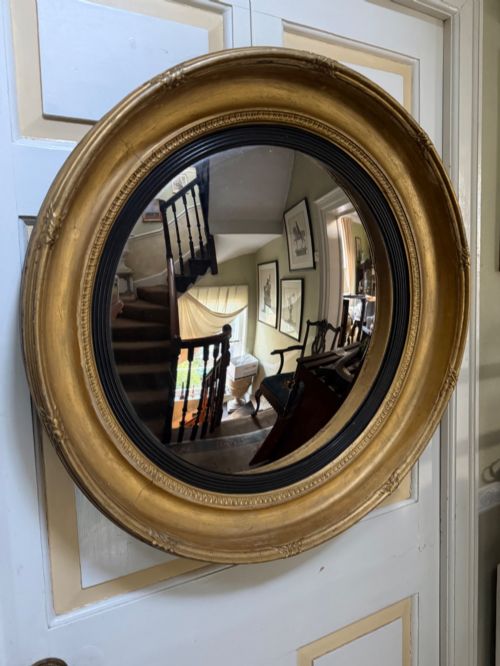
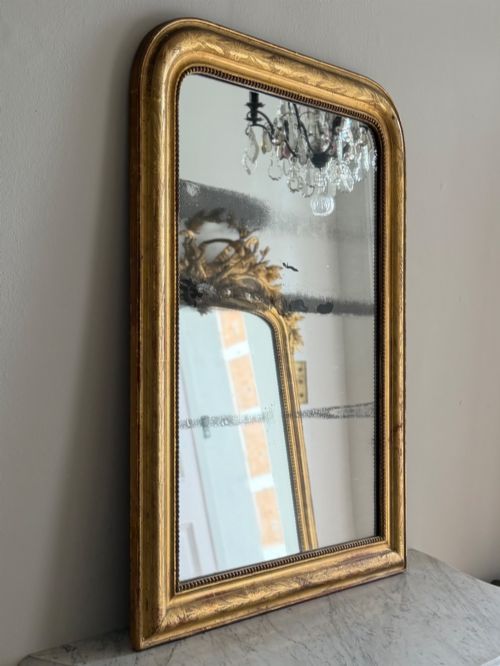
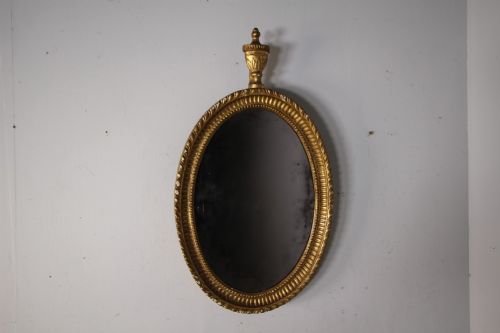
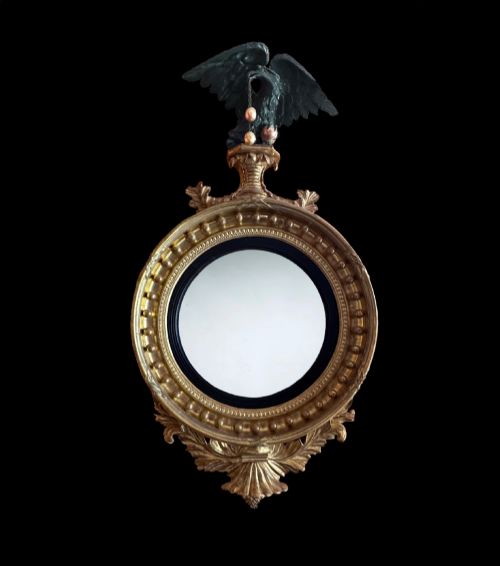
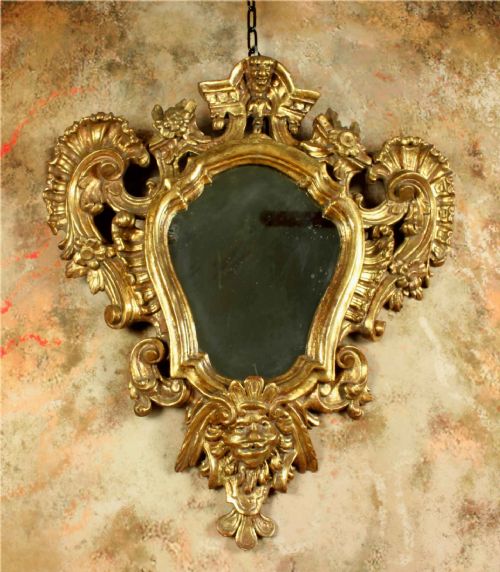
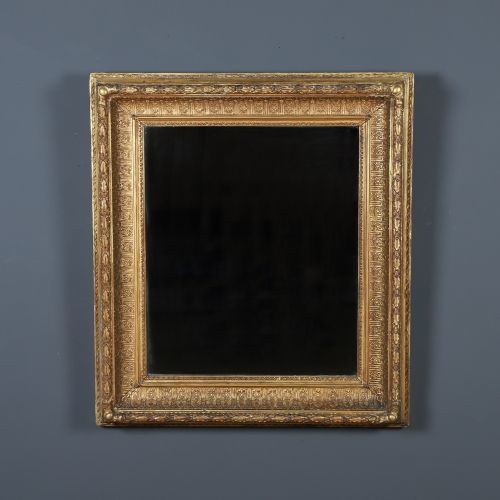
The most common examples on this page are nineteenth-century giltwood and gesso overmantel mirrors and wall hanging pieces, often originating from English or French workshops. Alongside these, earlier eighteenth-century examples display ornate carving, while specific regional styles such as convex mirrors offer distinct circular reflections.
Makers and designers referenced in the broader evidence include historical figures and stylistic revivals in the manner of William Kent, John Belchier, and Chippendale, linking the inventory directly to documented historical aesthetics.
Materials and Construction
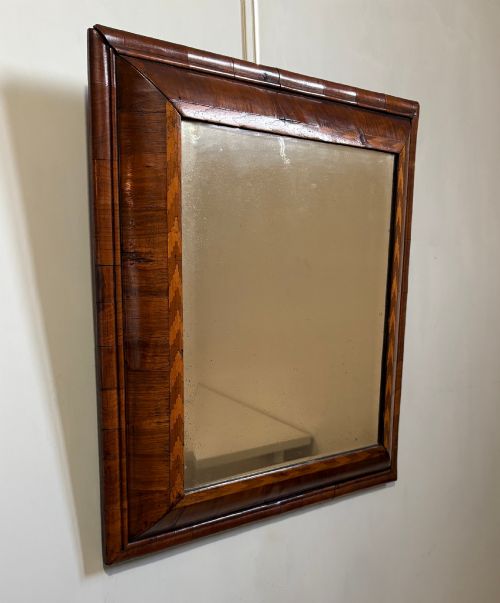
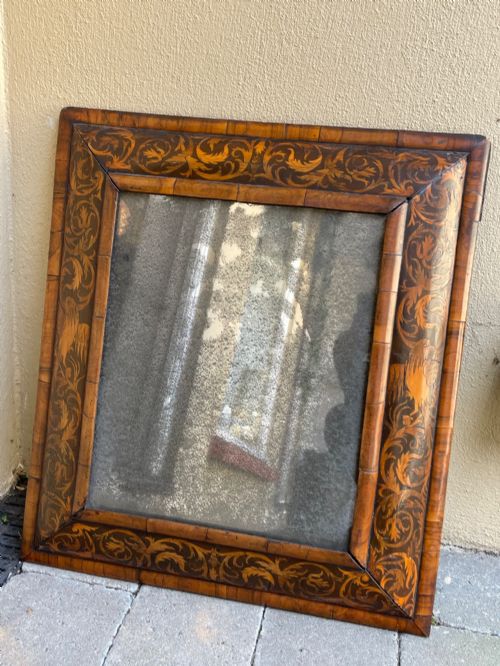
The construction of these pieces relies heavily on carved timber frames finished with gesso and gold leaf, or oil gilt, building up layers of rich surface texture. Woods such as mahogany, walnut, oak, and birds-eye maple form the structural carcass of timber-framed pieces, whilst ebonised wood and composition material appear in specific decorative variants.
Mirror plates frequently consist of original mercury glass or early mirror glass exhibiting foxed characteristics, where the silvering has aged gracefully over time. Frames are joined using traditional methods and ornamented with hand-carved details, composition mouldings, and marquetry inlay.
Period Framed Mirror Retail Price Guide 2026
Typical asking prices for period framed mirror among the pieces listed under this phrase on Sellingantiques today, from the lower quarter to the upper quarter. They describe what is for sale here now, not the wider market.
The listings here encompass pieces spanning from the late seventeenth century through the Victorian era, utilising materials such as giltwood, gesso, and ebonised wood.
Assessing Quality in Antique Mirrors
The distinction between standard examples and the finest items rests on the crispness and depth of the hand-carved ornamentation within the timber or gesso frame. Superior pieces retain their original gilding and untouched mirror plates, whereas lower tiers often exhibit later re-gilding or replaced glass that alters the historic character.
Proportion and scale also dictate worth, with harmonious architectural lines in larger overmantel and pier mirrors commanding greater design merit than simpler, heavier mouldings.
William Kent·John Belchier·Chippendale
The Period Framed Mirror Glossary
- Giltwood
- Timber, usually pine or softwood, that has been coated in gesso and covered with thin sheets of gold leaf. This method creates a brilliant metallic finish used extensively on Georgian and Victorian frames.
- Foxed glass
- Mirror plate showing dark spots, speckling, or mottled patches caused by the degradation of the backing material over centuries. Collectors value this natural ageing for its authentic appearance.
- Overmantel mirror
- A large horizontal looking glass specifically manufactured to hang on the wall directly above a fireplace mantelpiece. These pieces often feature arched or rectangular frames designed to reflect light across the room.
- Gesso
- A plaster-like mixture of chalk, binder, and pigment applied to wooden mirror frames to create a smooth surface for gilding and intricate relief carving. It allows for sharp detail in decorative motifs.
- Convex mirror
- A circular looking glass with an outward-curving spherical surface that provides a wide-angle, panoramic reflection of the interior. These pieces were particularly popular during the Regency period.
- Pier mirror
- A tall, narrow looking glass designed specifically to hang on the wall space between two windows, known as the pier. They frequently incorporate candle sconces or carved crestings.
Period Framed Mirror: Frequently Asked Questions
How do I date a period framed mirror?
Dating relies upon examining the construction methods of the wooden frame, the style of the carving, and the characteristics of the glass plate. Georgian and Regency pieces display distinct neoclassical or rococo motifs that differ from later Victorian revivals.
Furthermore, the backboards, fixings, and composition ornaments provide physical clues to the exact manufacturing decade.
What is foxed glass on an antique mirror?
Foxed glass refers to the natural speckling and dark patches that develop on the reflective surface as the mercury or silver backing oxidises over time. This ageing process occurs due to moisture exposure across decades.
Collectors prize original foxed plates because they guarantee the glass has not been replaced with modern alternatives.
Where should I hang an overmantel mirror?
An overmantel mirror is traditionally mounted directly above a fireplace mantelpiece to anchor the focal point of a reception room. Its generous scale and horizontal format are specifically engineered to sit securely within this architectural space.
Ensure the wall fixings are rated to support the substantial weight of carved wood and heavy glass plates.
Are convex mirrors period accurate for Regency rooms?
Convex mirrors are definitive decorative elements of the Regency period, often featuring gilded ball-stud frames and sometimes topped with carved eagles or dragons. They were designed to capture light from multiple angles in a drawing-room setting.
Original examples from this era remain sought-after collector pieces for period interiors.