

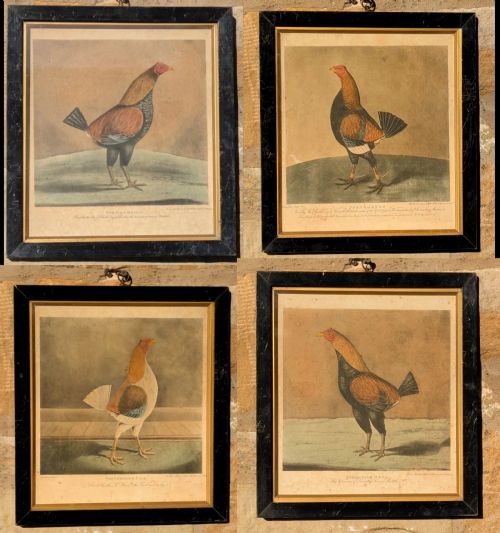
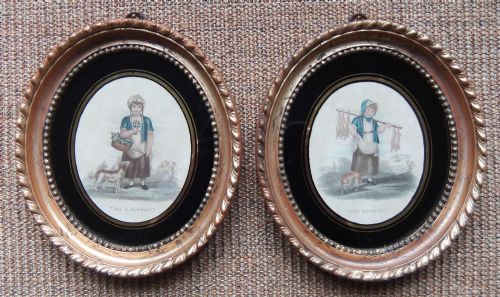
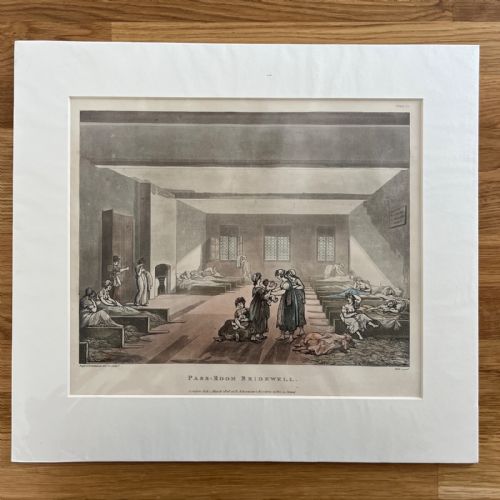
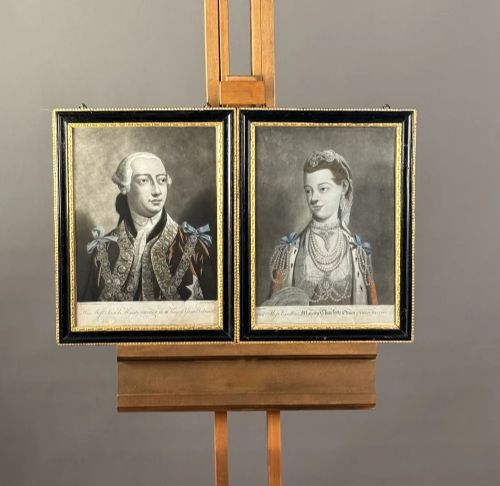



Period Framed Engravings
Period framed engravings bring centuries of portraiture and narrative directly to your walls in their original timber settings.
Period Framed Engravings
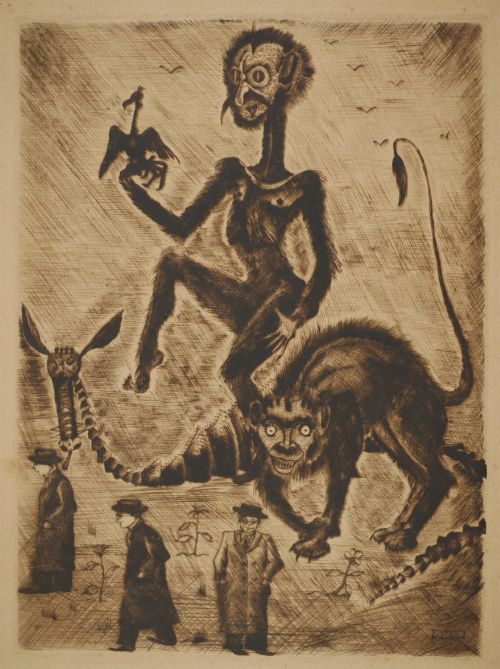
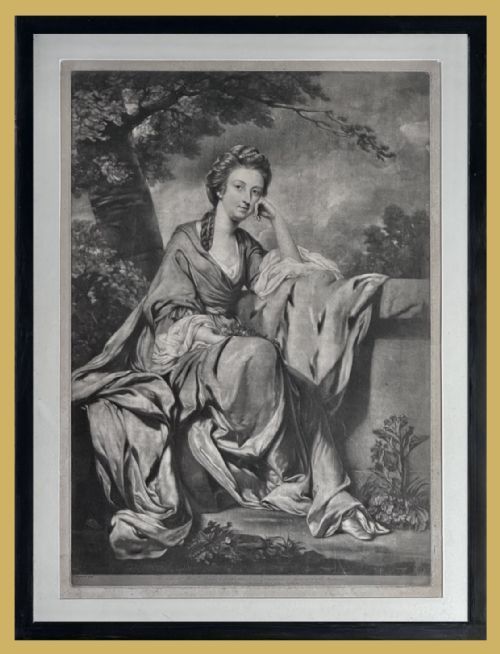
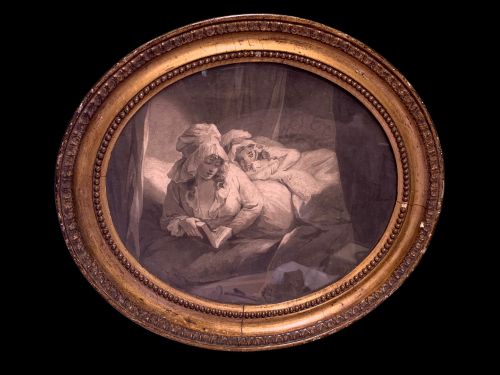
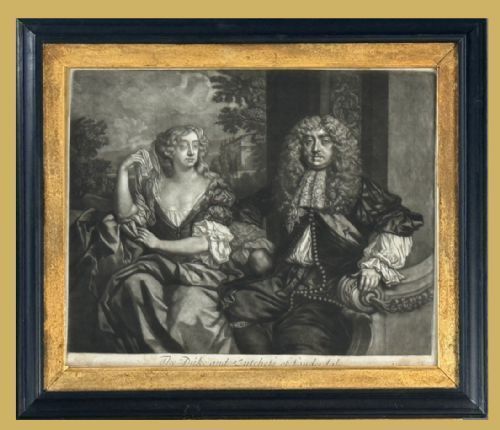
Period framed engravings encompass works on paper captured through techniques like mezzotint, stipple, and etching, housed in timber surrounds from the seventeenth to the nineteenth century. These pieces record royal figures, society portraits, and domestic scenes executed by notable publishers and printmakers.
The selections span seventeenth-century baroque portrayals, eighteenth-century royal mezzotints, Regency hand-tinted plates, and Victorian lithographs. You meet examples framed in ebonised wood, maple, walnut, and giltwood that preserve the aesthetic of their original eras.
Materials and construction
Makers utilised ink upon paper surfaces, employing manual etching, engraving, and mezzotint techniques to build tone and line. Hand-colouring was frequently applied after printing to add specific hues to Regency and Napoleonic plates.
Framing utilised woods such as walnut, maple, ebonised timber, and giltwood, paired with protective glass to secure the fragile paper beneath. These enclosures range from simple Hogarth mouldings to ornate carved gilt frames.
Period Framed Engravings Retail Price Guide 2026
Typical asking prices for period framed engravings among the pieces listed under this phrase on Sellingantiques today, from the lower quarter to the upper quarter. They describe what is for sale here now, not the wider market.
Listings feature paper, glass, wood, giltwood, ebonised wood, and maple across periods from the seventeenth century to the 1930s.
Judging quality
Quality rests in the crispness of the impression upon the paper and the depth of the ink tones within the plate marks. Early pulls from a copper plate show sharp detail that softens in later impressions.
The integrity of the original frame dictates much of the piece's character, particularly where period woods like walnut or ebonised mouldings remain unaltered. Hand-applied colour, where present, should sit harmoniously within the printed lines without bleeding.
Thomas Frye·Edward Fisher·John Smith·Robert Williams·John Boydell·Adam Buck
The Period Framed Engravings Glossary
- Mezzotint
- A printmaking process of the intaglio family where the surface is roughened with a rocker to achieve rich dark tones and subtle gradations of light. It became the dominant method for reproducing oil portraits in the seventeenth and eighteenth centuries.
- Stipple engraving
- A technique that uses dots of varying density and size to create tonal effects rather than continuous lines. This method was widely adopted in the late eighteenth century for delicate domestic and sentimental subjects.
- Hogarth frame
- A narrow, stepped wooden frame profile, often ebonised or finished with gilded inner edges, popular during the eighteenth and nineteenth centuries. It provides a clean boundary that does not overpower the print within.
- Plate mark
- The indentation left on paper by the pressure of the metal printing plate during the press run. Its presence confirms an authentic intaglio print rather than a later photographic reproduction.
- Hand-tinted
- A print to which watercolour or ink has been applied by hand after the printing process. This treatment adds colour highlights to monochrome engravings and lithographs.
Period Framed Engravings: Frequently Asked Questions
How do I care for framed engravings?
Keep prints away from direct sunlight to prevent the ink and paper from fading over time. Maintain stable room humidity to protect both the fragile paper and the antique wood frames.
Avoid hanging them on damp exterior walls or near heat sources which can warp the timber and damage the glass seal.
Are these frames original to the prints?
Many period pieces retain their original or contemporary frames, such as walnut moulding or ebonised wood fitted during the eighteenth or nineteenth centuries. These housings were designed to complement the specific aesthetic of the era.
Inspect the backboards, fixings, and timber shrinkage to understand the relationship between the artwork and its enclosure.
What is the difference between an etching and a mezzotint?
An etching relies on acid biting into a metal plate through a protective ground to form lines. It produces sharp, linear imagery suited to detailed compositions.
A mezzotint builds an image from dark to light by roughening the metal plate entirely and scraping away areas for highlights. This creates velvety darks and smooth tonal transitions ideal for portraits.
How can I tell a genuine antique print from a modern copy?
Examine the paper surface closely for plate marks left by the pressing process and check the texture of the ink. Genuine early impressions show tactile depth and paper characteristic of the period.
Under magnification, modern reproductions display dot patterns from mechanical printing rather than the solid lines and tonal burrs of hand-pulled plates.