




Period Floral Art
Period floral art brings together botanical painting, enamel work, and porcelain vessels depicting flowers across the nineteenth and twentieth centuries.
Period Floral Art
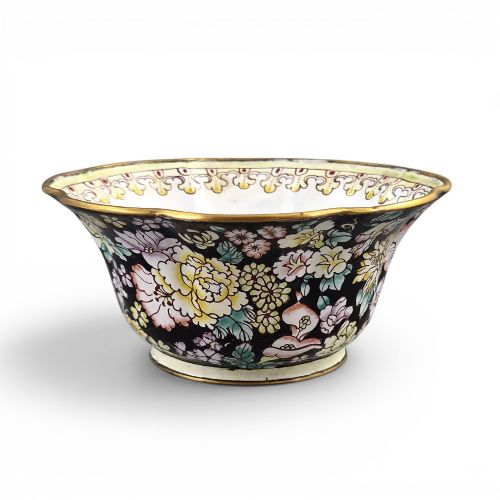
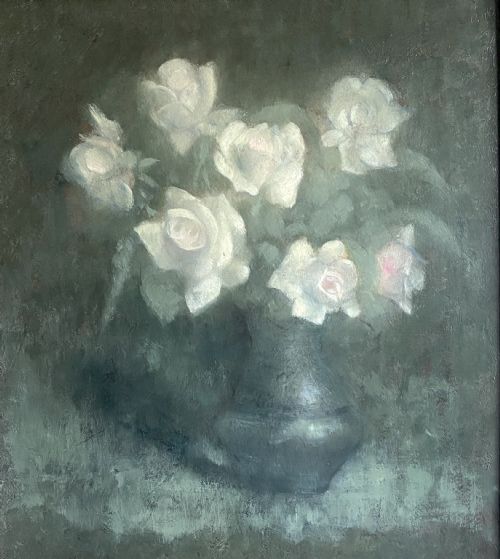
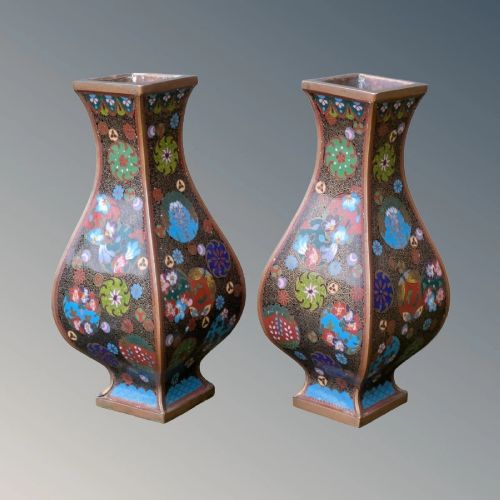
Period floral art encompasses botanical still life oil paintings alongside decorated ceramics and metalwork featuring floral motifs. Buyers searching for period floral art will frequently encounter Japanese Imari and cloisonné vessels, Chinese enamel bowls, and European oil paintings of roses and poppies.
The objects span multiple eras, including the Victorian, Meiji, Art Deco, and Taisho periods. Vases, decorative plates, ginger jars, and oil paintings on canvas or board dominate the forms available.
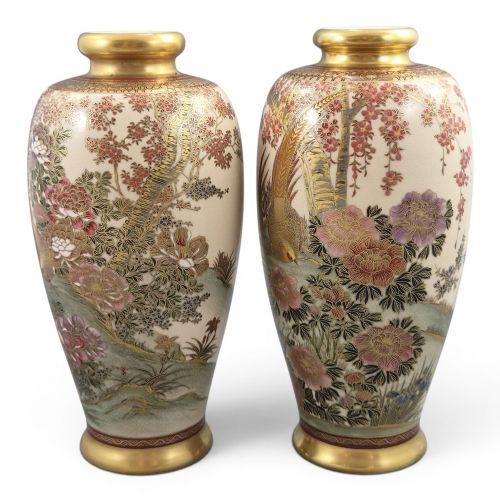
Works range from Satsuma pottery featuring dense flowerhead patterns to oils on canvas capturing country flowers and studio windowsills. These pieces reflect the enduring appeal of floral decoration across diverse global craft traditions.
Materials and Techniques
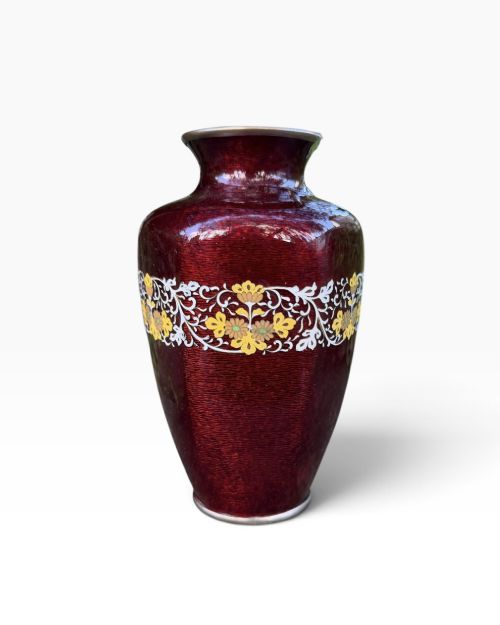
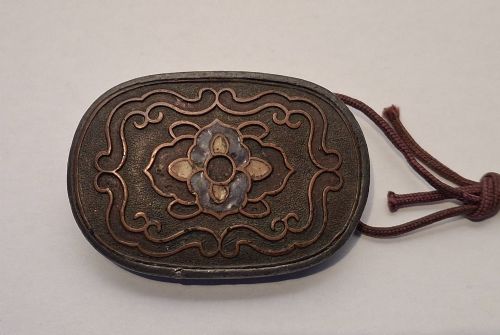
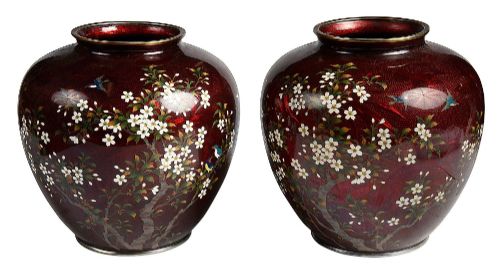
Enamel work relies on metal bases such as copper, brass, or pewter, decorated using champlevé, cloisonné, or ginbari techniques where wire cells or foil create the design boundaries before firing. Porcelain and earthenware vessels utilise hand-painted glazes, often incorporating gold leaf details and vibrant enamel colours.
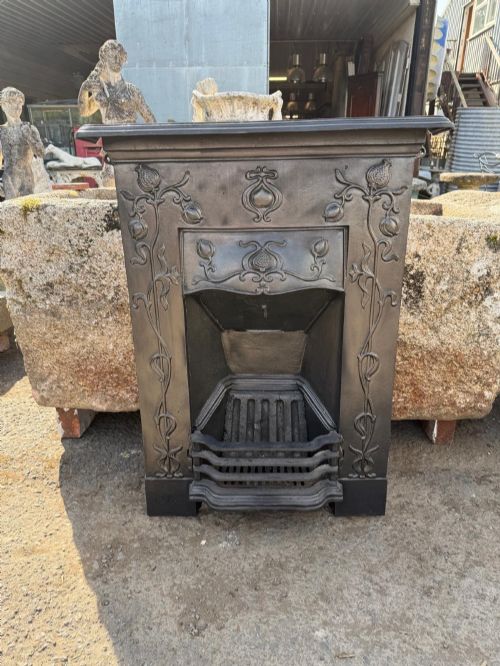
Oil paintings are executed on canvas or board, capturing botanical subjects through layered brushwork. Cast iron and bronze also appear in structural and decorative forms, combining utility with ornamental surface design.
Period Floral Art Retail Price Guide 2026
Typical asking prices for period floral art among the pieces listed under this phrase on Sellingantiques today, from the lower quarter to the upper quarter. They describe what is for sale here now, not the wider market.
Assessing Quality
Quality rests upon the precision of execution, whether through the fine symmetry of wire cells in cloisonné, the delicate brush control in oil paintings, or the complexity of hand-painted floral motifs on porcelain. Finer examples display meticulous attention to detail, harmonious palettes, and secure signatures or workshop attributions.
The handling of natural forms distinguishes superior pieces from standard production. Works that capture botanical accuracy combined with confident composition demonstrate the highest level of craftsmanship.
Manpei Kobe·Tamura Yukio·Kinkozan·Sir George Reid
The Period Floral Art Glossary
- Cloisonné
- An enamel technique where metal wire is soldered to a base to form compartments filled with paste and fired. The resulting surface presents intricate linear patterns enclosing coloured fields.
- Imari
- A style of Japanese porcelain decorated in underglaze blue and overglaze red, gold, and other colours. Pieces typically feature rich floral and geometric designs.
- Satsuma
- A type of Japanese earthenware featuring a pale, ivory-crackled glaze decorated with finely painted enamels and gilt. It often depicts botanical and figurative subjects.
- Ginbari
- A Japanese cloisonné method where textured foil is applied to the metal base beneath translucent enamel. This creates a shimmering, patterned depth behind the design.
- Still life
- A painting or drawing depicting inanimate subject matter, such as cut flowers or arrangements on a windowsill. These works focus on light, colour, and composition.
Period Floral Art: Frequently Asked Questions
What defines period floral art?
Period floral art includes historical paintings, ceramics, and metalwork created with plant and flower motifs. These objects reflect the decorative styles of their specific manufacturing era.
Items range from Japanese cloisonné vases with peony designs to European oil paintings of roses and poppies.
How do I care for antique oil paintings?
Antique oil paintings require stable indoor humidity and protection from direct sunlight to prevent canvas degradation and pigment fading. Dust them gently with a soft, dry brush.
Avoid using liquid cleaners or hanging them near heat sources that could crack the paint surface.
How can I date Japanese cloisonné?
Dating relies on examining the metal composition, wiring style, and overall weight of the piece. Earlier nineteenth-century works often use heavier bronze or brass bases with thicker wire work.
Later pieces from the Taisho and Showa periods frequently utilise finer silver wires and translucent enamel grounds.
Where were Imari plates made?
Imari plates were produced in the town of Arita in Japan and exported through the port of Imari. They gained popularity in Europe during the Edo period.
These plates are recognisable by their distinctive palette of cobalt blue, iron red, and gilt highlights.