

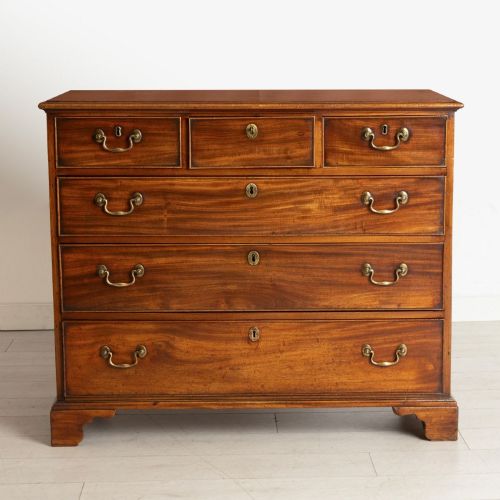
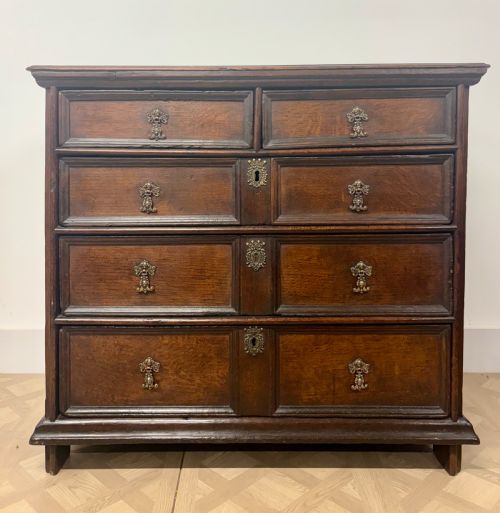
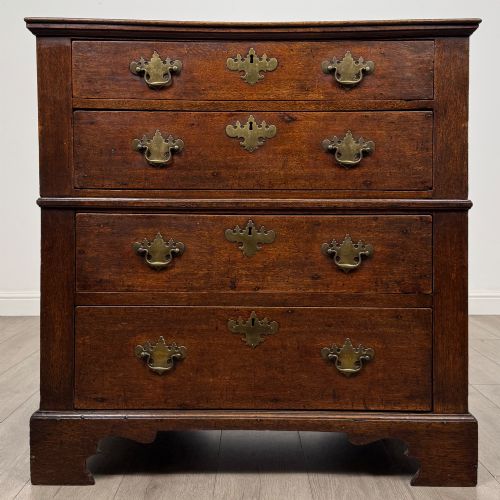
Period English Chest
Period English chests bring centuries of craftsmanship and practical timber storage into a room.

Period English Chest
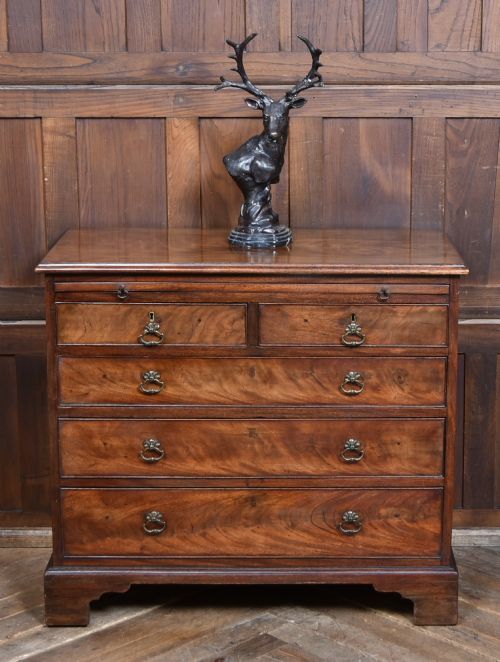
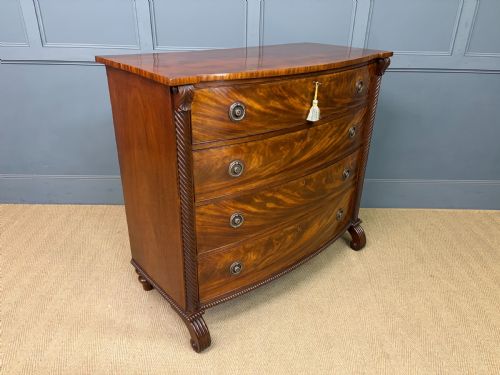
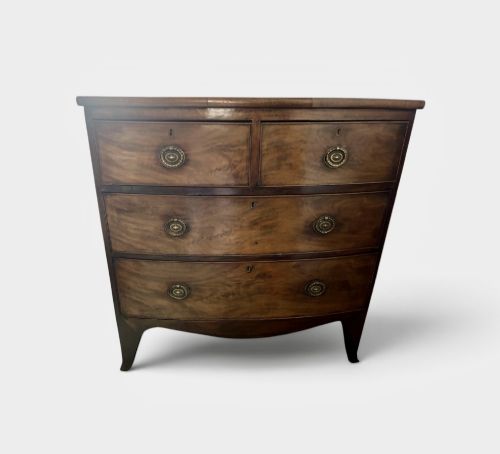
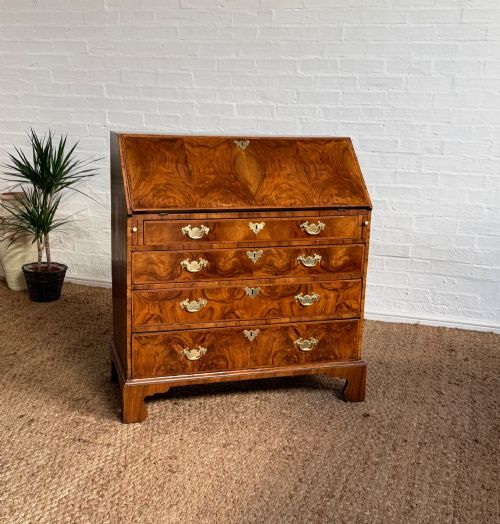
A period English chest encompasses robust early timber coffers, panelled storage boxes, and refined later chests of drawers spanning multiple centuries. When people search for a period English chest, they encounter sturdy 17th-century oak examples alongside elegant mahogany and walnut pieces from the Georgian and Regency eras.
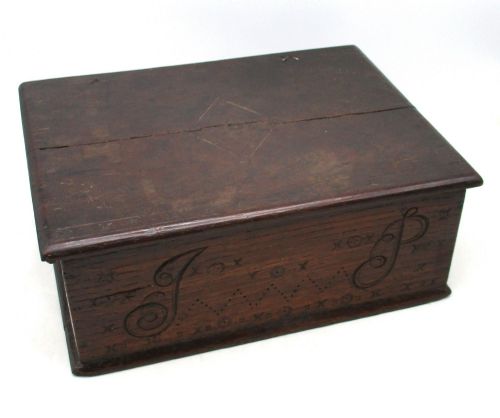
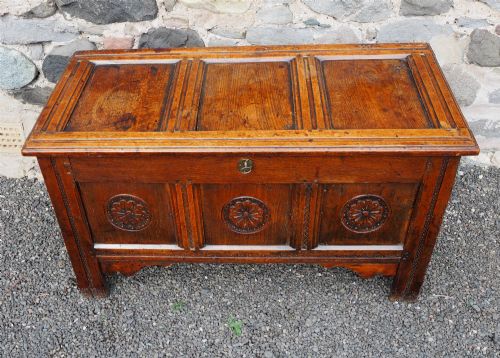
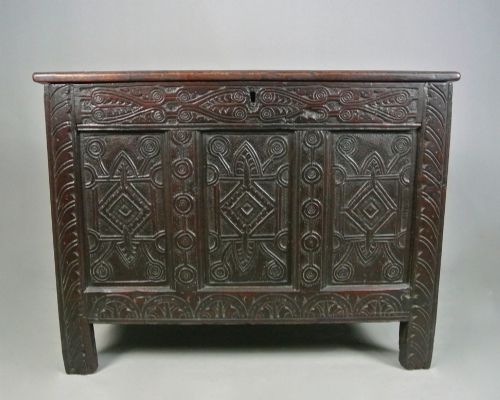
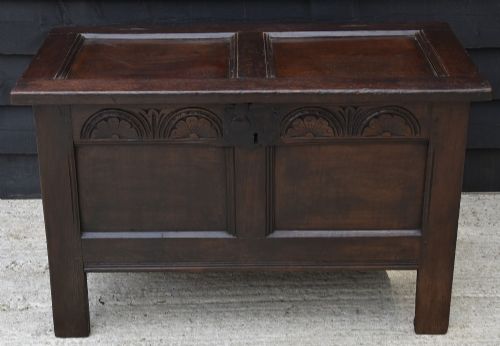
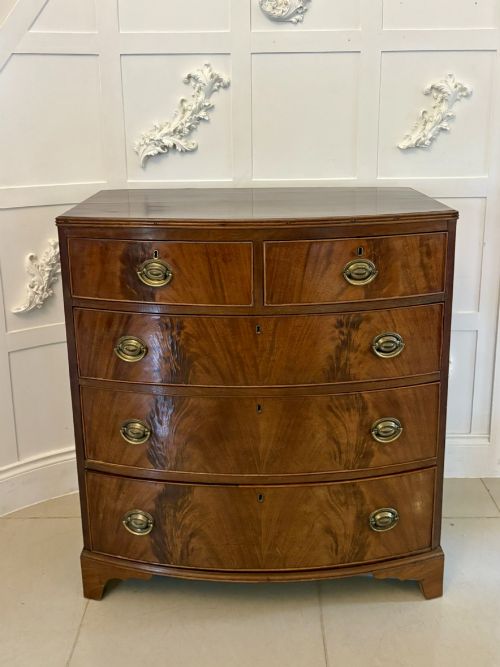
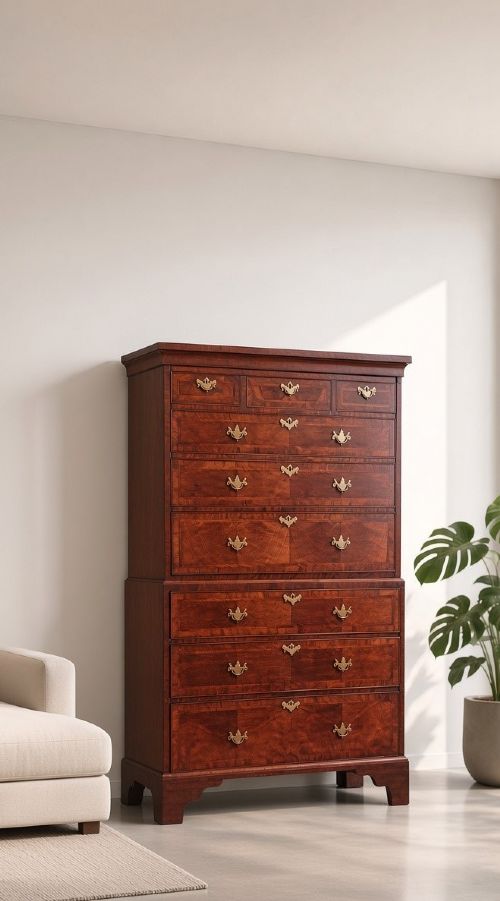
The versions most commonly met on this page range from rustic Elizabethan boarded coffers and Charles II oak boxes to sophisticated George III bow front chests and tall chests on chest. These items served primarily for domestic storage, linen keeping, and document safeguarding in traditional households.
Origins trace directly to English workshops, utilising native timbers like oak, elm, and yew alongside imported mahogany and decorative veneers. Each piece reflects the domestic utility and prevailing aesthetic tastes of its specific period, from plain seventeenth-century panels to figured eighteenth-century drawer fronts.
How they were made
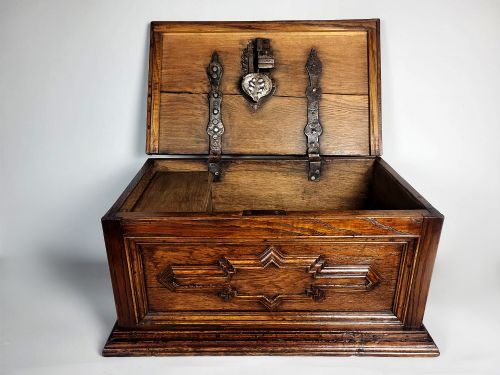
Early pieces rely heavily on solid English oak, constructed using heavy frame and panel techniques, joined with pegs and hand-cut joints designed to accommodate seasonal timber movement. Blacksmiths provided essential structural hardware, including complex steel locks, iron hinges, and brass handles.
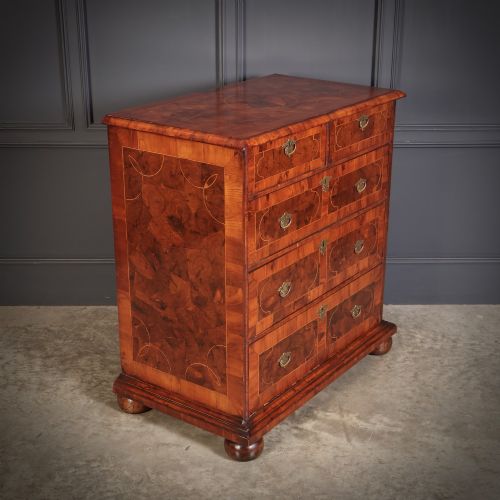
Later eighteenth and nineteenth-century examples shift towards fine cabinet making, employing dense mahogany, walnut, and elm. Craftsmen applied delicate veneers such as oyster cuts and flame mahogany, finished with feather-banded borders and brass drawer pulls.
Listings span multiple centuries of English cabinet making, encompassing 16th-century Elizabethan coffers up to Victorian mahogany chests of drawers.
What varies in quality
Quality rests upon the preservation of original timber surfaces, patination, and structural integrity. Pieces retaining their original brass hardware, complex steel locks, and unblemished veneer work stand distinctly apart from heavily restored equivalents.
The refinement of the carving, the selection of figured wood such as burr walnut or flame mahogany, and the subtlety of details like feather-banding define the upper tier of these storage pieces.
The Period English Chest Glossary
- Coffer
- A large wooden chest traditionally used for storing valuables, linen, or documents. These heavy storage pieces date frequently to the seventeenth century and earlier.
- Oyster Veneer
- Slices of branch wood laid in circular patterns resembling oyster shells. This decorative technique appears on seventeenth-century walnut and olive furniture.
- Bow Front
- A convex curved cabinet front popular during the Georgian and Regency periods. This curved profile softens the linear appearance of standard chests of drawers.
- Chest on Chest
- A tall storage unit comprising a smaller chest stacked directly upon a larger base chest. These pieces often incorporate secretaire drawers and upper display compartments.
- Feather-Banded
- A decorative inlay border formed of thin strips of veneer arranged in a herringbone pattern. Cabinet makers used this detail to frame drawer fronts on walnut furniture.
Period English Chest: Frequently Asked Questions
What is a mule chest?
A mule chest combines the deep storage space of a traditional coffer with one or more drawers built into the base. This transitional form emerged to provide easier access to items without disturbing the main lid.
Such pieces date frequently to the seventeenth century and reflect evolving domestic storage needs in English homes.
How do I date an oak coffer?
Dating relies upon construction methods, tool marks, and stylistic motifs carved into the timber panels. Early sixteenth and seventeenth-century examples display hand-split boards, pegged joints, and simple geometric or floral carvings.
Later copies often reveal modern mechanical saw marks and standardised fixings that differ from period craftsmanship.
What distinguishes a George III chest?
George III chests typically feature balanced proportions, high-grade mahogany timbers, and precise drawer arrangements. They often incorporate brass swan neck handles and bracket feet.
Regional variations sometimes introduce local fruitwoods or distinct inlay patterns depending on the maker's workshop.
Where were these chests used?
These storage items stood in principal chambers, hallways, and living spaces to hold heavy textiles, clothing, and legal documents. Smaller boxes sat upon tables for secure writing and safe keeping.
Over time, changing interior layouts moved chests from utilitarian storage in drafty halls to prominent display pieces in formal rooms.