


Period Elm Furniture
Period elm furniture brings honest vernacular character into a room through rich timber figure and sturdy country craftsmanship.
Period Elm Furniture
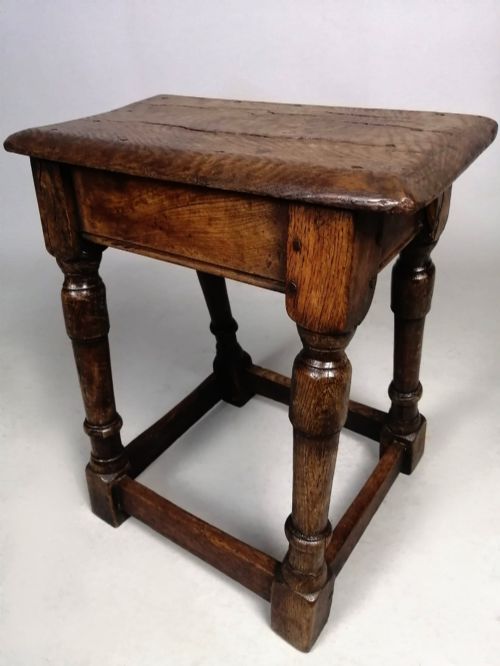
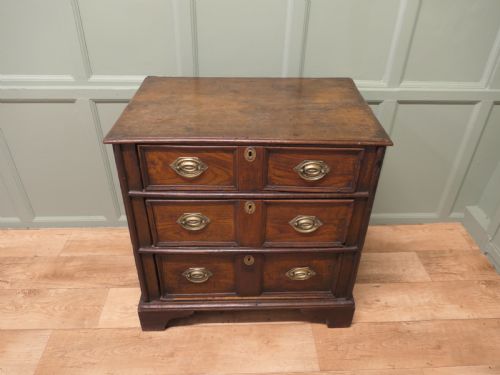
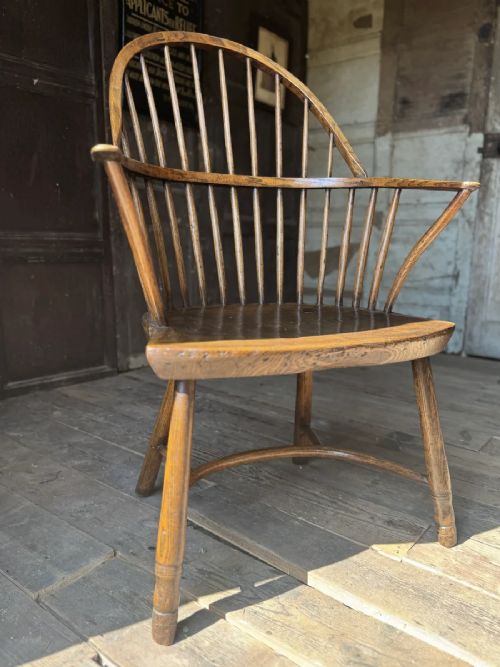
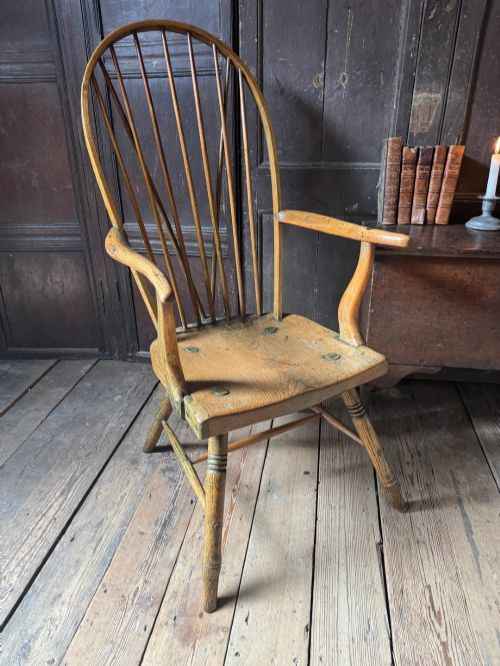
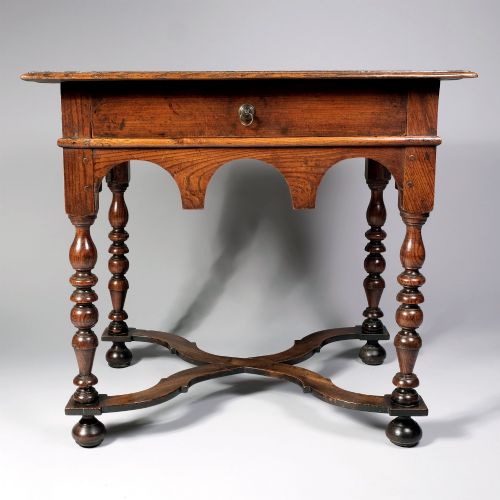
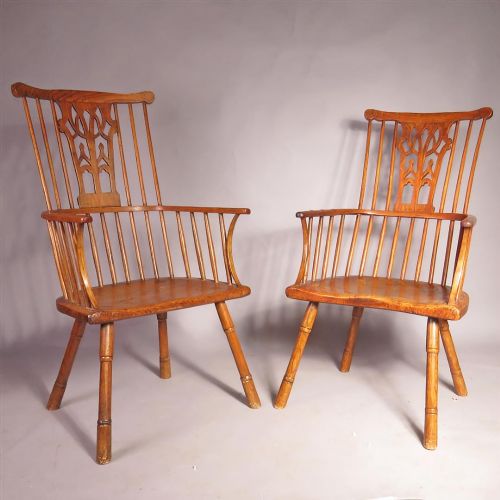
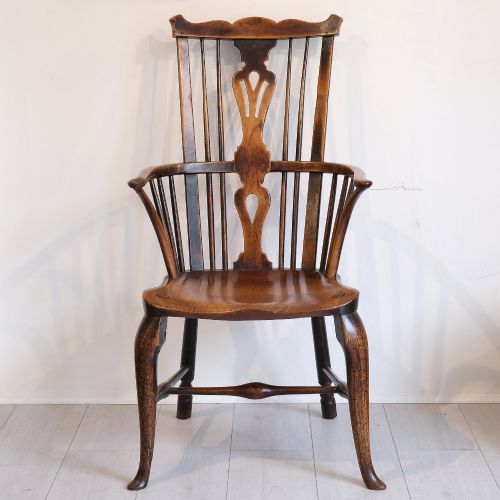
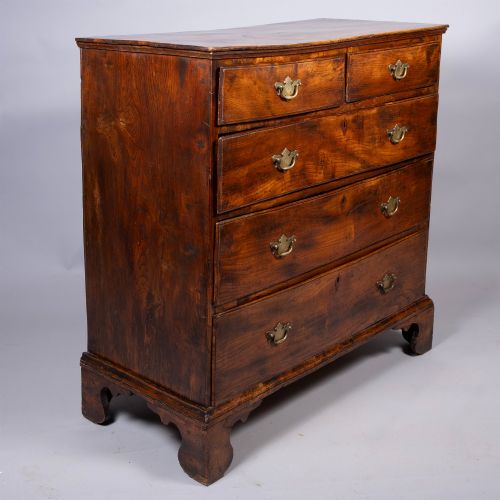
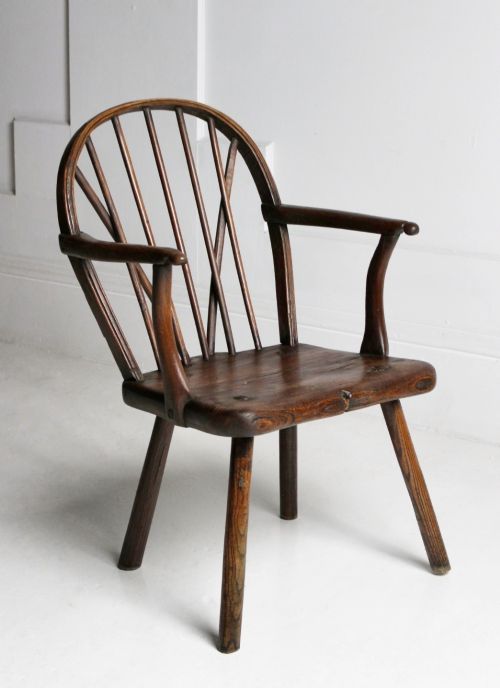
Period elm furniture encompasses seating, tables, and storage pieces originating from the seventeenth century through to the Victorian era. Buyers searching for period elm furniture most frequently encounter robust country seating, including Windsor armchairs and stick back chairs, alongside chests of drawers and joint stools.
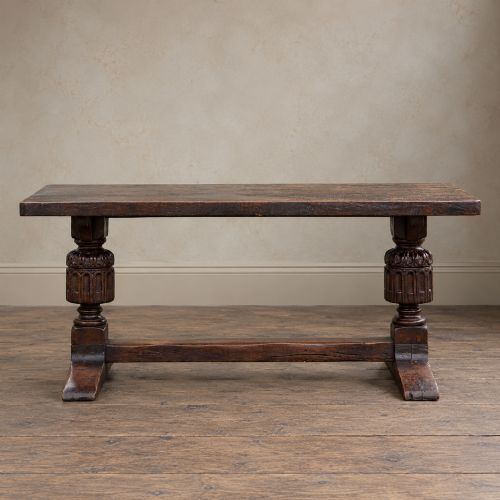
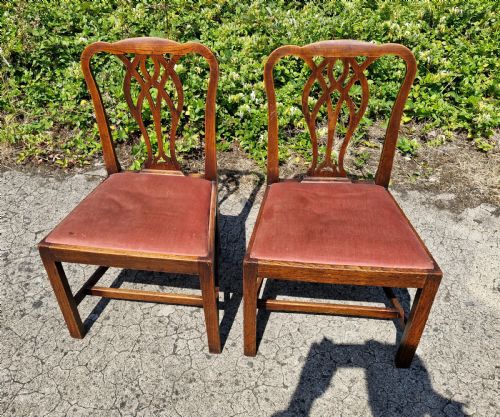
Makers working within provincial and regional workshops utilised elm for its toughness and distinctive interlocking grain. The selection spans formal Georgian bureau types and commodes down to vernacular Welsh settles and cricket tables.
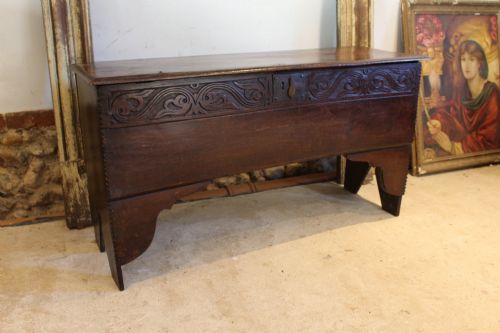
Examples often combine elm with secondary timbers such as oak, ash, and yew. Regional variations range from West Country high hoop-back armchairs to Welsh Gower peninsula six-plank coffers.
What varies in quality
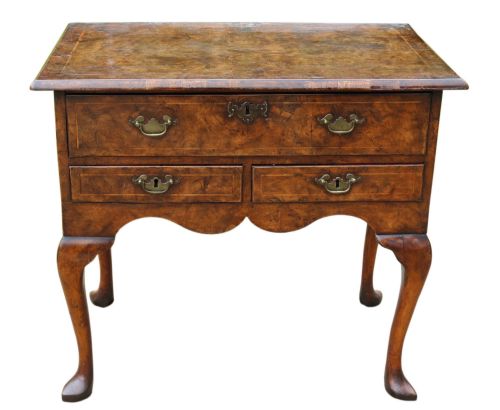
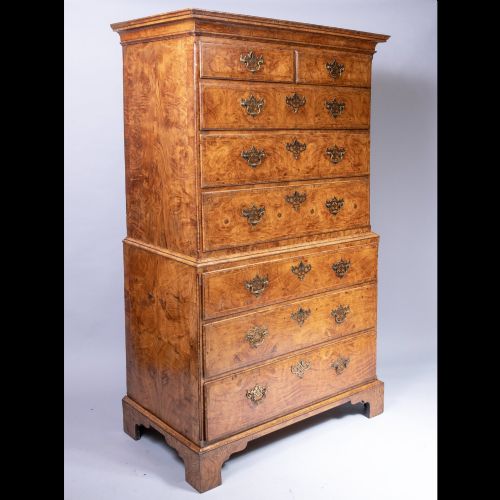
Quality rests upon the selection and figuring of the timber, from plain utility boards to highly figured burr elm veneers. Superior examples display balanced proportions and original structural components rather than extensive timber replacement.
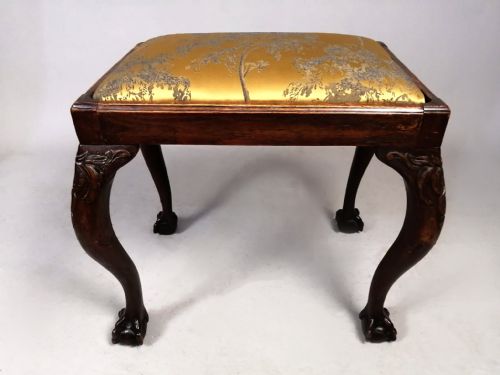
Regional distinction and the sophistication of the turning or carving elevate certain items, such as Irish carved stools or crinoline stretcher Windsor chairs, above standard vernacular production.
Period Elm Furniture Retail Price Guide 2026
Typical asking prices for period elm furniture among the pieces listed under this phrase on Sellingantiques today, from the lower quarter to the upper quarter. They describe what is for sale here now, not the wider market.
Elm timber twists so stubbornly as it dries that early carpenters swore the wood retained a mind of its own.
The Period Elm Furniture Glossary
- Burr elm
- An irregular growth formation on the tree yielding highly figured timber with swirling patterns, utilised for decorative veneering on high-status Georgian case furniture.
- Joint stool
- A sturdy wooden stool constructed with mortise and tenon joints pegged together, commonly predating upholstered seating.
- High hoop-back
- A Windsor chair back design featuring a continuous bentwood bow rising high above the seat, often supported by central splats and numerous spindles.
- Crinoline stretcher
- An arched or curved wooden brace connecting the legs of a Windsor chair below the seat, providing lateral stability and resembling a rigid hoop skirt.
- Bacon settle
- A high-backed wooden bench incorporating a storage compartment or chest beneath the seat, historically used in farmhouses for curing and storing meat.
Period Elm Furniture: Frequently Asked Questions
How do I identify a Windsor chair?
Windsor chairs feature a solid elm or ash wooden seat into which the legs and back spindles are directly inserted rather than built upon a separate frame.
Regional types vary from stick backs to comb backs and high hoop-backs, frequently supported by stretcher systems beneath the seat.
Where was country elm furniture made?
Much of this furniture originated in provincial workshops across the British Isles, with specific regional styles emerging from the West Country, Wales, and rural shires.
Local timber supplies dictated construction methods, often pairing elm seats with ash spindles and oak underframes.
How should I care for elm furniture?
Keep elm items away from direct heat sources and rapid temperature shifts to prevent timber shrinkage and movement in wide boards.
Apply traditional beeswax periodically to nourish the dry wood and maintain the natural lustre of the grain.