



Period Drinking Vessels
These period drinking vessels range from Georgian lead glass wine glasses to Japanese Meiji lacquer sake cups and Scottish treen quaichs, offering a tactile connection to historical social rituals.
Period Drinking Vessels
Period drinking vessels encompass a diverse array of historic items designed for consuming alcohol, uniting centuries of social custom across different cultures. When exploring period drinking vessels on this page, collectors frequently encounter eighteenth-century English glassware alongside nineteenth-century woodenware and early twentieth-century Asian lacquerware.
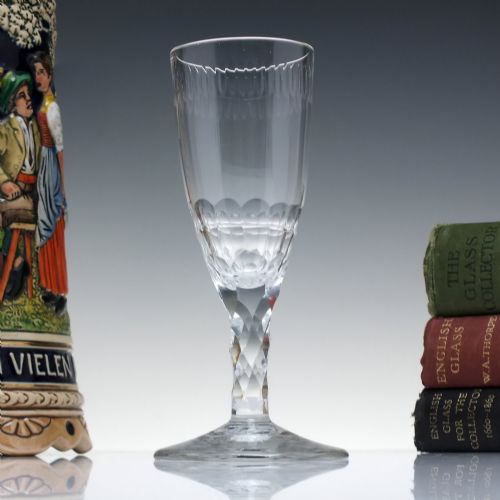
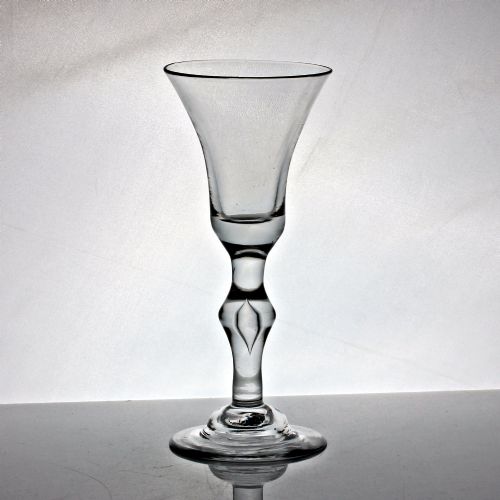
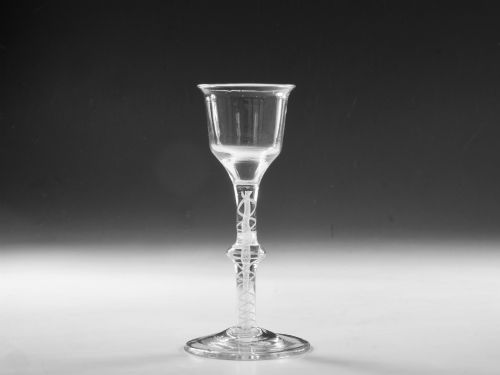
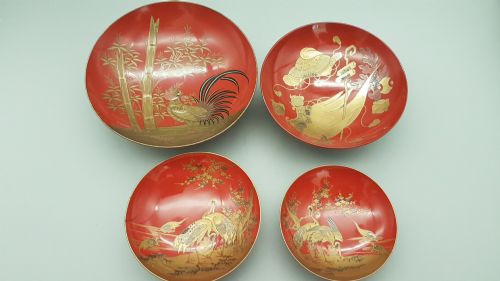
The selection ranges from delicate balustroid gin glasses and opaque twist wine glasses to sturdy treen quaichs and matched sets of lacquer sake cups. Each surviving vessel reflects the specific dining and drinking habits of its era, whether shaped for Georgian toasts or Meiji gatherings.
How they were made
Glass vessels from the eighteenth century rely on lead glass and hand-blown lead glass techniques, shaping forms like bell bowls, folded feet, and facet stems. Artisans manipulated the molten metal to create distinct stemware variations, including air and opaque twists.
Wooden and lacquer items demonstrate alternative artisan traditions, utilising hardwood for carved treen forms and applying gold leaf and paper details to Japanese Meiji lacquer sake cups. These varied manufacturing methods highlight the distinct material capabilities of British glassmakers, Scottish woodturners, and Japanese lacquer artists.
Period Drinking Vessels Retail Price Guide 2026
Typical asking prices for period drinking vessels among the pieces listed under this phrase on Sellingantiques today, from the lower quarter to the upper quarter. They describe what is for sale here now, not the wider market.
The listings on this page span the eighteenth, nineteenth, and early twentieth centuries, featuring materials such as lead glass, wood, enamel, and gold leaf.
What varies in quality
Quality in these vessels rests on the finesse of the maker's hand and the preservation of original material characteristics. In glassware, the clarity of the lead metal, the crispness of facet cutting, and the structural integrity of folded or domed feet distinguish finer examples.
For wooden and lacquer pieces, the retention of delicate surface decoration, such as gold leaf and paper elements, defines the standard. Condition and purity of form elevate specific specimens above ordinary utility wares.
Duesbury and Kean
The Period Drinking Vessels Glossary
- Baluster
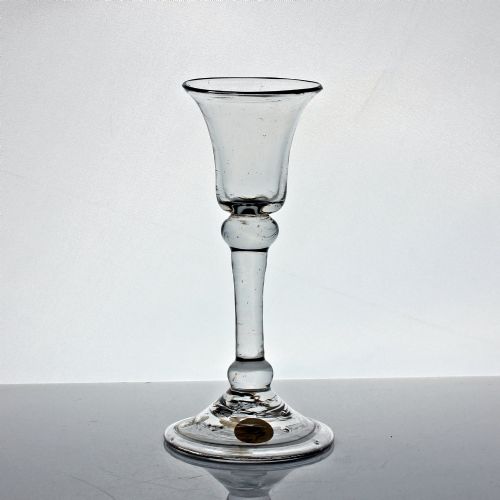
- A heavy, swelling stem form found on eighteenth-century wine glasses, often featuring internal air bubbles or knops.
- Opaque twist
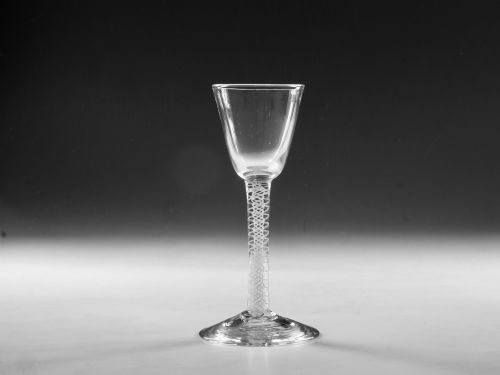
- A glass stem decoration created by drawing out white or coloured enamel threads within the clear lead glass.
- Quaich
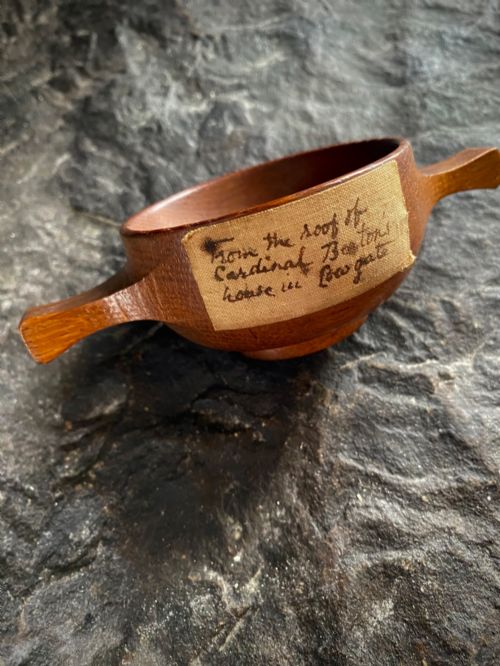
- A traditional Scottish two-handled drinking vessel, usually carved from wood in the treen tradition.
- Facet stem
- A stem shape featuring flat polished planes cut into the glass to catch the light.
- Domed foot
- A raised, convex base supporting a vessel, frequently seen on Georgian baluster wine glasses.
Period Drinking Vessels: Frequently Asked Questions
What is a balustroid glass?
A balustroid glass is a lighter, more slender variation of the heavy baluster stem form popular during the Georgian period.
These drinking vessels feature refined proportions while retaining the characteristic knopped stem design typical of eighteenth-century English glassmaking.
How do I care for antique glass?
Antique glass requires gentle hand washing in lukewarm water using mild detergent without harsh abrasives.
Avoid sudden temperature changes to protect the delicate lead metal from thermal shock and preserve the historic surface.
How are opaque twist stems dated?
Opaque twist stems are typically dated by examining the specific formation of the enamel threads and the bowl shape.
Most English examples with these decorative stems date from the mid-eighteenth century, particularly around the seventeen-sixties.