



Period Dressing Stand
These period dressing stand pieces offer remarkable craftsmanship from the seventeenth century through to the twentieth.
Period Dressing Stand
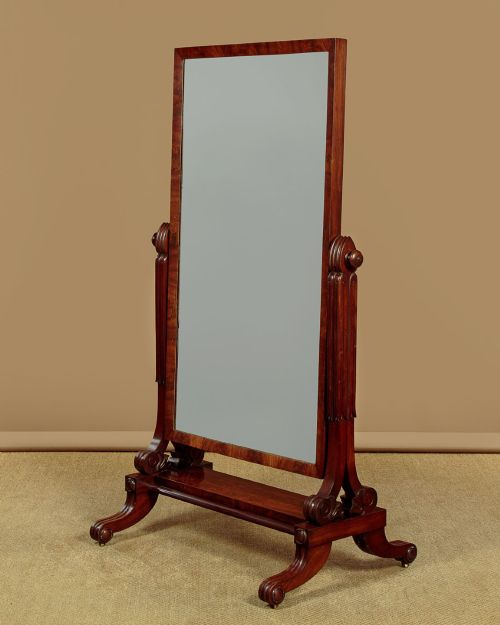
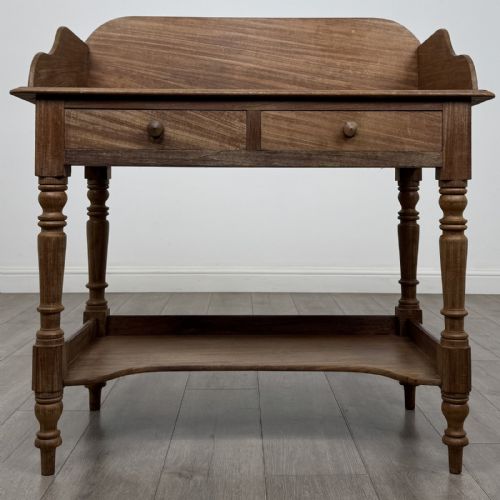
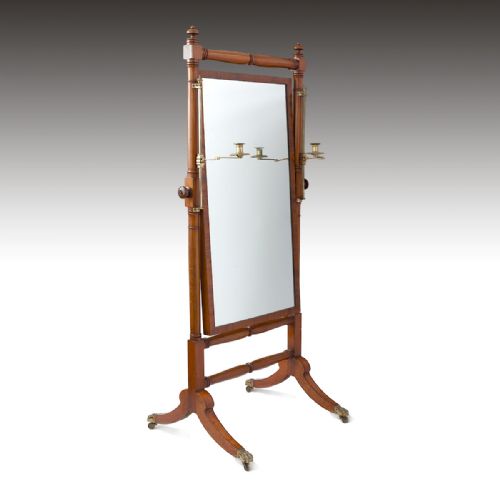
A period dressing stand covers a distinct variety of furnishings and decorative items designed for personal grooming and interior refinement over several centuries. The selection on this page includes large cheval mirrors, tabletop vanity mirrors, washstands, and small patch stands originating across the Georgian, Regency, Victorian, and Art Deco eras.
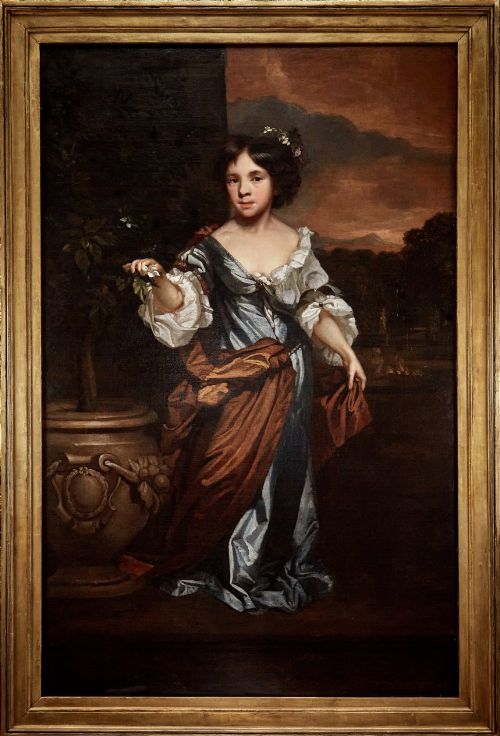
Cheval mirrors dominate the larger formats, often constructed from flame mahogany with brass or bronze details. Smaller items range from French Empire bronze and ormolu table mirrors to eighteenth-century lead glass patch stands and seventeenth-century oil paintings.
How they were made
Makers utilised dense timbers such as mahogany, frequently employing flame mahogany veneers to create rich surface movement on large frames. Bronze, ormolu, brass, and gilt wood provide structural mounts, hardware, and decorative borders on French Empire and Regency examples.
Glass production encompasses standard mirror glass alongside lead glass for miniature items like patch stands. Washstands incorporate functional woodwork such as raised galleries, while adjustable mechanisms utilise cast brass components.
Period Dressing Stand Retail Price Guide 2026
Typical asking prices for period dressing stand among the pieces listed under this phrase on Sellingantiques today, from the lower quarter to the upper quarter. They describe what is for sale here now, not the wider market.
Periods represented include the 17th Century, 18th Century, Early Georgian, Georgian, Regency, 19th Century, Victorian, and 1920.
What varies in quality
The sophistication of the timber selection and the precision of the cabinetwork set fine examples apart from standard utility pieces. Flame mahogany grain alignment across a large cheval frame demonstrates superior workshop practice compared to plainer stock.
The quality of the cast bronze or ormolu mounts and the clarity of the original mirror glass or lead glass elements define the upper tier of these items. Proportion and adherence to specific stylistic idioms, such as Regency or French Empire, dictate the visual success of the piece.
John Riley·John Closterman
The Period Dressing Stand Glossary
- Cheval mirror
- A freestanding full-length mirror supported on a frame with vertical posts and pivoting pivots. These large dressing glasses allow a full view and often feature substantial mahogany standards.
- Washstand
- A piece of bedroom furniture designed to hold a basin and pitcher for washing. Examples from the Victorian era often feature a raised timber gallery to protect the wall.
- Ormolu
- Gilt bronze ornamentation applied to furniture and decorative objects, prominent in French Empire and Regency designs. This technique involves amalgamating gold and mercury.
- Toilet mirror
- A smaller mirror designed to sit on a dressing table or chest of drawers for personal grooming. These items date across the Georgian and nineteenth-century periods.
Period Dressing Stand: Frequently Asked Questions
What is a cheval mirror?
A cheval mirror is a large, freestanding dressing glass mounted on a pivoting frame between two vertical pillars. These pieces allow the viewer to see their entire outfit.
Originating in various forms through the Georgian and Regency periods, they typically utilise heavy timber frames like mahogany.
Where were table mirrors used?
Table mirrors were placed atop dressing tables, chests, or special washstands in bedrooms and dressing rooms. They provided a convenient surface for close-up grooming and makeup application.
Smaller examples from the French Empire period often combined bronze, ormolu, and marble.
What is a patch stand?
A patch stand is a miniature pedestal or dish used to hold small cosmetic patches fashionable in the eighteenth century. These delicate items were placed on dressing tables.
They are frequently found in lead glass from the early Georgian period.