

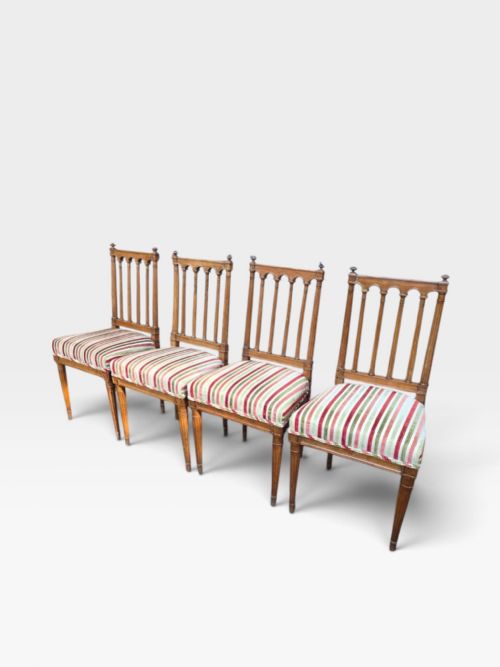
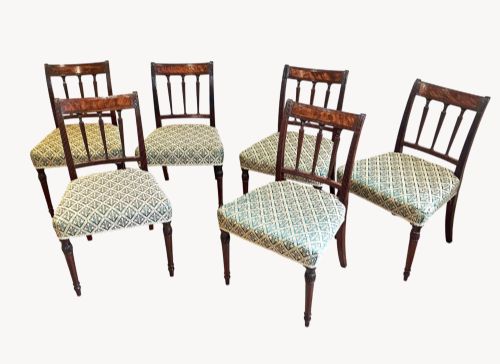
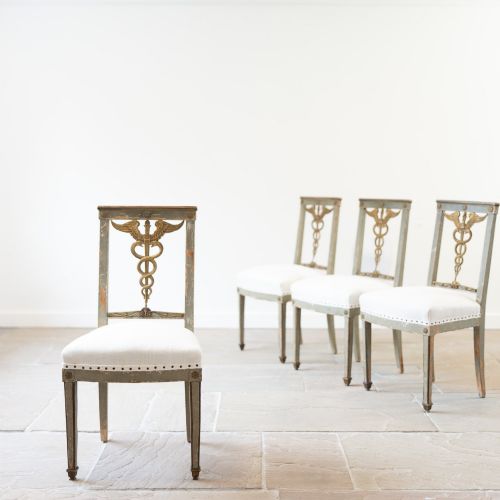
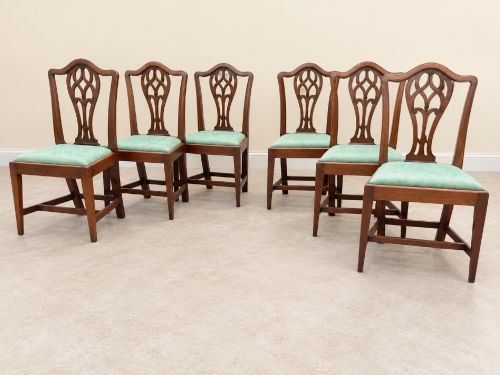
Period Dining Set
A period dining set gathers family and guests around the table in style, offering enduring craftsmanship and historic character for the home.
Period Dining Set
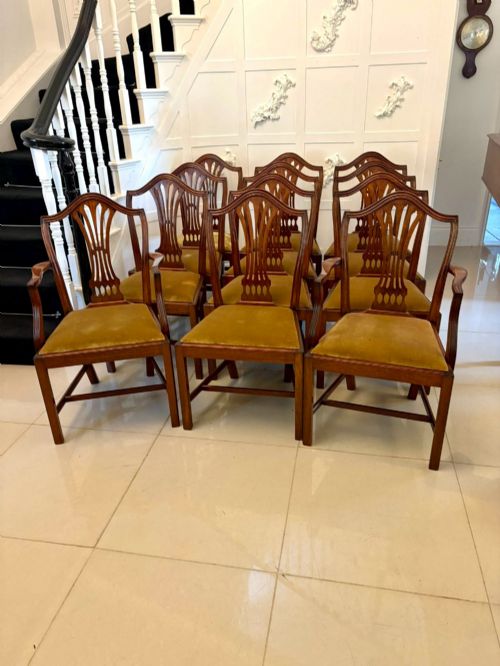
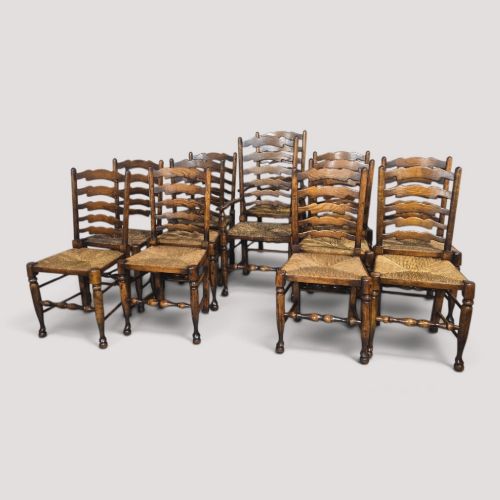
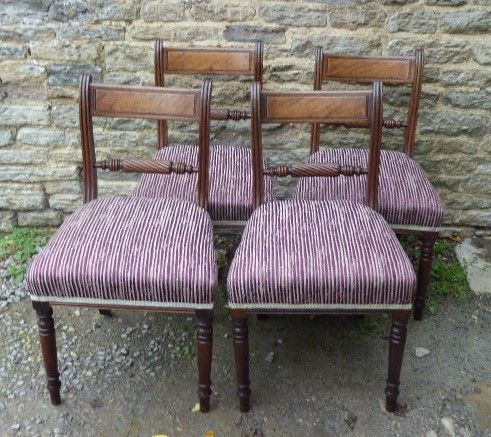
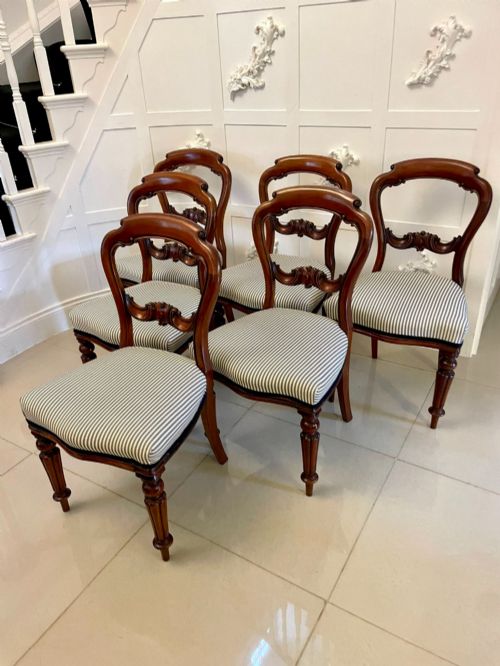
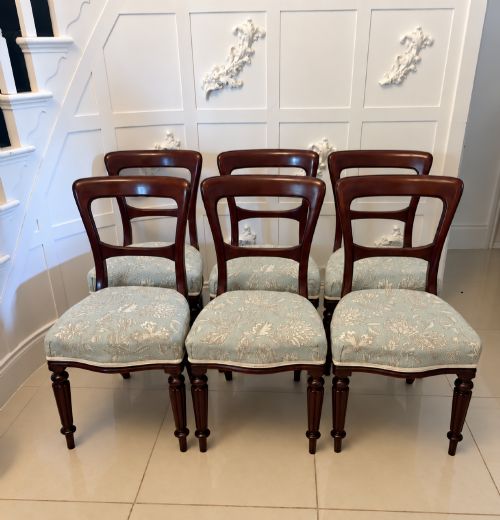
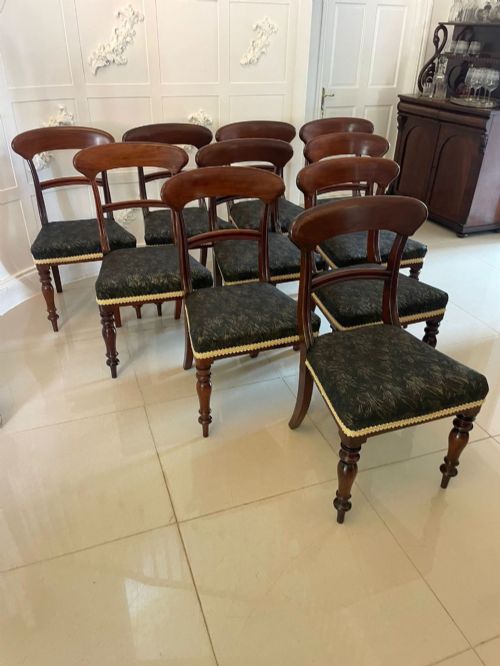
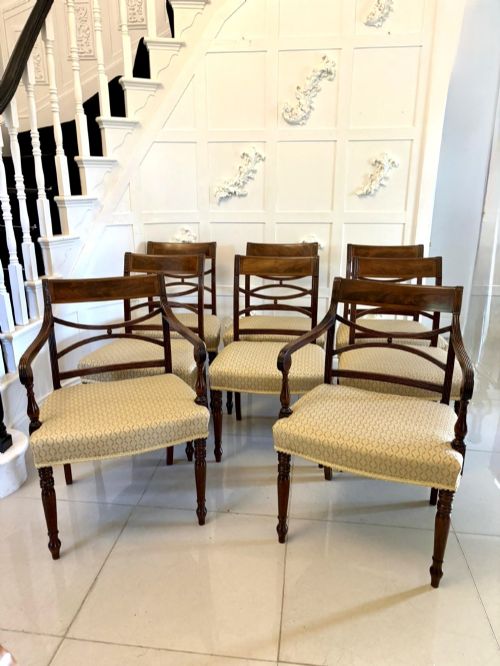
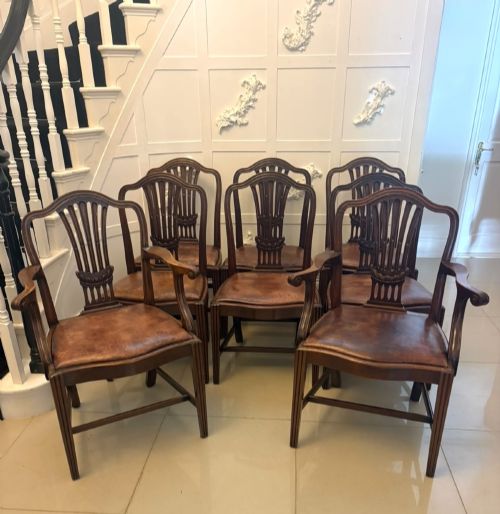
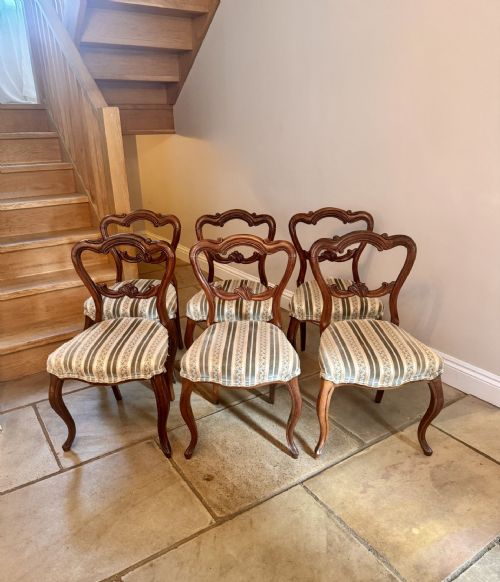
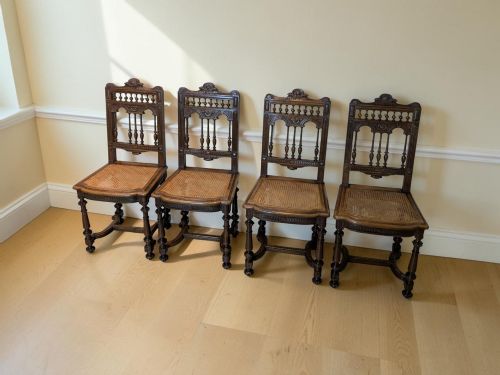
A period dining set primarily consists of matched groups of dining chairs spanning the 18th century through to the Edwardian era. Buyers seeking a period dining set will frequently encounter matching sets of mahogany, oak, or rosewood chairs dating from the Georgian, Regency, and Victorian periods.
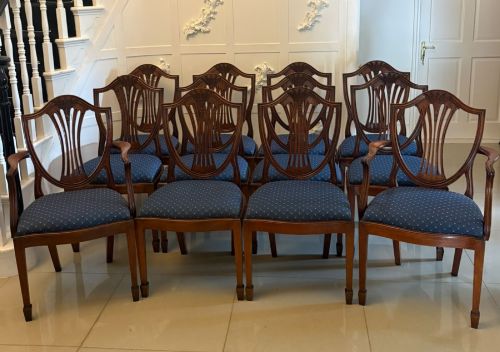
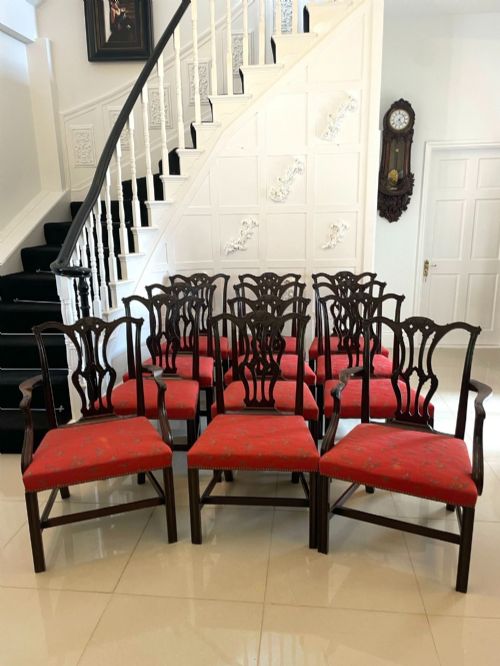
The configurations range from intimate sets of four or six chairs up to large assemblies of ten or twelve, often incorporating carvers with arms for the heads of the table. Hall chairs and rustic farmhouse variants also appear among the offerings, providing diverse aesthetic options for traditional interiors.
Originating across different historical eras, these sets reflect the prevailing design movements of their time, including Hepplewhite style, Sheraton, and Gothic influences. The survivor sets demonstrate how dining furniture evolved from simple country construction to intricate urban cabinet work.
Materials and construction methods
Makers relied heavily on dense hardwoods such as mahogany, oak, and rosewood, utilising their natural strength for slender splats and load-bearing legs. Walnut, elm, and ash also contributed to regional and period-specific chair production.
Joinery involved traditional mortise and tenon techniques, alongside turned elements like barley twist stems or reeded legs. Decorative detailing frequently featured carved shield backs, pierced splats, brass inlay, and upholstered pads in leather, velvet, or woven fabric.
Period Dining Set Retail Price Guide 2026
Typical asking prices for period dining set among the pieces listed under this phrase on Sellingantiques today, from the lower quarter to the upper quarter. They describe what is for sale here now, not the wider market.
Listings feature woods such as mahogany, oak, rosewood, walnut, elm, and ash across periods from the 17th century to the Edwardian era.
Distinctions in quality and execution
Quality separates robust cabinet work from lesser output through the crispness of hand carving and the selection of deeply figured timber veneers. Superior sets display cohesive matching across all chairs in the group rather than assembled or married components.
The Period Dining Set Glossary
- Carver
- An armchair designed to match a set of smaller dining chairs, typically placed at the head of the table.
- Shield back
- A chair back shaped in the outline of a heraldic shield, popular in Hepplewhite designs during the late 18th century.
- Balloon back
- A rounded, oval-shaped chair back design characteristic of Victorian seating.
- Splat
- The vertical wooden strip down the centre of a chair back, often pierced or carved.
- Reeded
- Decorated with parallel convex mouldings resembling bundled reeds, commonly seen on Regency and Victorian legs.
- Gonçalo Alves
- A dense exotic hardwood with striking figuring, occasionally utilised for Regency dining chairs.
Period Dining Set: Frequently Asked Questions
How many chairs come in a set?
Sets typically range from four to twelve chairs, frequently including two armchairs known as carvers for the ends of the table. Buyers can find configurations suited to both compact dining spaces and grand formal rooms.
The listings reflect diverse historical sizes, meaning larger gatherings can be accommodated with matching sets dating back to the Georgian and Victorian eras.
What woods were used in these sets?
Cabinet makers utilised durable hardwoods, with mahogany appearing most frequently across Georgian and Regency examples. Oak, rosewood, walnut, elm, and ash also feature prominently in various regional and period styles.
Finer sets often highlight the natural grain of the timber, sometimes enhanced with contrasting veneers or brass inlay details.
Are these chairs suitable for daily use?
Historic dining chairs are generally robust enough for regular daily use provided the frame joints remain secure and stable. Many survivals have been maintained or restored over the centuries to ensure structural reliability.
Placing them around a modern or antique table brings functional historic character into a contemporary dining room.