
Period Dining Chairs Set
A period dining chairs set brings matching historic form and timber grain to the table, uniting centuries of craftsmanship around a single room.
Period Dining Chairs Set
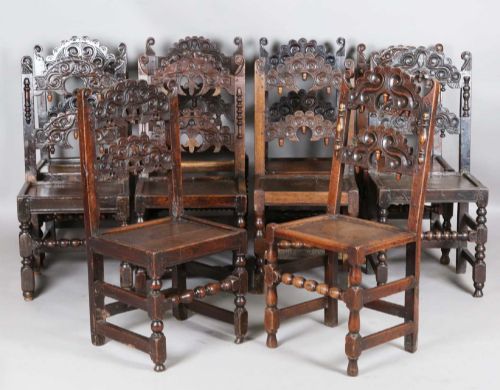
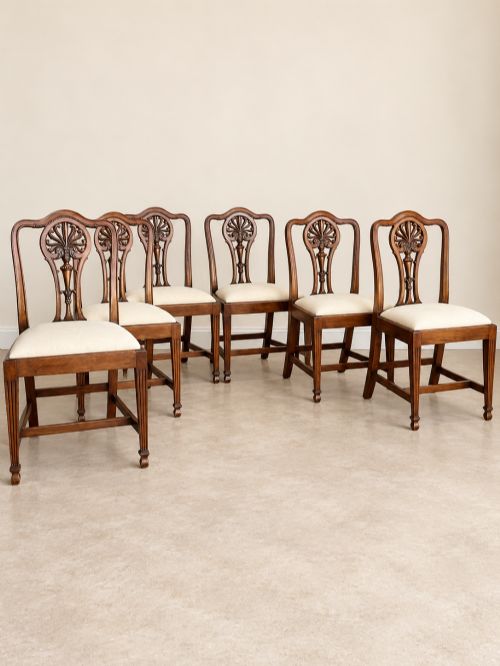
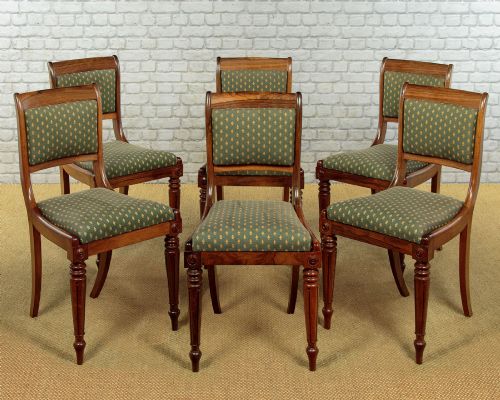
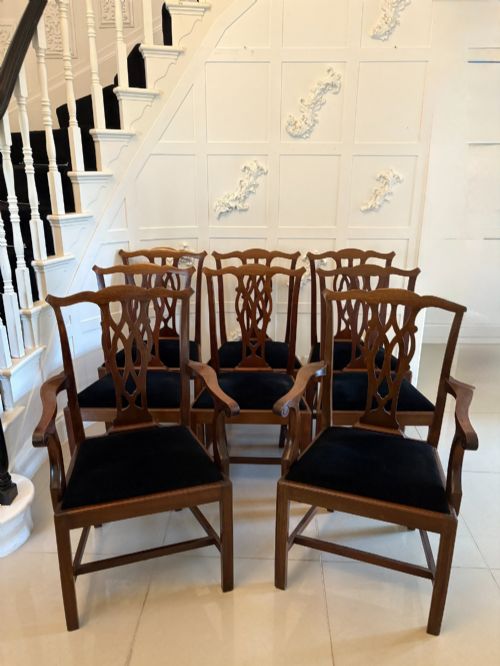
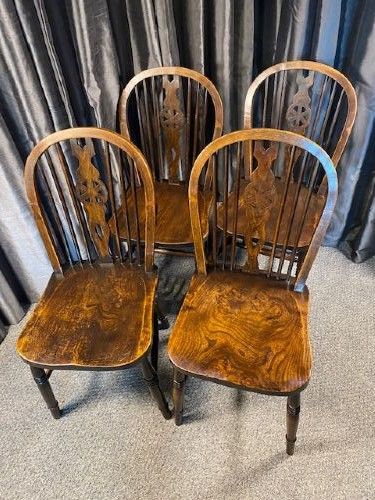
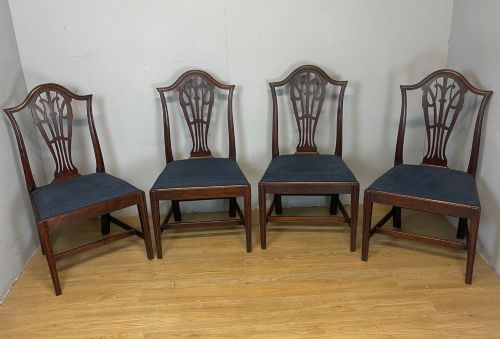
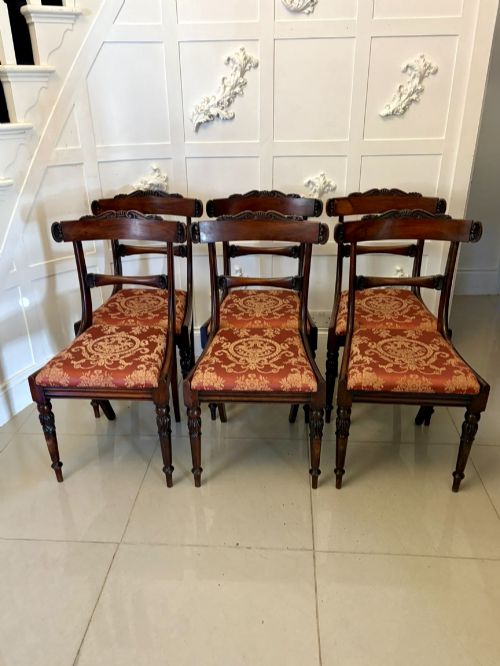
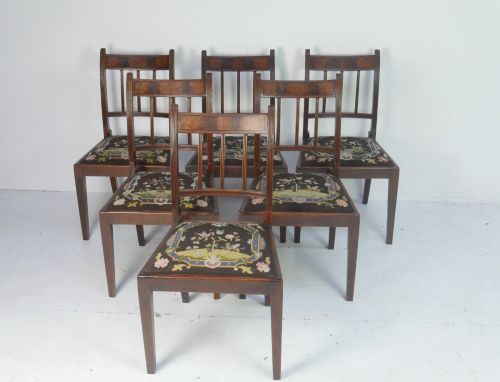
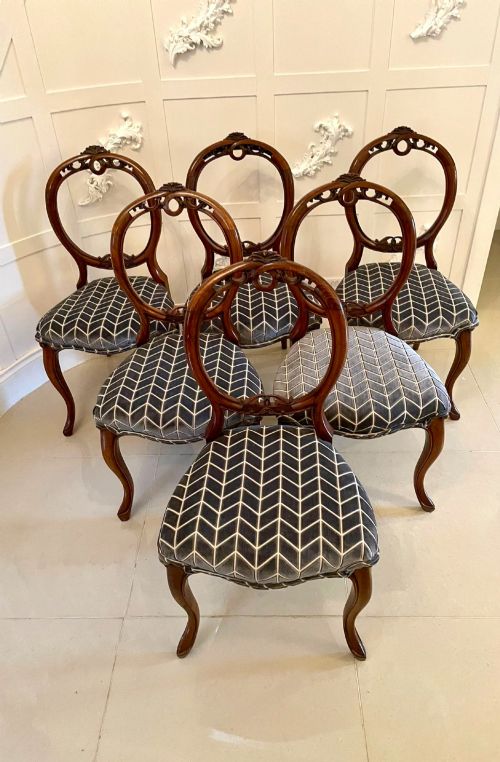
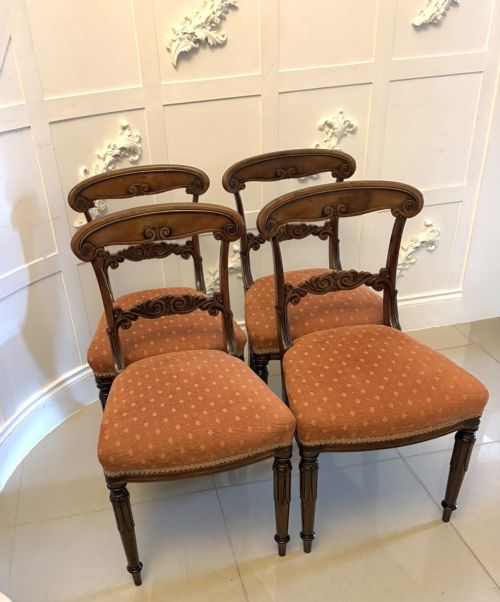
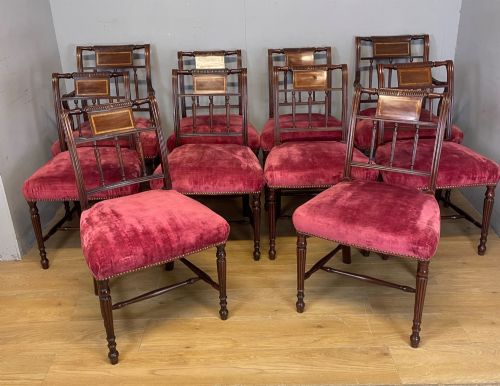
A period dining chairs set brings together matching seats created during centuries ranging from the Georgian era through to the Victorian period and the Edwardian years. Buyers searching this phrase encounter groupings that vary from small sets of four country kitchen chairs up to grand suites of twenty walnut or mahogany frames.
The configurations commonly include a majority of single chairs accompanied by one or two armchairs known as carvers, designed for the head and foot of the table. Origins stretch across English workshops, Scottish cabinets, and continental makers utilising diverse regional traditions.
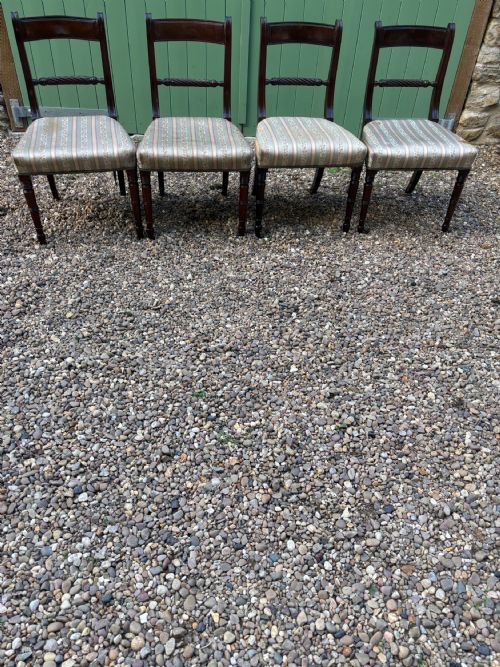
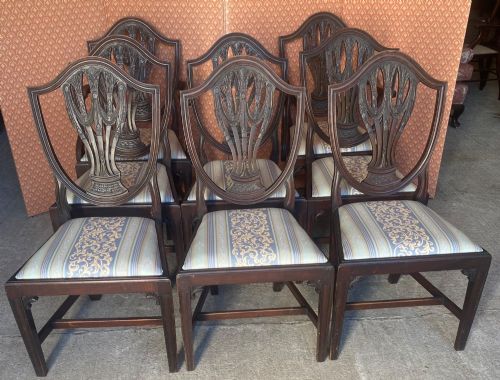
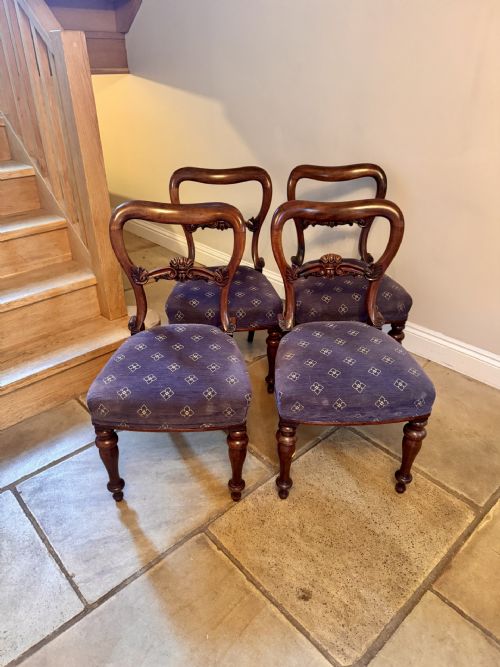
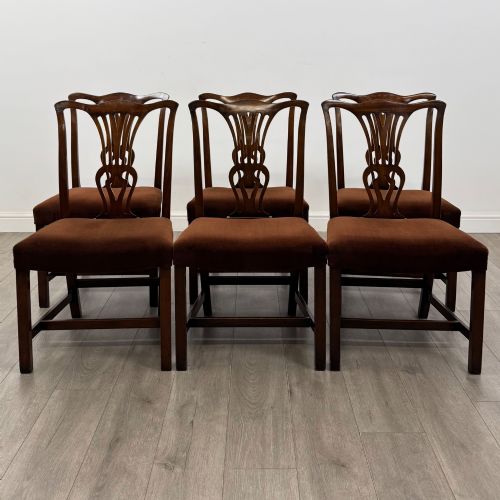
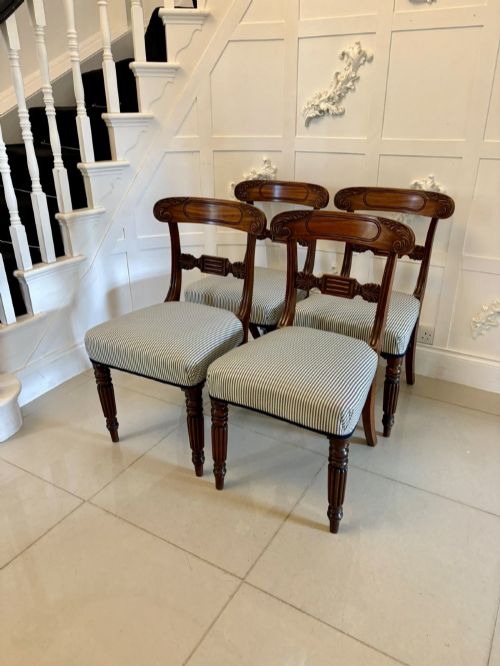
Forms span the classic shield backs of the late eighteenth century, curving bar backs of the Regency epoch, and high-backed styles echoing Queen Anne designs. Walnut, oak, mahogany and rosewood provide the primary wooden structures for these historic suites.
Materials and construction
Cabinetmakers constructed these frames primarily from dense hardwoods like mahogany, walnut and oak, selecting timber for its durable grain and deep natural colour. Secondary woods often reinforced seat rails while brass accents added subtle detailing to structural joints.
Joinery relied on traditional mortise and tenon techniques alongside precise hand-carving for decorative elements such as rope twists, reeded legs and shield backs. Upholstery involved layered textiles, horsehair stuffing and fabric or cane panels secured directly to the wooden frames.
Listings feature mahogany, walnut and oak frames spanning the Georgian, Regency and Victorian periods.
Distinctions in standard
The upper tier of the range displays crisp, deeply carved detailing executed by skilled hands, whereas simpler examples rely on plain turned legs and minimal shaping. Original matching sets command greater interest than assembled groups gathered together at a later date.
Timber selection dictates overall visual weight, with flamed veneers and rich grain patterns marking out superior examples from standard commercial production. The survival of original canework, structural integrity across all joints, and uncompromised surface patination further separate standard items from exceptional pieces.
Maple and Co·Alfred Allen of Birmingham·Gillows
The Period Dining Chairs Set Glossary
- Carver
- An armchair designed with arms, traditionally placed at the ends of a dining table to match the surrounding single chairs.
- Shield Back
- A chair back shaped in the form of a heraldic shield, popular during the late eighteenth century.
- Bar Back
- A horizontal wooden slat crossing the upper back of a chair, typical of nineteenth-century Regency designs.
- Caning
- Woven rattan material utilised for lightweight seat panels and decorative back inserts.
- Patina
- The surface sheen and deep colour developed by aged wood through decades of handling and polishing.
Period Dining Chairs Set: Frequently Asked Questions
How many chairs come in a standard set?
Historic suites typically comprise four, six, eight or more individual seats depending on the original dining requirements of the household.
Larger configurations often incorporate a pair of matching armchairs alongside several single chairs for the sides of the table.
What is the difference between single and carver chairs?
Single chairs are built without arms to allow multiple seats to fit compactly along the straight lengths of a dining table.
Carver chairs feature supportive armrests on either side and traditionally sit at the head and foot positions for the hosts.
How do I identify the period of a chair set?
Dating relies on stylistic clues such as the geometry of the backrest, the turning of the legs, and the specific timber varieties favoured by cabinetmakers in different decades.
Georgian designs often show delicate carved shields or straight legs, whilst Victorian examples favour heavier walnut frames and balloon backs.
Can antique dining chairs be used every day?
Historic wooden frames provide sturdy daily seating provided the mortise and tenon joints remain tight and secure.
Routine checks on upholstery webbing and careful handling help preserve the structural integrity of older timber over years of use.