



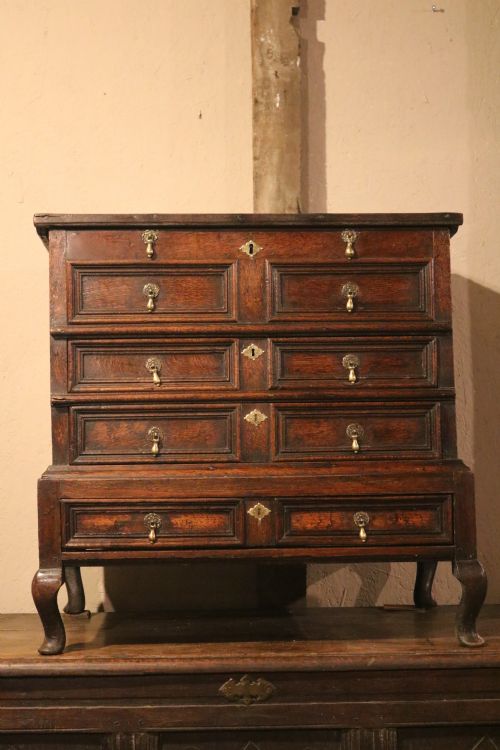


Period Collectors Chest
These period collectors chest examples are specialist storage pieces built for small treasures, offering remarkable craftsmanship and enduring historical utility.
Period Collectors Chest
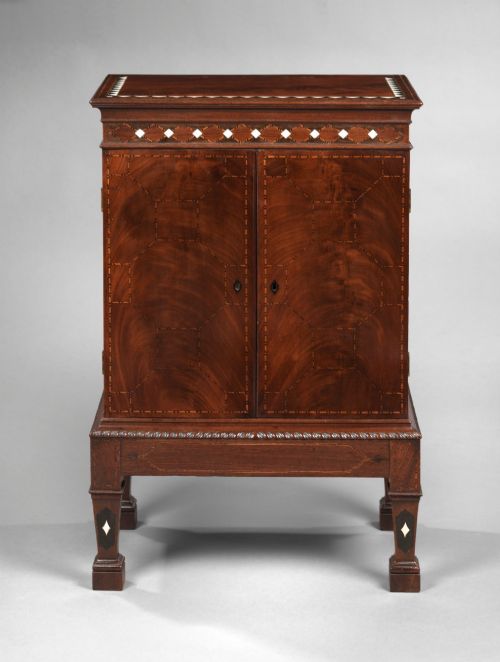
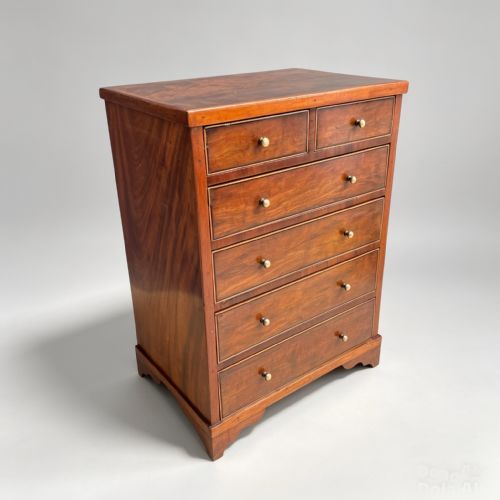
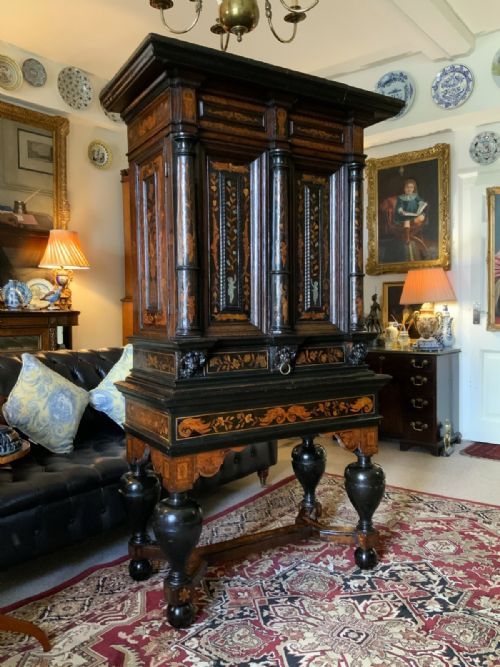
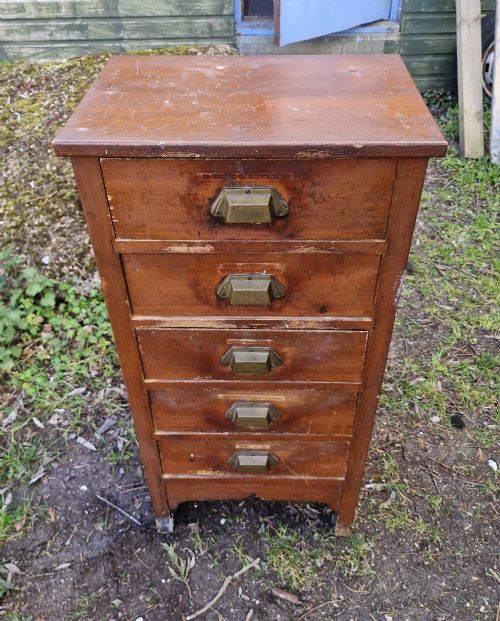
A period collectors chest encompasses specialist storage items such as miniature chests of drawers, cabinets on stand, table cabinets, and desktop cases. These pieces were historically designed to house small treasures, specimens, or documents.
The selections available include works spanning the seventeenth century through to the early twentieth century. Common stylistic expressions range from William and Mary burr walnut to Georgian mahogany and Japanese black lacquer.
How they were made
Cabinetmakers utilised dense hardwoods including mahogany, walnut, oak, and kingwood, often applying decorative veneers such as olive wood oyster pieces or intricate marquetry. Surface enrichment frequently involved brass handles, pewter inlay, bone inlay, and black lacquer finishes.
Construction techniques combined robust joinery with fine detailing, seen in miniature bow-front drawers, tallboy forms, and multi-drawer frameworks designed to house specialised collections.
Period Collectors Chest Retail Price Guide 2026
Typical asking prices for period collectors chest among the pieces listed under this phrase on Sellingantiques today, from the lower quarter to the upper quarter. They describe what is for sale here now, not the wider market.
Represented periods span from the 17th Century and William and Mary eras through to Georgian, Regency, and 1920 Edwardian designs.
What varies in quality
The standard of a piece rests upon the complexity of its timber selection, such as figured walnut or matched oyster veneers, alongside the precision of decorative elements like pewter inlay or brass hardware. Masterful execution in specialised forms, such as cabinets on stand or multi-drawer miniature chests, elevates the standing of the work.
Originality of surface finish and associated details, including period handles or early lettering, distinguishes finer examples. The integration of structural joinery with refined aesthetic proportions defines the upper tier of these pieces.
Brady·Charles William Schofield
The Period Collectors Chest Glossary
- Cabinet on stand
- A freestanding storage cabinet raised upon a supporting frame or stand. This elevated form typically dates to the seventeenth or early eighteenth century.
- Oyster veneer
- Slices cut transversely from small branches to produce circular or oval patterns resembling oyster shells. This technique is characteristic of late seventeenth-century cabinetwork.
- Miniature furniture
- Small-scale cabinet pieces meticulously constructed by makers as masterworks, salesman samples, or bespoke items. They replicate full-sized chests and tallboys in every structural detail.
- Marquetry
- Inlay work using various coloured woods to form decorative pictures or geometric patterns on a surface. It appears on seventeenth-century Dutch Baroque pieces.
- Kodansu
- A traditional Japanese small cabinet featuring multiple drawers and compartments. These table cabinets often display black lacquer finishes.
Period Collectors Chest: Frequently Asked Questions
How were table cabinets used?
Table cabinets and desktop cases served as secure places for keeping correspondence, cigars, or small personal valuables close at hand. Their multiple drawers allowed for organised sorting.
Owners placed them on larger desks or tables in studies and offices, combining daily utility with decorative display.
How do I identify seventeenth-century pieces?
Seventeenth-century examples often feature distinct decorative techniques such as olive wood oyster veneers, pewter inlay, and elaborate marquetry. Cabinets on stand are particularly prevalent from this era.
Structure and wood choice also provide clues, as dense timbers like kingwood and walnut were favoured alongside robust joinery methods typical of the period.
Where do miniature chests originate?
Miniature chests were produced across Britain and Europe by skilled cabinetmakers who scaled down full-size forms like tallboys and bow-front chests. Welsh workshops and English makers both contributed distinctive regional examples.
These smaller pieces served various purposes, including apprentice pieces, salesman samples, or bespoke commissions for domestic spaces.