


Period Chiffonier
A period chiffonier is a low cabinet designed for dining rooms and parlours, prized for surface display and concealed storage.
Period Chiffonier
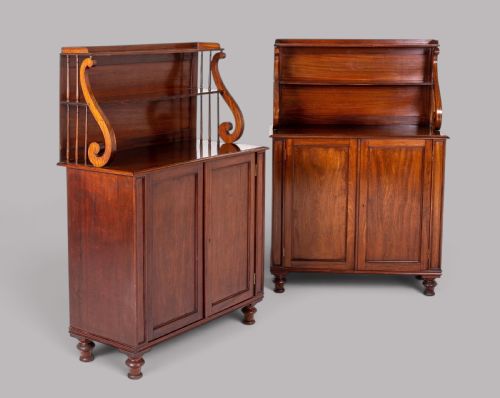
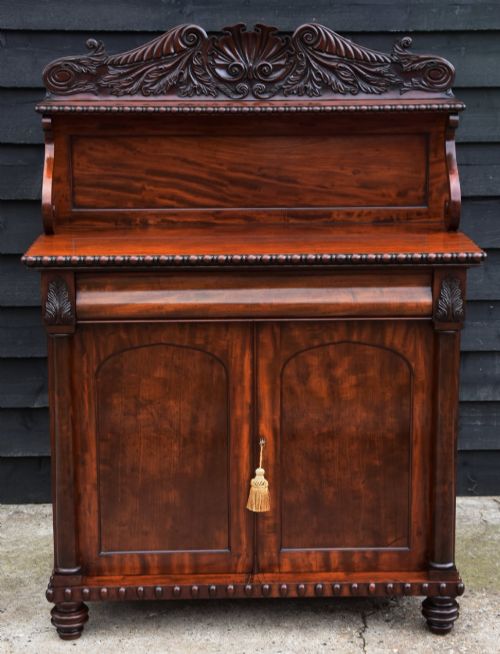
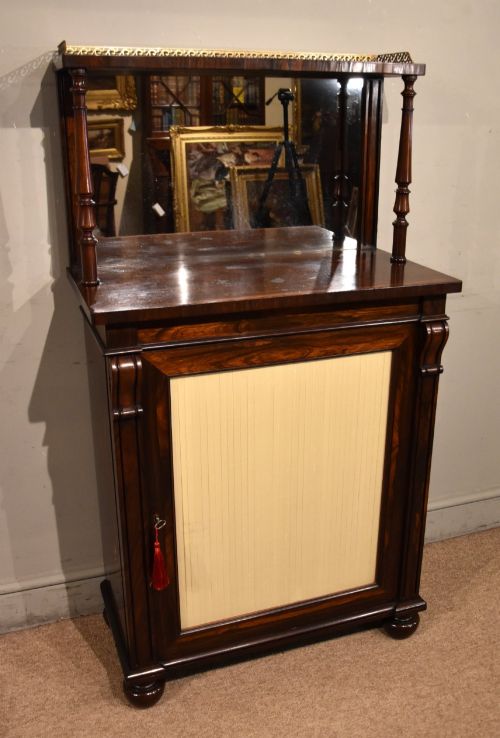
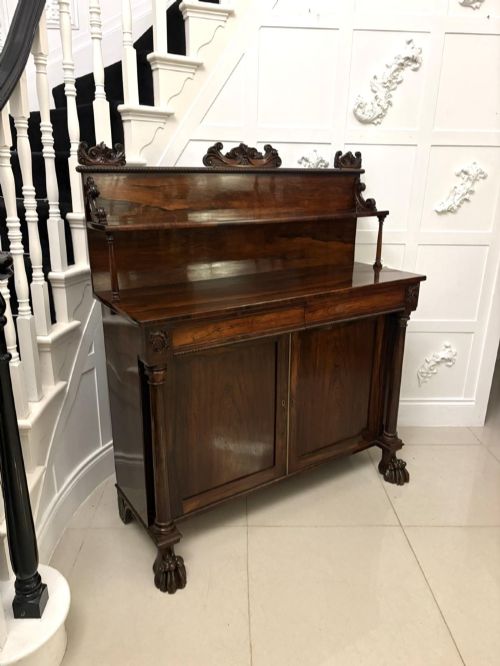
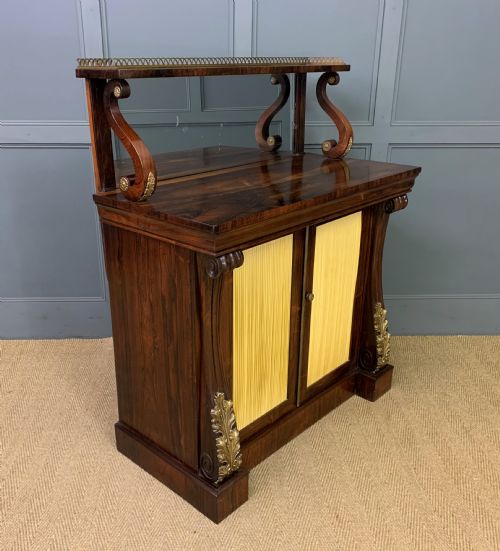
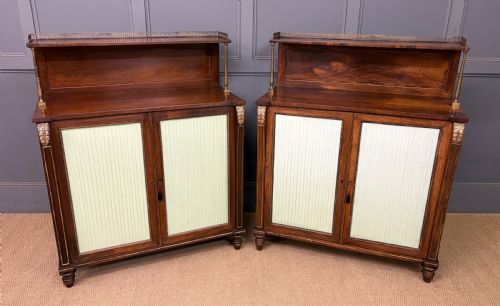
A period chiffonier is a low storage piece that evolved from the sideboard during the early nineteenth century. These cabinets typically combine a lower enclosed cupboard with an upper shelf or superstructure supported by pillars.
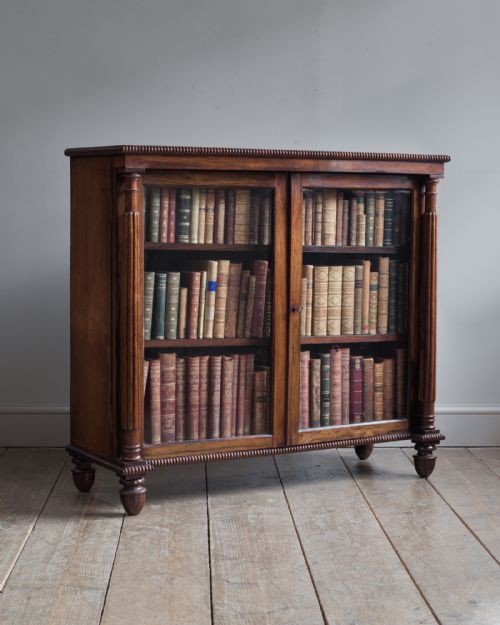
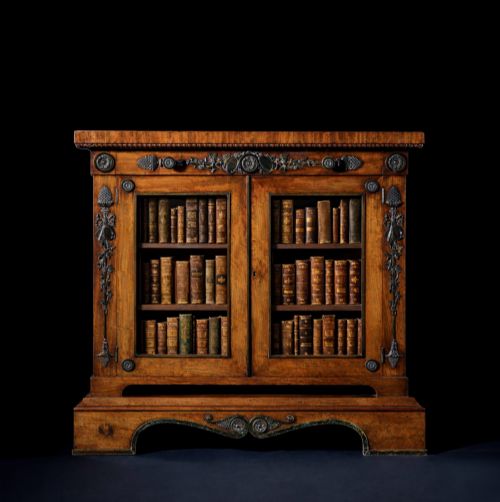
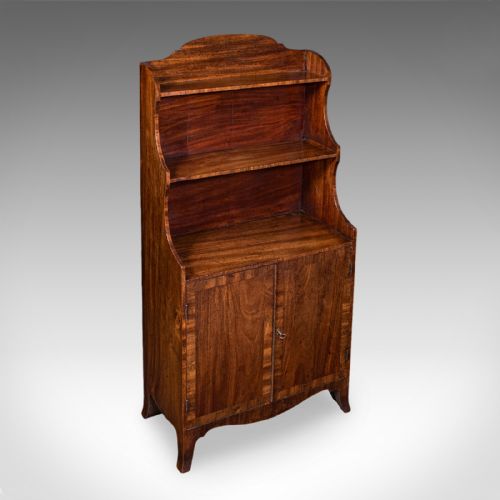
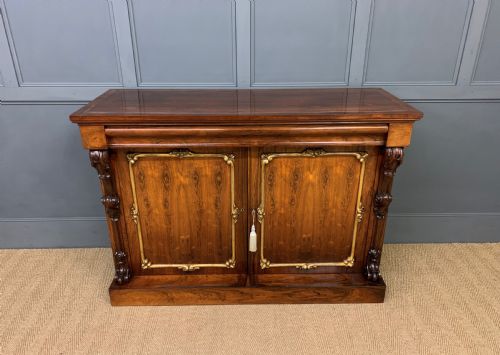
Most examples encountered on this page belong to the Regency and Victorian eras, spanning the early to late nineteenth century. The form also bridges categories such as side cabinets, small sideboards, and occasional bookcases.
Makers designed these pieces to stand against a dining room or drawing room wall. Their compact proportions made them versatile for holding books, silver, or linens while displaying ornaments on the top surface.
Materials and construction
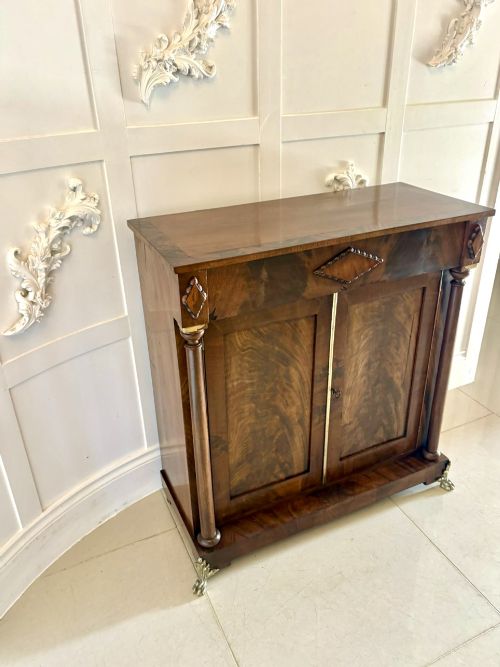
Cabinetmakers built these pieces using solid timbers such as mahogany and rosewood, often enhanced with flame mahogany veneer or exotic woods like goncalo alves and amboyna. Artisans selected timber for rich grain patterns and deep natural colour.
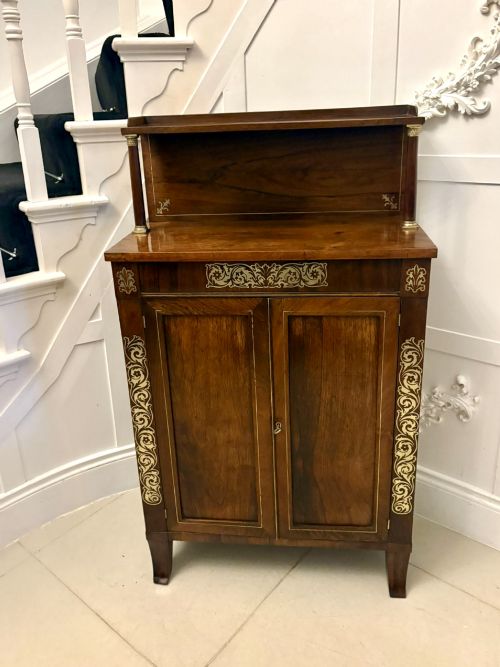
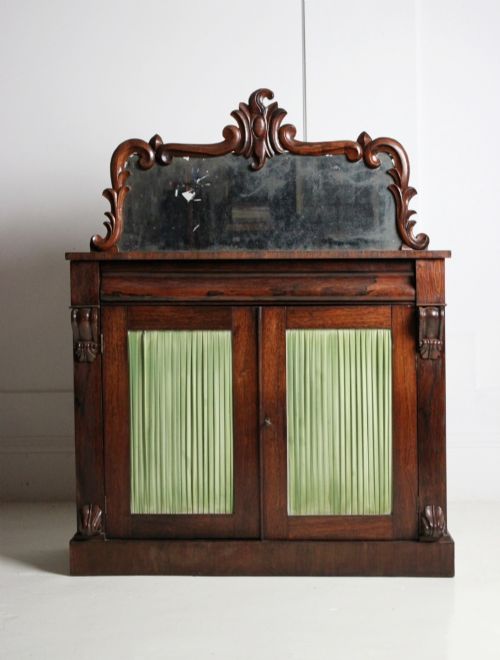
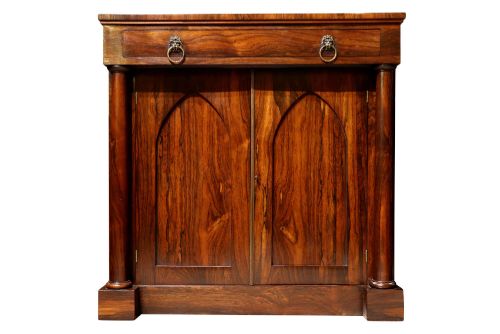
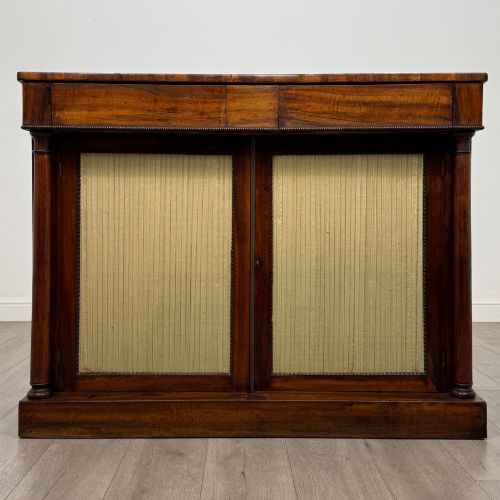
Decoration relied on brass inlay, gilt mounts, and bronze mounts rather than heavy carving. Doors frequently featured brass grilles backed with fabric, silk panels, or Gothic panels to soften the appearance of the timber.
Construction involved traditional joinery techniques suited to fine cabinet work. Structural rigidity came from carcase frames while delicate veneers required precise hand-cut fitting.
Period Chiffonier Retail Price Guide 2026
Typical asking prices for period chiffonier among the pieces listed under this phrase on Sellingantiques today, from the lower quarter to the upper quarter. They describe what is for sale here now, not the wider market.
Listings feature items from the Regency, Georgian, and Victorian periods, constructed primarily in mahogany, rosewood, and decorative veneers.
Qualities that set examples apart
The choice and execution of timber figure heavily in the standing of a piece, particularly where highly figured flame mahogany or dense rosewood veneer matches across the doors and drawer fronts. Superior cabinets display meticulous grain continuity.
Detailing differentiates standard production from exceptional work, seen in finely chased brass mounts, precise brass stringing, and well-executed grille work. The integration of structural supports and superstructure pillars also reflects the maker's hand.
Proportion and restraint dictate the visual balance of the piece. The finest examples maintain clean architectural lines where hardware and secondary materials complement rather than overwhelm the timber carcase.
The Period Chiffonier Glossary
- Chiffonier
- A low cabinet with doors enclosing shelves, frequently surmounted by a small shelf or gallery. This form became popular during the Regency period for domestic entertaining spaces.
- Flame mahogany veneer
- A thin slice of mahogany timber cut from the fork of the tree to create a distinctive flickering flame pattern. Cabinetmakers applied this to primary display surfaces.
- Brass grille
- A fine open metal lattice fitted into cabinet doors, often backed with pleated silk or fabric. It allowed air circulation while concealing the contents.
- Goncalo alves
- A dense exotic hardwood with striking dark brown and pale contrasting streaks. Artisans utilised this timber for decorative cabinets and specialist furniture.
- Gothic panel
- A pointed arch or trefoil motif carved or framed into woodwork. This style reflected the early nineteenth century revival of medieval architectural details.
Period Chiffonier: Frequently Asked Questions
What is a period chiffonier used for?
These cabinets served primarily in dining rooms and drawing rooms for storing tableware, linens, or books. The upper surface provided space for displaying decorative porcelain and lamps.
Over time, their compact footprint allowed them to transition into general living spaces as versatile storage furniture.
How do I date a Regency chiffonier?
Regency pieces date roughly from the early nineteenth century, typically between eighteen hundred and eighteen thirty. Key indicators include classical proportions, brass inlay, and rosewood or mahogany timbers.
Later Victorian iterations often feature heavier proportions and more ornate carving compared to the restrained elegance of Regency examples.
What is the difference between a chiffonier and a sideboard?
Sideboards are generally larger dining room pieces designed for serving food and storing heavy platters. Chiffoniers are more compact cabinets that often include a small superstructure or shelf on top.
While both share common ancestors in dining room furniture, chiffoniers function better in smaller reception rooms.
Are these cabinets made of solid wood?
Most examples utilise a combination of solid secondary timbers for the internal structure and precious veneers applied to the exterior surfaces. Flame mahogany and rosewood appeared frequently as veneers over sturdy carcases.
This technique prevented warping while presenting decorative grain patterns to the room.