

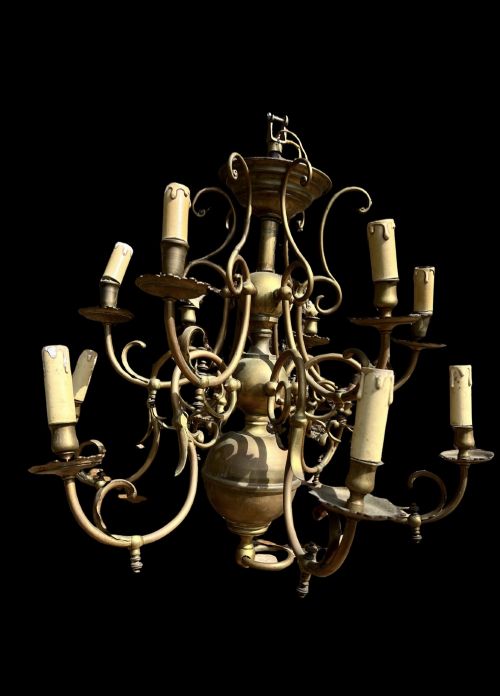


Period Ceiling Pendant
A period ceiling pendant brings historic illumination overhead, spanning robust brass lanterns and intricate crystal chandeliers from Victorian and Edwardian decades.
Period Ceiling Pendant
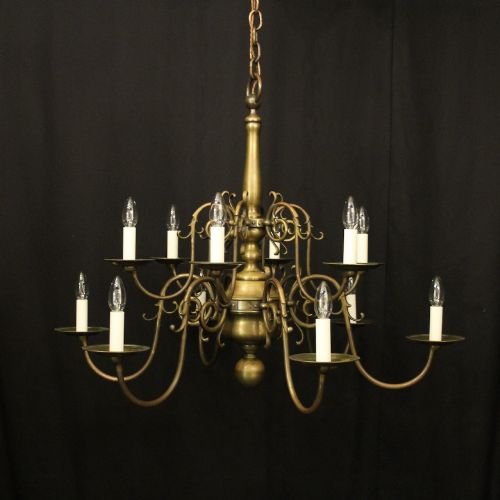
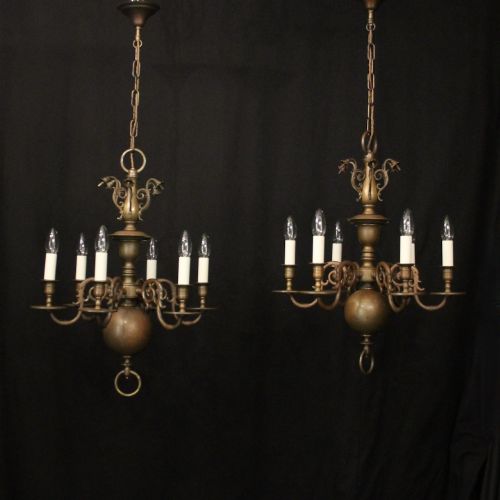
A search for period ceiling pendant reveals overhead lighting fixtures designed to hang from domestic and public ceilings, originating from eras such as the Victorian, Edwardian, and Art Deco periods. These items encompass substantial multi-arm chandeliers, single-bulb lanterns, and ornate ceiling roses that anchor light fittings to the architecture.
The selections available here lean heavily toward Edwardian and early twentieth-century examples, alongside nineteenth-century fixtures. Buyers frequently encounter brass and bronze frameworks paired with glass shades, cut glass elements, or crystal drops.
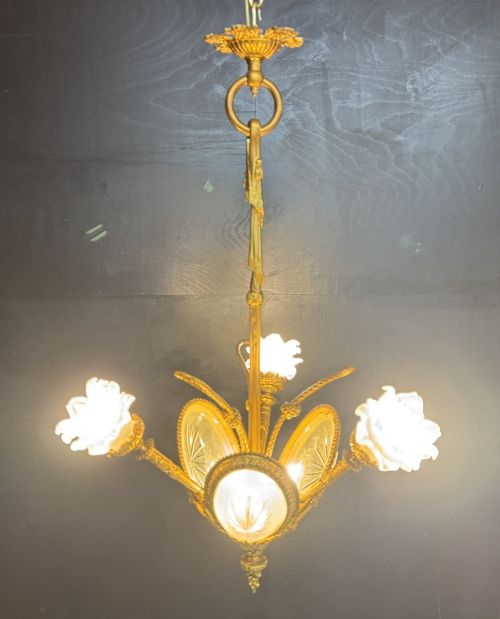
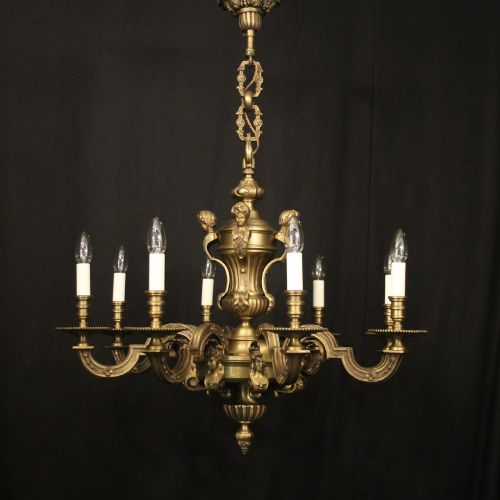
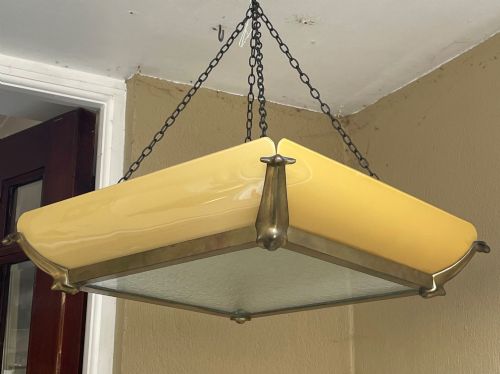
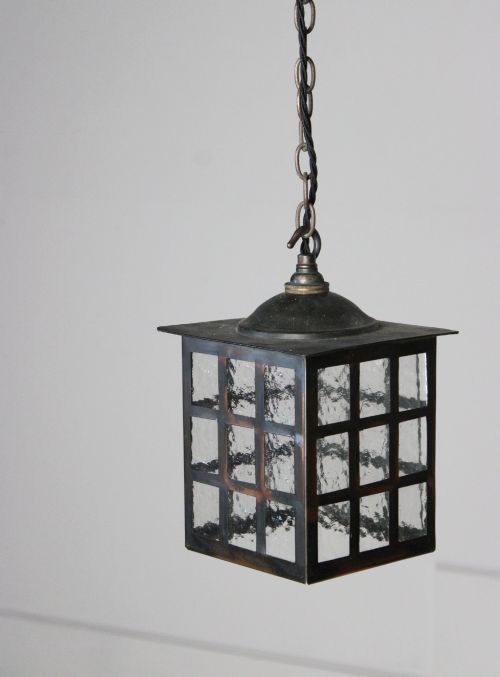
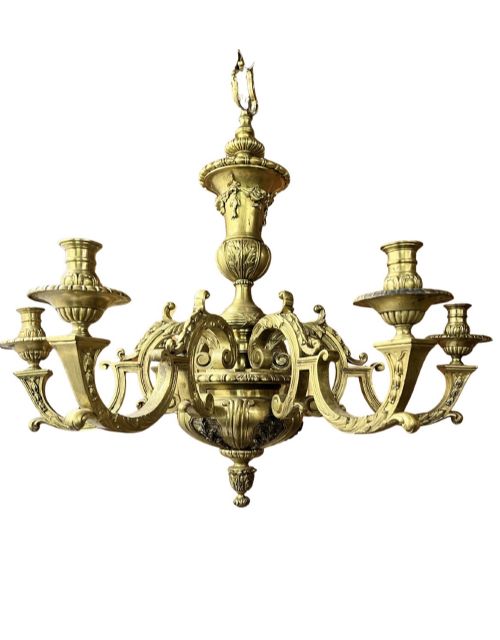
Forms range from hexagonal hall lanterns and copper outdoor-style pendants to grand French gilded bronze chandeliers. Each piece reflects the functional and decorative interior lighting preferences of its respective decade.
Materials and construction
Makers utilised cast and wrought metals such as brass, bronze, copper, and ormolu to form the structural skeletons and decorative mounts of these overhead lights. These metals were shaped through casting, forging, and gilding to achieve robust frameworks capable of supporting heavy glass components.
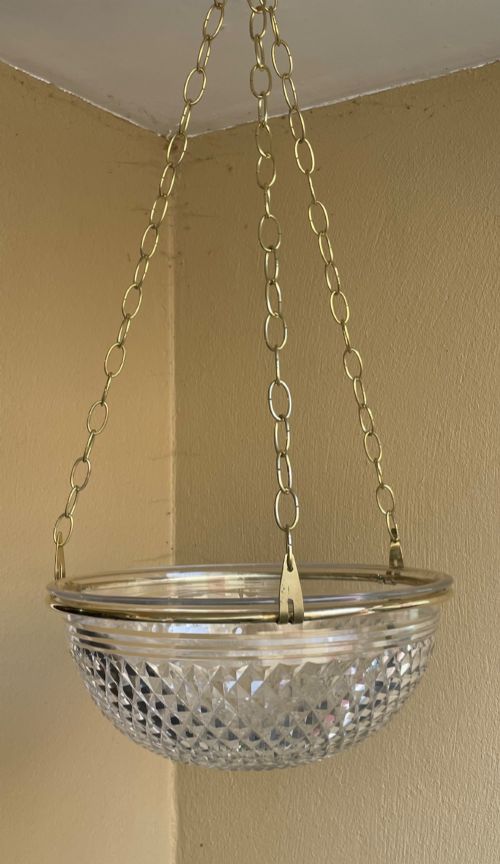
Glass and crystal played an essential role, appearing as blown opaline shades, frosted panes, cut glass prisms, and intricate plafonnier bowls. Artisans combined these transparent or translucent elements with metal armatures to diffuse and reflect illumination effectively throughout a room.
Period Ceiling Pendant Retail Price Guide 2026
Typical asking prices for period ceiling pendant among the pieces listed under this phrase on Sellingantiques today, from the lower quarter to the upper quarter. They describe what is for sale here now, not the wider market.
At least one copper lantern here guards a cheerful Green Man face peering from the metalwork.
Factors of quality
Quality rests in the precision of the metal casting and the depth of hand-finishing on components like cast brass roses and bronze mounts. Finer examples display crisp botanical or geometric ornamentation without the softening of detail often found in lesser castings.
The grade of the glass and crystal distinguishes standard production from superior pieces, with hand-cut crystals and heavy lead glass offering sharper refraction. Additionally, the structural integrity of the frame and the complexity of multi-arm assemblies determine the overall caliber of the fixture.
F&C Osler·G.E.C
The Period Ceiling Pendant Glossary
- Plafonnier
- A bowl-shaped ceiling light fitting that sits flush or hangs closely against the ceiling surface. These fixtures often feature moulded or cut glass.
- Electrolier
- A light fixture designed specifically for electric illumination, originating around the transition from gas and oil lighting to electricity. They frequently mimic earlier multi-arm candle chandelier formats.
- Ormolu
- Gilded bronze or brass ornamentation applied to furniture and lighting fixtures. The technique involves a mercury-gilding process that imparts a rich golden sheen.
- Gasoliere
- A lighting fixture originally constructed to burn coal gas before domestic electrification took over. Many surviving specimens undergo conversion to hold electric bulbs.
- Opaline glass
- A type of semi-translucent milk glass that diffuses light softly. It gained widespread popularity during the Victorian and Edwardian eras for shades.
Period Ceiling Pendant: Frequently Asked Questions
How do I hang a heavy antique pendant?
Heavy fixtures require professional installation involving direct anchoring into ceiling joists rather than relying on standard plaster. An appropriate weight-bearing hook or bracket ensures the structural safety of the ceiling.
Electrical wiring must also match the voltage requirements of modern systems while accommodating the antique socket housing.
Were these lights originally electric?
Many surviving pieces began as gasolieres or oil-burning lamps before being converted to electricity during subsequent decades. Original wiring is routinely replaced to meet contemporary safety standards.
Converted fixtures retain their historic metalwork and glass shades while operating safely on modern domestic circuits.
How do I clean cut glass shades?
Delicate glass components and crystal drops benefit from removal and hand washing in lukewarm water with mild soap. Harsh chemical cleaners can damage aged metal finishes on surrounding mounts.
Allowing components to air dry on a soft towel prevents scratching and water spots before reassembly.
What rooms suit a hall lantern?
Compact lanterns function effectively in entrance halls, stairwells, and corridors where ceiling height permits a hanging drop. Their enclosed or semi-enclosed frames direct illumination downward and outward.
Larger variations also serve as focal points in high-ceilinged dining spaces or reception rooms.