

Period Armchair Pair
A period armchair pair brings balanced symmetry to a room, offering matched seating from the eighteenth, nineteenth, and twentieth centuries.
Period Armchair Pair
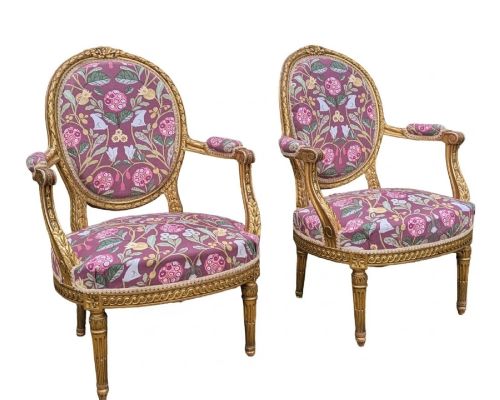
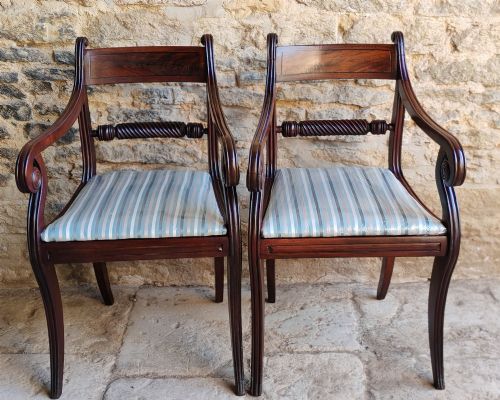
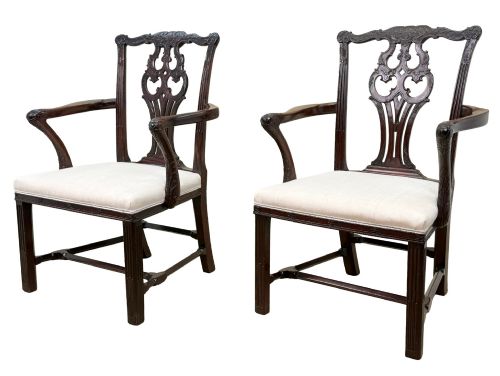
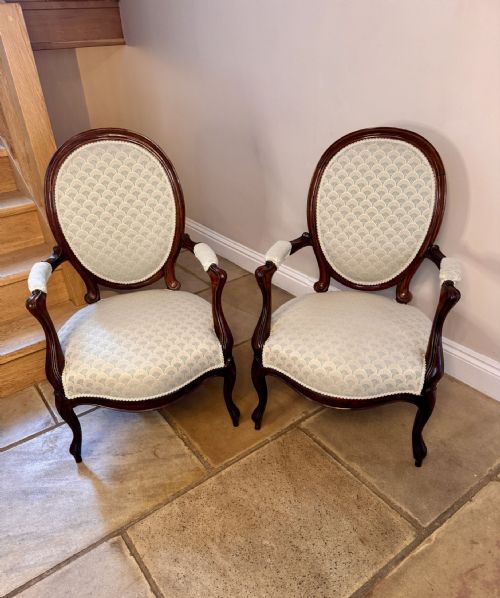
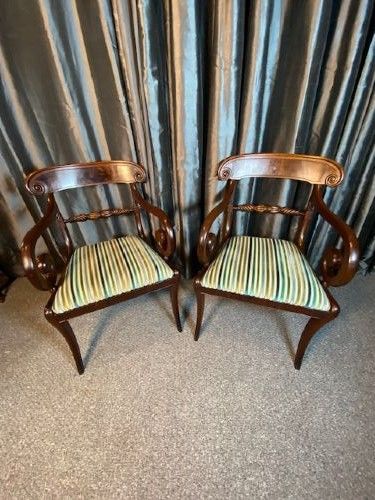
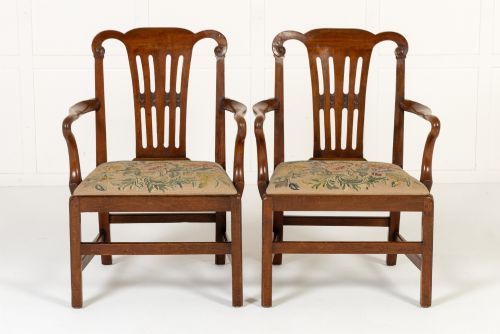
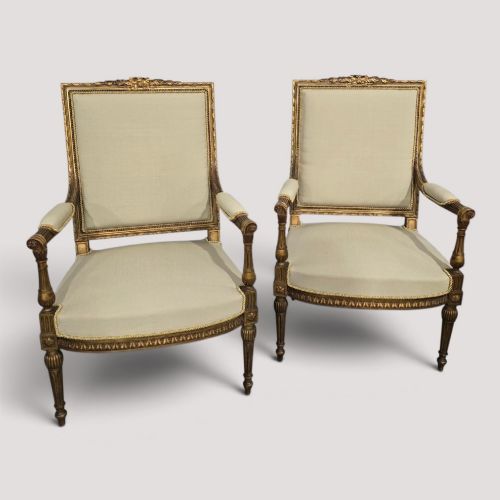
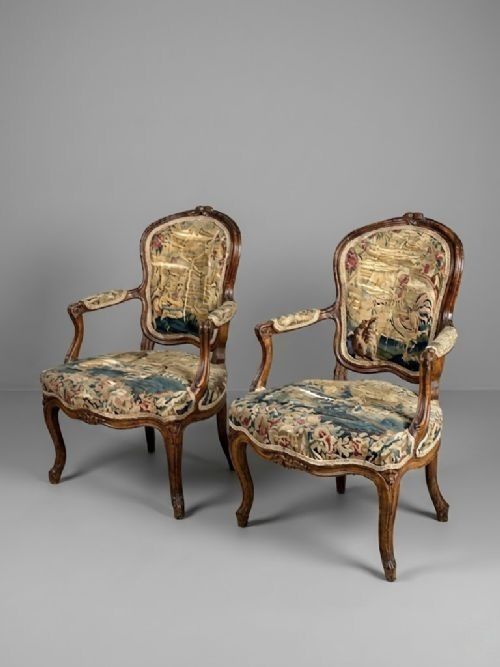
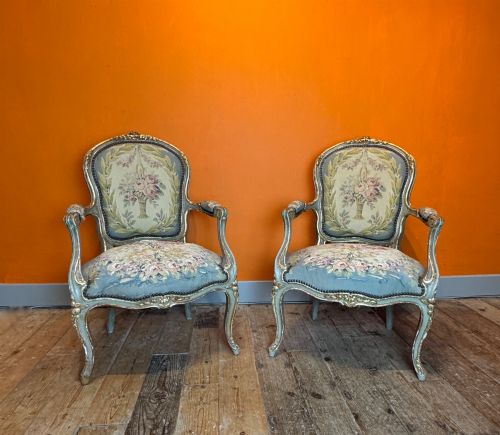
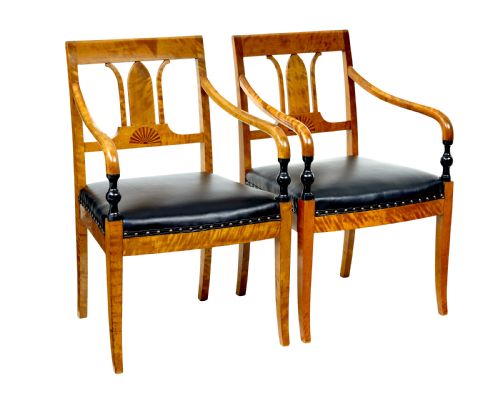
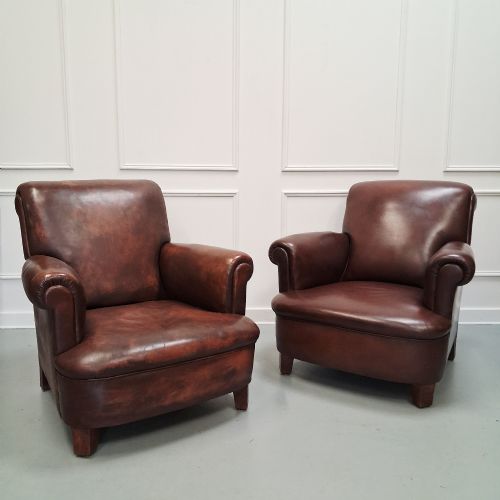
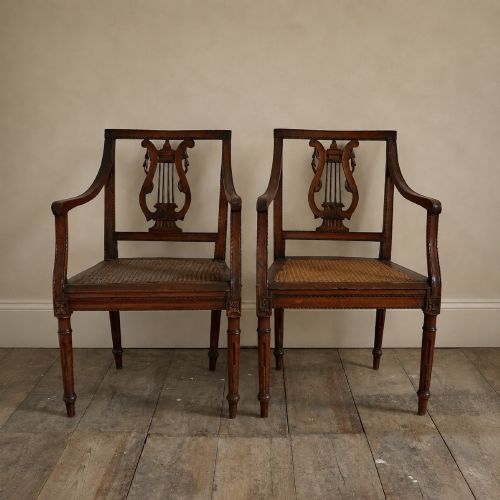
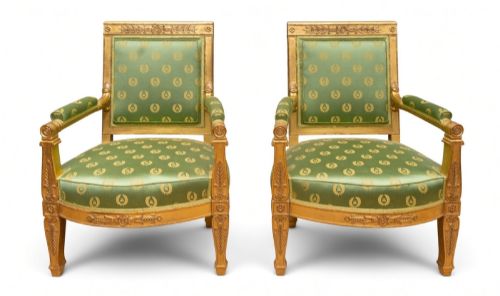
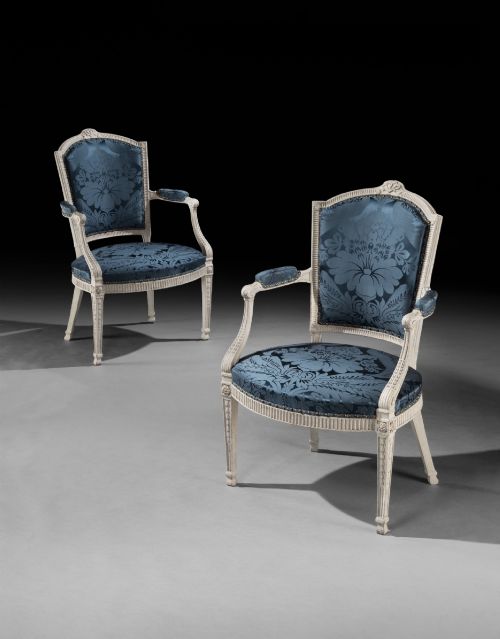
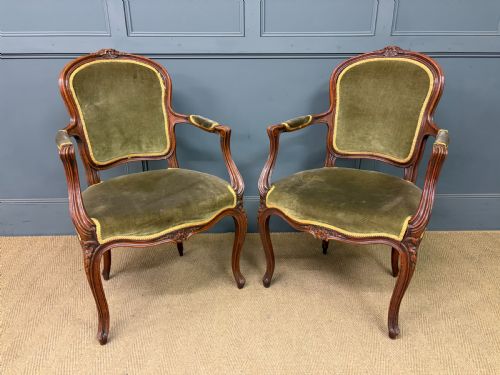
A period armchair pair consists of two matching seats designed for comfort, conversation, or study, originating from various eras including the eighteenth and nineteenth centuries. These items appear in multiple formats, such as library chairs, carver chairs, and French fauteuils.
The selection frequently includes English mahogany designs alongside continental examples in walnut, giltwood, and painted finishes. Buyers often encounter Regency library chairs and Georgian carvers when browsing these listings.
Seating ranges from formal salon chairs upholstered in silk and tapestry to sturdy Windsor designs in ash and elm. Each matched pair provides identical proportions intended to flank a fireplace or anchor a formal interior.
Materials and Construction
Frames rely heavily on dense hardwoods such as mahogany, walnut, and ash, shaped through traditional joinery and carving techniques. Timber components receive polished finishes or painted surfaces embellished with parcel gilt.
Upholstery incorporates traditional stuffing methods combined with textiles like leather, horsehair, silk, needlepoint, and cane. Brass inlay and decorative brass nails frequently accent the woodwork and leather borders.
Period Armchair Pair Retail Price Guide 2026
Typical asking prices for period armchair pair among the pieces listed under this phrase on Sellingantiques today, from the lower quarter to the upper quarter. They describe what is for sale here now, not the wider market.
Listings feature mahogany, walnut, oak, and ash alongside decorative finishes like giltwood, brass inlay, and painted surfaces.
Assessing Standards
The caliber of a pair depends upon the crispness of the timber carving and the architectural proportion of the frame. Superior examples maintain original structural integrity without excessive replacement of primary wood or decorative mounts.
The refinement of the secondary materials, such as period-appropriate textiles and hand-tooled leather, elevates the status of the seating. Matched pairs sharing consistent wear and uniform fading across both chairs command higher regard than assembled near-pairs.
Jacob Desmalter
The Period Armchair Pair Glossary
- Fauteuil
- An open-framed armchair originating in France, typically featuring upholstered back and arm pads with exposed wooden arm supports. These items date predominantly from the eighteenth and nineteenth centuries.
- Carver chair
- A sturdy armchair, often designed for use at the head of a dining table or as a desk seat, featuring solid wooden armrests. Such pieces appear frequently in mahogany and oak across Georgian and Regency periods.
- Giltwood
- Timber treated with a thin layer of gold leaf applied over a prepared gesso ground. This finish appears commonly on formal French salon chairs and decorative Regency frames.
- Cane
- Woven rattan material utilised for chair seats and backs to provide a resilient, lightweight panel. This technique recurs on eighteenth and nineteenth-century seating.
- Aubusson
- Tapestry weave traditionally produced in France, utilised for heavy upholstery on period armchairs. These panels depict floral motifs or pastoral scenes.
Period Armchair Pair: Frequently Asked Questions
How do I spot a true pair?
A true pair shares identical dimensions, timber grain patterns, and construction methods, indicating they were built together in the workshop.
Assembled near-pairs often show subtle differences in carving depth, leg pitch, or overall scale upon close examination.
Where should I place them?
Matched armchairs suit symmetrical layouts, such as flanking a fireplace, positioned opposite a sofa, or anchoring either side of a large window.
Library and desk variants work effectively in studies or reading corners where paired seating creates a balanced focal point.
Are these chairs comfortable for daily use?
Many period armchairs provide firm support derived from traditional horsehair stuffing and sprung or webbed bases constructed for historical seating habits.
Buyers planning regular use should consider whether the historical padding style meets modern expectations for lounging.
How do I identify the wood?
Mahogany displays a deep reddish-brown tone with a straight grain, while walnut exhibits darker figuring and softer warm undertones.
Regional makers also utilised ash and birch, particularly in Windsor and Scandinavian designs from the nineteenth and twentieth centuries.