

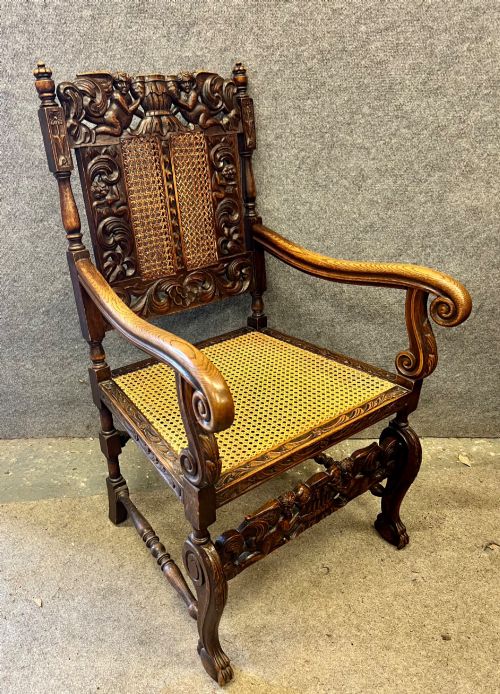
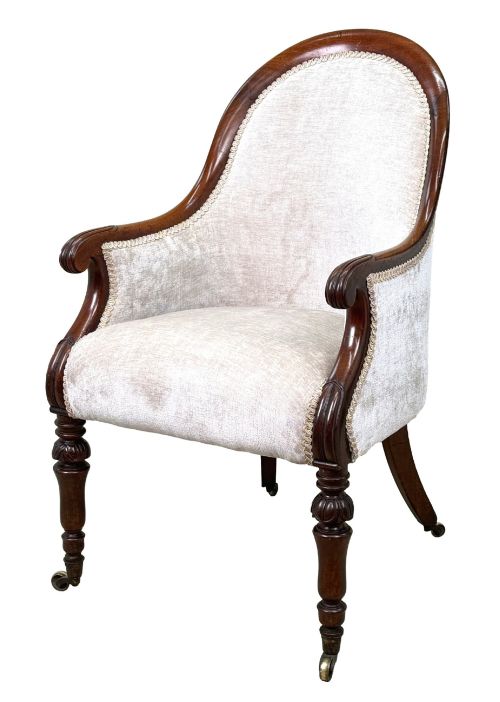
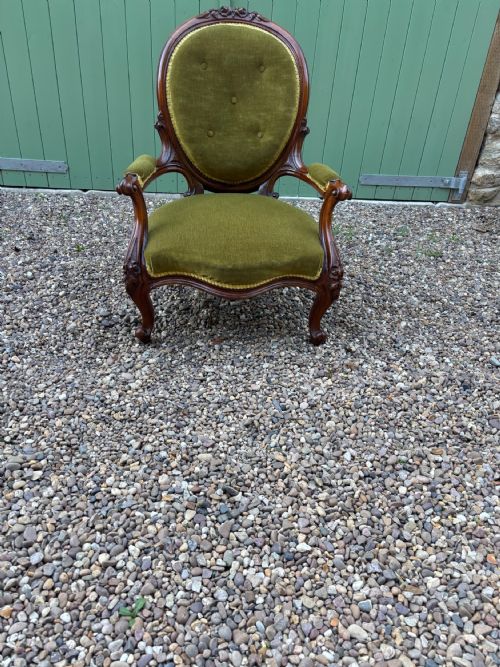
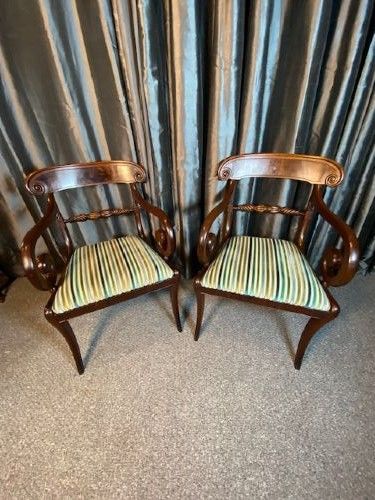

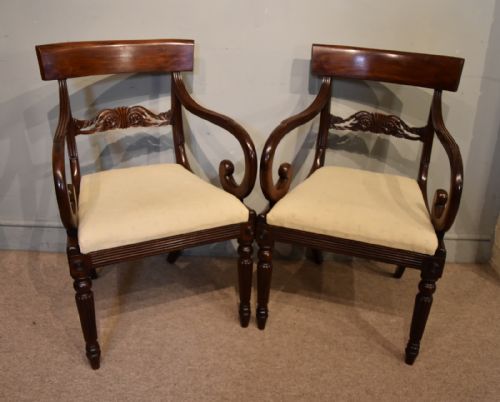


Period Arm Chair
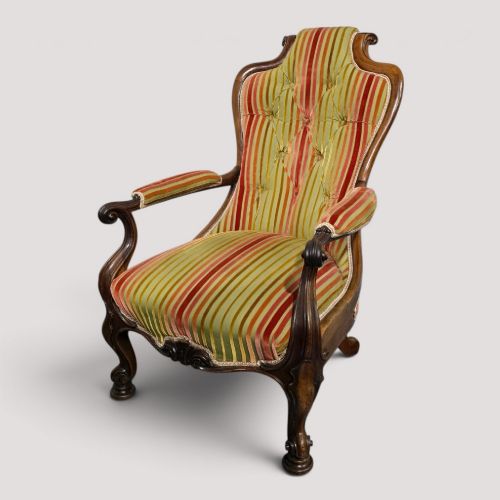
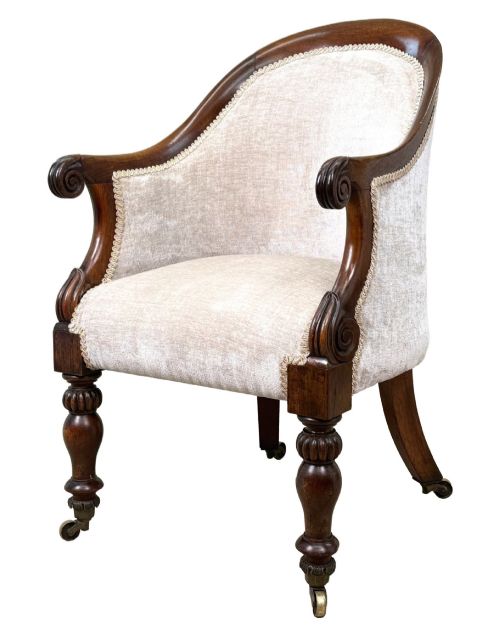
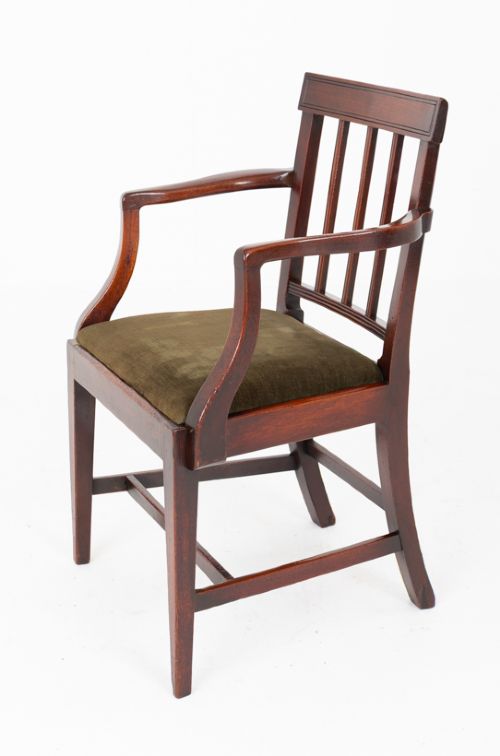
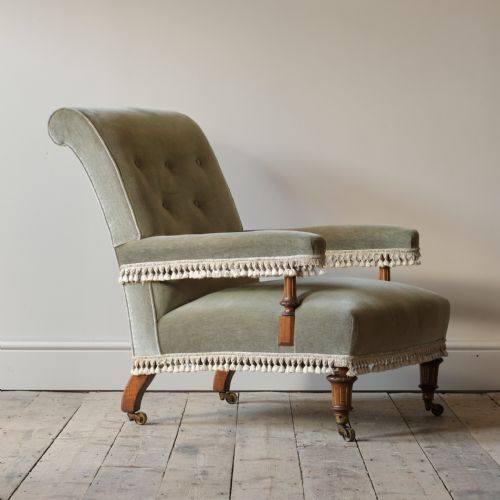
When you search for a period arm chair, you enter a diverse tradition of seating spanning centuries of British and continental cabinet-making.
Period Arm Chair
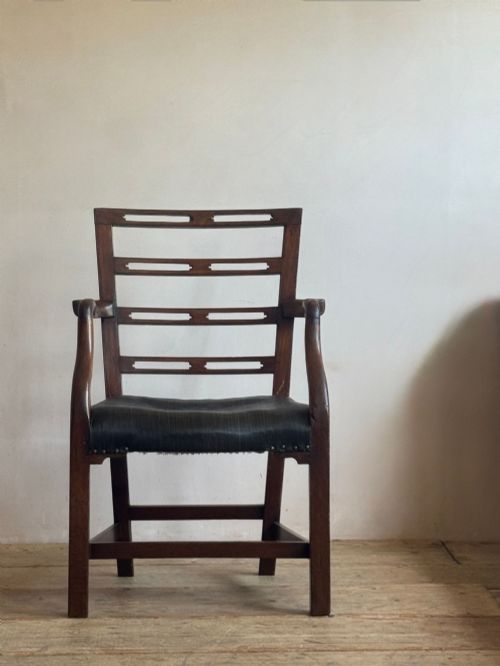
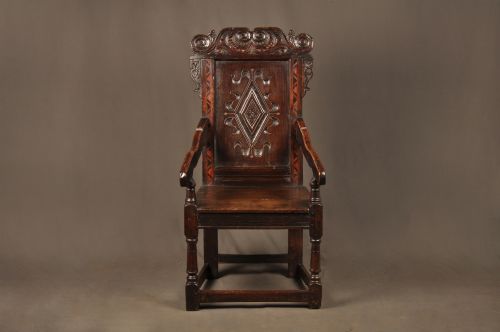
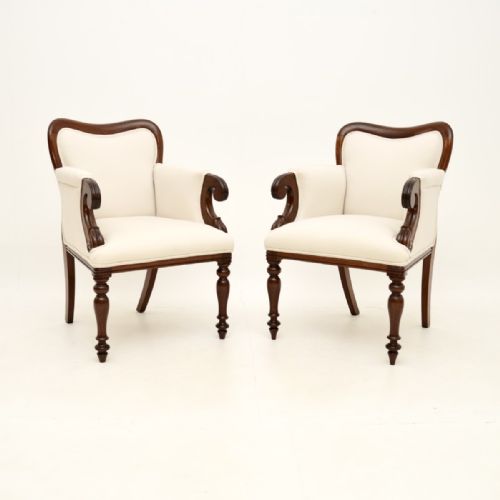
A period arm chair encompasses seating designed across distinct historic eras, from robust seventeenth-century wainscot constructions to refined eighteenth-century library chairs and nineteenth-century mahogany carvers.
The selections span standard armchairs, library chairs, bergères, and open armchairs suited for desks, dining rooms, and parlours.
Mahogany and oak dominate the timber selections, frequently paired with leather, velvet, and upholstery fabric.
How they were made
Cabinet-makers relied heavily on solid hardwoods like mahogany, oak, and walnut, often shaping arms and legs with carved scroll details or brass inlay.
Upholstery techniques evolved from simple drop-in pads to complex horsehair stuffing held by webbing and secured with brass nails or piping.
Turned wooden elements, such as bobbin-turning or spindle work, added structural strength alongside traditional mortise and tenon joints.
Period Arm Chair Retail Price Guide 2026
Typical asking prices for period arm chair among the pieces listed under this phrase on Sellingantiques today, from the lower quarter to the upper quarter. They describe what is for sale here now, not the wider market.
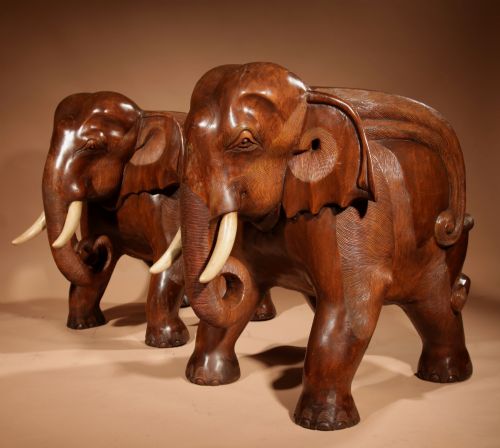
Elephant arm chairs from the Art Deco period prove that historic seating could occasionally accommodate truly monumental whims.
What varies in quality
The caliber of carving on wooden frames distinguishes standard workshop output from exceptional pieces attributed to notable makers.
Timber selection dictates overall longevity, with dense Cuban mahogany or figured rosewood commanding greater respect than simpler utility woods.
The integrity of original frame joints and the retention of period-appropriate upholstery materials significantly influence the desirability of an item.
Gillows·J S Henry
The Period Arm Chair Glossary
- Wainscot chair
- A heavy wooden armchair common in the seventeenth century, constructed primarily from solid oak with panelled backs.
- Bergère
- An enclosed upholstered armchair featuring cane or fabric sides, popular throughout the Regency and later periods.
- Carver chair
- An armchair traditionally placed at the head of a dining table, matching the surrounding smaller dining chairs.
- Library chair
- A specialised armchair designed for reading or study, frequently incorporating green leather arm pads or writing surfaces.
Period Arm Chair: Frequently Asked Questions
How do I identify a Regency arm chair?
Regency arm chairs typically feature classical revival motifs, dark woods like mahogany or rosewood, and occasional brass inlay details. They often take the form of library bergères or scroll-armed carvers.
These chairs date from the early nineteenth century and reflect a shift towards archaeological and classical forms inspired by Greek and Roman designs.
What is a Chippendale arm chair?
A Chippendale arm chair originates from the mid-eighteenth century and is characterised by solid mahogany construction, intricate interlaced ribbon backs, and carved cabriole legs ending in ball and claw feet.
Such seating demonstrates the high point of eighteenth-century cabinet-making, combining structural robustness with elaborate decorative carving.
How do I care for leather upholstery?
Leather upholstery on antique chairs requires gentle cleaning with a soft, dry cloth and occasional treatment with appropriate conservation balms to prevent drying and cracking.
Avoid placing these chairs in direct sunlight or near heat sources, which can warp both the wooden frames and the leather hides.
Are wainscot chairs comfortable?
Wainscot chairs are constructed entirely from solid oak without upholstery, meaning they offer a firm, upright seating position typical of seventeenth-century domestic life.
Buyers often add loose cushions to these heavy wooden chairs for everyday use in studies or hallways.