
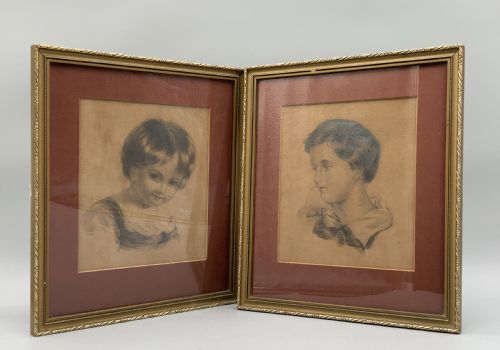


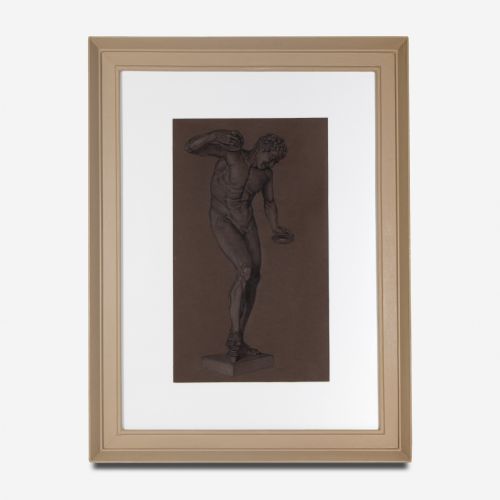
Pencil Study on Paper
A genuine pencil study on paper captures the immediate hand of the artist before any painting begins.
Pencil Study on Paper
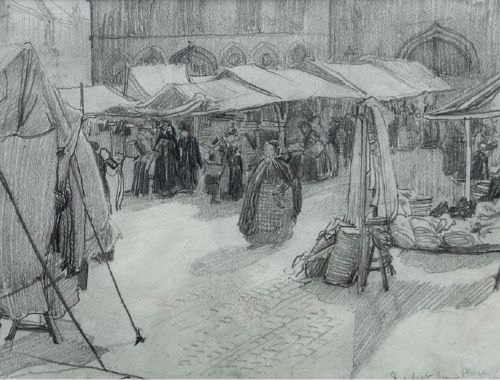
A pencil study on paper represents a direct, unmediated record of an artist's observation, ranging from rapid compositional notes to finished academic exercises. These works capture private moments of creation, preserving the tentative lines and corrections that formal oil paintings ultimately conceal beneath layers of pigment.
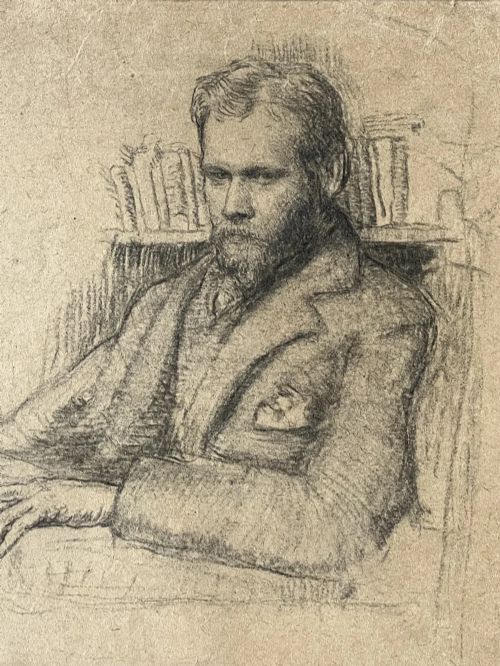
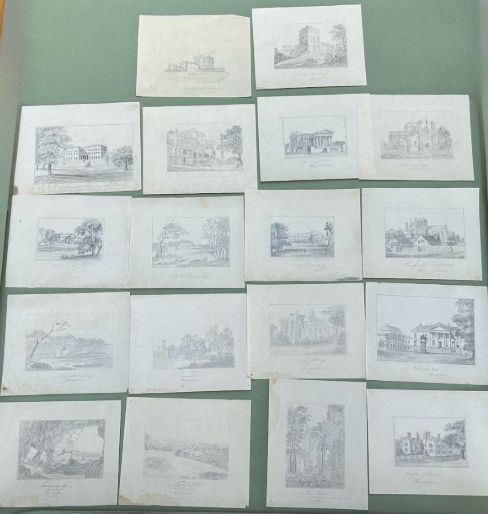
The pieces available span multiple centuries, originating from Georgian academic exercises and Victorian portraits through to early twentieth-century avant-garde sketches. Portraiture, architectural recording, figure drawing, and landscape observation dominate the subjects encountered within this grouping.
Buyers frequently encounter works executed on various paper weights, occasionally mounted on glass-fronted frames or preserved in portfolios. The survival of these fragile sheets depends entirely on past storage conditions and prompt framing by previous owners.
Materials and technique
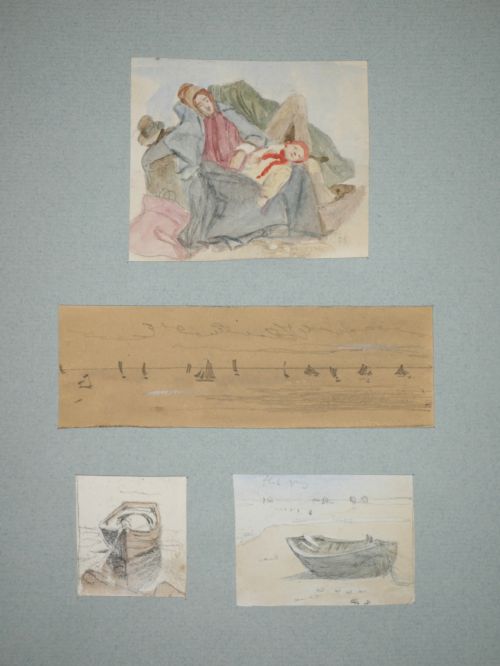
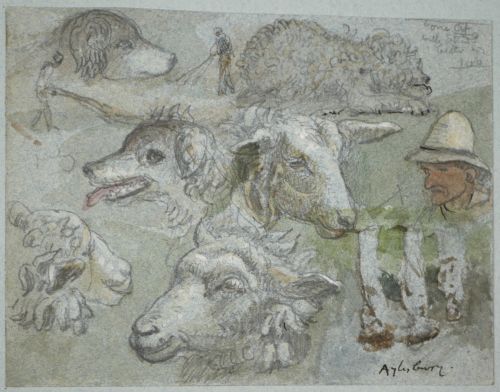
Graphite and traditional pencil provide the foundational linear framework for these works, often supplemented by charcoal, chalk, or touches of watercolour for tonal depth. Artists typically worked on cream, buff, or white paper substrates, utilising the natural texture of the sheet to grip the dry medium.
Subtle shifts in pressure create the illusion of three-dimensional form, while smudging and hatching demonstrate the deliberate build-up of shadow and light. Many sheets reveal underlying geometric construction lines that expose the academic training of the period.
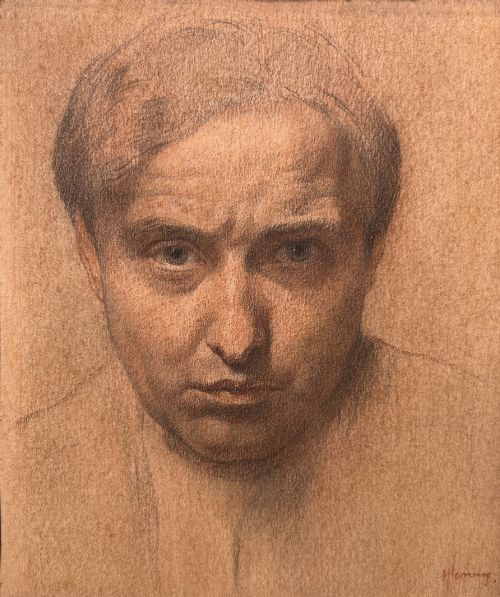
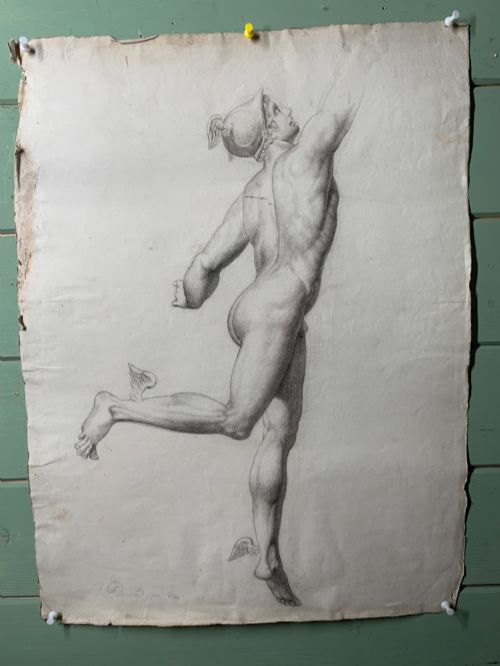
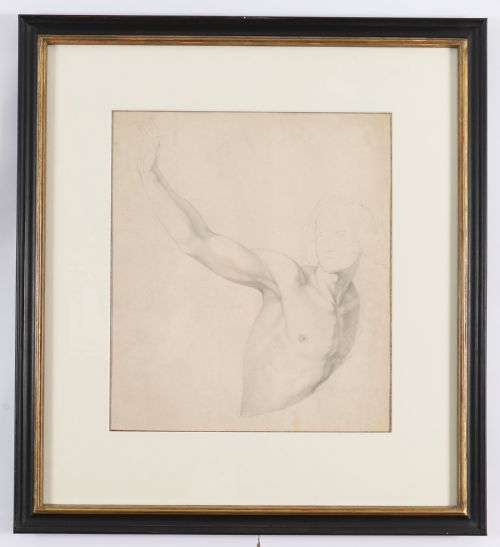
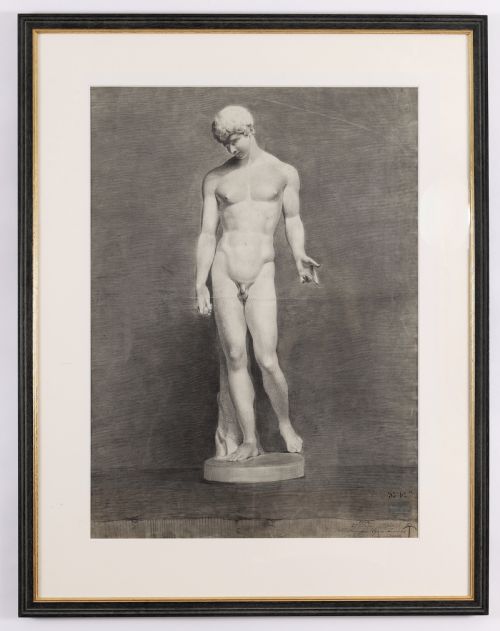
Academic figure studies and portrait sketches form a substantial portion of the available nineteenth and early twentieth-century material.
Evaluating individual sheets
Quality rests upon the confidence of the draughtsmanship and the economy of line used to define the subject. A superior study conveys anatomical conviction or spatial depth with minimal hesitation, whereas weaker examples rely on heavy-handed outlining and repetitive shading.
The expressive vitality of the marks dictates the psychological pull of the artwork, distinguishing a casual doodle from a masterly preparatory drawing. Condition also plays a role, as foxing, fading, or chemical degradation of the paper directly impact visual clarity.
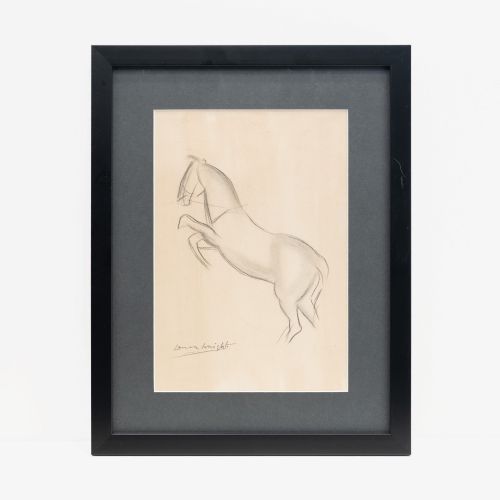
Augustus John·Dame Laura Knight·James Smetham·Theobald Chartran·Demetrios Galanis
The Pencil Study on Paper Glossary
- Graphite
- A form of crystalline carbon used as a drawing medium in pencils. It leaves a silvery-grey mark that can be easily smudged for tonal effect.
- Foxing
- Brown spots caused by chemical reactions in ageing paper exposed to dampness. These spots are common in works dating from the nineteenth century.
- Academic Realism
- A style of painting and drawing produced under the influence of European academies of art. It prioritises precise anatomical accuracy and classical proportions.
- Buff paper
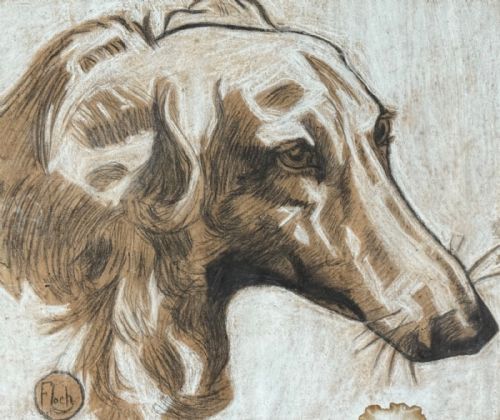
- Paper possessing a pale brownish-yellow tint. It provides a warm mid-tone background that allows artists to apply white chalk highlights effectively.
- Deux crayon
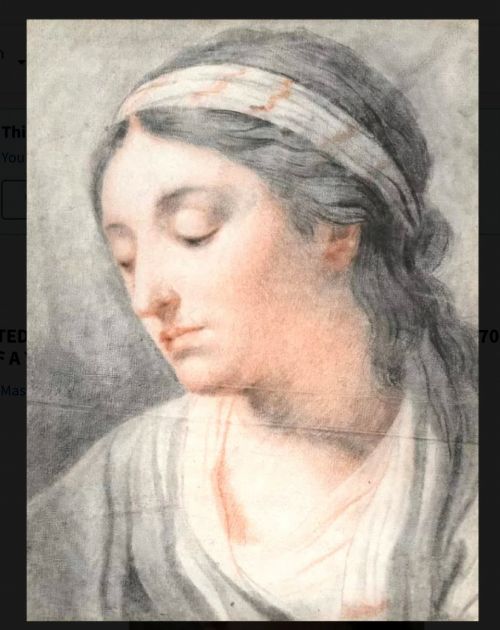
- A drawing technique utilising two colours of chalk or pencil, typically black and red on a tinted paper. This method creates depth and contrast quickly.
Pencil Study on Paper: Frequently Asked Questions
What is the difference between a sketch and a study?
A sketch is typically a rapid, informal notation of an idea or scene executed to capture fleeting movement or composition. A study involves a more rigorous, sustained examination of a specific subject, such as a hand, a pose, or an architectural detail.
Studies usually show greater anatomical or structural precision, serving as direct preparation for a larger, finished painting.
How do I identify the date of an unsigned drawing?
Dating relies heavily on examining the paper type, watermark evidence, and stylistic conventions of the period. Costume, framing remnants, and secondary inscriptions on the reverse often provide crucial chronological clues.
Comparing the handling of the medium to dated works by the same school narrows the window of creation considerably.
Why are some drawings executed on tinted paper?
Artists selected tinted or coloured paper to establish a middle tone immediately, saving time during the initial stages of drawing. By starting from a neutral background rather than stark white, the draughtsman only needed to add dark shadows and light highlights.
This method created three-dimensional volume with remarkable speed, which proved especially useful for figure and portrait studies.