




Pencil Figure Drawing
A pencil figure drawing captures the human form with immediate line and tone, offering a direct record of an artist's hand.
Pencil Figure Drawing
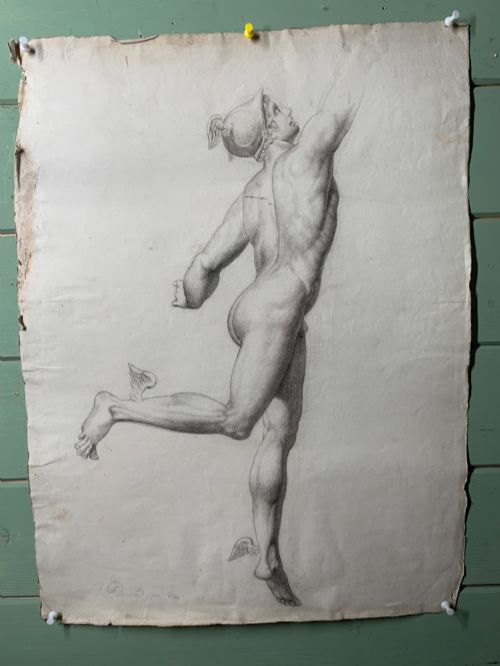
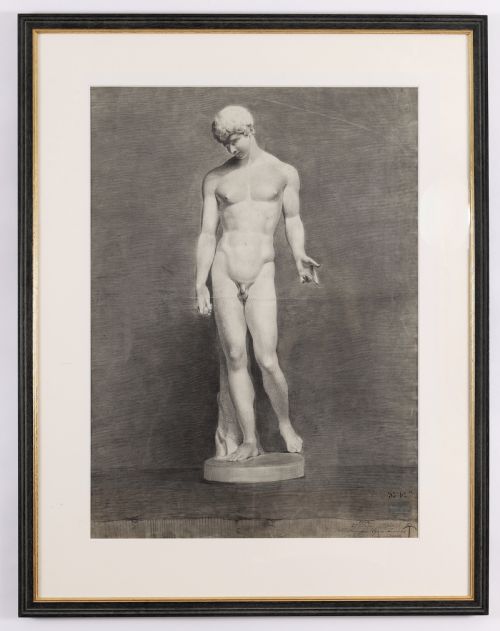
A pencil figure drawing forms a distinct category of original artwork, ranging from rapid portrait studies to detailed academic renderings of the human body. When you search for pencil figure drawing, you encounter works executed on paper using graphite, charcoal, or chalk, spanning periods from the eighteenth century through to the mid-twentieth century.
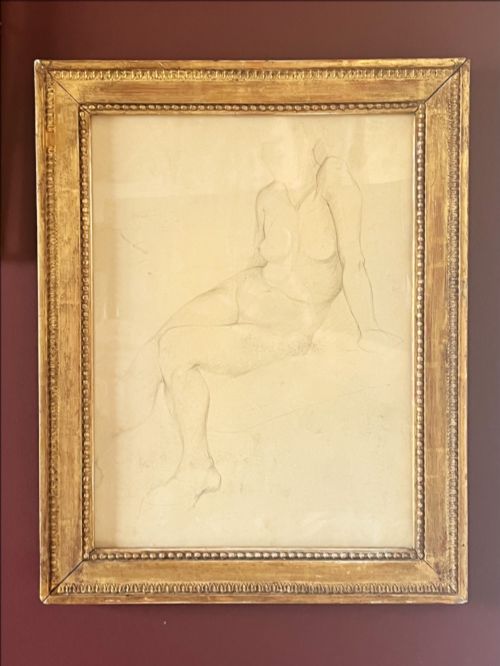
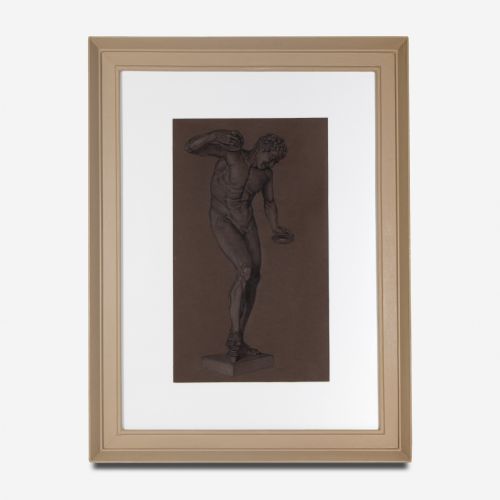
The selections on this page appear in various formats, including framed wall art and loose works on paper. Common subjects include life studies of female nudes, classical figure compositions, and portraits of known and unknown sitters originating from English, French, Irish, and wider European schools.
Materials and technique
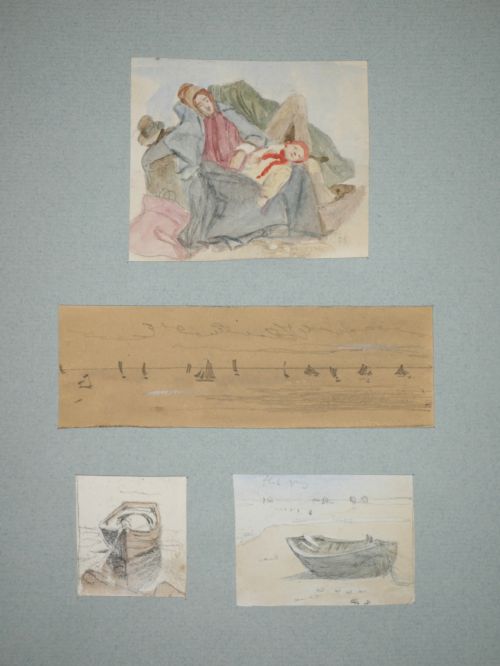
These works rely primarily on graphite, charcoal, and occasionally watercolour or ink applied directly to paper supports. Artists built form through tonal shading, cross-hatching, and precise contour lines, sometimes combining media such as chalk and pencil to add depth and highlight.
Framing often preserves these delicate works on paper behind glass, frequently within antique wood or gilt frames that date from the period of execution or later curation.
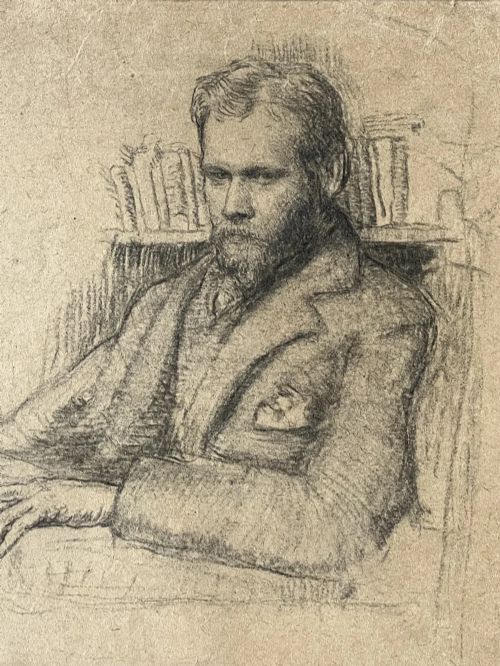
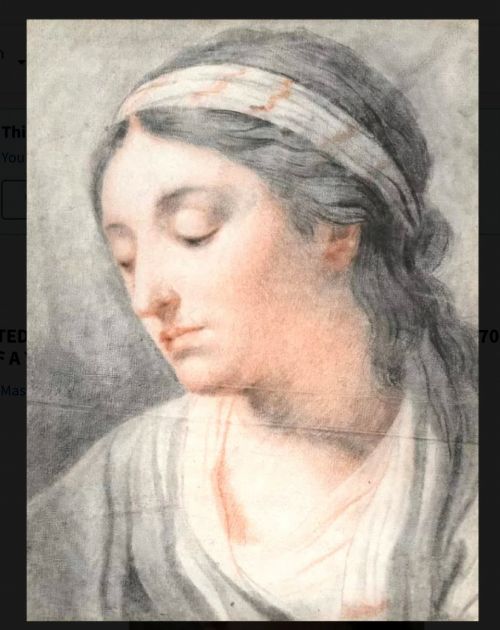
Several sitters in these drawings stare back across the centuries with expressions of deep daydreaming or silent amusement.
Assessing quality
Quality in a pencil figure drawing rests upon the sureness of the line and the precision of anatomical observation. Works that demonstrate a confident grasp of proportion, volume, and gesture stand apart from routine student exercises.
Condition of the paper surface also dictates standing, where clean sheets free from excessive foxing or heavy fading preserve the intended contrast of the draughtsman's mark.
James Smetham·Augustus John·James Stroudley·Demetrios Galanis·Faeq Hassan·Francis Dodd
The Pencil Figure Drawing Glossary
- Graphite
- A form of crystalline carbon used as a drawing medium in pencils. It leaves a metallic grey mark that varies in darkness depending on the grade.
- Life drawing
- The act of drawing a live human model, serving as a foundational practice in academic art training. These studies emphasise accurate proportion and direct observation.
- Foxing
- Brown spots and discolouration that appear on old paper due to chemical reactions over time. It is a common occurrence in works dating from the eighteenth and nineteenth centuries.
- Deux crayon
- A drawing technique utilising two coloured chalks or pencils, typically black and red, on toned paper to create highlights and shadows.
Pencil Figure Drawing: Frequently Asked Questions
How should I frame an old pencil drawing?
Protect works on paper by using acid-free mount board and framing them behind glass that blocks ultraviolet light. Keep them away from direct sunlight to prevent the graphite or paper from fading.
Ensure there is a small gap between the glass and the drawing surface so moisture cannot cause the paper to stick.
How do I identify the period of a drawing?
Examine the watermark on the paper, the style of the script in any signatures or inscriptions, and the framing materials. Stylistic markers such as neoclassical proportions or mid-century abstraction also provide strong clues.
Comparing the technique to dated works by similar regional schools helps narrow down the decade of creation.
What is the difference between a study and a finished portrait?
A study is typically a preparatory or exploratory sketch focused on capturing a specific pose, muscle structure, or facial expression quickly. Finished portraits show a higher degree of resolved detail and were often intended for exhibition or commission.
Both forms offer insight into the artist's working method and observational skill.
Are these drawings fragile?
Drawings on paper are sensitive to light, humidity, and physical handling because graphite and charcoal can smudge or transfer. Proper mounting and framing mitigate these risks significantly.
Store or display them in stable indoor environments with controlled humidity to ensure the paper remains intact.