
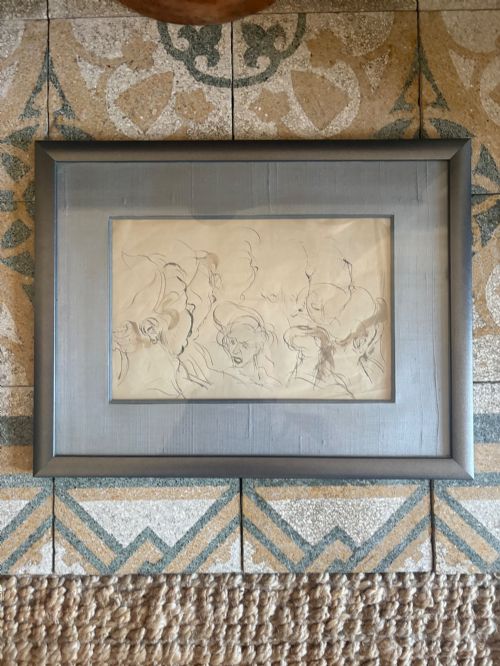

![Pen and Ink Sketch - Female Nudes by William Edward Frost [1810-1877]](https://www.sellingantiques.co.uk/photosnew/dealer_kendallhouse/dealer_kendallhouse_full_1758970795762-8493507346.jpg)


Pen and Ink Artwork
When you buy pen and ink artwork, you are acquiring direct graphic draughtsmanship drawn from periods spanning the eighteenth century to modern times.
Pen and Ink Artwork
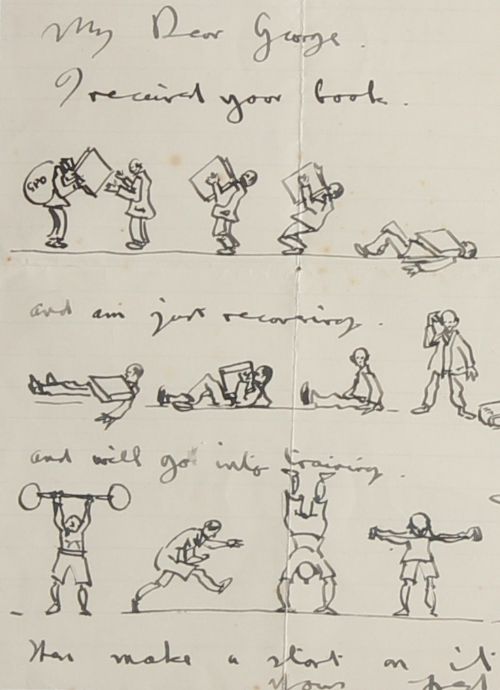
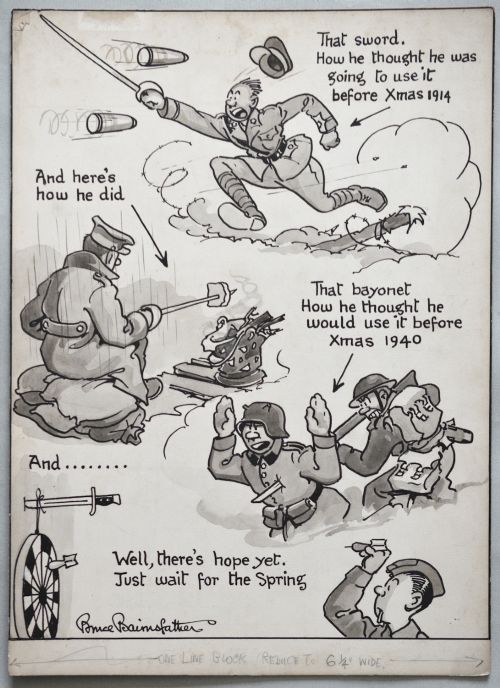
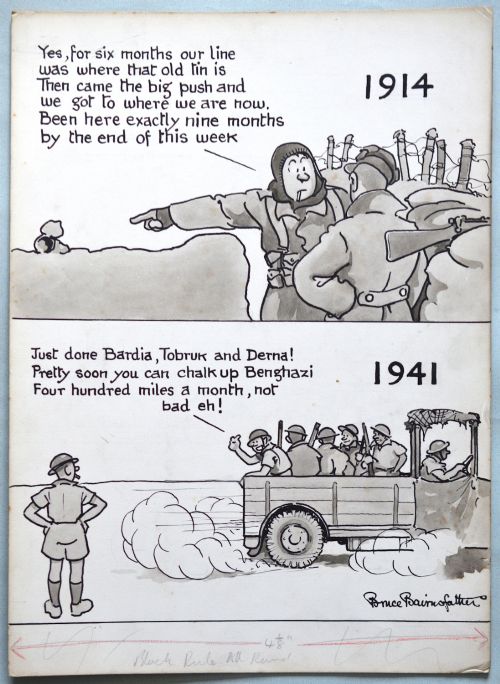
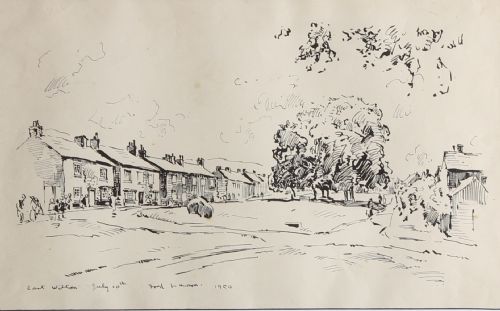
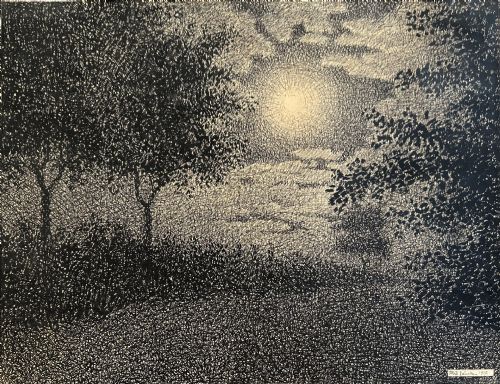
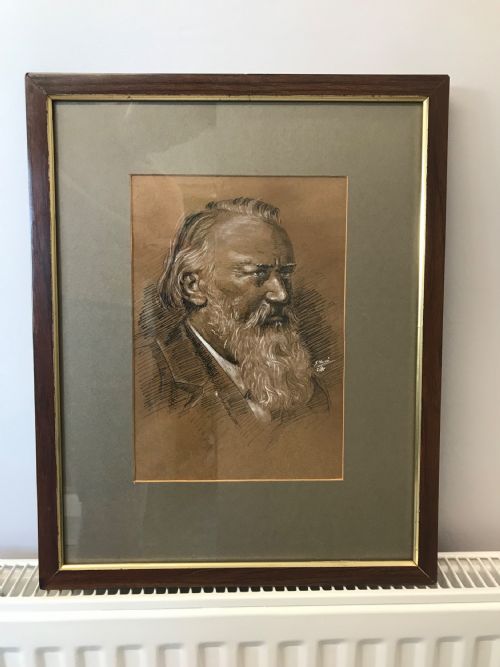
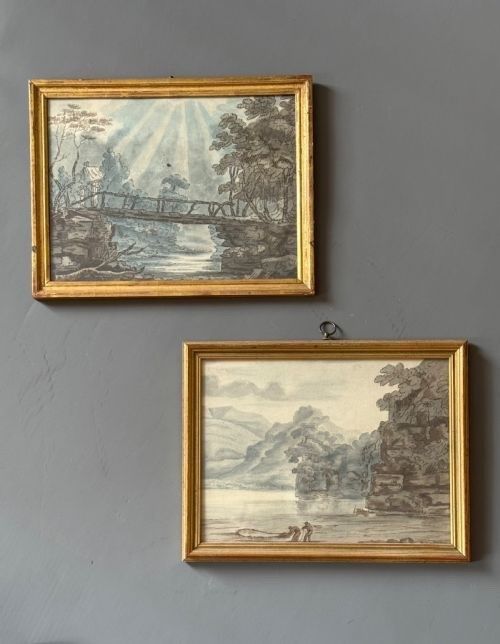
Pen and ink artwork comprises original drawings, framed works on paper, and satirical illustrations executed across several centuries.
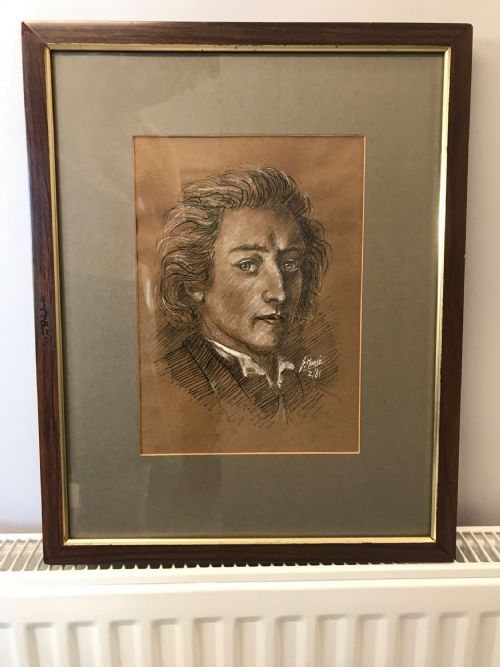
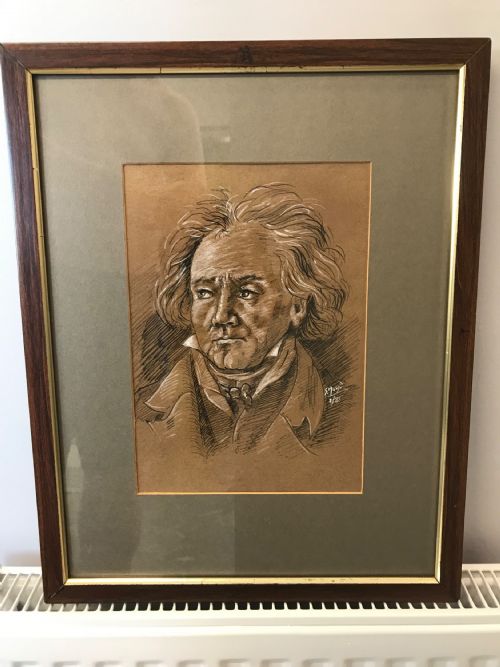
Buyers will encounter landscape scenes, preparatory studies, and portrait drawings originating from British, European, and Colonial-American hands.
Many examples combine ink line work with wash, gouache, or watercolour upon paper, housed within wood or gilt wood frames.
How they were made
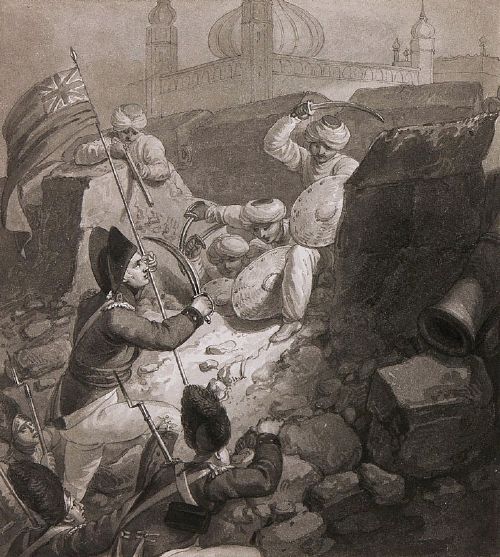
Artists utilise ink applied with pens alongside wash or watercolour on paper support surfaces to build tonal depth and contrast.
Certain pieces incorporate gouache or pastel highlights and are mounted within wood, glass, and gilt rectangular scroll frames.
Listings span periods from the eighteenth century through the Victorian era to nineteen-sixty and later.
What varies in quality
Quality rests upon the sureness of the line and the precision of the preparatory wash or watercolour application by the hand of the artist.
The sophistication of the framing and the preservation of the paper support directly influence the standing of each drawing.
Fred Lawson·Bruce Bairnsfather·William Marshall Craig·Alfred Dehodencq·William Edward Frost·Richard Leech·Louis Wain·Lucien Freud·Thomas Rowlandson·Lawrence Stephen Lowry·Laura Knight
The Pen and Ink Artwork Glossary
- Wash
- A thin layer of diluted ink or watercolour applied to paper to create shadows and tonal gradations.
- Gouache
- An opaque watercolour medium that provides solid colour areas and bright highlights on drawings.
- Preparatory study
- A preliminary drawing executed by an artist to plan a larger painting or composition.
Pen and Ink Artwork: Frequently Asked Questions
What is pen and ink artwork?
Pen and ink artwork consists of original drawings executed primarily with ink lines on paper, frequently enhanced with wash, watercolour, or gouache.
These pieces range from satirical illustrations and architectural studies to landscape views and character portraits created across multiple centuries.
How are these drawings framed?
These works appear in various settings, including simple wood frames and ornate late eighteenth-century gilt rectangular scroll mounted frames.
Glass often protects the delicate paper supports from environmental dust and handling wear.
What periods do the drawings span?
The available selection includes pieces from the eighteenth century, the Victorian era, and the early twentieth century up to nineteen-sixty and later.
Dates are determined by signatures, styles such as Gothic Revival or Modern British, and documentation associated with the individual works.
How do artists combine ink with other mediums?
Draughtsmen frequently laid down crisp pen lines before applying transparent washes of ink or watercolour to establish background depth.
Opaque gouache or pastel additions provided highlights and contrasting textures upon the paper surface.