

Antique Drawing on Paper
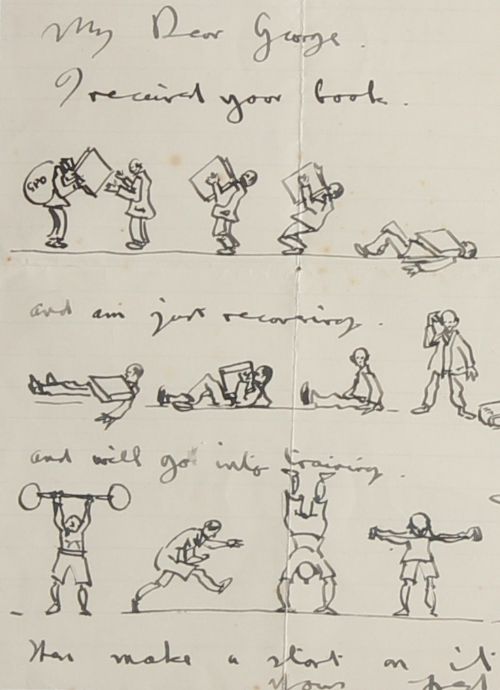
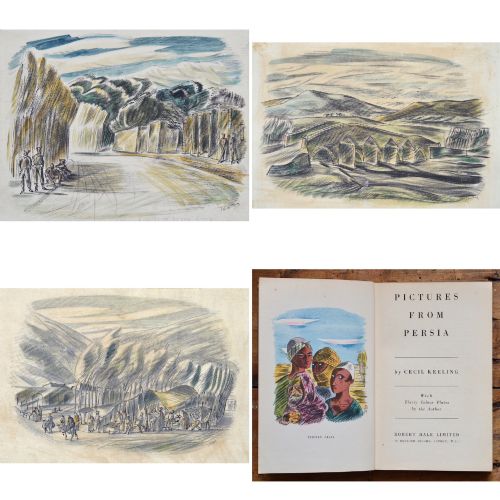
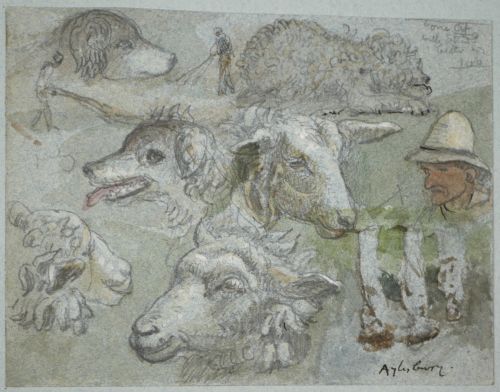
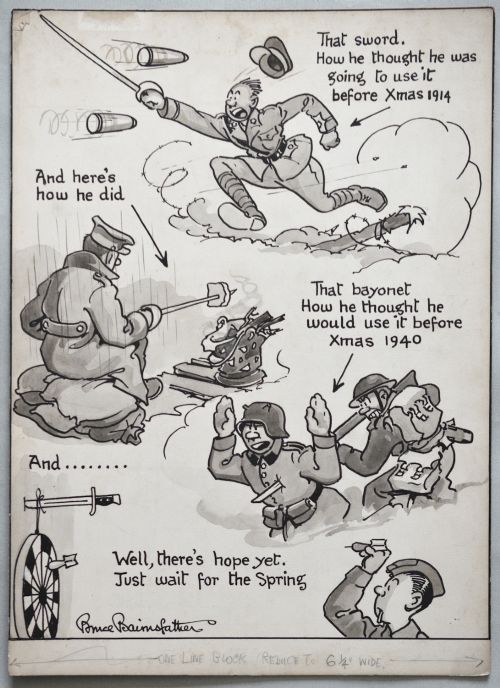
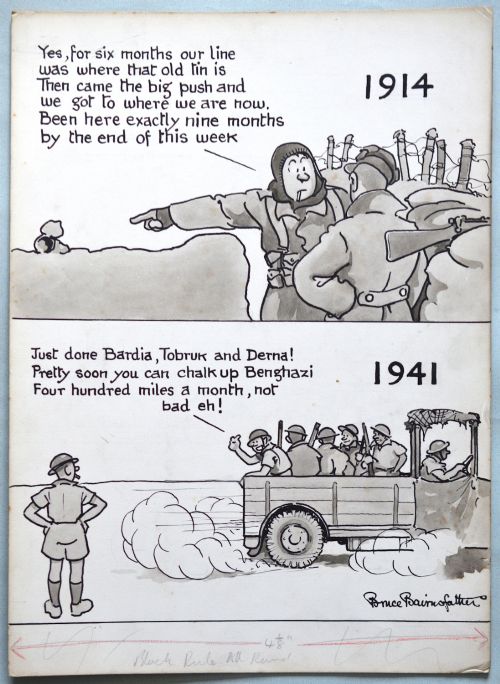
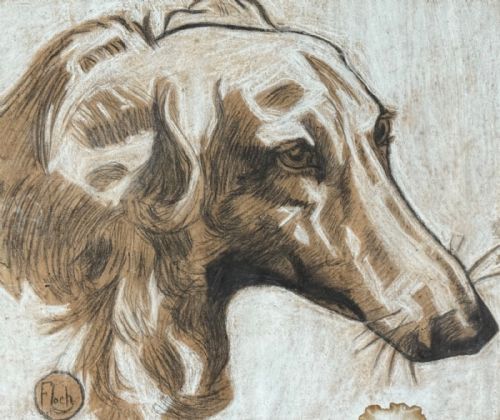
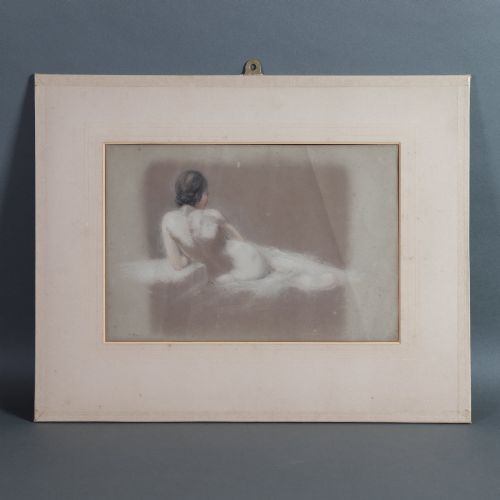
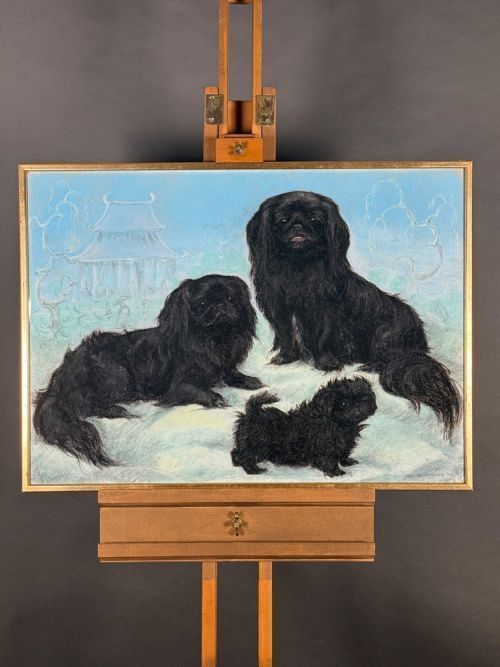
When you look for an antique drawing on paper, you encounter original works spanning centuries, executed in graphite, ink, pastel, and watercolour.
Antique Drawing on Paper
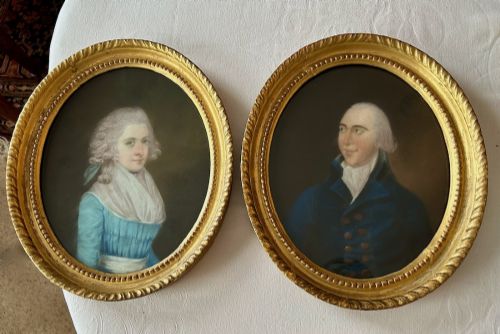
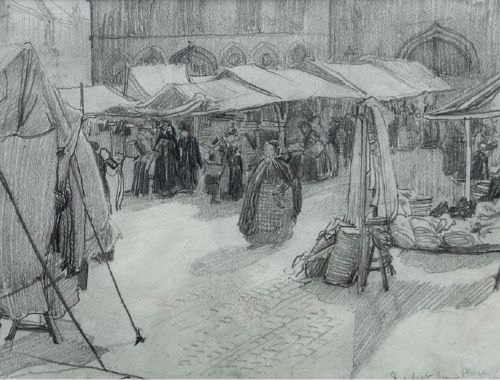
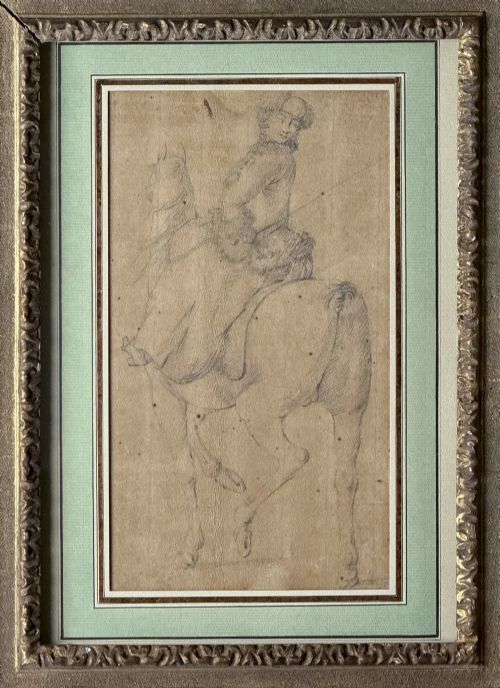
An antique drawing on paper encompasses original works on paper spanning from the eighteenth century through the twentieth century. These pieces include portraits, landscapes, and figure studies executed by named artists and anonymous schools.
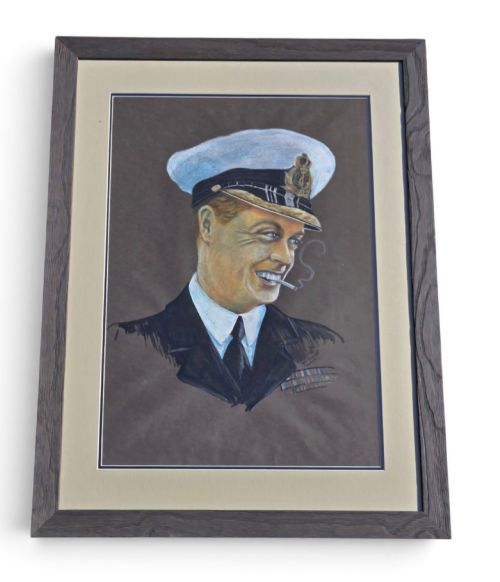
The material surface carries direct marks from the hand of the maker, whether through the fine stroke of a pencil or the wash of ink. On this page, you will regularly encounter works framed behind glass to protect the delicate media.
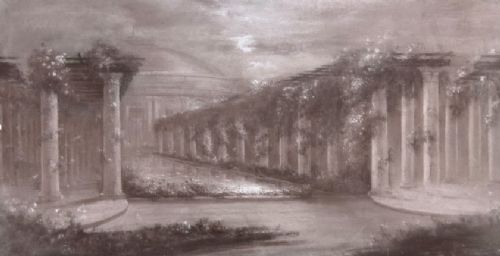
Subjects range from academic studies of classical figures to intimate portraiture and architectural renderings. Each piece records a distinct period aesthetic, from Georgian neoclassicism to Edwardian tonalism and Art Deco.
How They Were Made
The foundation of these works rests upon the paper itself, which varies from textured handmade sheets to buff and embossed paper stock. Artists applied media including graphite, charcoal, ink, gouache, and pastel directly to the sheet.
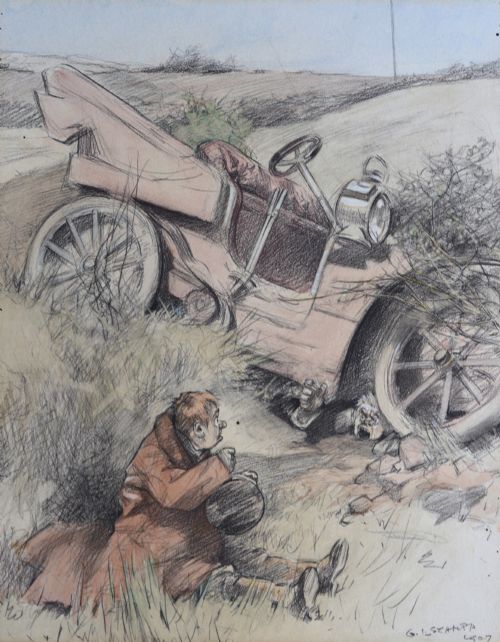
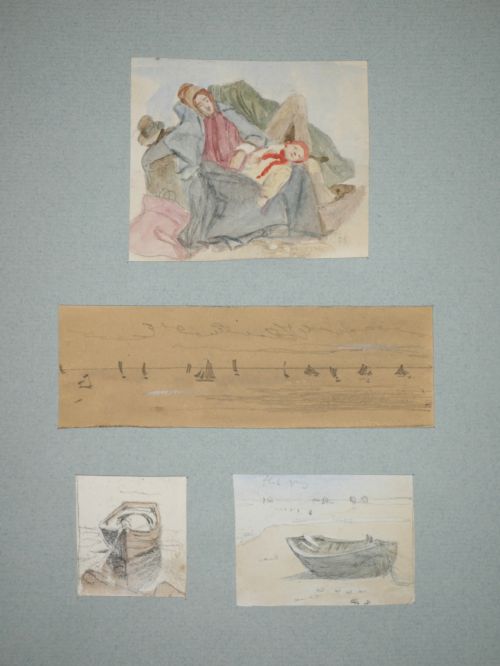
Techniques relied on the interaction of dry and wet media, utilising washes of watercolour or ink alongside precise pencil lines. Pastels and chalks were blended on the paper surface to build tonal depth and form.
Someone spent hours drawing an ornate locomotive works plan for the Bombay, Baroda and Central India Railway.
What Varies In Quality
Quality rests upon the sureness of the hand and the precision of the draughtsmanship. A confident line and accurate proportion distinguish a master study from a casual sketch.
The preservation of the paper and the vibrancy of the medium dictate the standing of the work. Minimal fading of pigments and the absence of heavy staining elevate the visual impact of the piece.
George Lorain Stampa·Henry Percy Huggill·Alfred Young Nutt·James Smetham·William Etty·John Russell·William Marshall Craig·Francois Boucher·Augustus John·Thomas Gainsborough
The Antique Drawing on Paper Glossary
- Graphite
- A form of carbon used for drawing, commonly known as pencil lead. It allows for varied shading and fine line work.
- Pastel
- A dry painting medium in the form of a stick, consisting of powdered pigment and a binder. It produces rich, velvety colour fields.
- Wash
- A thin, transparent layer of diluted ink or watercolour applied with a brush. It provides smooth background tones and shadows.
- Gouache
- An opaque watercolour paint consisting of pigment, water, and a binding agent. It yields solid, flat areas of colour.
Antique Drawing on Paper: Frequently Asked Questions
How should I frame an antique drawing?
Protect the paper by using conservation-grade materials and mounting the work away from the glass. Ensure the framing process avoids direct contact between the drawing surface and the glazing.
Keep the framed work out of direct sunlight to prevent the fading of graphite, ink, and pastel pigments over time.
Can I display drawings in bright rooms?
Paper and water-soluble media remain sensitive to ultraviolet light and excessive illumination. Hang your pieces on interior walls away from direct windows to preserve the integrity of the work.
Utilising museum glass with UV-filtering properties offers an additional layer of protection against light degradation in brighter spaces.
How do I identify the period of a drawing?
Examine the watermark on the paper, the style of the clothing in portraiture, and the framing or mounting materials. Hand-laid paper often indicates earlier centuries, while machine-made wove paper became common later.
Compare the handling of the medium and the subject matter with documented examples from known art historical movements and schools.
What is the difference between a study and a finished work?
A study is typically a preparatory drawing focused on capturing a specific pose, detail, or lighting effect for a larger composition. These pieces often display visible grid lines, rapid hatching, and notes by the artist.
Finished works present a complete, resolved composition intended for exhibition or presentation, showing a higher degree of overall polish and detail.