

Pedestal Leg Table
A pedestal leg table anchors a room with a central column and practical surface space, offering versatility from compact wine stands to extensive extending dining tables.
Pedestal Leg Table
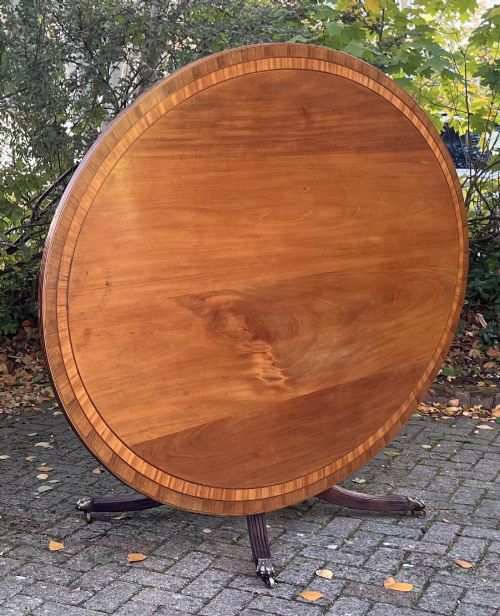
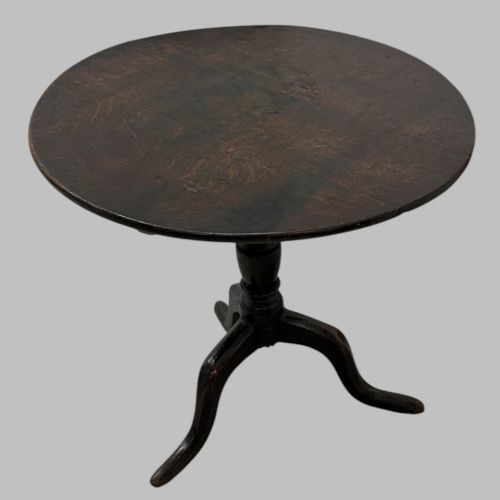
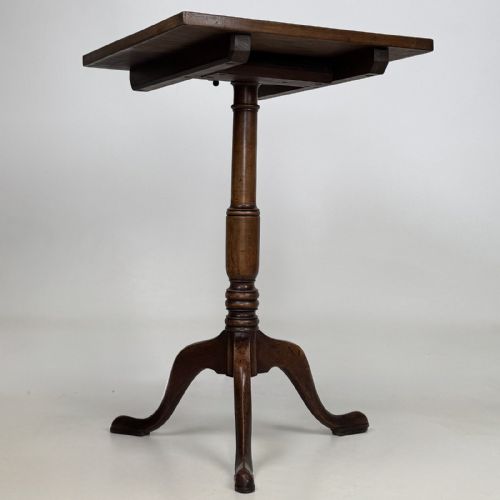
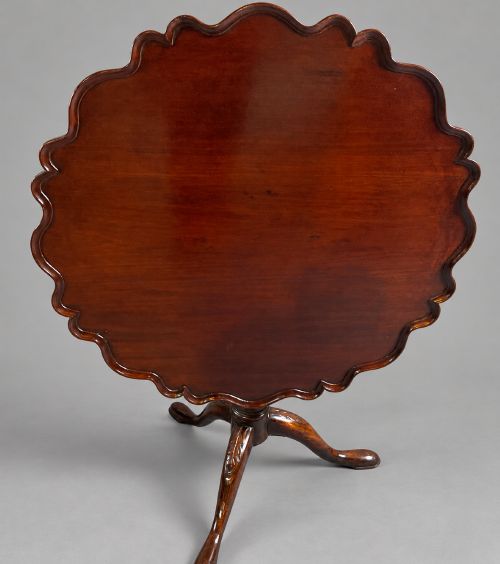
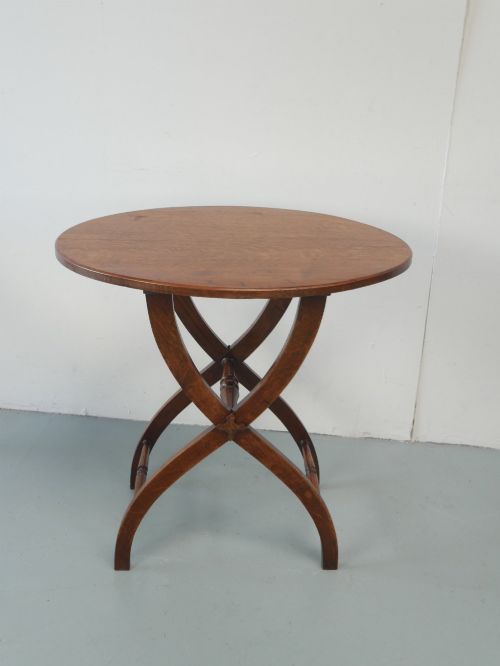
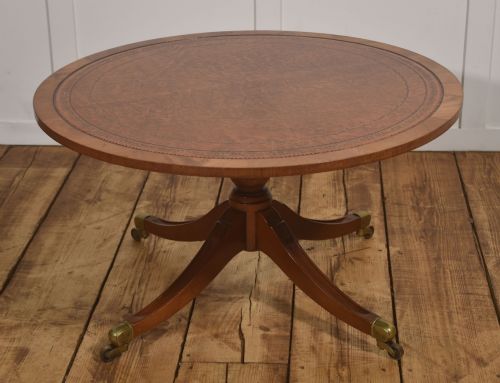
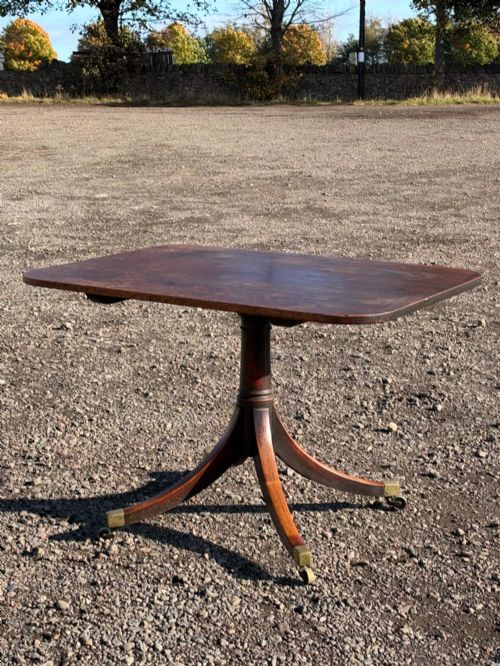
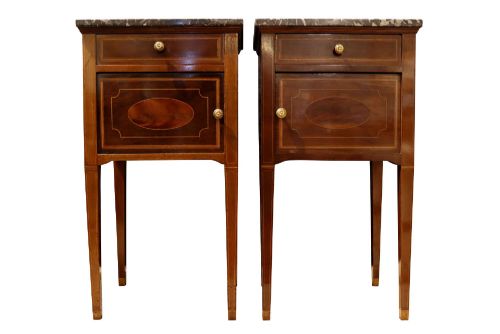
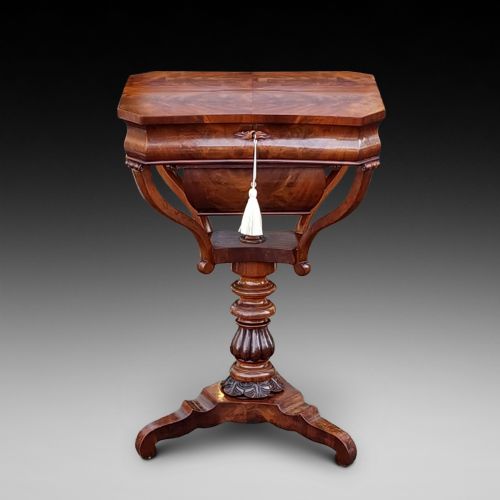
A pedestal leg table rests on a central column rather than traditional corner supports, providing clear legroom and a balanced silhouette. The listings demonstrate a wide variety of forms, spanning small occasional tables, wine tables, bedside tables, and large dining tables.
The material palette is dominated by timbers such as mahogany, oak, walnut, satinwood, and yew, often complemented by brass fittings or leather inserts. Pieces emerge from periods ranging from the eighteenth century through to the Edwardian era and the 1930s.
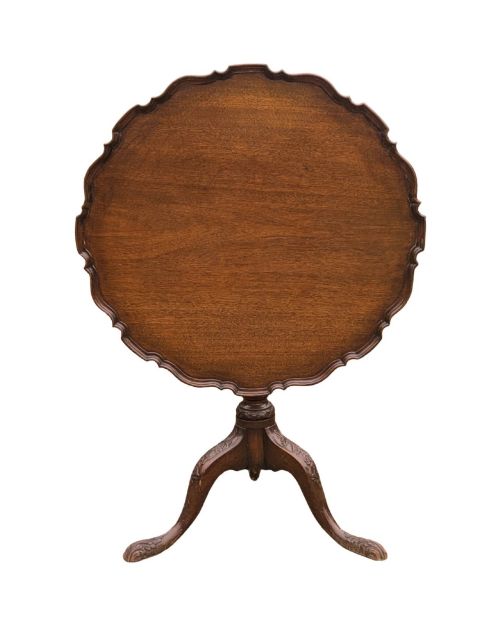
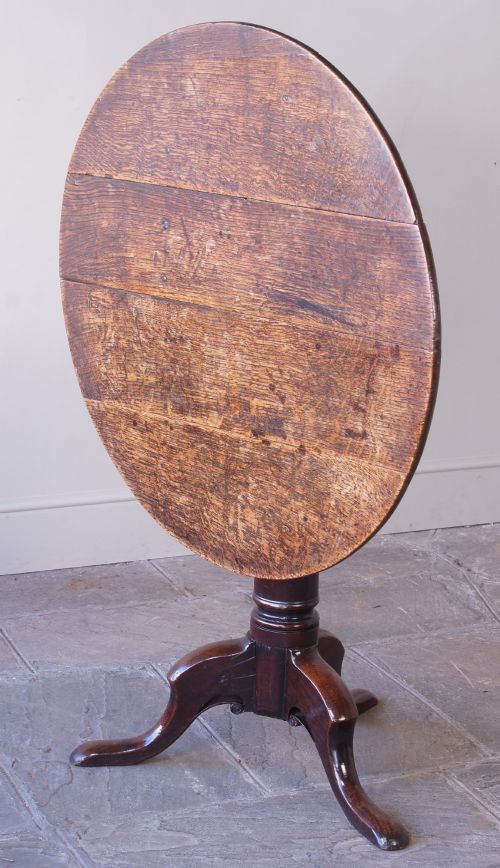
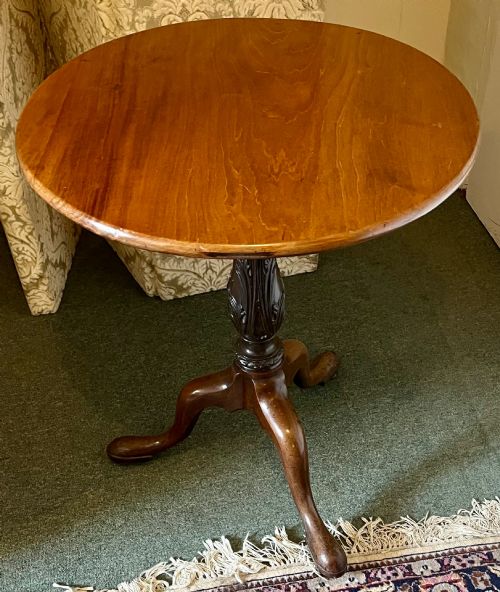
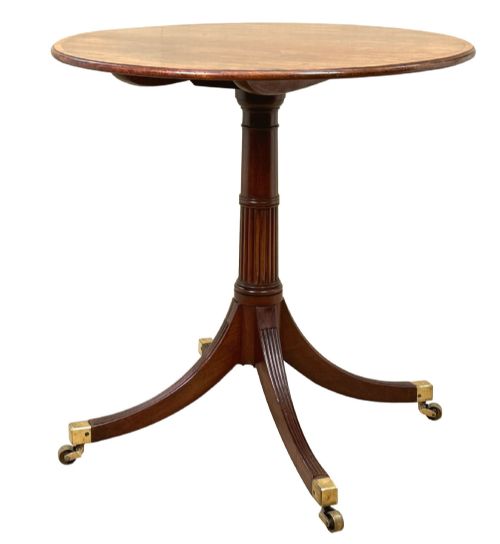
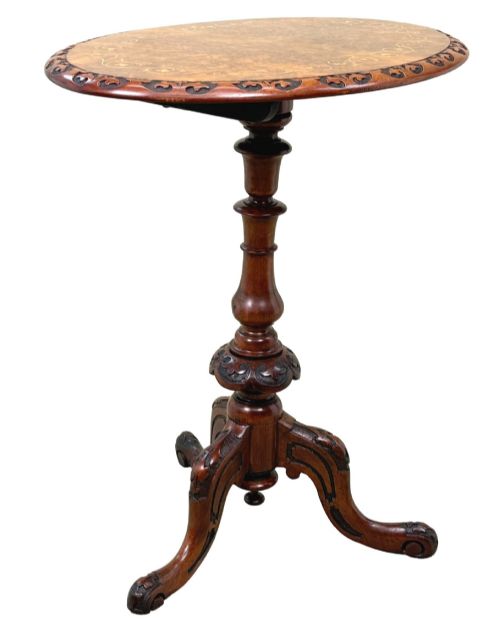
Dining variations include twin pillar and multi-pillar extending tables designed for larger gatherings, while smaller examples include tripod candle stands and tilt-top tables. These pieces draw on Georgian, Regency, and Victorian design traditions, alongside later revivals.
Materials and construction
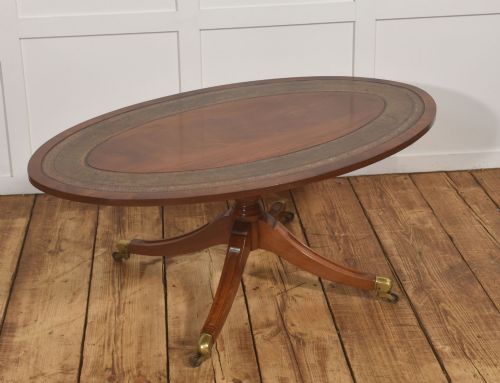
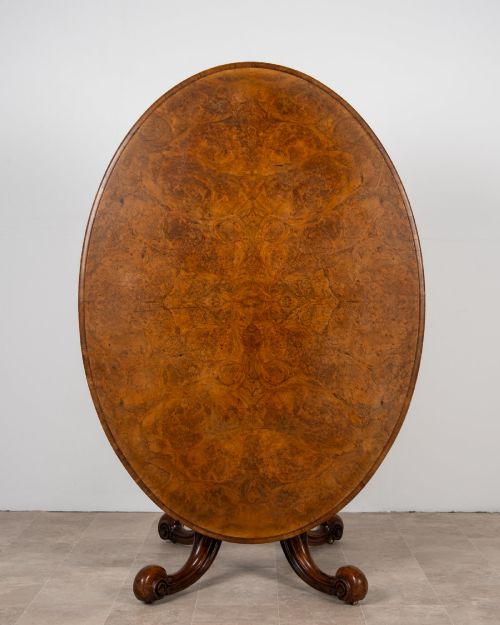
Makers utilised dense hardwoods like mahogany and oak for structural stability, frequently selecting figured veneers to create patterned table tops. Brass fittings, such as castors and paw mounts, appear alongside leather writing surfaces on desk variants.
Tripod bases and multi-pillar supports distribute weight outward from the central column, balancing heavier timber tops. Tilting mechanisms and revolving tops utilise clever joinery to allow functional movement within the pedestal structure.
Pedestal Leg Table Retail Price Guide 2026
Typical asking prices for pedestal leg table among the pieces listed under this phrase on Sellingantiques today, from the lower quarter to the upper quarter. They describe what is for sale here now, not the wider market.
Materials recorded on this page include mahogany, oak, walnut, satinwood, elm, yew, leather, brass, and marble.
Markers of quality
The selection of timber grain, particularly figured mahogany, burr pollard oak, or satinwood, dictates the visual impact of the top surface. Finely executed inlay work, brass mounts, and carved pedestals separate standard items from superior examples.
Structural integrity rests on the tightness of joints where the central column meets the feet and the top. A well-balanced pedestal ensures stability, whether supporting a small wine table or an extending dining table with multiple pillars.
Liberty & Co
The Pedestal Leg Table Glossary
- Tripod table
- A small freestanding table supported by a pillar on three legs. These often feature tilt-top mechanisms for storage.
- Tilt-top table
- A table with a hinged top that rotates to a vertical position when not in use. This mechanism saved space in smaller domestic rooms.
- Twin pillar table
- A dining table supported by two separate pedestals. These often accommodate additional leaves for extending the surface.
- Drum table
- A circular library table containing drawers around the frieze. It usually sits upon a single robust pedestal base.
- Centre table
- A freestanding table designed to be viewed from all sides in the middle of a room rather than pushed against a wall.
Pedestal Leg Table: Frequently Asked Questions
What is a pedestal leg table used for?
These pieces serve multiple domestic functions depending on their scale and form. Smaller versions operate as bedside cabinets, wine stands, or lamp tables, while larger formats provide formal dining surfaces.
The central column design allows chairs to tuck neatly underneath without corner legs obstructing the seating arrangement.
How do I identify a Georgian pedestal table?
Georgian examples frequently employ dense mahogany with tripod leg configurations terminating in pad or claw-and-ball feet. Construction methods often include pegged joints and hand-turned central columns.
Proportions remain balanced and restrained, reflecting the classical design influences of the eighteenth century.
Are multi-pillar tables stable when extended?
Multi-pillar dining tables distribute weight across two, three, or more separate pedestals to support additional leaves. The engineering of the base pillars provides balanced load-bearing capacity across the entire span.
When properly aligned and secured, these extending formats maintain structural firmness.
What woods were commonly used for these tables?
Mahogany is the predominant timber found across these listings, prized for its strength and rich grain. Oak, walnut, satinwood, and yew also appear frequently in specific regional or period pieces.
Secondary materials like brass and leather add functional detail to writing desks and occasional tables.