


Pedestal Lamp Stand
These pedestal lamp stand pieces offer compact elegance to hold illumination beside a chair, crafted in mahogany, oak, and walnut.
Pedestal Lamp Stand
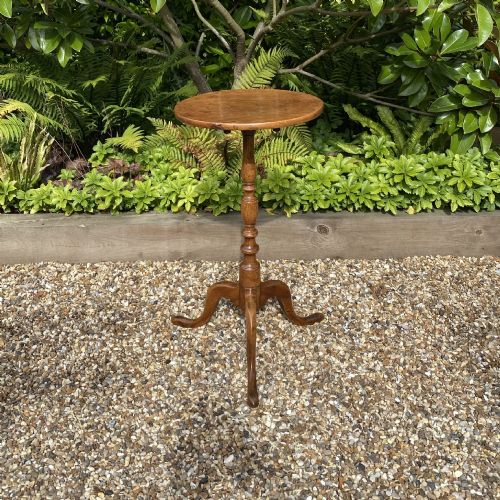
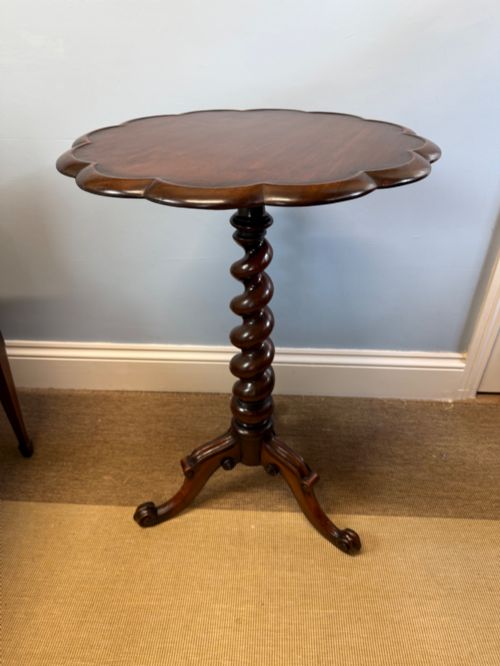
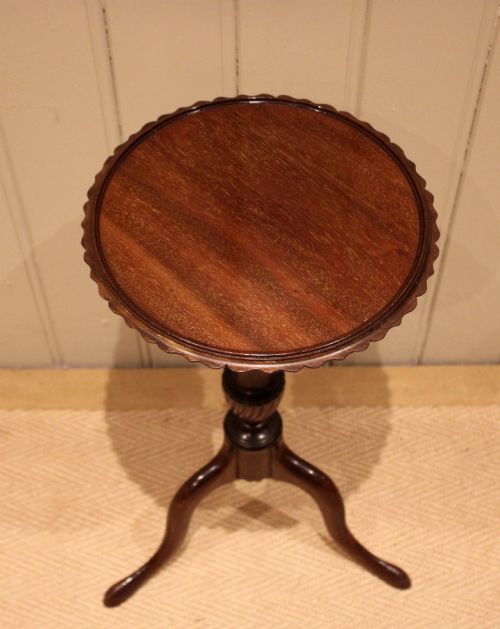
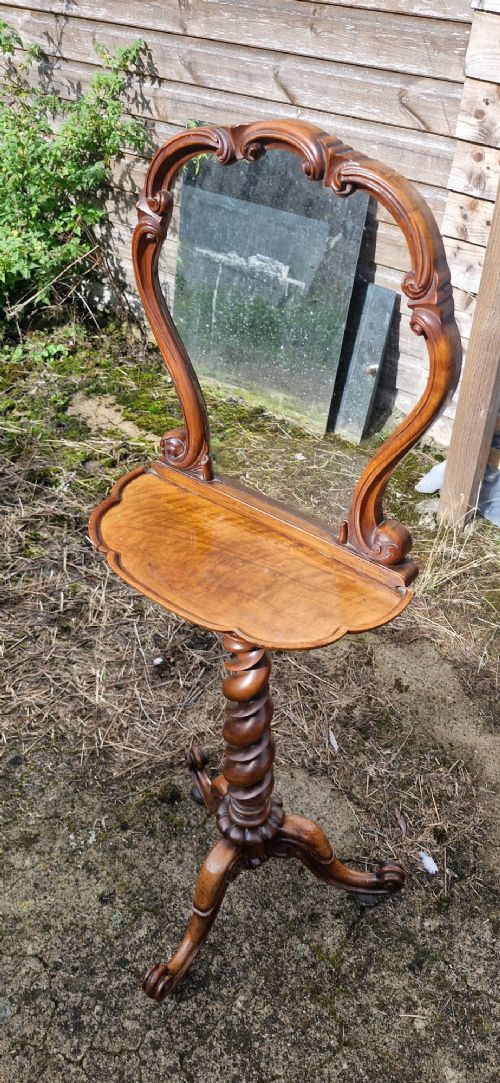
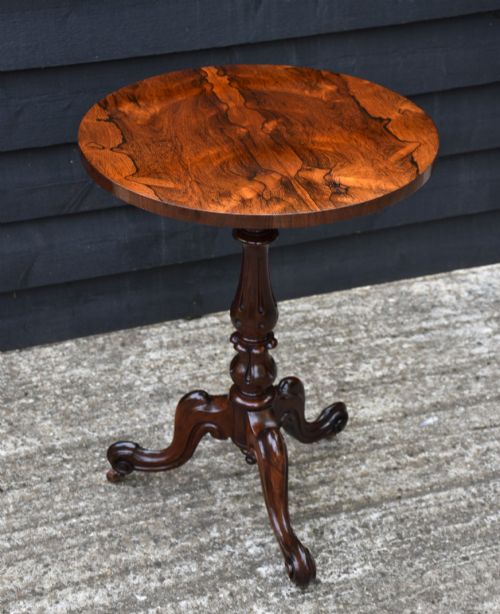
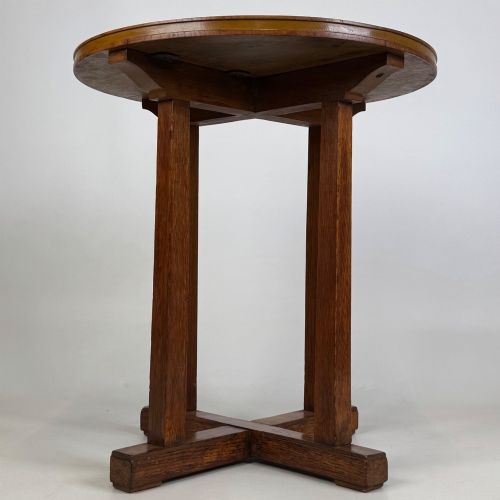
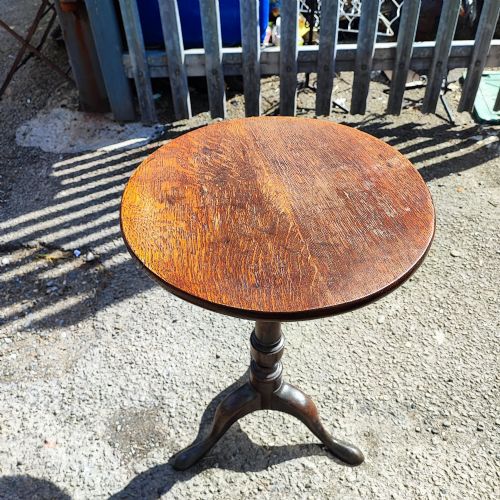
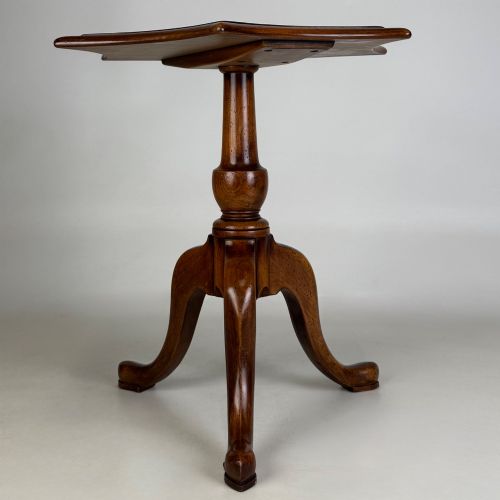
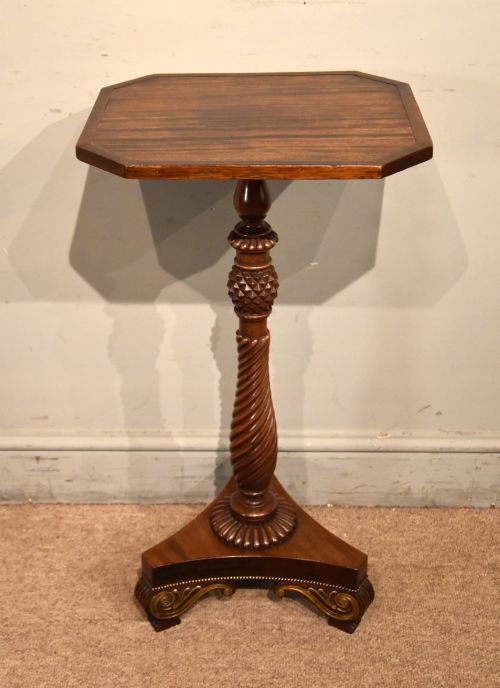
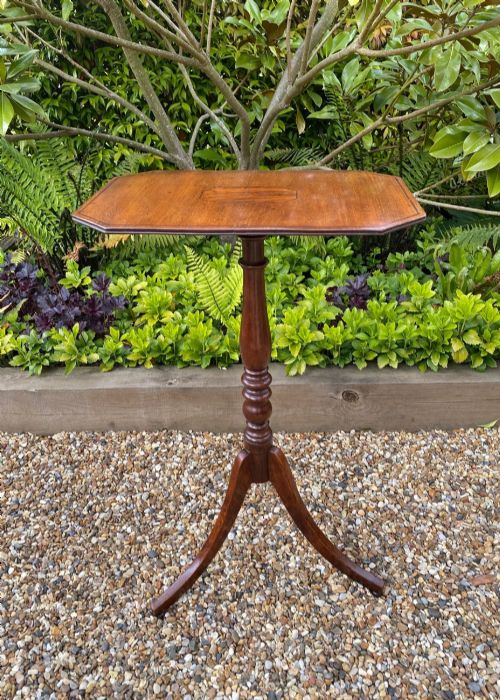
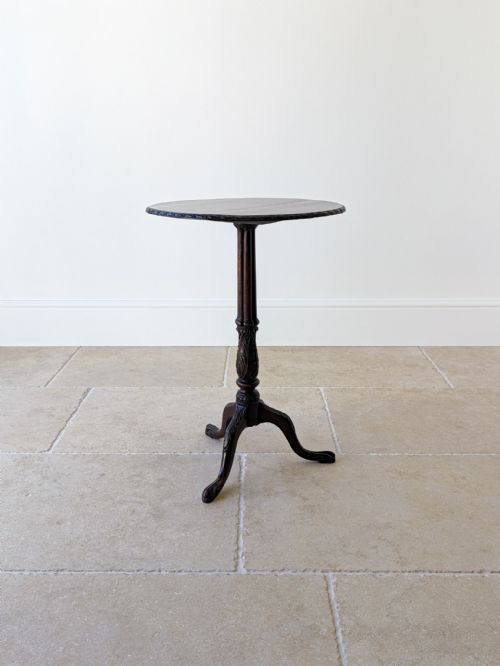
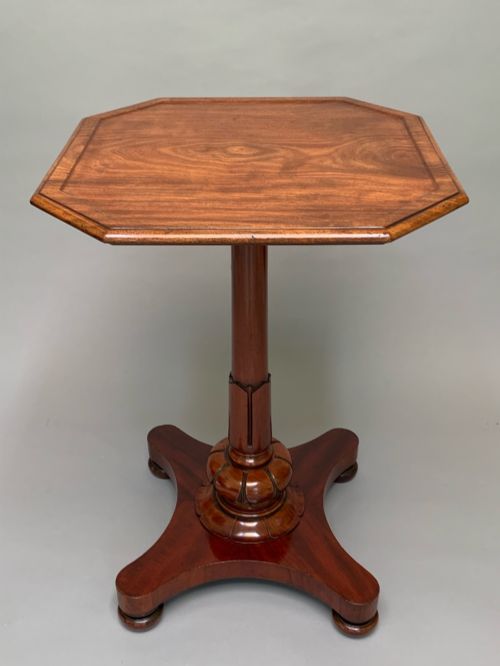
A pedestal lamp stand serves as a sturdy support for illumination and small items beside seating, typically taking the form of occasional tables, wine tables, and tripod tables. You will frequently encounter mahogany and walnut examples from the Georgian, Victorian, and Edwardian periods.
The practical design incorporates a central pillar rising from a tripod or circular base, making these pieces exceptionally useful for smaller spaces. Many feature circular, tilt-top, or shaped tops suited for resting lamps or glasses.
Materials and construction
Cabinet makers utilised dense hardwoods like mahogany, oak, walnut, and rosewood, often pairing them with brass fittings or marble tops for added weight and decoration. Timber selection dictated the structural stability of the central pedestal and its supporting legs.
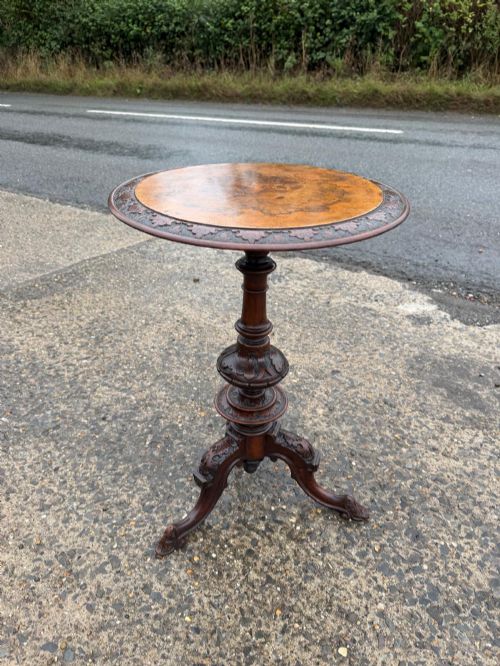
Joinery techniques such as turned pillars, tripod supports, and occasionally tilt-top mechanisms allowed these stands to balance utility with refined proportion. Selected pieces incorporate burr wood veneers, inlay, or painted finishes to enhance the surface appearance.
The listings span multiple centuries, incorporating mahogany, oak, walnut, and rosewood across Georgian, Victorian, and Edwardian eras.
Distinctions in quality
Superior examples display crisp turning on the central pedestal and well-proportioned tripod legs that meet the floor evenly without wobble. The choice of timber grain, particularly figured mahogany or burr oak, separates standard utility pieces from finer parlour furniture.
Refinement in the edge moulding of the top and the tightness of joints reveal the maker's hand, distinguishing workshop production from mass manufacturing. Hardware quality, such as cast brass feet or hinges on tilt-top mechanisms, further marks the grade of the piece.
Gillows·Druce & Co London
The Pedestal Lamp Stand Glossary
- Tripod table
- A small freestanding table supported by a central pillar resting on three legs. This construction keeps the table stable on uneven floors.
- Tilt-top
- A table top hinged to the pedestal so it can pivot to a vertical position when not in use. This mechanism allowed easy storage against a wall.
- Snap top
- An alternative term for a tilt-top table where a spring catch secures the top in a horizontal position. It prevents accidental tipping during use.
- Wine table
- A small circular occasional table originally intended for holding glasses or decanters. They share similar proportions to lamp stands.
Pedestal Lamp Stand: Frequently Asked Questions
What is a pedestal lamp stand used for?
These versatile stands provide a stable surface for holding table lamps, reading lights, and small decorative items beside a chair or sofa.
Their compact footprint makes them practical for placement in corners or tight spaces where larger furniture will not fit.
How do I identify a Georgian lamp stand?
Georgian stands typically feature solid mahogany or oak construction with hand-turned central columns and disciplined proportions.
Look for pegged joints, tripod bases with pad or snake feet, and timber that shows rich patina from age and use.
What is a tilt-top mechanism?
A tilt-top mechanism allows the upper surface of the table to pivot upright on its pedestal via a wooden catch or pivot block.
This historical feature enabled the stands to be stored flat against a wall when the room was cleared.
How do I care for a mahogany lamp stand?
Keep the wood conditioned using traditional beeswax and avoid placing the stand in direct sunlight or beside heat sources.
Regular polishing maintains the natural lustre of the timber without building up excess residue on the carved surfaces.